Home / Things to do in Nara
Exploring Nara's World Heritage Sites
Nara Prefecture has four World Heritage Sites, but not all of them are in Nara City. Horyu-ji is in Ikaruga, Asuka-Fujiwara in Asuka and Kashihara, and the Kii Mountain Range stretches from Yoshino to Totsukawa. They may look close on a map, but each takes half a day to a full day. Here are some suggested routes for walking while reading the history.
Labels: Factdocumented Likelysupported by most sources Legendoral tradition Urban legendlocal lore and rumour
Where are the four World Heritage Sites?
FactNara Prefecture's four World Heritage Sites are as follows.
- Buddhist Monuments in the Horyu-ji Area (1993)Ikaruga Town. Horyu-ji and Hokki-ji (Horyu-ji, Ikaruga).
- Historic Monuments of Ancient Nara (1998)Nara City. Eight sites: Todai-ji, Kofuku-ji, Kasuga Taisha, Kasugayama Primeval Forest, Gango-ji, Yakushi-ji, Toshodai-ji and the Heijo Palace Site.
- Sacred Sites and Pilgrimage Routes in the Kii Mountain Range (2004)Three prefectures: Nara, Wakayama and Mie. In Nara Prefecture: Mt. Yoshino, Mt. Omine, the Omine Okugake-michi trail, the Kumano Kodo Kohechi route and more (Mt. Yoshino, Mt. Omine, Totsukawa).
- Asuka-Fujiwara: Archaeological Sites of Japan's Ancient Capitals (2026)19 sites in Asuka Village, Kashihara City and Sakurai City (Asuka, Ishibutai, mural tombs, Fujiwara-kyo).
Day 1: Nara Park, the Great Buddha, deer and pagodas
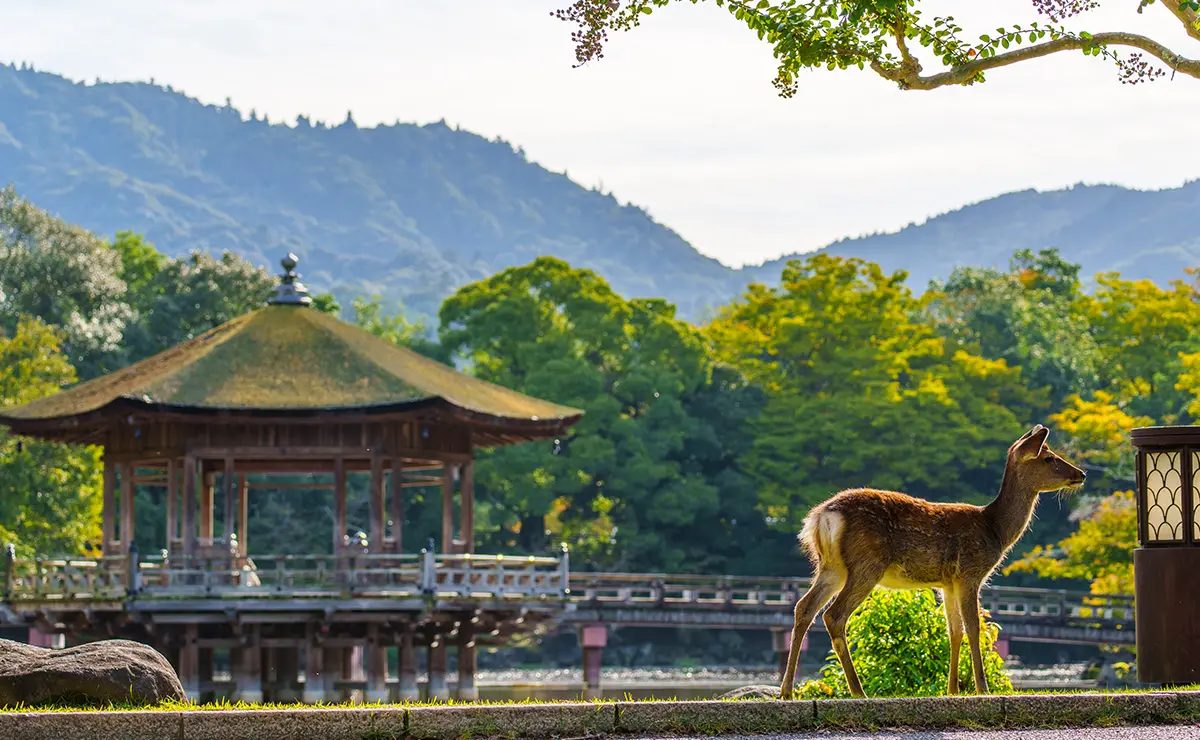
Todai-ji, Kofuku-ji, Kasuga Taisha and Gango-ji are all within walking distance of Kintetsu Nara Station. Head early to Todai-ji's Great Buddha Hall (it is quiet right after opening). Look down over Nara from the stage of the Nigatsu-do Hall, then walk through the forest to Kasuga Taisha. In the afternoon, meet the Ashura statue at Kofuku-ji's National Treasure Museum and pass Sarusawa Pond into Naramachi. End the day at dusk looking at the old tiled roofs of Gango-ji.
Related: Todai-ji, Kasuga Taisha, Kofuku-ji, Gango-ji and Naramachi, Deer, Mt. Wakakusa, Shoso-in
Day 2: Nishinokyo and Ikaruga, temples of the Nara and Asuka periods
Get off at Kintetsu Nishinokyo Station and you will find Yakushi-ji and Toshodai-ji about a 10-minute walk apart. Visit the two temples in the morning, then take a bus or JR to Horyu-ji. In the afternoon, see Horyu-ji's Western Precinct and Eastern Precinct (the Yumedono Hall), then walk the lanes through the rice fields to Horin-ji and Hokki-ji to meet the three pagodas of Ikaruga. If you want to add the Heijo Palace Site, rental bicycles from Yamato-Saidaiji Station are handy.
Related: Yakushi-ji, Toshodai-ji, Heijo Palace Site, Horyu-ji, Prince Shotoku and Ikaruga
Day 3: Asuka and Fujiwara by bicycle, "the birth of a nation"
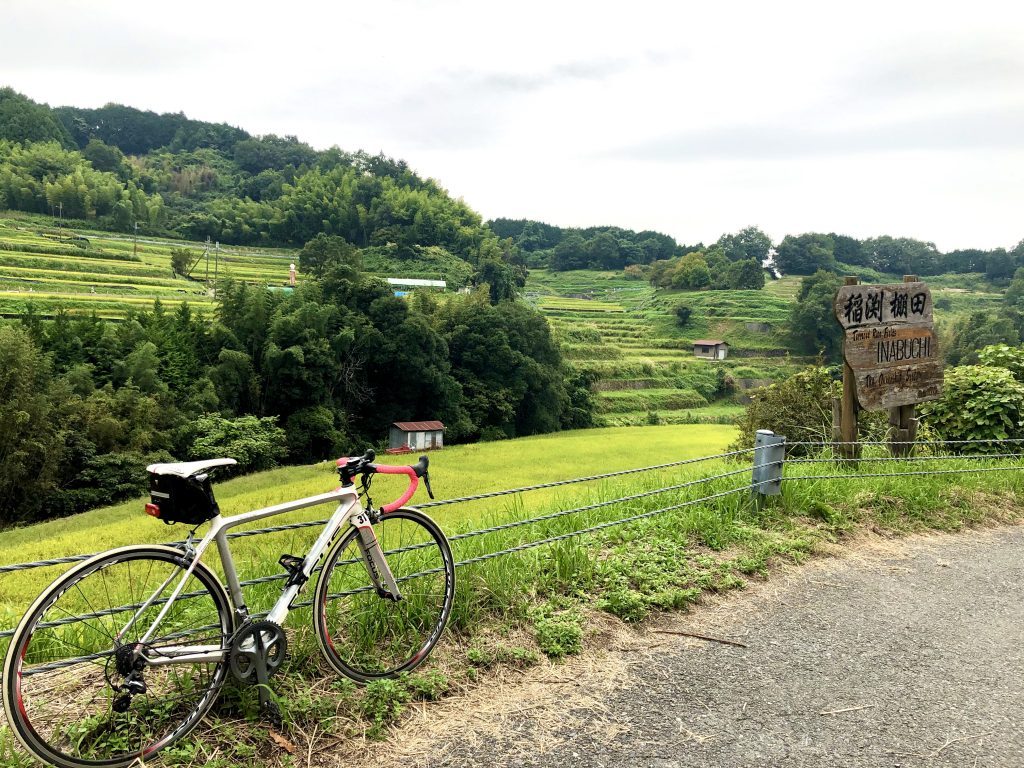
We recommend renting a bicycle at Kintetsu Asuka Station or Kashiharajingu-mae Station. Ride over the hills to the Asuka Great Buddha at Asuka-dera, the Sakafune-ishi stone and the turtle-shaped stone basin, Ishibutai Kofun, the Kameishi turtle stone, Takamatsuzuka Kofun and Kitora Kofun's "Shijin no Yakata". There are many slopes, so an electric-assist bike is a safe choice. If you have energy left, go on to the Fujiwara Palace Site ringed by the Three Mountains of Yamato.
Related: Asuka's palaces and temples, Ishibutai Kofun, Takamatsuzuka and Kitora, Fujiwara-kyo
Day 4 and beyond: to the mountains, Yoshino, Miwa, Hase and Muro, Totsukawa
For Mt. Yoshino, take the Kintetsu Yoshino Line to the last stop, Yoshino Station. Go up by bus (check whether the ropeway is running) and head for the Zao-do Hall of Kinpusen-ji and Yoshimizu Shrine. For Miwa and the Yamanobe-no-Michi, there are good walking routes along the JR Sakurai Line (Man'yo Mahoroba Line). Hase-dera and Muro-ji can be combined in one day on the Kintetsu Osaka Line. Totsukawa Village and the Tanize Suspension Bridge are reached by the long-distance bus from Yamato-Yagi Station to Shingu Station, making it an overnight trip.
Related: Mt. Yoshino, Mt. Omine, Totsukawa, Omiwa Shrine, Yamanobe-no-Michi, Makimuku Ruins, Hase-dera, Muro-ji, Taima-dera, Yagyu
Seasonal events calendar
- JanuaryWakakusa Yamayaki (usually the fourth Saturday)
- February and AugustLantern Festivals at Kasuga Taisha (Setsubun; August 14 and 15)
- March 1-14Shuni-e (Omizutori) at Todai-ji's Nigatsu-do Hall
- AprilCherry blossoms on Mt. Yoshino (early to late April); Nerikuyo Eshiki at Taima-dera (14th)
- Late April to early MayPeonies at Hase-dera; rhododendrons at Muro-ji
- OctoberDeer antler cutting
- Late October to mid-NovemberShoso-in Exhibition at the Nara National Museum
- DecemberKasuga Wakamiya On-matsuri
Dates may change from year to year. Please check the official information from each temple, shrine or local government before you go.
Look here: how to get along with the deer
The deer of Nara Park are wild animals. Do not feed them anything other than deer crackers, do not tease them while holding crackers (you may be bitten or butted), and do not get too close to stags in autumn or mothers with fawns from spring to early summer. To show you have nothing left, open both hands and show them, and the deer will give up (see Deer).
Main sources: Nara Prefecture Tourism Bureau / Nara City Tourism Association / Asuka Village Tourism Association / Yoshino Town / Kintetsu Railway and JR West (route information)