Home / The Great Kanto Earthquake and the Firebombing
11 — REMEMBRANCE
The Great Kanto Earthquake and the Firebombing
1 September 1923 and 10 March 1945. Twice in little more than twenty years, Tokyo was reduced to scorched ruins. Each time, many lives were lost, and the city rose again in a changed form. We look back on these two disasters, following the records and the figures.
Labels: Factdocumented Likelysupported by most sources Legendoral tradition Urban legendlocal lore and rumour
1 September 1923, 11:58 a.m.
FactAt 11:58 a.m. on 1 September 1923, a magnitude 7.9 earthquake centred in Sagami Bay struck the Kanto region. This was the Great Kanto Earthquake. It came just as people were using fire to prepare lunch, and fanned by strong winds, fires broke out across Tokyo, burning wide areas of the city, above all in the Shitamachi.
FactThe number of people killed or missing in the disaster is put at about 105,000, most of them victims of fire. Many people had taken refuge with their household belongings on the open ground of the former Army Clothing Depot in Honjo, but a fire whirlwind swept over it, and about 38,000 people died at this one site alone.
FactIn the confusion after the earthquake, baseless rumours spread, such as claims that Koreans were rioting, and many Koreans and Chinese, as well as Japanese mistaken for Koreans, were killed by vigilante groups and others.
Goto Shinpei's rebuilding of the imperial capital
FactIn the cabinet formed the day after the earthquake, the central role in reconstruction fell to Goto Shinpei, Home Minister and president of the Imperial Capital Reconstruction Agency. Goto had earlier worked on city planning in Taipei and elsewhere as Chief of Civil Administration in Taiwan, and had later also served as Mayor of Tokyo.
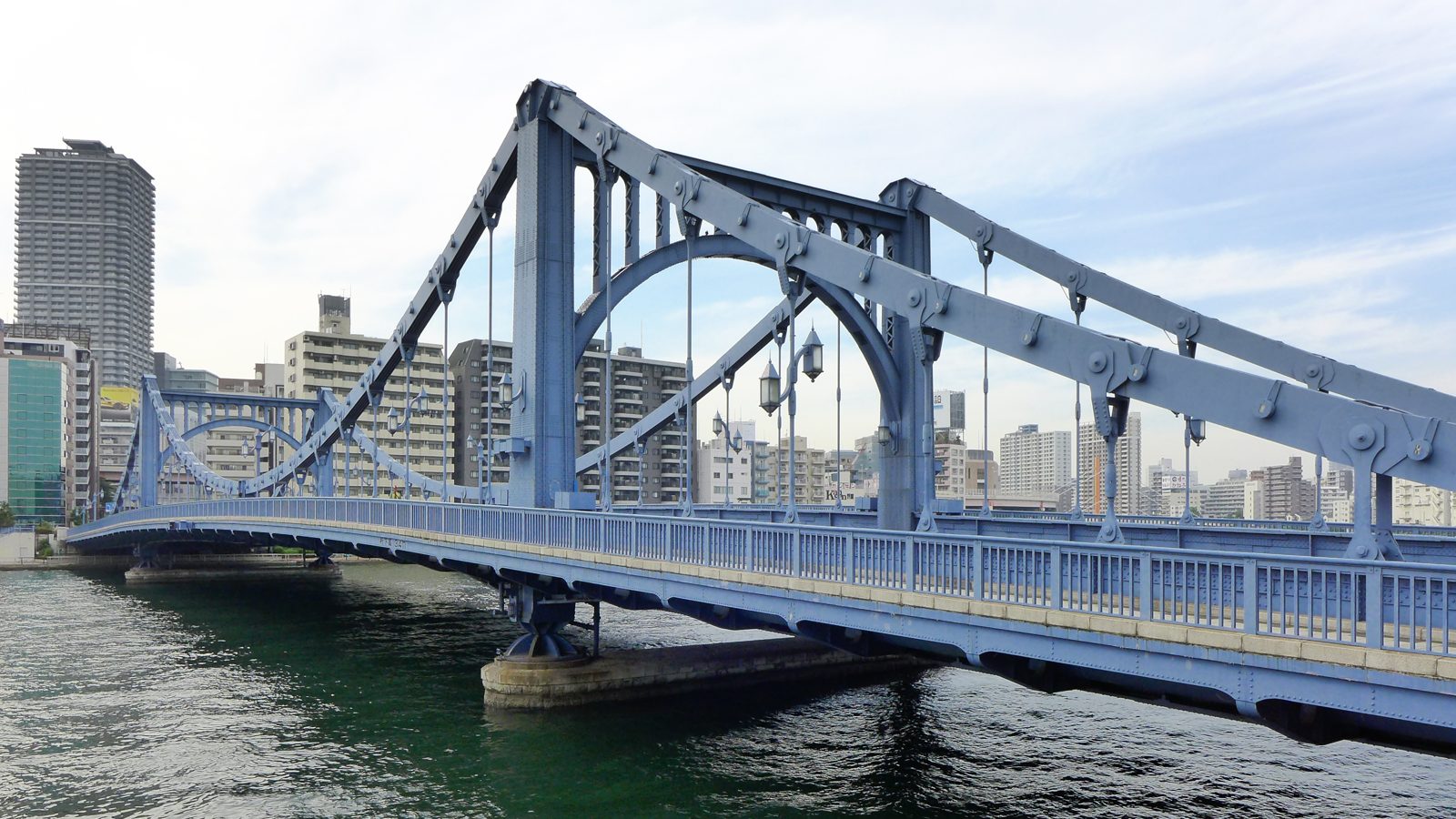
FactGoto's original plan was judged too large, and its budget was cut drastically. Even so, it delivered main roads such as Showa-dori and Yasukuni-dori, parks such as Sumida Park, reinforced-concrete "reconstruction" primary schools, and the Dojunkai apartments. Eitai Bridge and Kiyosu Bridge, built across the Sumida River, are now Important Cultural Properties of Japan.
10 March 1945
FactIn the final stages of the Pacific War, Tokyo was bombed more than 100 times. Above all, in the early hours of 10 March 1945, about 300 B-29s dropped huge quantities of incendiary bombs on the Shitamachi in the Great Tokyo Air Raid. Fires spread in a strong north wind, and about 100,000 people are believed to have died in a single night. Fukagawa, Honjo, Asakusa and other Shitamachi districts were once again reduced to scorched ruins.
FactThe air raids continued in April and May, and much of Tokyo's urban area, including the Yamanote, burned. The palace buildings at the Imperial Palace and the domes of Tokyo Station were also destroyed at this time.
Look here: the Tokyo Memorial Hall in Yokoamicho Park
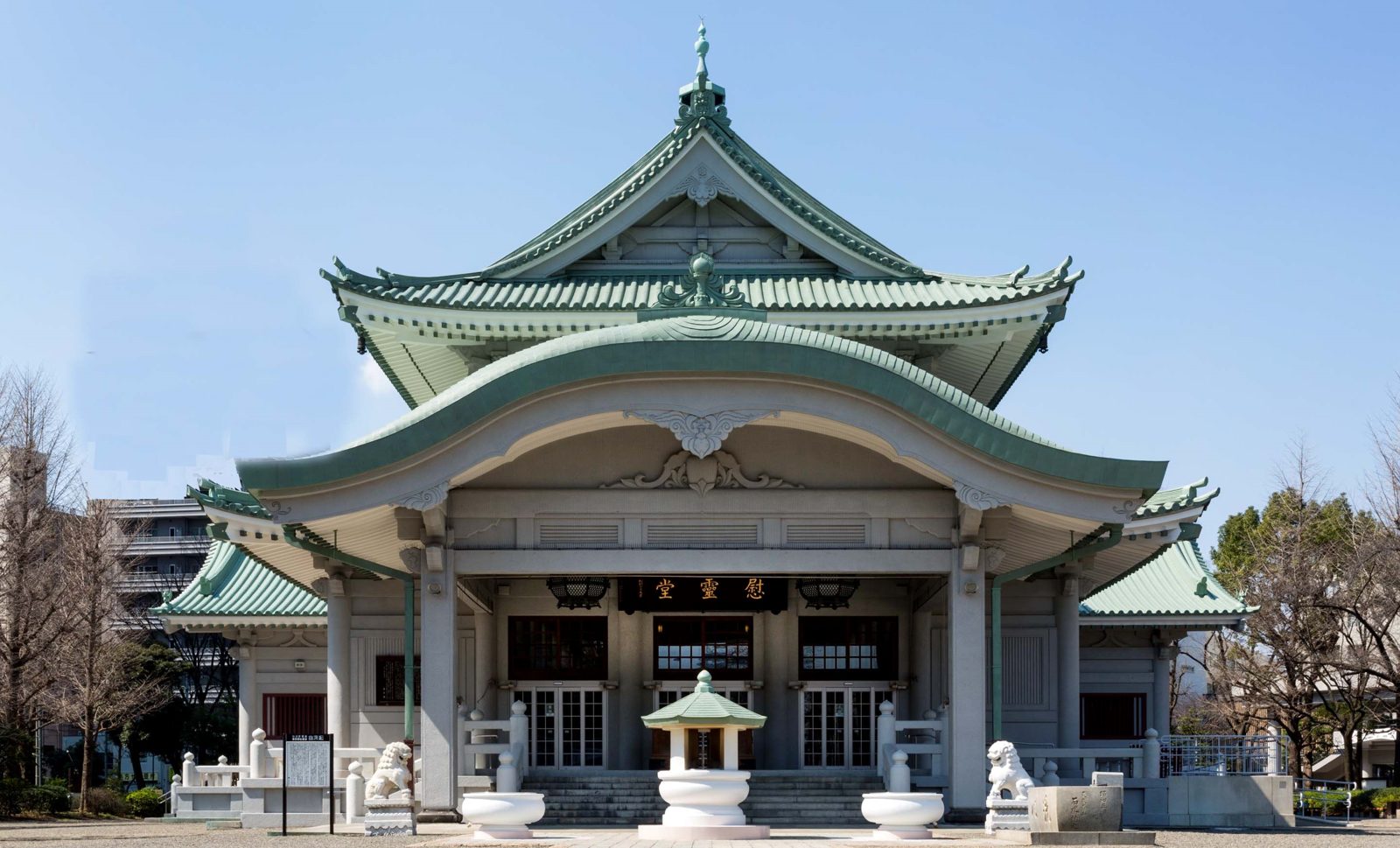
Yokoamicho Park in Sumida Ward was laid out on the site of the former Army Clothing Depot, where so many people died in the Great Kanto Earthquake. The Tokyo Memorial Hall in the park holds the remains of people who died in the Great Kanto Earthquake and the Great Tokyo Air Raid. The Reconstruction Memorial Museum in the grounds displays objects that melted and fused in the fires, among other things. Memorial services are held here every year on 10 March and 1 September.
1 September is Disaster Prevention Day
Since 1960, 1 September, the day of the Great Kanto Earthquake, has been Disaster Prevention Day. Schools and workplaces hold evacuation drills, and it has also become a day for checking emergency grab bags. The lessons Tokyo learned from being burned to the ground twice are still carried on in these preparations every year. For Tokyo's postwar path, continue to the From the Ashes to the Olympics room.
Main sources: Cabinet Office, Report of the Expert Panel on Passing On Lessons from Disasters (1923 Great Kanto Earthquake) / Tokyo Memorial Association / Center of the Tokyo Raids and War Damage