Home / Life in a City of a Million
02 — CITY OF A MILLION
Life in a City of a Million
By the early 18th century, Edo's population may have passed a million, some say — more than London or Paris at the time, making it one of the largest cities in the world. How did a town with so many people cope with water, fires and rubbish?
Labels: Factdocumented Likelysupported by most sources Legendoral tradition Urban legendlocal lore and rumour
Half the people in a fifth of the town
LikelyEdo's population is thought to have been roughly half samurai and half townspeople. Yet most of the town's area was taken up by daimyo estates, samurai land, and temple and shrine land, and the townspeople's districts made up only about a fifth of the whole. Some 500,000 townspeople lived crammed together on that small area of land.
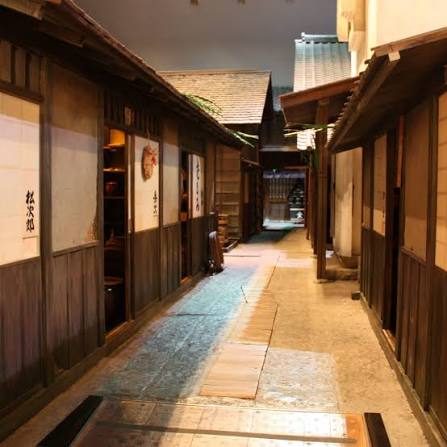
FactMany townspeople lived in ura-nagaya, back-alley row houses lined up at the end of lanes leading off the main streets. It was not unusual for a whole family to live in a unit known as kushaku niken ("nine feet by two ken"), about the size of four and a half tatami mats. The well, the toilet and the rubbish heap were shared by the residents of the nagaya.
A first bath in aqueduct water
FactIn Edo, with its large areas of reclaimed land, there were many places where digging a well brought up nothing but salty water. So the shogunate built the Kanda aqueduct, fed by sources such as Inokashira Pond, and then, in 1653, the Tamagawa aqueduct, which drew water from the Tama River at Hamura. The water was carried throughout the town in wooden and stone pipes buried underground, and people drew it up from "aqueduct wells."
It is said that true Edoites (Edokko) liked to boast that they had "had their first bath as a newborn in aqueduct water." The water supply was the pride of the great city of Edo (the Tama room).
"Fires and fights are the flowers of Edo"
FactIn Edo, where houses of wood and paper were packed closely together, fires broke out very often. In the Great Meireki Fire of 1657, most of Edo burned, and the number of dead is put at anywhere from tens of thousands to 100,000.
FactIn 1720, the town magistrate Ooka Tadasuke organised the machi-bikeshi, firefighting brigades made up of townspeople, into 47 companies named after the letters of the iroha syllabary (later 48). Firefighting at the time relied less on pouring water than on "destructive firefighting": pulling down the houses around a burning building to stop the fire from spreading. The firefighters who waved their company standard, the matoi, on the rooftops were the heroes of Edo.
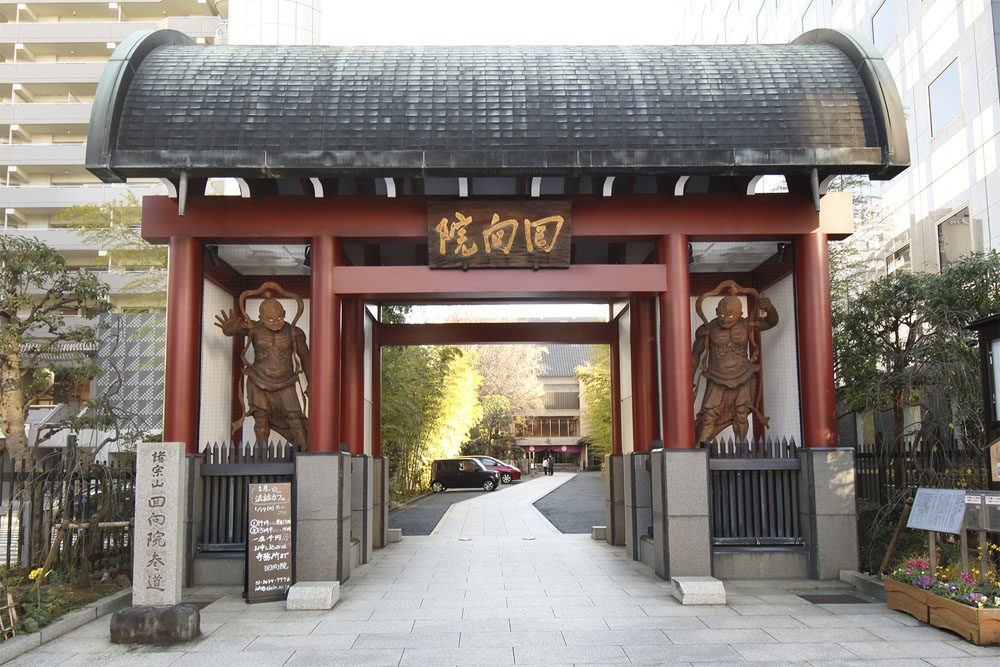
Look here: Eko-in temple in Ryogoku
Eko-in in Ryogoku is a temple built to hold memorial rites for the unidentified people who died in the Great Meireki Fire. Later, fund-raising sumo tournaments (kanjin-zumo) came to be held in its grounds, which was one of the things that made Ryogoku "the town of sumo" (the Edo Chic and the Performing Arts room).
The ultimate recycling city
FactEdo was a town that reused things to the very last. There were second-hand clothes dealers and second-hand goods dealers, tinkers (ikakeya) who mended broken pots and kettles, buyers of old umbrellas who bought up their ribs, and even traders who collected the drips of wax from candles. Human waste, too, was bought by farmers in the surrounding area and used as fertiliser for their fields.
LikelyThanks to such systems, Edo is thought to have been cleaner than the great European cities of the same period.
"Never keep money overnight"
A saying that sums up the spirit of the Edokko: spend whatever you earn on the same day. In a town where you never knew when a fire might leave you homeless, it made more sense to enjoy the day than to hoard things. Perhaps the Edokko's famous generosity owed something to the circumstances of their lives.
Main sources: Tokyo Waterworks Historical Museum / Tokyo Fire Department, "History of Firefighting" / Fukagawa Edo Museum, Koto City / A Hundred-Year History of Tokyo