Home / Surprising Spots Visitors Love
27 — GLOBAL FAVOURITES
Surprising Spots Visitors Love
There are places in Tokyo that overseas visitors, for some reason, fall in love with: an ordinary crossing, alleys of tiny bars, a temple full of beckoning cats, a wholesale street selling plastic food. How do scenes that Japanese people take for granted look to the rest of the world? We explore the surprising reasons.
Labels: Factdocumented Likelysupported by most sources Legendoral tradition Urban legendlocal lore and rumour
Shibuya Scramble Crossing: the miracle of not bumping into anyone
At Shibuya's Scramble Crossing, it is said that at the busiest times several thousand people cross from every direction on a single green light. What astonishes people from many countries is that, with so many people, no one bumps into anyone, and everyone passes in good order. Made famous worldwide by films such as Lost in Translation, it now draws a constant stream of people filming the scene from cafés and observation spaces overlooking the crossing. Filming yourself crossing is a must, too (the Shibuya room).
Golden Gai and Omoide Yokocho: alleys where "Showa" lives on
Shinjuku's Golden Gai and Omoide Yokocho are alleys of tiny bars that grew out of postwar black markets. Drinking shoulder to shoulder with strangers at a bar counter that seats only a handful of people is presented in overseas travel guides as "the real Tokyo". Part of the appeal is the contrast of a postwar streetscape surviving intact right beside the skyscrapers — a slice of the Showa era (1926–1989). More and more bars are putting up signs in English and welcoming foreign customers (the Shinjuku room).
Gotoku-ji: a thousand beckoning cats
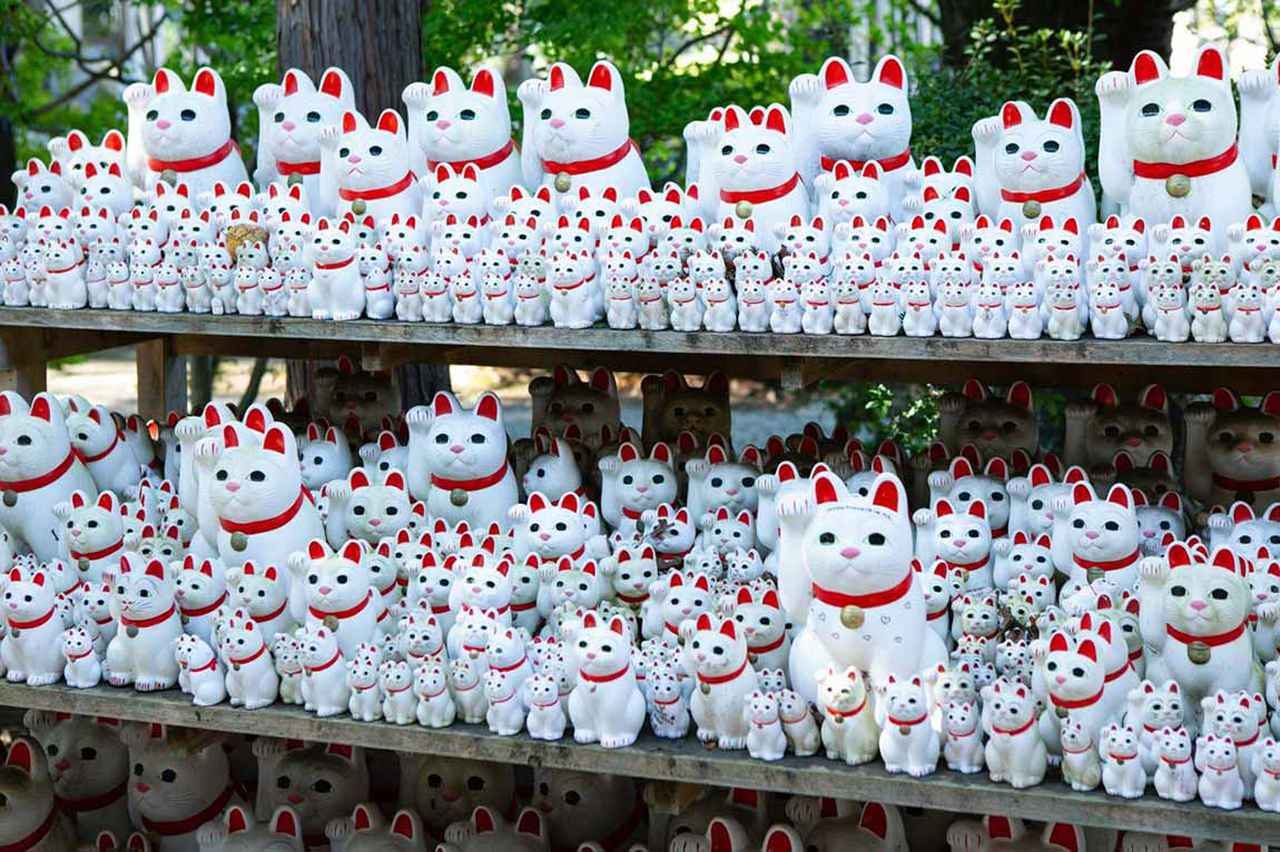
In the grounds of Gotoku-ji in Setagaya City, hundreds — thousands — of white maneki-neko (beckoning cats), offered in thanks for wishes granted, stand in long rows. People have begun coming from all over the world to photograph the strange sight.
The lord beckoned by a cat
In the early Edo period, Ii Naotaka, lord of the Hikone domain, was passing the temple on his way back from falconry when the temple cat beckoned to him. While he was resting inside, a sudden thunderstorm broke, and Naotaka escaped harm. In gratitude, he made the temple the family temple of the Ii clan — or so goes one story of how the beckoning cat began.
The family temple of the Ii clan
It is certain that Gotoku-ji is the family temple of the Ii clan of the Hikone domain, and the grounds also hold the grave of Ii Naosuke, the Great Elder who was struck down in the Sakuradamon Incident. There are several other claims to be the birthplace of the beckoning cat, including Imado Shrine.
Kappabashi Dogu Street: the mecca of plastic food
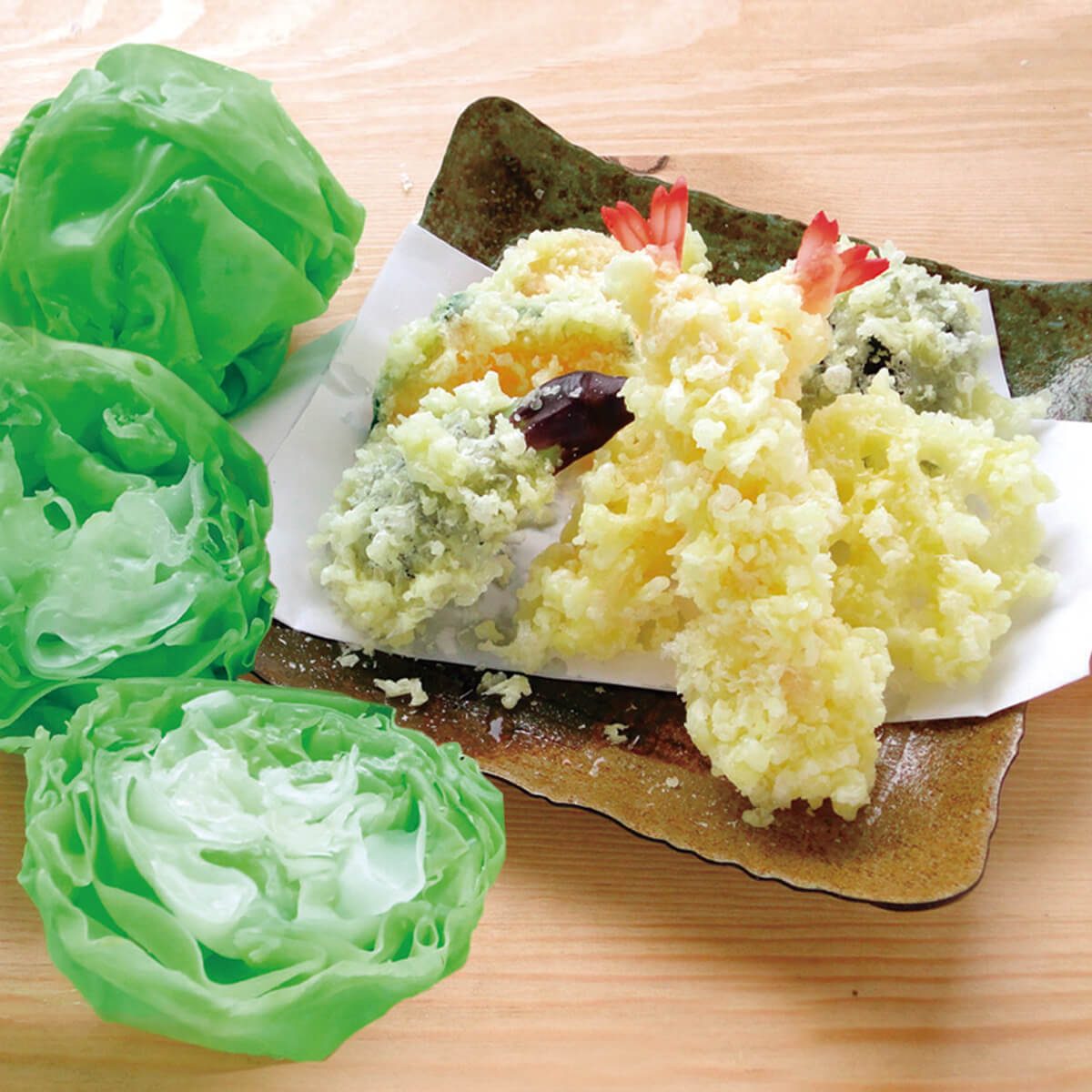
Kappabashi Dogu Street, between Asakusa and Ueno, is a wholesale street for professional equipment, lined with about 170 specialist shops selling knives, tableware, cooking utensils and more. Especially popular with overseas visitors are the lifelike shokuhin sampuru (food replicas). The culture of displaying models of dishes outside restaurants is unique to Japan, and sushi and ramen key rings are hugely popular souvenirs. Quite a few chefs come here in search of Japanese-made knives, too.
Yanaka Ginza and Nezu Shrine: old-fashioned Tokyo
Yanaka Ginza in Yanaka is a small shopping street that keeps the atmosphere of the shitamachi (old low city). The view of the shopping street at dusk from the steps known as "Yuyake Dandan" ("sunset steps"), and the cats seen all around the neighbourhood, are big draws. Nearby Nezu Shrine has "Senbon Torii" (a thousand torii), vermilion shrine gates that continue like a tunnel, and it is popular as a place to walk through a torii tunnel without going all the way to Kyoto (the Asakusa and Shitamachi room).
More places that are "somehow popular"
- The Tokyo Metropolitan Government Building observation roomsEnjoy the night view from 202 metres above ground for free. On clear days you can see Mt Fuji, too.
- Convenience storesWith their range of onigiri rice balls, bento boxes and sweets, and the convenience of being open 24 hours, they have a reputation as "the best convenience stores in the world".
- Akihabara and Nakano BroadwayPacked with specialist shops for anime, games, figures and retro toys (the Akihabara room).
- Running round the Imperial PalaceTourists join in running the roughly 5 km loop, which has no traffic lights (the Edo Castle and Imperial Palace room).
- Punctual trainsTrains that come every few minutes and run almost exactly on time have become a "tourist experience" in themselves.
- Vending machinesThey are everywhere in the city, and many people are surprised that you can buy hot and cold drinks from the same machine.
Main sources: Shibuya City Tourism Association / Gotoku-ji / Tokyo Kappabashi Shopping Street Promotion Association / Yanaka Ginza Shopping Street Promotion Association / Nezu Shrine / Tokyo Metropolitan Government, "Observation Rooms"