Home / Shinjuku: From Post Town to Skyscrapers
16 — SHINJUKU
Shinjuku: From Post Town to Skyscrapers
Several million people pass through Shinjuku every day. It began in the Edo period as a small "new post town" on the Koshu Kaido highway. Skyscrapers now stand on the site of a huge water-purification plant, while drinking alleys survive where black markets once stood. We trace the story of Shinjuku and its many faces.
Labels: Factdocumented Likelysupported by most sources Legendoral tradition Urban legendlocal lore and rumour
The Naito estate and a "new lodging"
FactThe first post town on the Koshu Kaido was Takaido, a full 4 ri (about 16 km) from Nihonbashi. To ease the burden on travellers, merchants from Asakusa petitioned for a new post town, and in 1698 one was created halfway between. The land was part of the estate of the Naito family of the Takato domain in Shinano, so it was named "Naito-Shinjuku" ("Naito's new lodging"). This was the origin of the place name "Shinjuku".
FactThe rest of the Naito estate later became Shinjuku Gyoen (the Yamanote and Daimyo Estates room). The place name "Naitomachi" still survives southeast of Shinjuku Station.
Skyscrapers on the site of a water plant
FactIn 1898 Tokyo's first modern water-purification plant, the Yodobashi Water Purification Plant, was built in what is now Nishi-Shinjuku. It cleaned water from the Tamagawa aqueduct and sent it out to the city (the Tama and Musashino room).
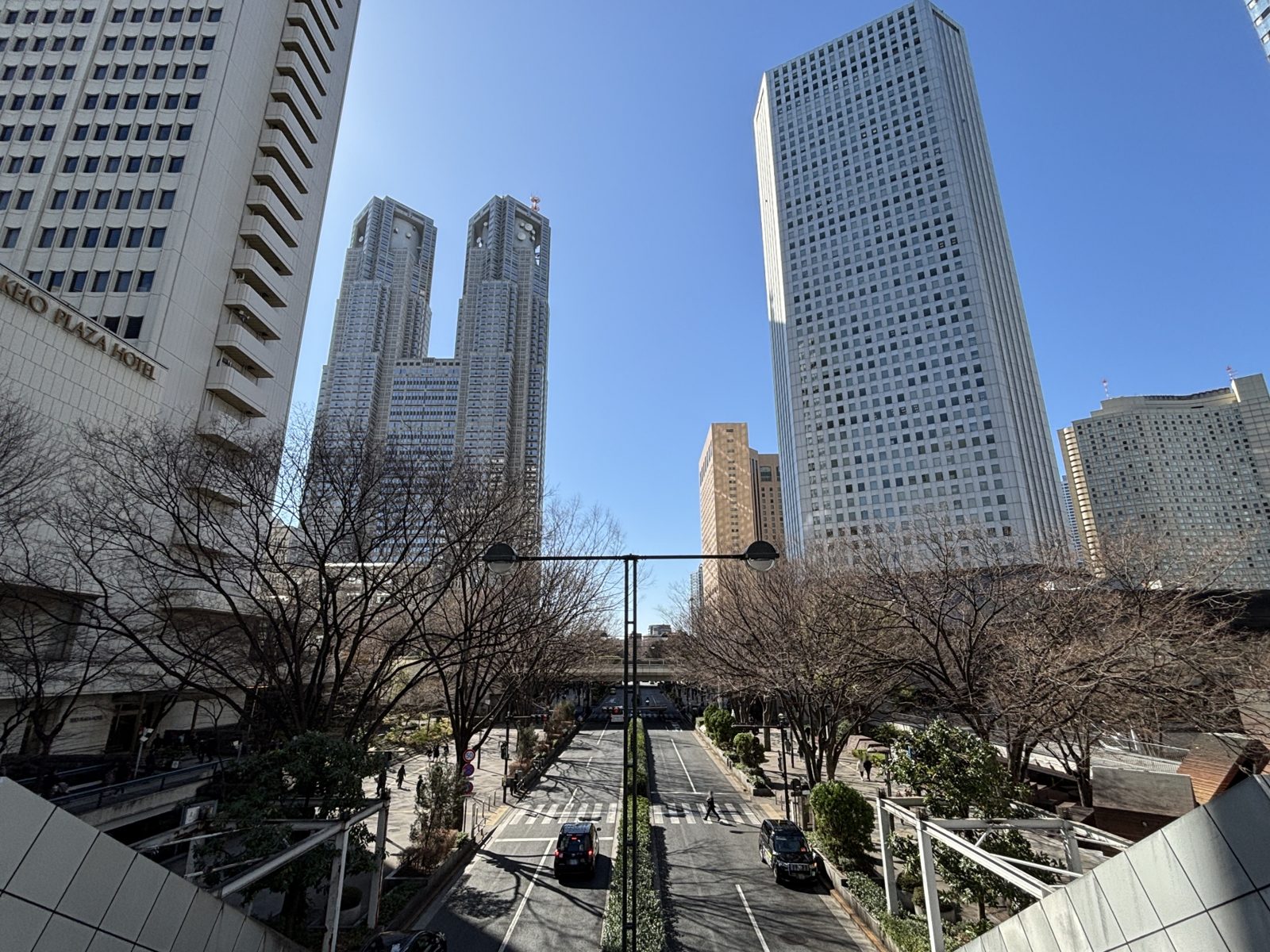
FactWhen the plant's functions moved to Higashimurayama in 1965, the vast site was developed as the Shinjuku sub-centre. Beginning with the Keio Plaza Hotel in 1971, skyscrapers went up one after another, and in 1991 the Tokyo Metropolitan Government Building moved here from Yurakucho. Designed by Tange Kenzo, the Main Building No. 1 stands 243 metres tall, and anyone can go up to the observation rooms on the 45th floor free of charge.
Memories of the black market: Omoide Yokocho and Golden Gai
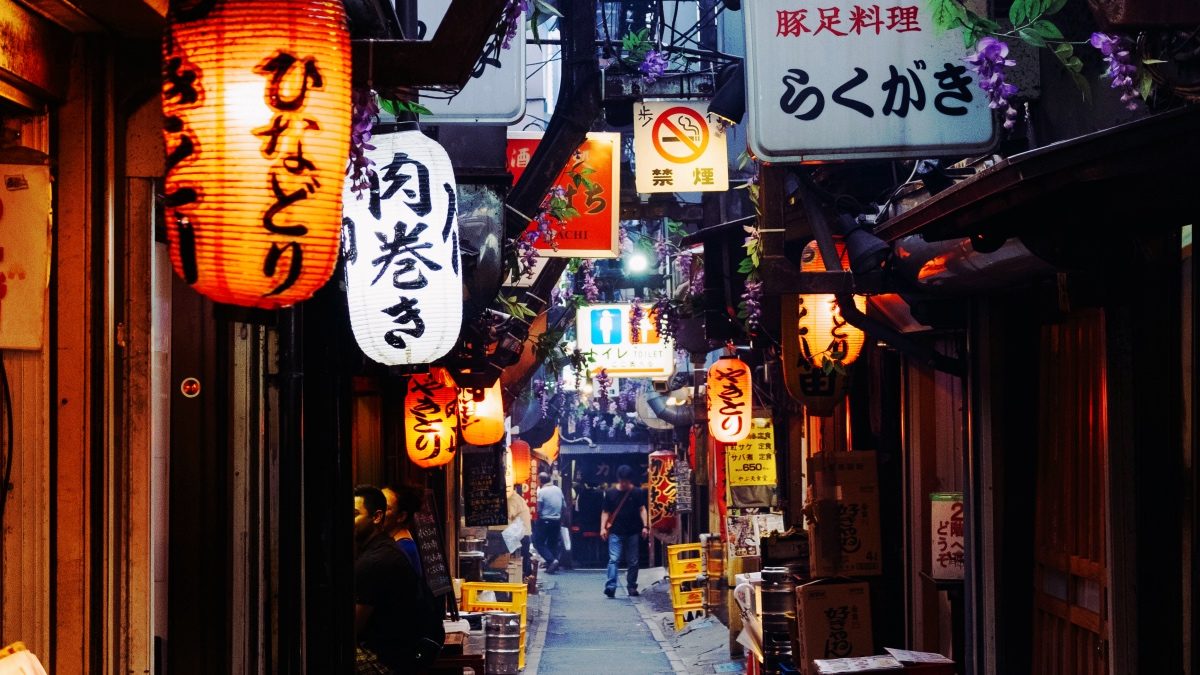
FactOmoide Yokocho ("Memory Lane"), beside the tracks at Shinjuku Station's west exit, is a drinking quarter that grew out of a postwar black market. Its narrow alleys are crammed with yakitori and offal-grill stalls, and the smoky scene is now hugely popular with overseas visitors (the Surprising Spots Visitors Love room).
FactIn Shinjuku Golden Gai, near Hanazono Shrine on the east side, more than 200 tiny bars and drinking spots, each only a few tsubo (a tsubo is about 3.3 square metres) in size, are packed into wooden row buildings. Stalls from the postwar black market moved here, and it has long been known as a haunt of writers, film directors and theatre people.
Look here: the "shape of the water plant" from the City Hall observatory
Look down on Nishi-Shinjuku from the observation room of the Tokyo Metropolitan Government Building and you will see the skyscrapers lined up neatly on a grid of blocks. These blocks were laid out by reorganising the site of the plant's filter beds and settling basins. Shinjuku Central Park, just to the west, is also part of the former plant site.
Main sources: Shinjuku City, "History of Shinjuku" / Bureau of Waterworks, Tokyo Metropolitan Government, "Yodobashi Water Purification Plant" / Tokyo Metropolitan Government, "Overview of the Metropolitan Government Buildings" / Shinjuku Historical Museum