Home / Edo Chic and the Performing Arts
25 — CULTURE
Edo Chic and the Performing Arts
The leading players in Edo culture were not the samurai but the townspeople. They bought ukiyo-e prints, went to the theatre, laughed in the variety halls and went wild for sumo. From these popular pleasures came Hokusai's "wave", the mie poses of kabuki and the laughter of rakugo — and they spread around the world.
Labels: Factdocumented Likelysupported by most sources Legendoral tradition Urban legendlocal lore and rumour
Ukiyo-e: Edo's posters and pin-ups
FactUkiyo-e ("pictures of the floating world") were pictures for ordinary people, mass-printed from woodblocks: portraits of popular actors, pictures of beautiful women, views of famous places. They are said to have cost about as much as a bowl of soba, and were something like the posters and pin-up photos of today.
FactKatsushika Hokusai, born in Honjo in Edo, was an eccentric who is said to have moved house more than 90 times and changed his artist's name more than 30 times in his life. "The Great Wave off Kanagawa" from his Thirty-six Views of Mount Fuji, made in his seventies, is now one of the most famous Japanese pictures in the world. Ukiyo-e reached Europe in the late 19th century and had a great influence on Impressionist painters such as Monet and Van Gogh (Japonisme).
Look here: the Sumida Hokusai Museum
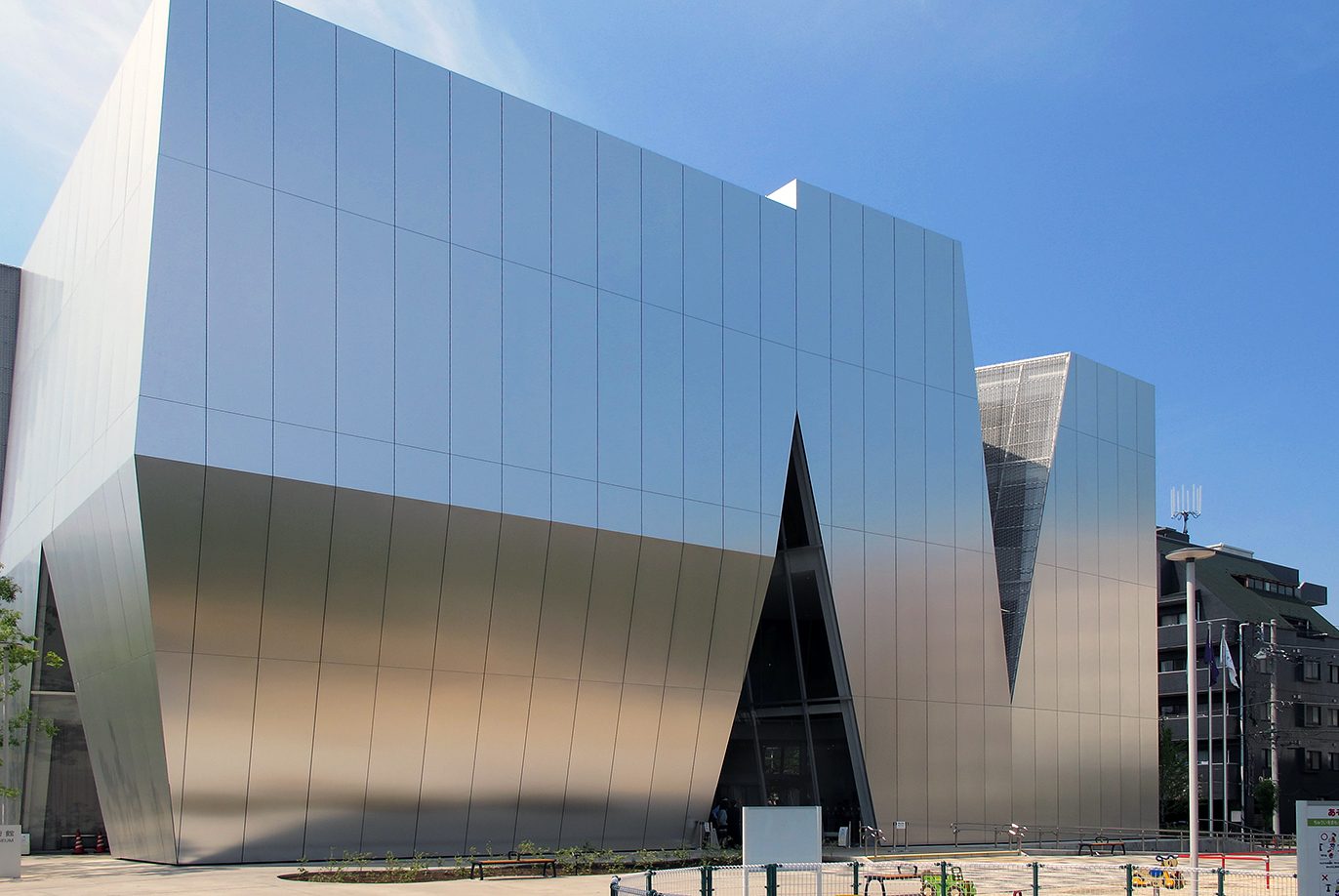
In Kamezawa, Sumida City, where Hokusai was born and grew up, the Sumida Hokusai Museum opened in 2016. Inside is a model recreating the elderly Hokusai at work painting with his daughter Oi, right down to the mess in his room.
Kabuki and the three theatres of Edo
FactIn the Edo period, three theatres held a licence from the shogunate — the Nakamura-za, Ichimura-za and Morita-za — and they were known as the "Edo Sanza" (the three theatres of Edo). A play was an all-day entertainment from morning till night, and people took packed lunches with them. The "makunouchi bento" is said to take its name from the lunch eaten between the acts (maku-no-uchi).
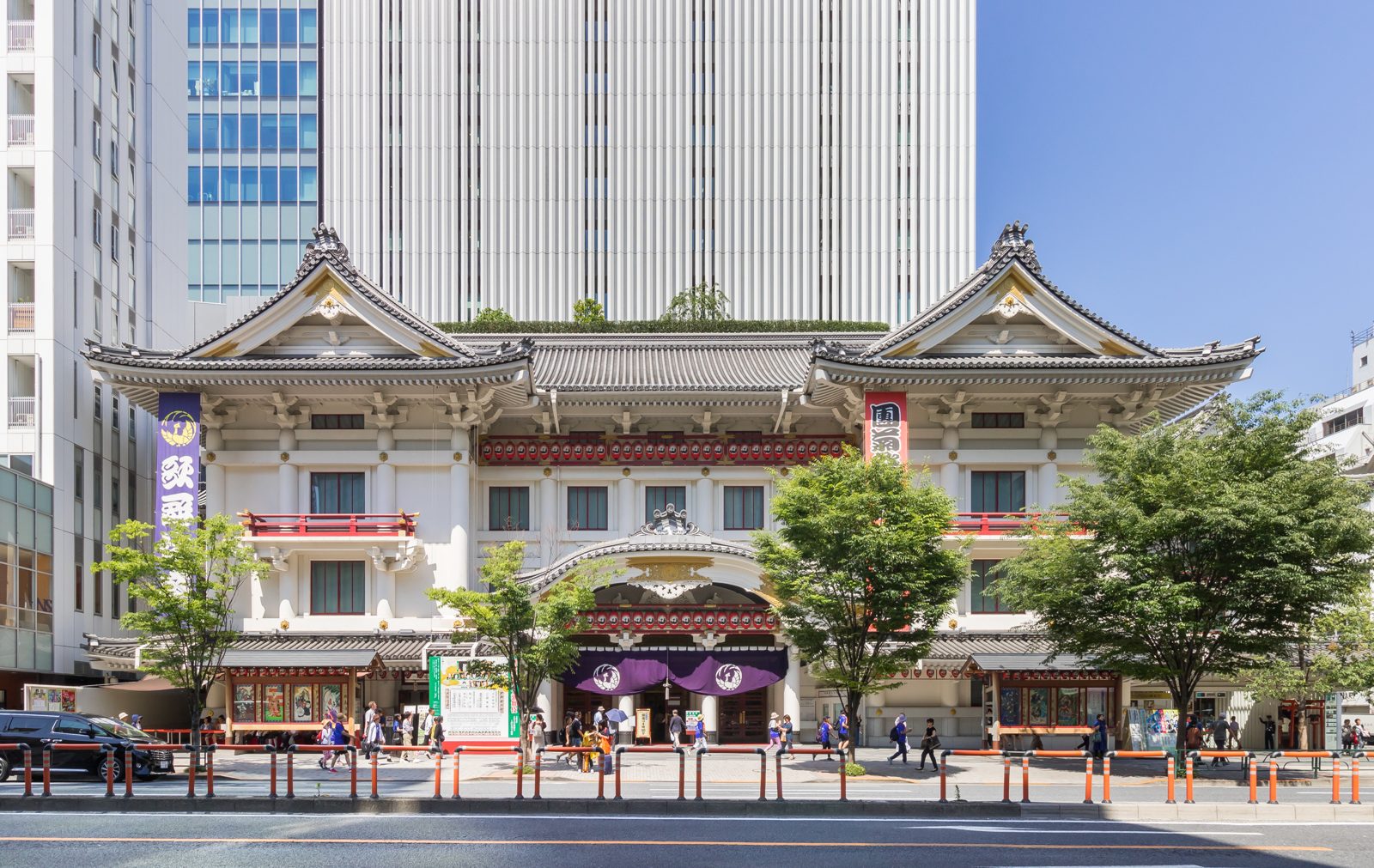
FactThe hallmark of Edo kabuki is the bold, powerful aragoto ("rough stuff") style of acting. It is said to have been started by the first Ichikawa Danjuro, and its kumadori make-up and its "mie" — a pose frozen with eyes opened wide — thrilled Edo audiences. In 1842, under the Tenpo Reforms, the three theatres were moved to Saruwaka-cho in Asakusa. Today's Kabuki-za (in Ginza) is the fifth building, rebuilt in 2013.
Yose and rakugo
FactIn Edo, rakugo — comic storytelling in which a single performer plays many roles with nothing but a fan and a hand towel — was enjoyed at yose (variety halls). In the late Edo period there are said to have been several hundred yose in the city. Even today you can hear rakugo every day at yose such as Suzumoto Engeijo in Ueno, Asakusa Engei Hall and Shinjuku Suehirotei.
"Iki" and "money that doesn't see the night through"
FactWhat the Edokko (true-born people of Edo) prized above all was iki (understated chic): being neither too showy nor frumpy, but quietly refined. "Ura-masari" — wearing a kimono plain on the outside with an elaborate pattern on the lining — is said to have been a stylish device of townspeople who were forbidden luxury. Being tactless and unrefined, by contrast, was dismissed as yabo (boorish).
Sayings such as "I don't keep money overnight" and "The Edokko is a carp streamer in May" (sharp-tongued, but empty — that is, with nothing hidden — inside) also sum up the Edokko temperament (the Life in a City of a Million room).
Main sources: Sumida Hokusai Museum / Shochiku, "History of the Kabuki-za" / Japan Sumo Association / Rakugo Kyokai