Home / Walking Tokyo
28 — WALK & READ
Walking Tokyo
Why not travel by subway, streetcar and boat to the places where the stories you have read here actually happened? The stone walls of Edo Castle, the road marker at Nihonbashi, the great lantern of Asakusa, the domes of Tokyo Station: even famous sights look completely different once you have one "look for this" point in mind.
Labels: Factdocumented Likelysupported by most sources Legendoral tradition Urban legendlocal lore and rumour
Opening hours, closing days, admission fees and ship and flight schedules may change. Please check each facility's official information before you go. At temples and shrines, please follow the etiquette for visitors.
Edo Castle and Marunouchi
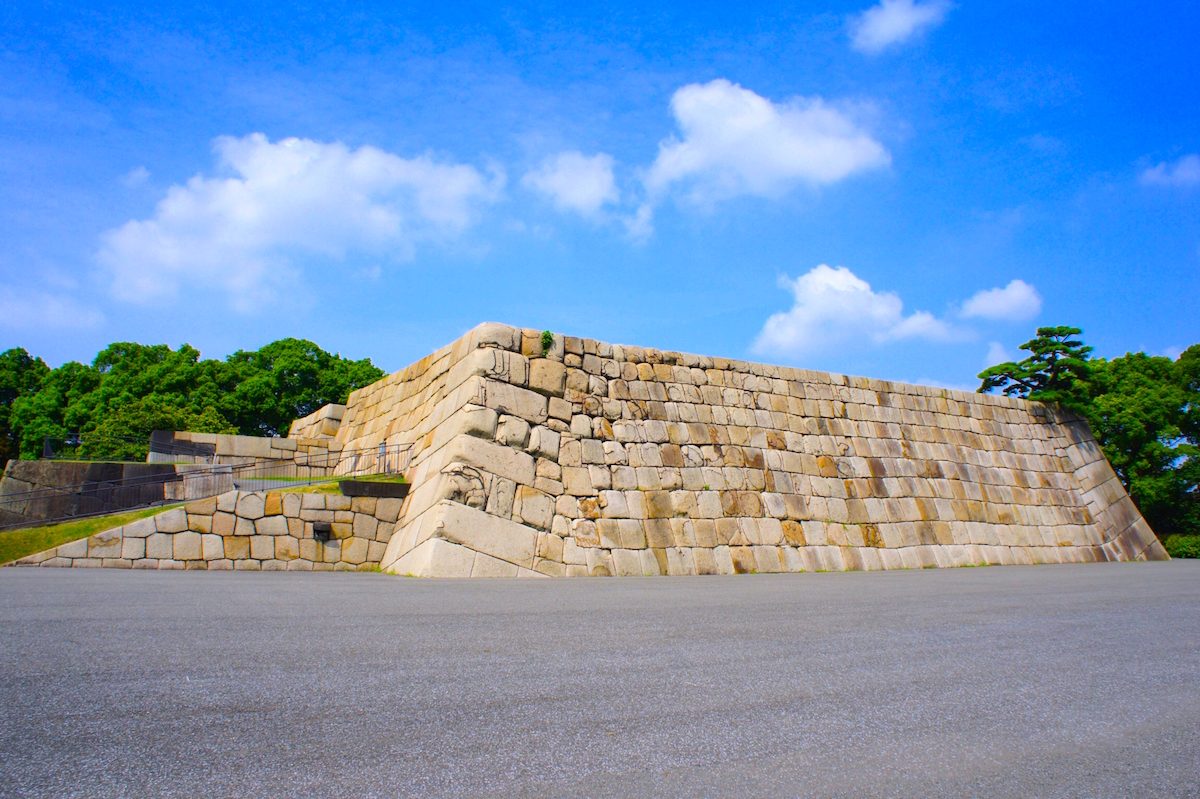
East Gardens of the Imperial Palace
The site of Edo Castle's Honmaru and Ninomaru enclosures. The keep base and guardhouses survive.
Look for this: scorch marks on the stone walls of the keep base (the Edo Castle and Imperial Palace room).
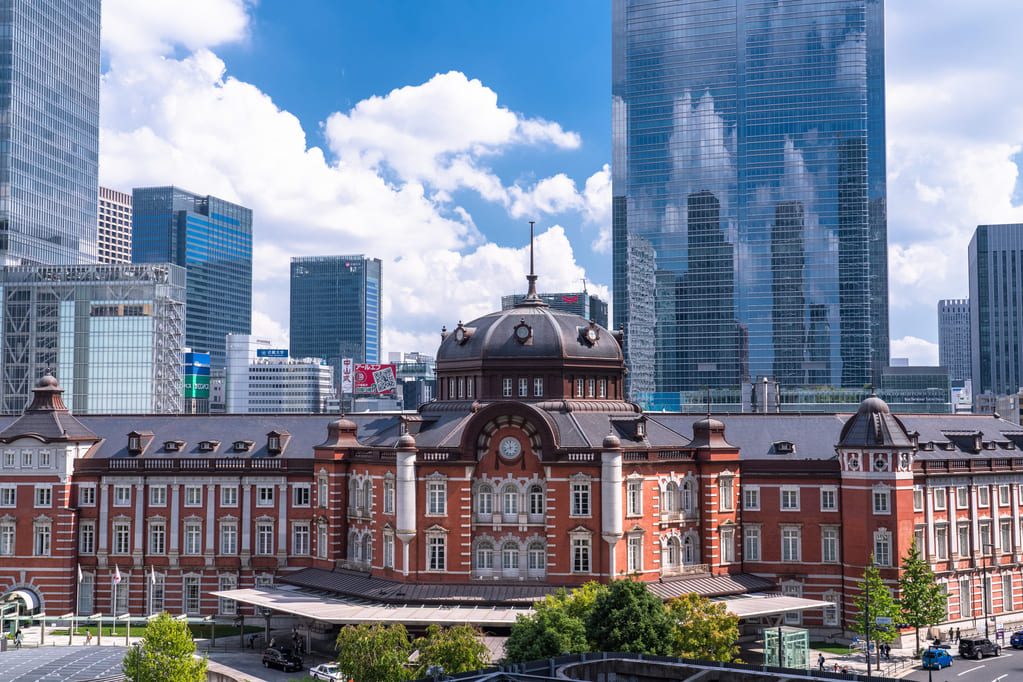
Tokyo Station Marunouchi Building
A red-brick station building opened in 1914 and restored to its original appearance in 2012.
Look for this: the eight zodiac animals on the dome ceilings (the Tokyo's Hidden Secrets room).
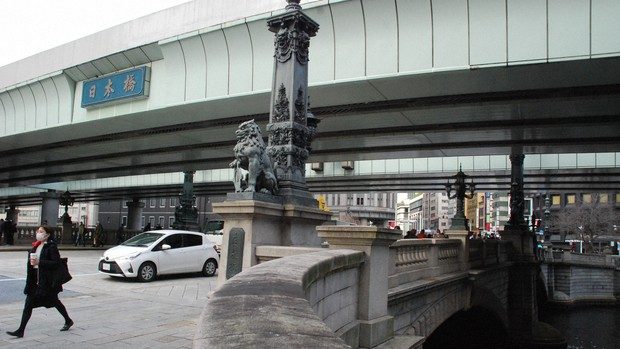
Nihonbashi
The starting point of the Five Highways, and still the starting point of Japan's national roads.
Look for this: the winged kirin and the replica of the road zero marker at the foot of the bridge (the Nihonbashi and the Five Highways room).
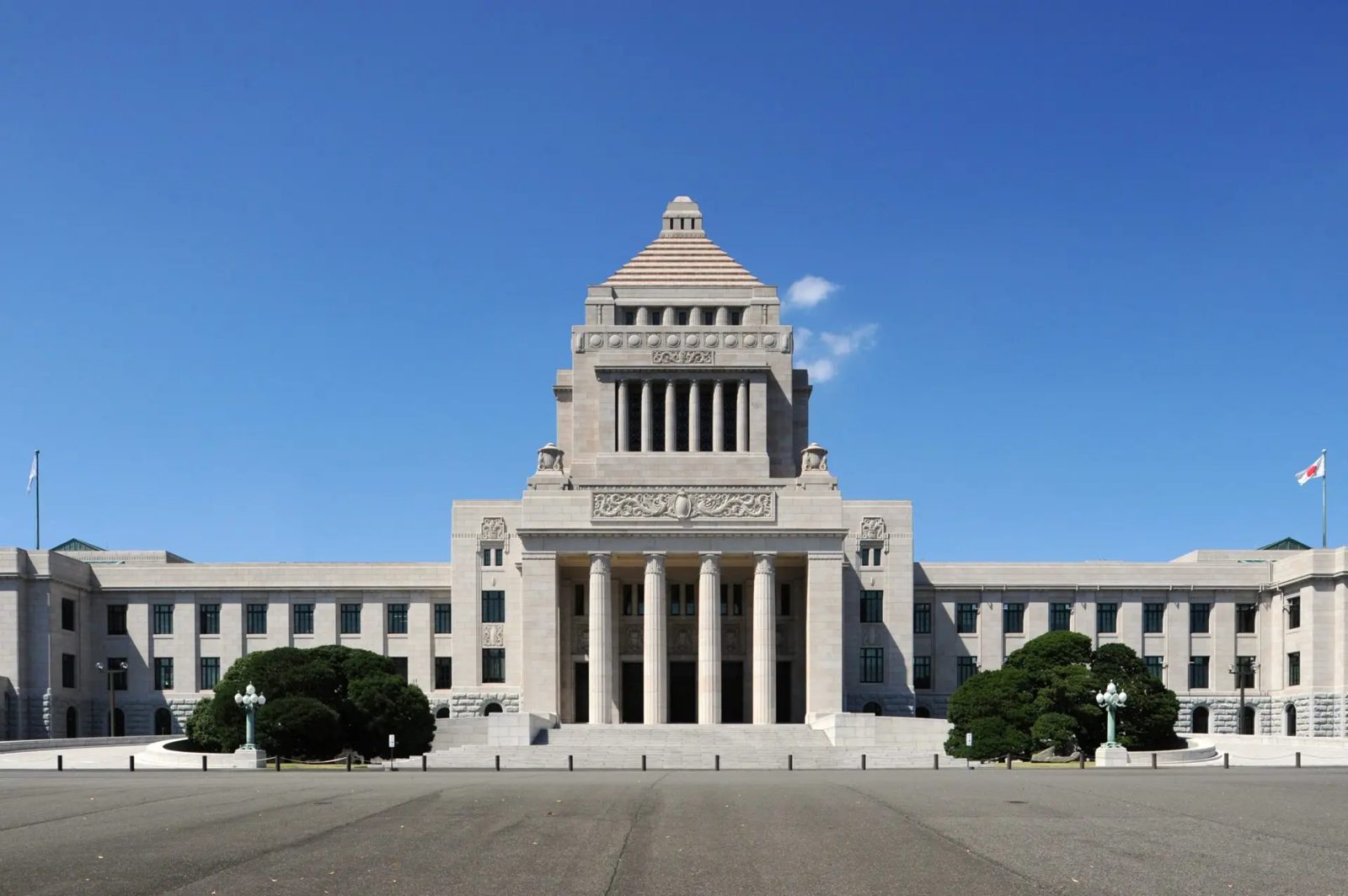
National Diet Building
Both the House of Councillors and the House of Representatives can be toured on weekdays (please check).
Look for this: the empty fourth pedestal in the Central Hall.
Asakusa, Ueno and Yanesen
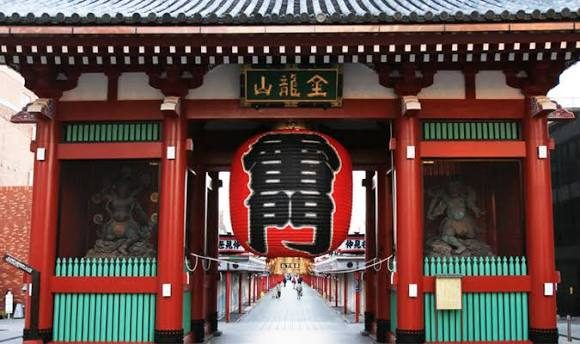
Senso-ji and Kaminarimon
Tokyo's oldest temple, said to have been founded in 628. Walk through Nakamise to the main hall.
Look for this: the dragon carved on the bottom of the great lantern (the Asakusa and Shitamachi room).
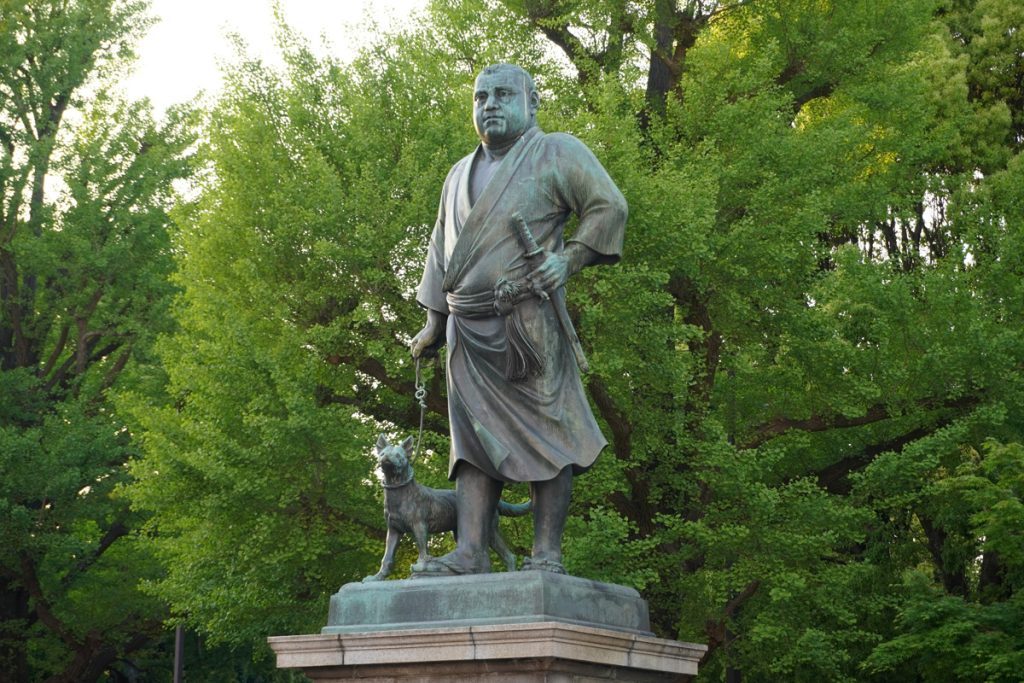
Ueno Park
A wooded park of art galleries and museums, born from the grounds of Kan'ei-ji.
Look for this: the Shogitai grave behind the Saigo statue (the Ueno room).
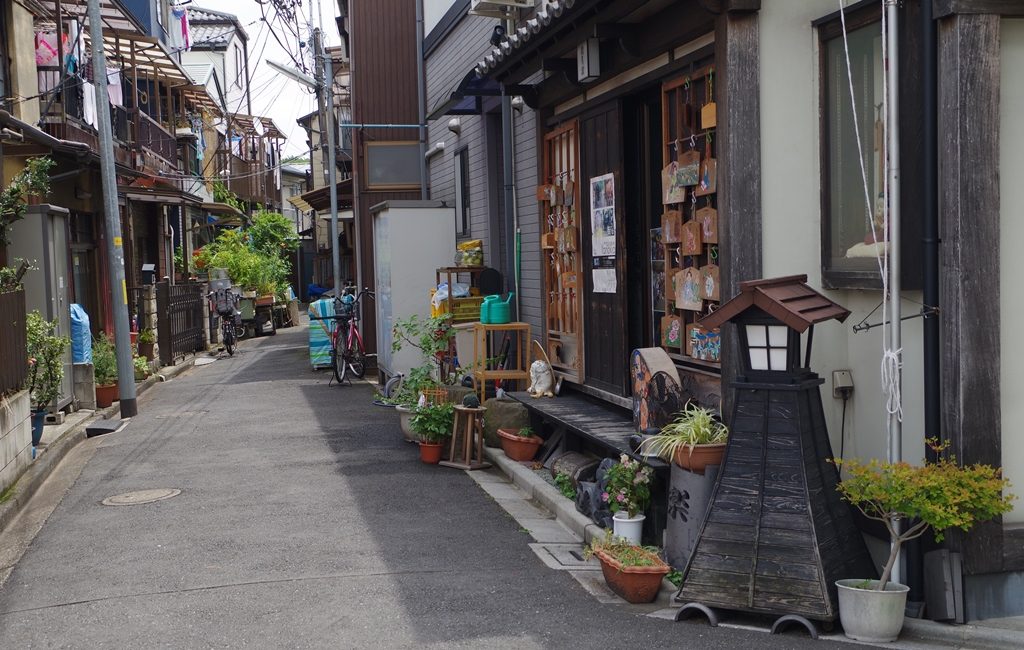
Yanaka, Nezu and Sendagi
A shitamachi (old low city) area of old temples, alleys and traditional shopping streets.
Look for this: the Yuyake Dandan steps and the Senbon Torii at Nezu Shrine (the Surprising Spots Visitors Love room).
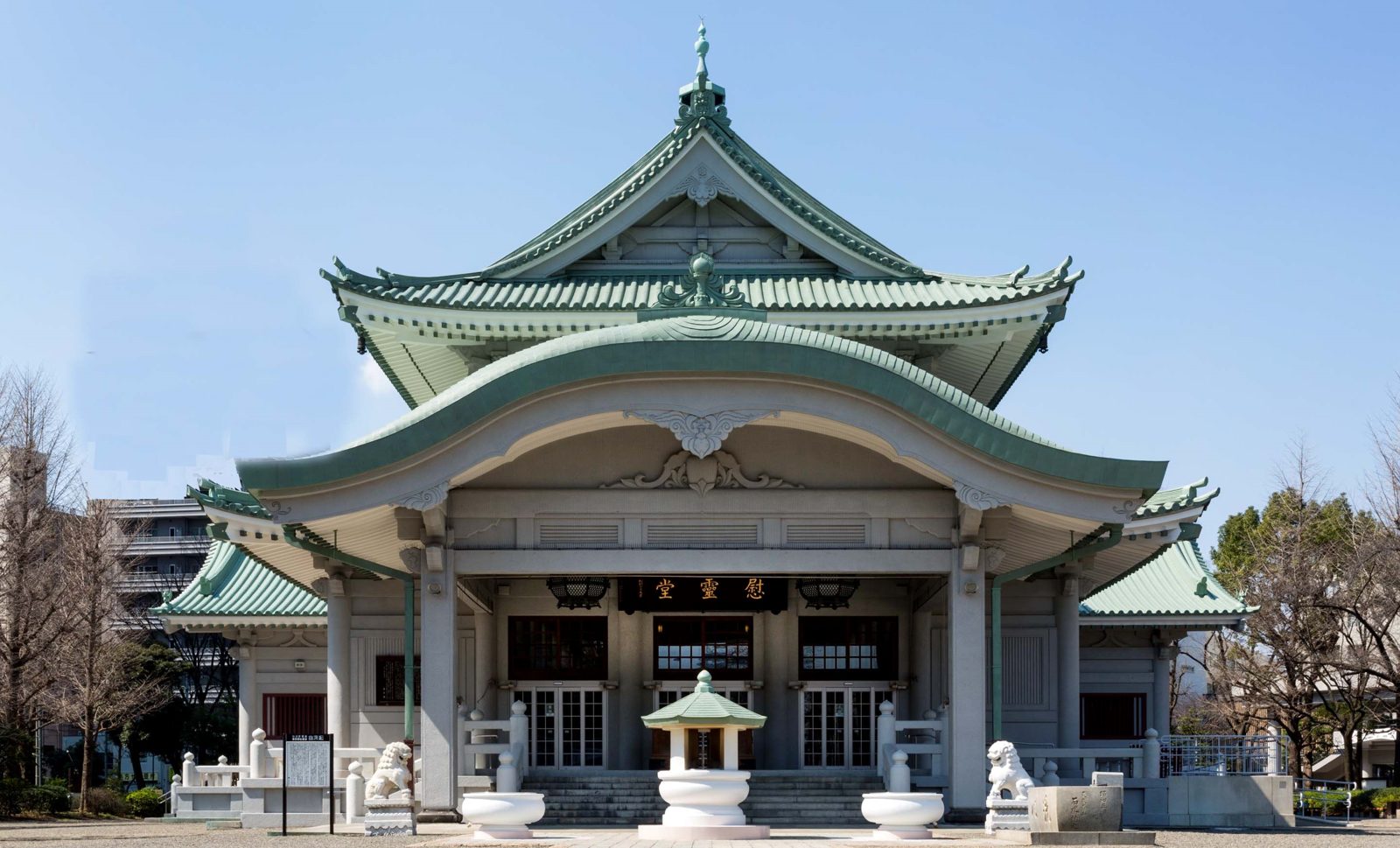
Yokoamicho Park and Ryogoku
A place of remembrance for the victims of the earthquake and the air raids. The Kokugikan sumo hall and the Hokusai Museum are close by.
Look for this: objects melted in the fires, in the Reconstruction Memorial Museum (the Great Kanto Earthquake and Firebombing room).
Shinjuku, Shibuya and the Yamanote
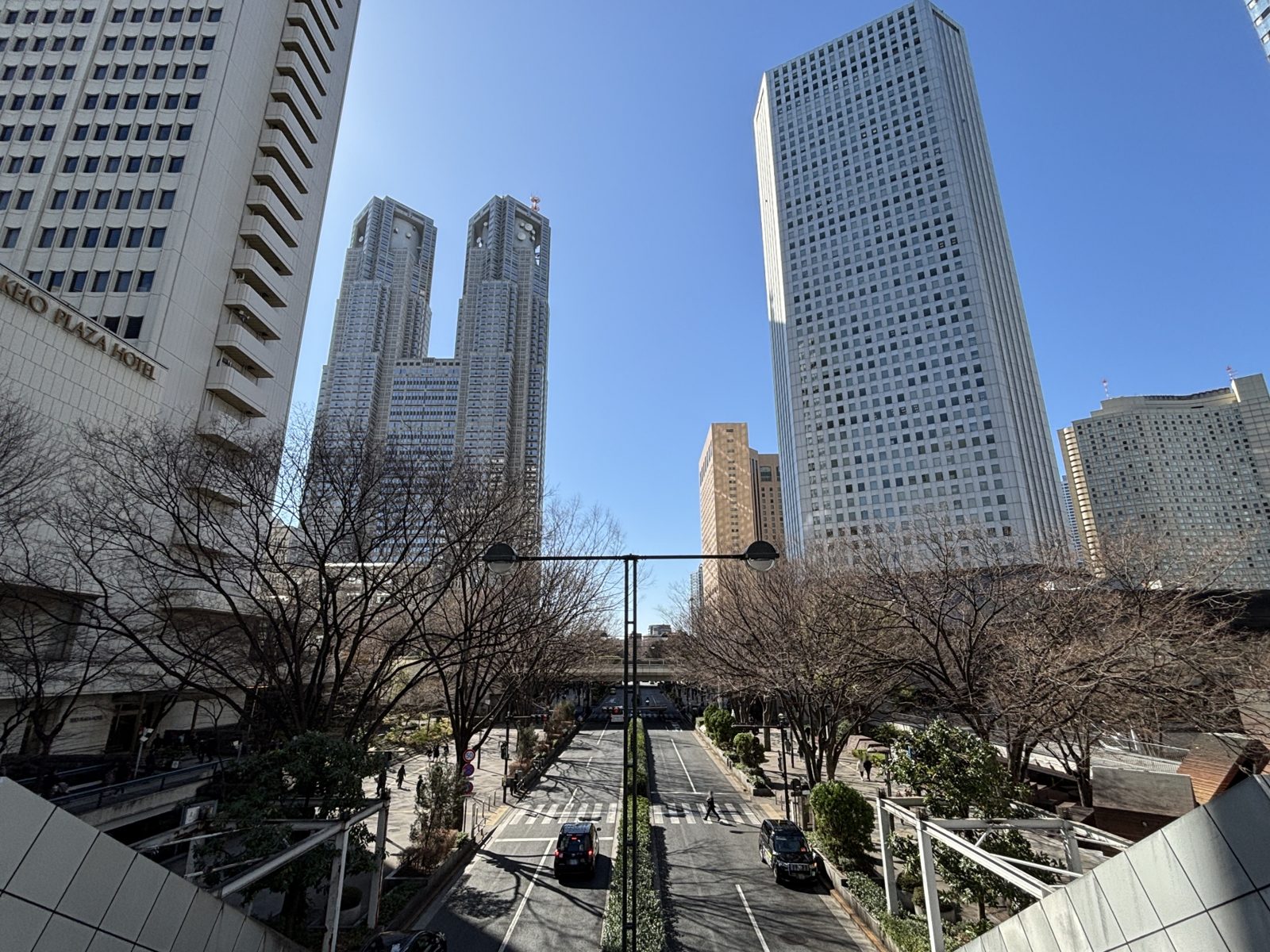
Tokyo Metropolitan Government Building observation rooms
Free observation rooms 202 metres above ground. On clear days, Mt Fuji too.
Look for this: the grid of skyscraper blocks on the site of the water plant (the Shinjuku room).
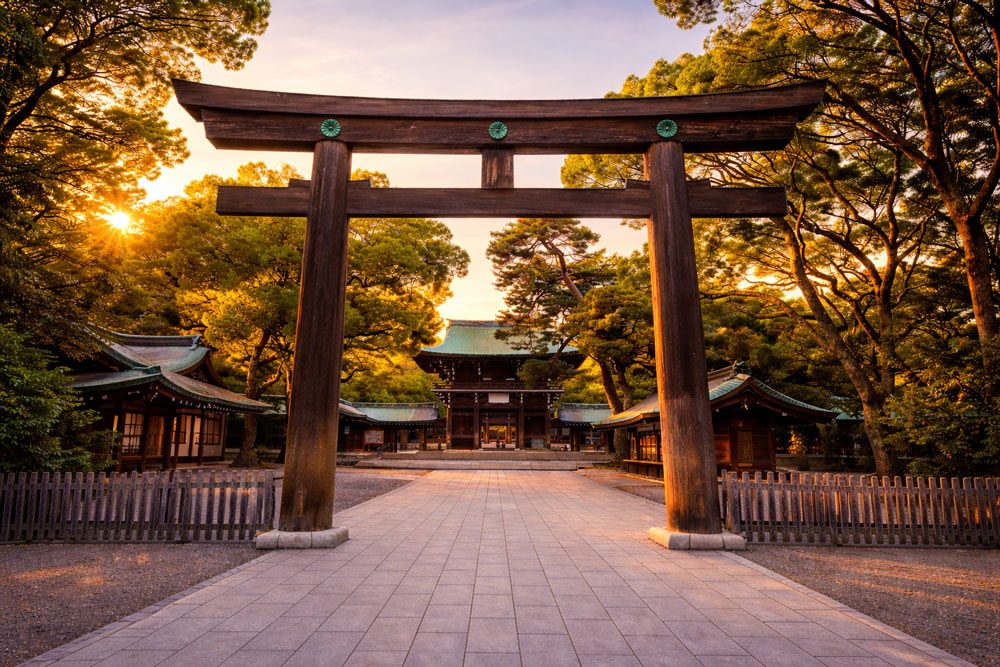
Meiji Jingu
A shrine surrounded by a forest made by people over 100 years.
Look for this: the great torii made of Taiwan cypress (the Temples, Shrines and Tokyo's Gods room).
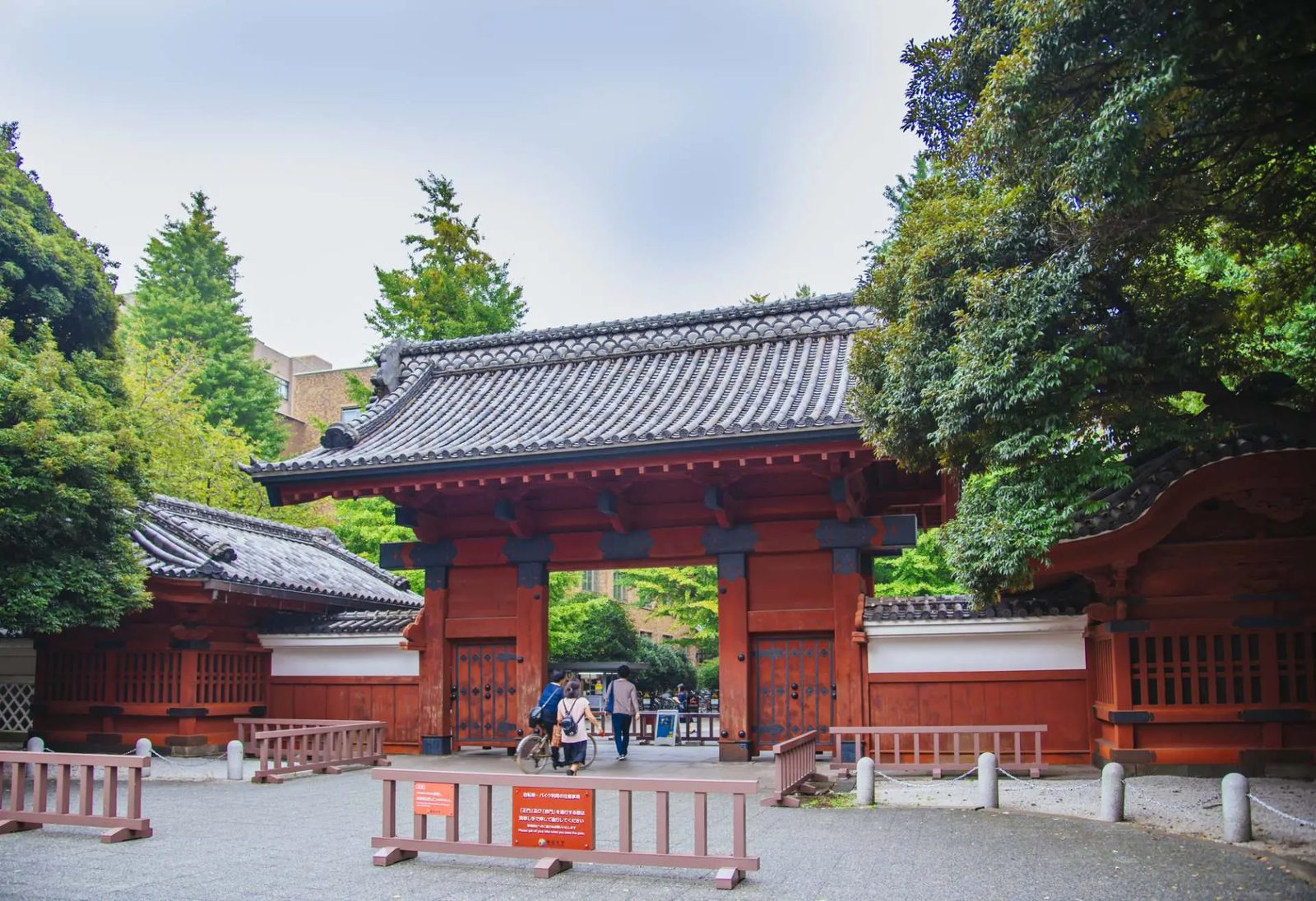
University of Tokyo: the Red Gate
The site of the upper residence of the Maeda family of the Kaga domain. You are free to stroll around the campus.
Look for this: the vermilion gate built to welcome a shogun's daughter (the Yamanote and Daimyo Estates room).
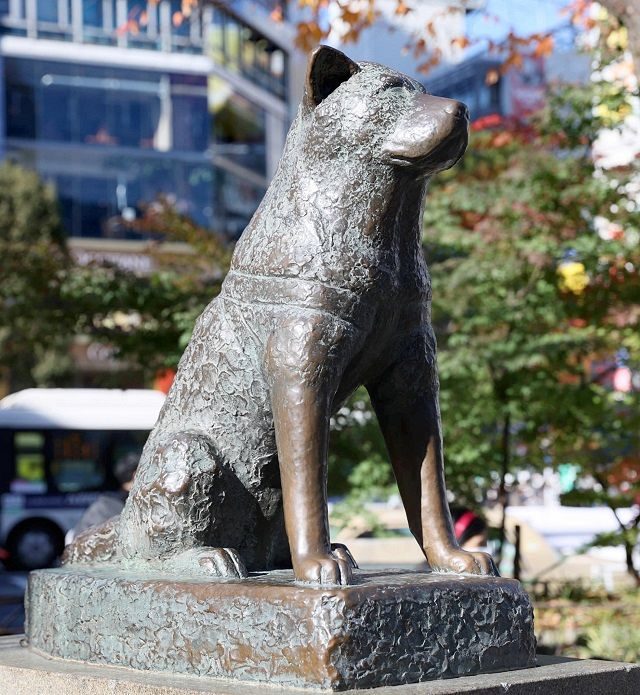
The Hachiko statue and the Scramble Crossing
The classic meeting spot, and the most famous crossing in the world.
Look for this: the "valley floor" landform, with roads sloping down from every direction (the Shibuya room).
Out to Tama and the islands
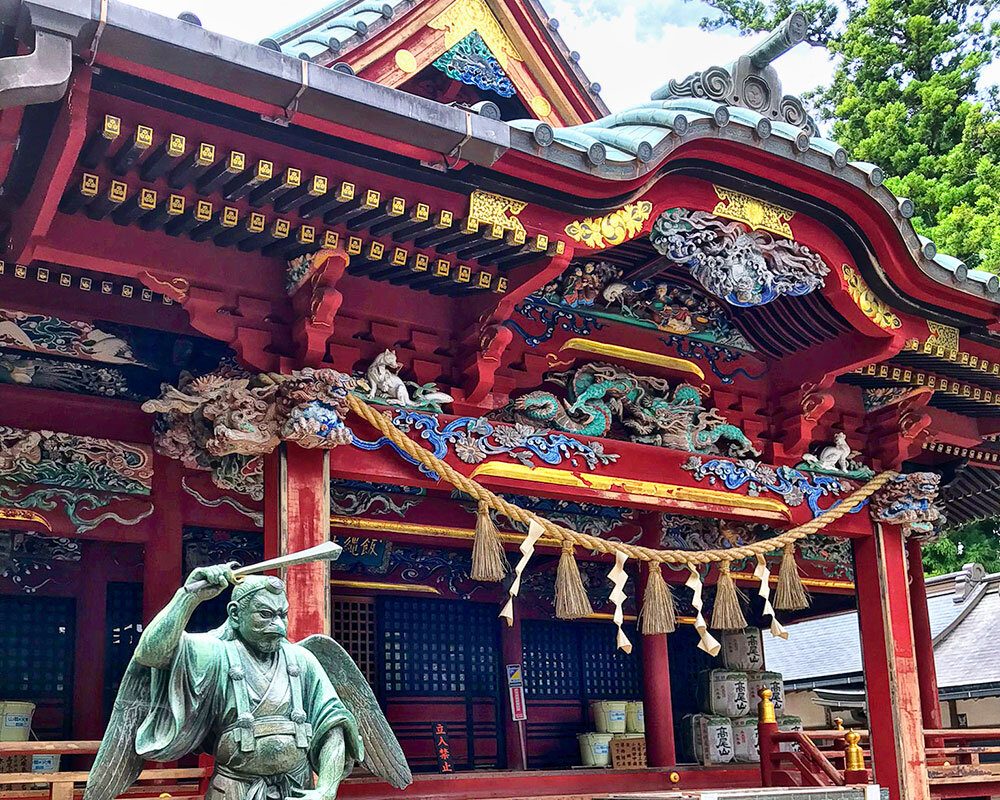
Mt Takao
About an hour by train from Shinjuku. A mountain awarded three Michelin stars.
Look for this: Mt Fuji from the summit, and the tengu (long-nosed mountain goblin) statues at Yakuoin (the Tama and Musashino room).
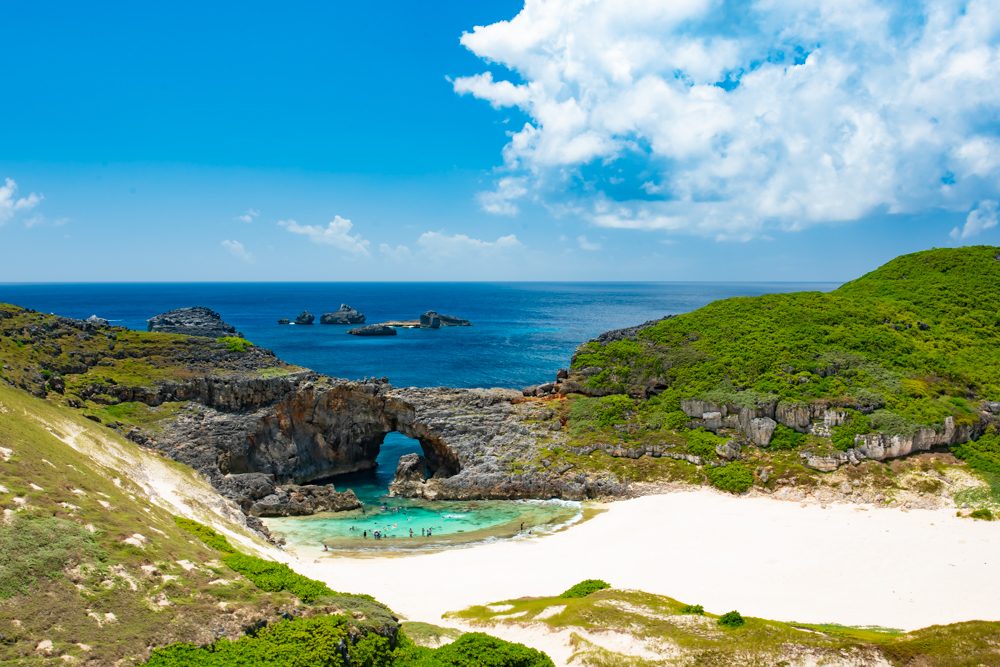
Ogasawara Islands
About 24 hours by ship from Takeshiba Pier. Islands inscribed as a World Natural Heritage site.
Look for this: the church and cemetery on Chichijima that tell the history of the islanders of Western descent (the Izu and Ogasawara Islands room).
How to plan your route
On day one, walk "the heart of Edo": East Gardens of the Imperial Palace → Tokyo Station → Nihonbashi → Ginza. On day two, head into the shitamachi: Asakusa → Ueno → Yanesen. On day three, see modern and contemporary Tokyo: Meiji Jingu → Shibuya → Shinjuku. If you have time, add Mt Takao, or take a ship out to the islands. The subway is the easiest way to get around the city, and a one-day pass saves money.