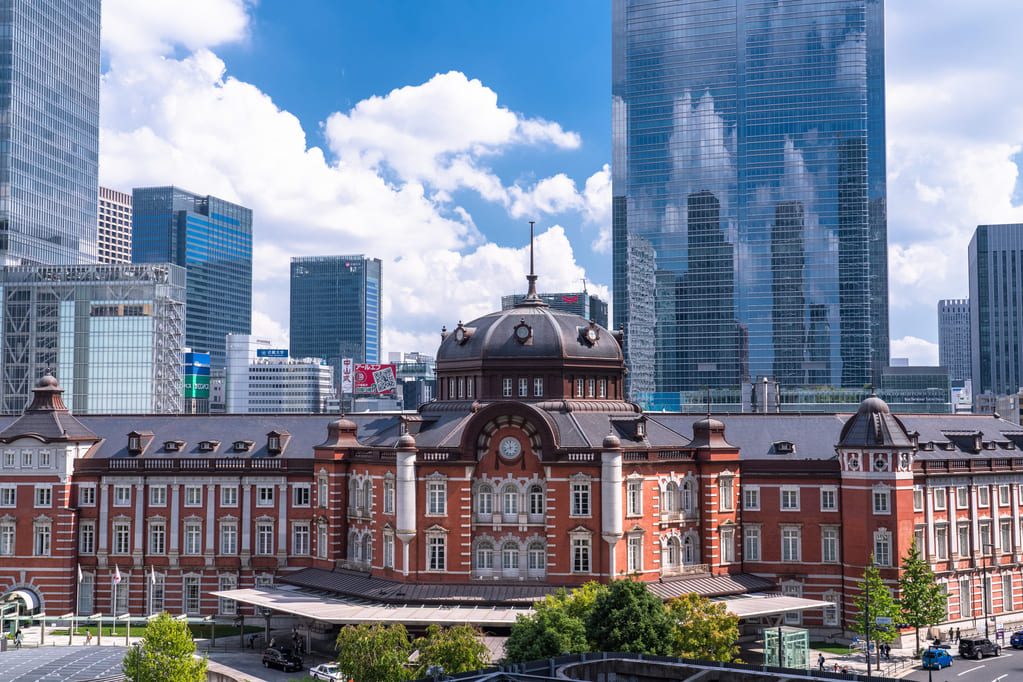
TOKYO
From a quiet inlet
to the world's largest city.
It was in 1457 that Ota Dokan built a castle beside an inlet tangled with sea and marshland. Then Tokugawa Ieyasu arrived, Edo grew into a great city of a million people, and in the Meiji era it changed its name to "Tokyo." Twice this capital has risen from scorched ruins, and everywhere in it lie the origins of place names, secrets hidden underfoot and urban legends that are still told today. This site traces the "whys" of Tokyo that guidebooks leave out, marking clearly where history ends and legend begins.
FOUR KEYS
Four keys to understanding Tokyo
Almost everything that happened in this city connects back to one of these four.
Uplands, lowlands and the sea
To the west of Tokyo spreads the Musashino Plateau; to the east lie lowlands built up from sediment carried by rivers. The uplands were the "Yamanote," home to samurai estates, and the lowlands were the "Shitamachi," the townspeople's quarter. And for more than 400 years, Tokyo has grown by filling in the sea.
The shogun's castle town
In Edo, daimyo estates, temples and shrines, and the townspeople's districts were laid out in a spiral around Edo Castle. Many of today's Tokyo roads and place names, and many of its universities and parks, have inherited the skeleton of this castle town just as it was.
Burned, and reborn
The Great Meireki Fire, the Great Kanto Earthquake, the Great Tokyo Air Raid. Again and again Tokyo was reduced to scorched ruins, and each time it built a new city. The rebuilding after each disaster has shaped the Tokyo we see today.
A Tokyo that reaches the islands
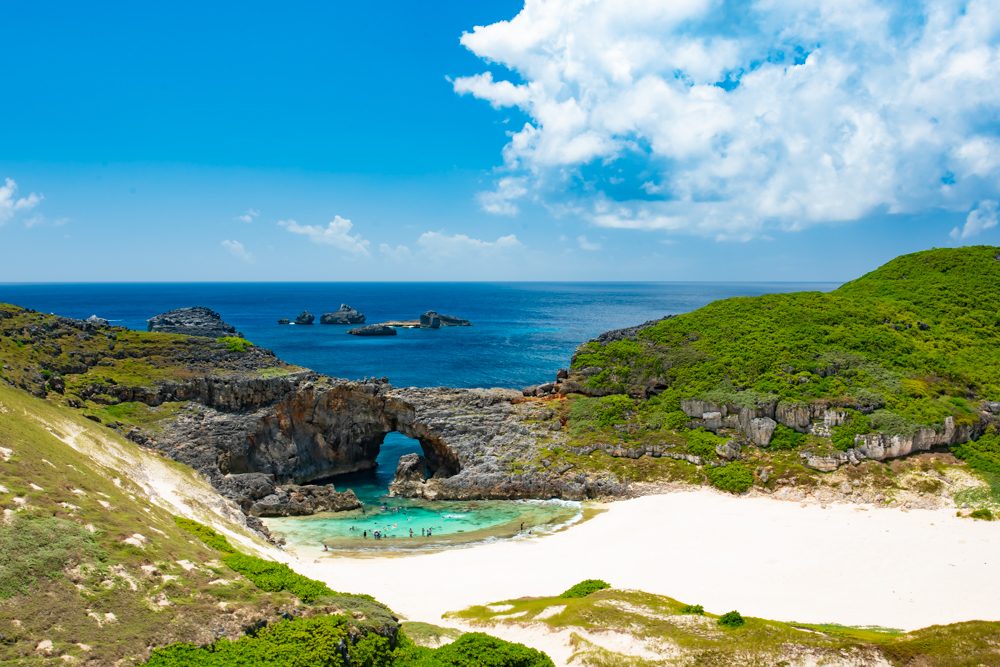
Tokyo Metropolis is not just the 23 wards. To the west lies Tama, with its mountains and gorges; to the south, the Izu Islands and the Ogasawara Islands, 1,000 kilometres away. Even Japan's easternmost and southernmost islands belong to Tokyo.
WHY HERE?
Why this inlet?
At the end of the Warring States period, the area right in front of today's Imperial Palace was sea: the Hibiya inlet. To the east of the inlet jutted a peninsula called "Edo-maejima," and marshland spread across the mouths of the Sumida and Tone rivers. One theory holds that "Edo" means "the entrance to the inlet."
Yet the land had one great strength. Behind it lay the broad Kanto Plain; by river, goods from the interior could be gathered here, and by sea it was linked to the whole country. Tokugawa Ieyasu saw the value of this crossroads of water transport. He levelled hills to fill in the inlet, dug canals and went on to build a giant castle town.
BUTTERFLY EFFECT
Small events that shaped the city today
A single event can ripple out in unexpected directions. Tokyo has more than a few of these "butterfly effects."
30 ROOMS
Thirty rooms into Tokyo
Start wherever you like. Read from the top, and the rooms join into a single story — how a village on an inlet became Edo, then Tokyo, and grew from burned-out ruins into one of the world's great cities.
Edo, a Village on an Inlet
Was Edo really a sleepy village before Ieyasu came?
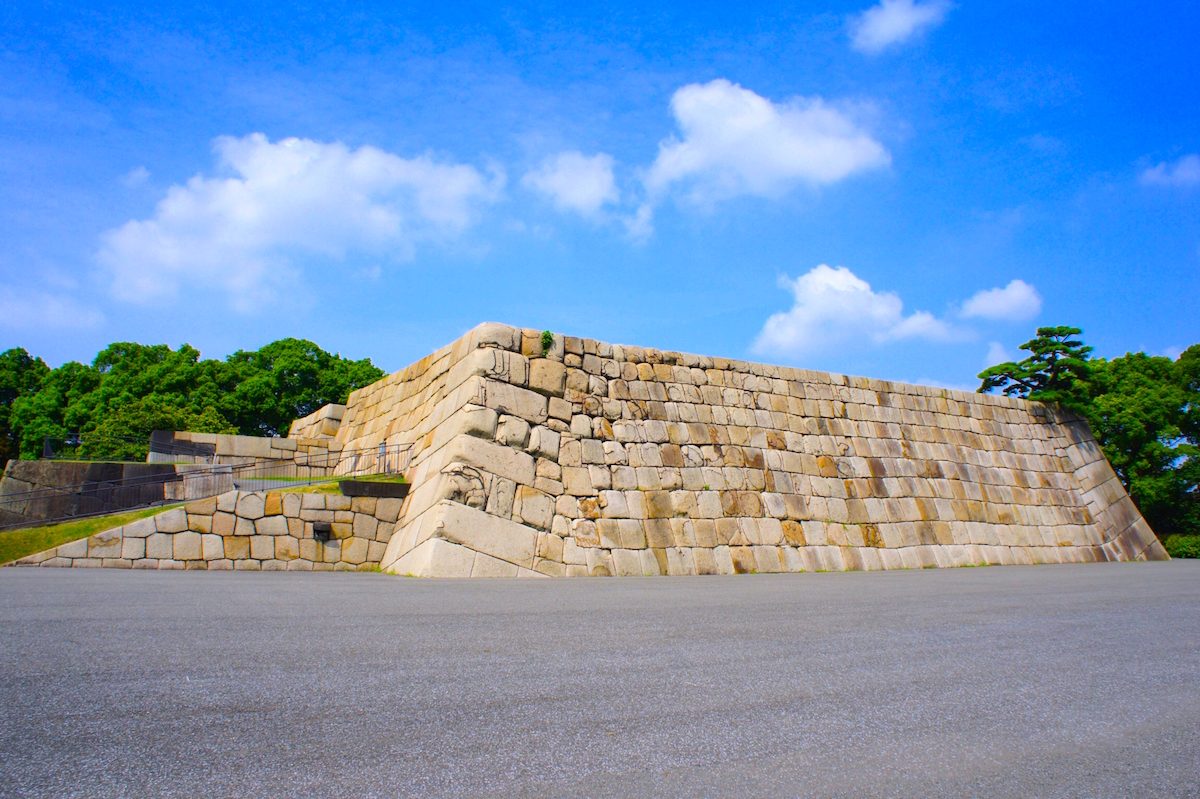
Read →Edo Castle and the Imperial Palace
Japan's largest castle, and why it lost its keep.
Read →Life in a City of a Million
A great city of fires, aqueducts and row houses.
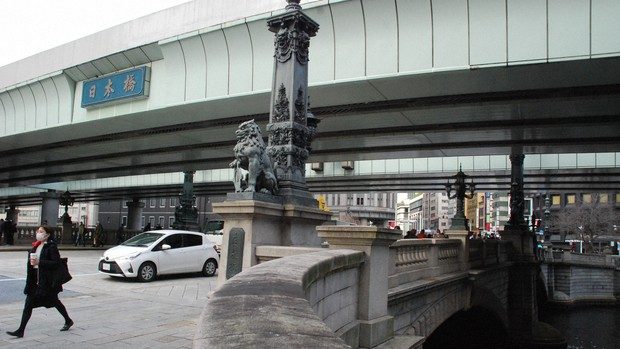
Read →Nihonbashi and the Five Highways
Every road in Japan is measured from this bridge.
Read →Reclaimed Land and Tokyo Bay
Marunouchi and Ginza were once under the sea.
Read →Rivers, Moats and Buried Streams
The 'little brook in spring' flowed through Shibuya.
Read →Place-Name Trivia
There's no silver in Ginza. Ebisu is named after a beer.
Read →Tokyo's Hidden Secrets
An empty pedestal in the Diet and a ghost subway platform.
Read →From Edo to Tokyo
Edo was handed over without a battle.
Read →Civilisation and Enlightenment
Gas lamps, brick streets and a twelve-storey tower.
Read →Tokyo by Rail
The world's busiest station and the Yamanote Line's real name.
Read →The Great Kanto Earthquake and the Firebombing
Twice in about twenty years, Tokyo burned to the ground.
Read →From the Ashes to the Olympics
In 1964, just 19 years on, Tokyo took the world stage.
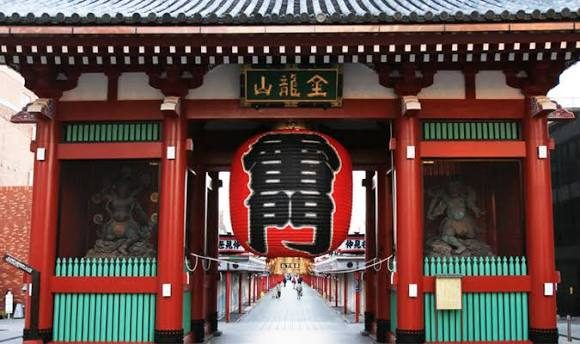
Read →Asakusa, Shitamachi and the Sumida
A town that began with a statue caught in a fishing net.
Read →Ueno: Kan'ei-ji and Saigo
Ueno Park was once the grounds of a temple guarding Edo.
Read →The Yamanote and the Daimyo Estates
The University of Tokyo's Red Gate was built for a princess.
Read →Shinjuku: From Post Town to Skyscrapers
The skyscraper district stands on an old water-purification plant.
Read →Shibuya: A Town in a Valley
Shibuya really does sit at the bottom of a valley.
Read →Akihabara: From Electric Town to Otaku Mecca
A firebreak field became the world's 'Akiba'.
Read →Tama and Musashino
Tama was moved from Kanagawa to Tokyo to protect the water supply.
Read →The Izu and Ogasawara Islands
24 hours by ship, and still in Tokyo.
Read →Temples, Shrines and Tokyo's Gods
Meiji Jingu's forest was planted by people over 100 years.
Read →Festivals and the Seasons
Edo people told the seasons by their festivals and fairs.
Read →Cherry Blossoms in Tokyo
The Somei-yoshino cherry was born in a Tokyo nursery village.
Read →The Taste of Edo-mae
Sushi, tempura and soba were Edo's fast food.
Read →Edo Chic and the Performing Arts
Hokusai, kabuki, rakugo: Edo was a capital of popular culture.
Read →Urban Legends and Ghost Stories
Masakado's head, Edo's demon gate and the real Oiwa.
Read →Surprising Spots Visitors Love
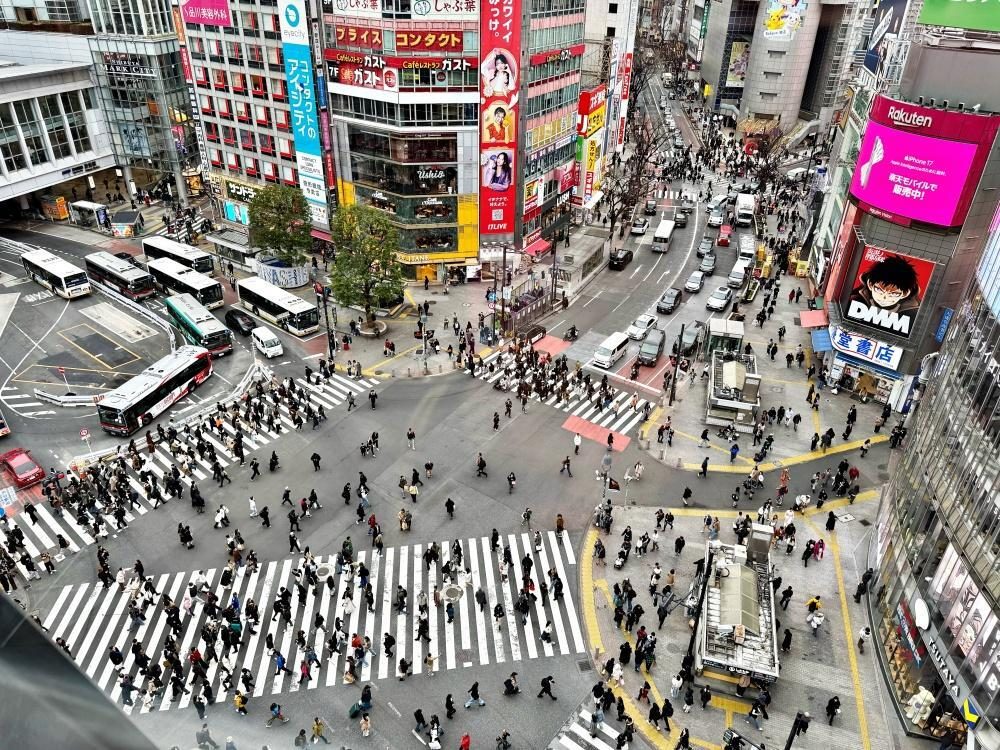
Why the whole world gathers at one crossing.
Read →Walking Tokyo
Subways, streetcars and ferries to where the stories happened.
Read →Further Reading
From life in Edo to the burned-out city.
Read →START HERE
Three places to begin
LOCAL COMMON SENSE
"Common sense" to Tokyo people
Things that surprise visitors a little, but that locals take completely for granted.
- Stand on the left of the escalatorIn Tokyo, it has long been the custom to stand on the left side of the escalator and leave the right side clear — the opposite of Osaka. These days, though, people are asked to stand in two rows and not walk, for safety.
- "Yamanote-sen," not "Yamate-sen"For a time the Yamanote Line was called the "Yamate-sen," but from around 1971 the reading was standardised as "Yamanote-sen."
- Shitamachi and YamanoteThe low-lying east is the "Shitamachi" (the old downtown); the upland west is the "Yamanote" (the hilly uptown). The difference in terrain has also shaped differences in the character and speech of each area.
- "On the … Line," not "in … Ward"When explaining where they live, people often name the railway line they use — "on the Chuo Line," "on the Toyoko Line" — rather than the name of their ward.
- Tokyo-born, a minority?People come to Tokyo from all over Japan. In fact, not many people have families who have lived in Tokyo since their parents' generation.
- The islands are Tokyo tooCars on the Izu and Ogasawara Islands carry "Shinagawa" number plates. Islands 1,000 kilometres away are every bit a part of Tokyo Metropolis.
TIMELINE
A timeline of Tokyo
The beginnings of Senso-ji
The temple is said to have begun with the enshrining of a Kannon statue caught in a fisherman's net in the Sumida River.
Ota Dokan builds Edo Castle
The first Edo Castle is built on a plateau overlooking the inlet.
Tokugawa Ieyasu enters Edo
Moved to the Kanto region on the orders of Toyotomi Hideyoshi, Ieyasu makes Edo his base.
The Edo shogunate and Nihonbashi
Ieyasu becomes shogun, and Nihonbashi bridge is built.
The Great Meireki Fire
Most of Edo burns, and Edo Castle loses its keep.
From Edo to Tokyo
Edo Castle is surrendered without bloodshed, and in July Edo is renamed "Tokyo."
The railway opens
Japan's first railway runs between Shinbashi and Yokohama.
The Great Kanto Earthquake
On 1 September, a great earthquake and the fires that followed claimed more than 100,000 lives.
The Great Tokyo Air Raid
In the air raid of 10 March, about 100,000 people died in a single night.
The Tokyo Olympics
With the Metropolitan Expressway and the Tokaido Shinkansen in place, Tokyo steps onto the world stage.
The return of the Ogasawara Islands
The Ogasawara Islands, under US administration, are returned to Japan.
Tokyo Skytree opens
A 634-metre broadcasting tower is completed, its height a play on "Musashi" (6-3-4), the old name of the province.
The second Tokyo Olympics
After a one-year postponement, the 2020 Games are held.
Labels: Factdocumented Likelysupported by most sources Legendoral tradition Urban legendlocal lore and rumour