
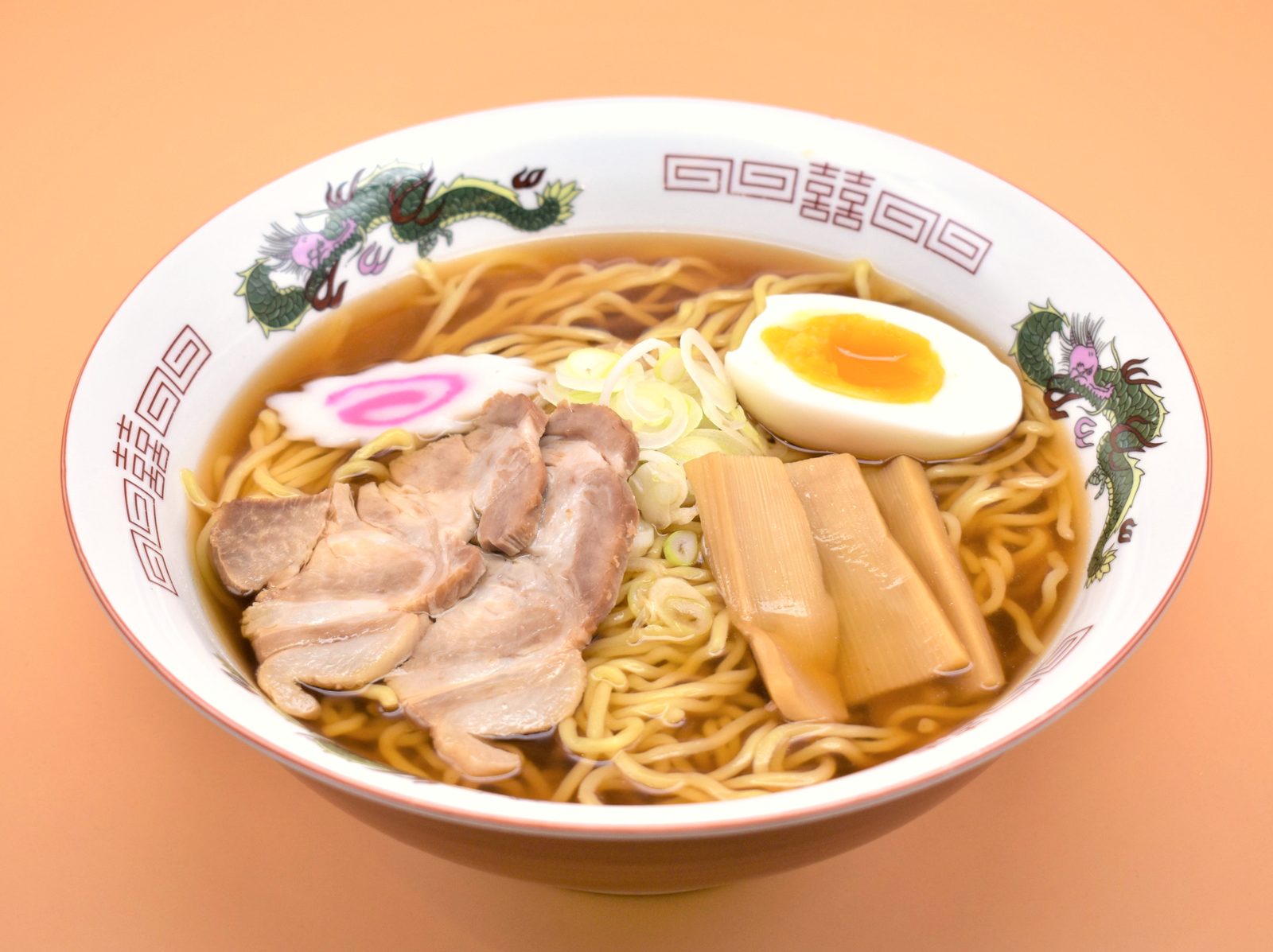
It began as a noodle soup served in the Chinatowns of Japan's port cities. It grew up at street stalls among the ruins of war, entered the home through an invention that needed only hot water and two minutes, and eventually crossed the sea to become the world's "RAMEN."
For 150 years, ramen has held a mirror to everyday life in Japan, one bowl at a time.
When and where did ramen come from? Why does it taste different from town to town? How big is the market, and how is it eaten around the world? Is it good for you? Across 10 chapters, this feature reads ramen through its history, its types, its numbers, its global reach, its health effects, and its strengths and weaknesses. Be sure to see the "Field Guide to Ramen Types," which lists the types at a glance, and "How to Eat Ramen," a guide for anyone walking into a Japanese ramen shop for the first time.
Contents
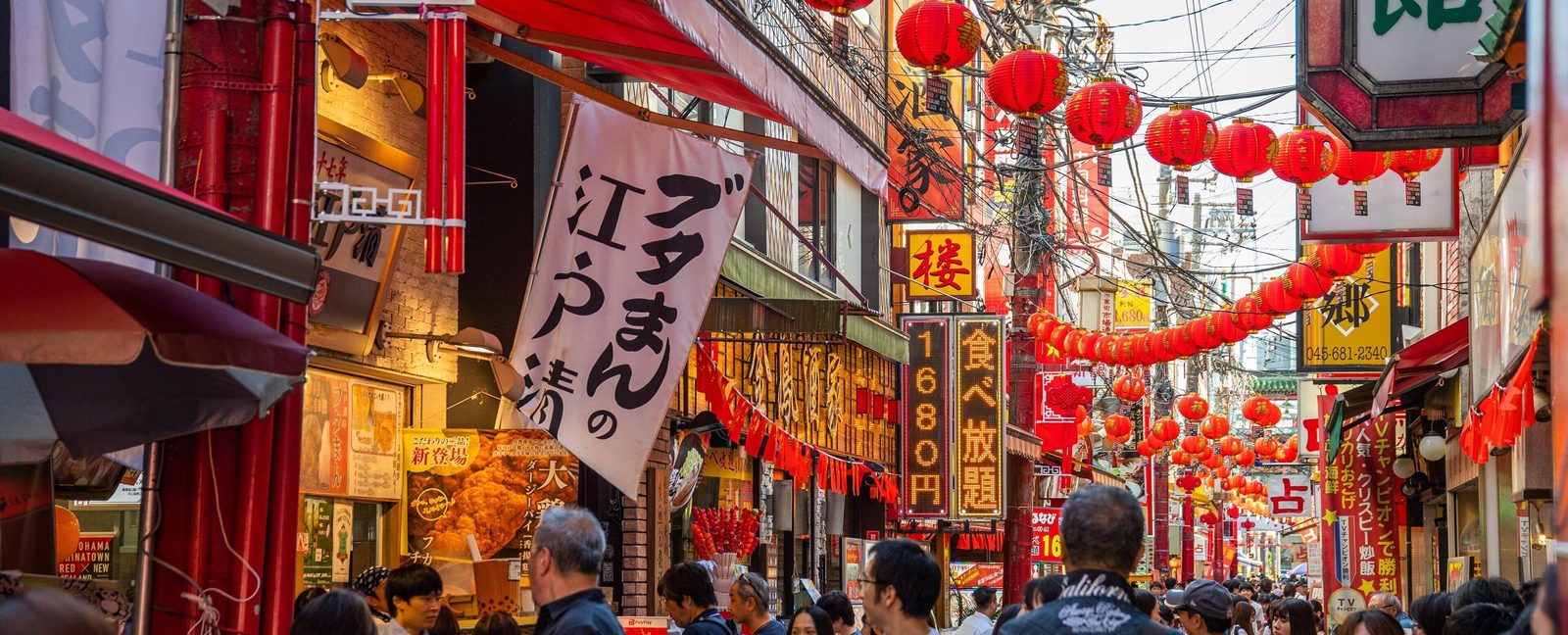 Chapter 1Noodles of the ChinatownsMuromachi Period to Taisho Era · Kyoto, Yokohama, Hakodate, AsakusaKeitaimen in the Muromachi period, "Nankin soba" in the Chinatowns of newly opened ports, and "Shina soba" at Rairaiken in Asakusa. How ramen took root in Japan.
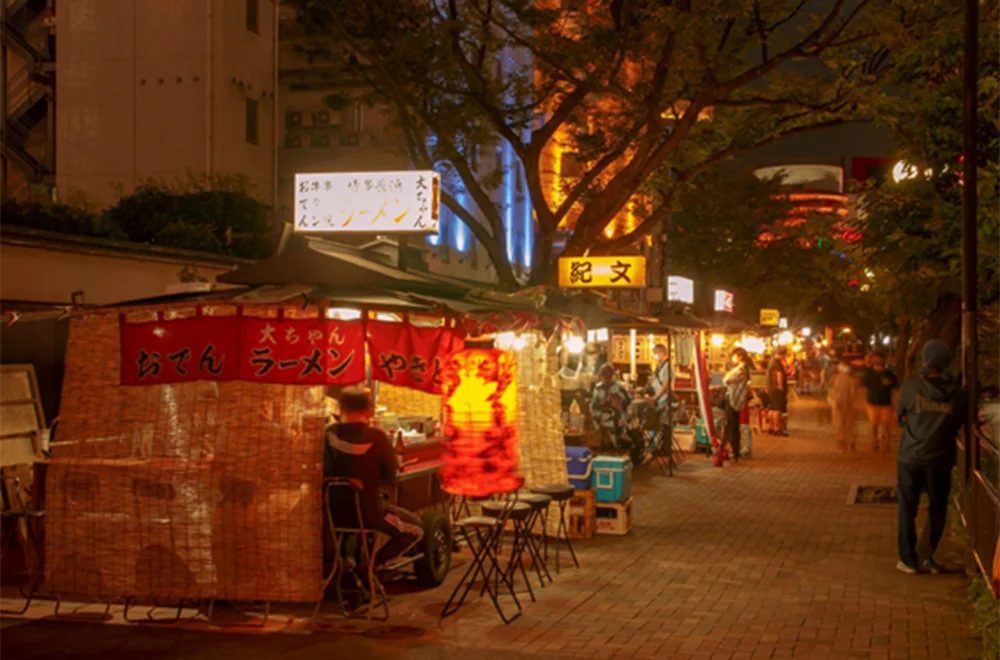 Chapter 2Street Stalls in the RuinsMid-1940s to 1960s · Black Markets, Repatriation, WheatBlack market stalls, wheat from America, and returnees from the continent. Amid the ruins, ramen grows into a national dish.
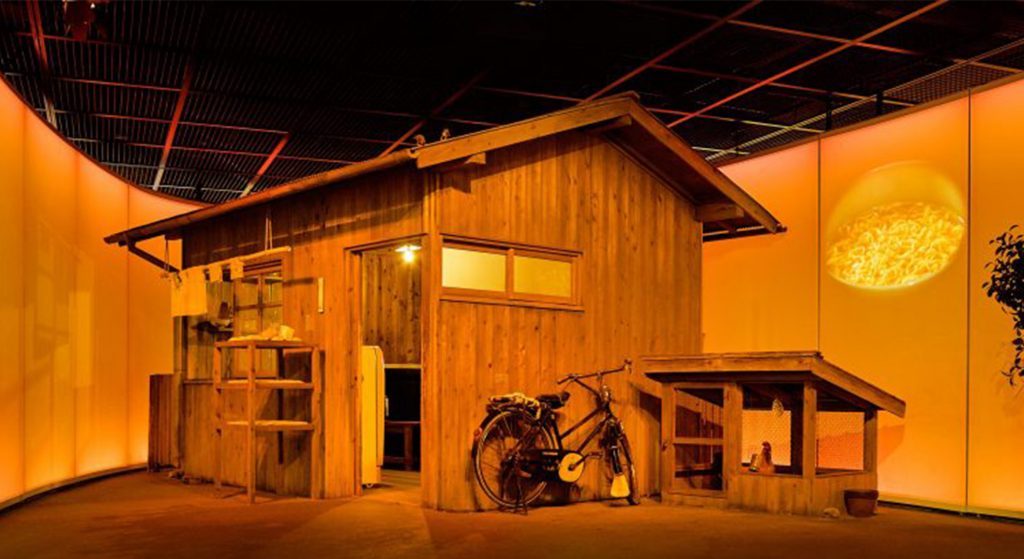 Chapter 3Just Add Hot Water and Wait Two Minutes1958 to the Present · From Ikeda, Osaka, to the WorldTaiwan-born Momofuku Ando invents Chicken Ramen and Cup Noodle, opening a world of 124 billion servings a year.
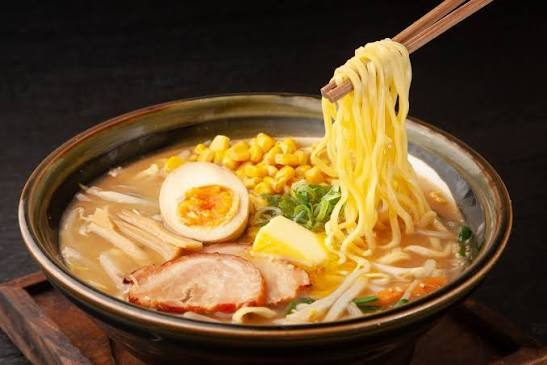 Chapter 4A Bowl for Every TownTaisho Era to Heisei Era · From Hokkaido to KyushuMiso in Sapporo, breakfast ramen in Kitakata, cloudy tonkotsu in Kurume, hayazushi in Wakayama. From north to south, a bowl for every town.
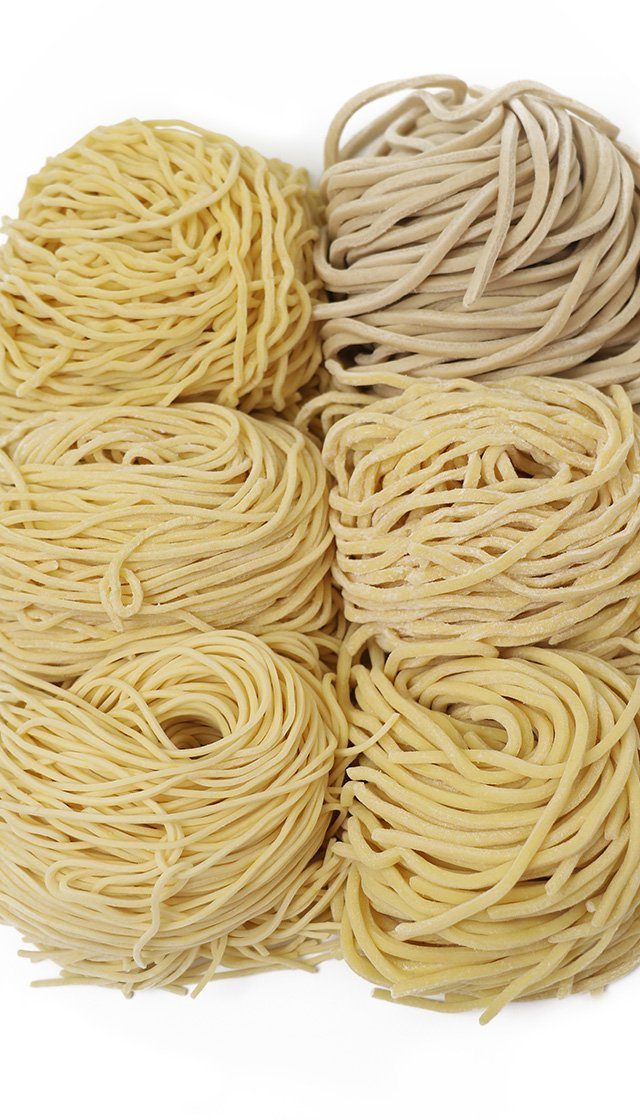 Chapter 5Anatomy of a BowlBroth, Tare, Noodles, Aroma Oil, ToppingsBroth, tare, noodles, aroma oil and toppings. Unpacking clear and cloudy broths, umami synergy, kansui and hydration ratios.
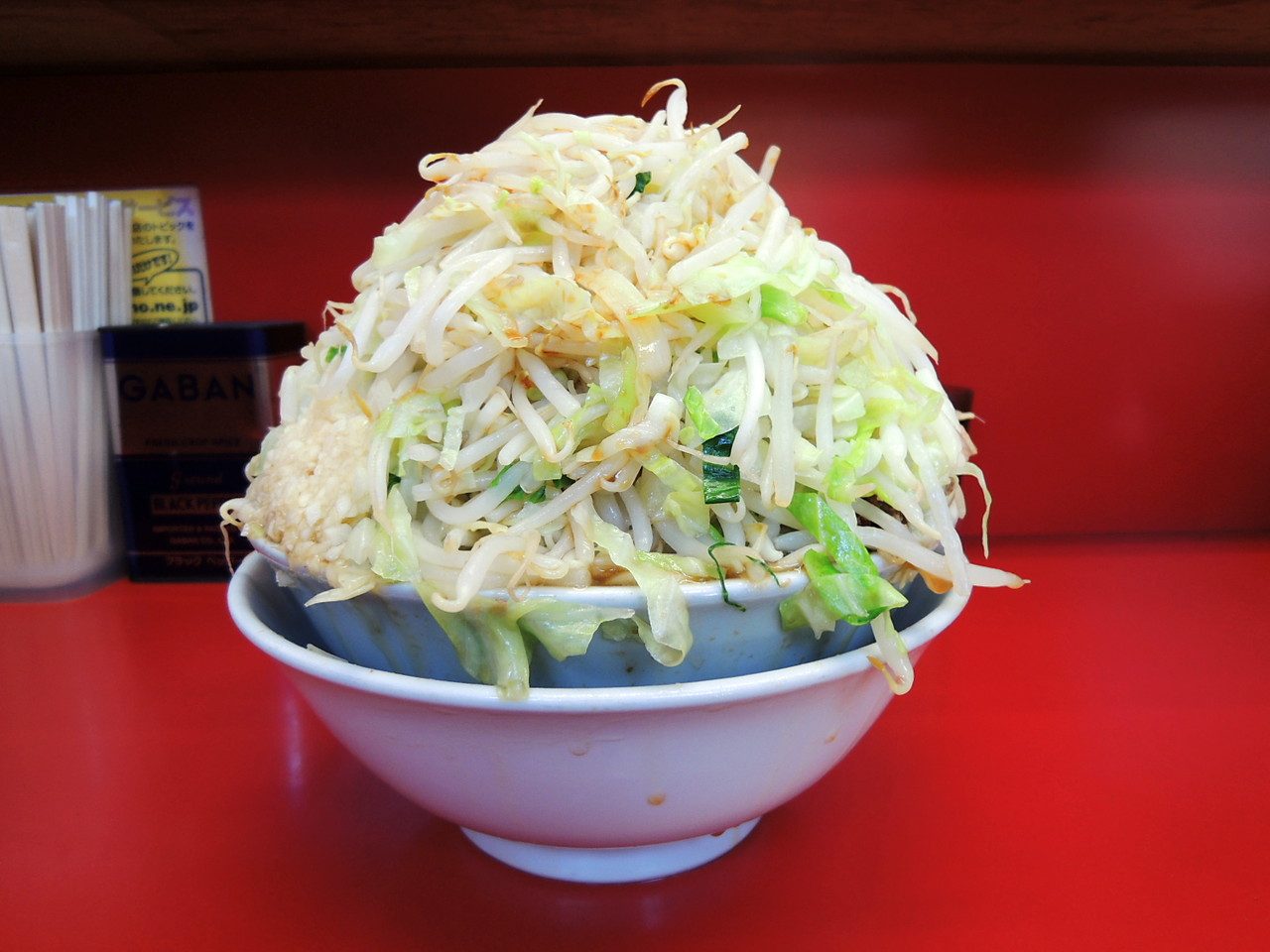 Chapter 6A Bowl That Keeps BranchingMid-1950s to the Reiwa Era · From Staff Meals to New WavesTsukemen, iekei, Jiro-kei, abura soba and Nagoya-born Taiwan ramen. The stories of the lineages that branched out after the war.
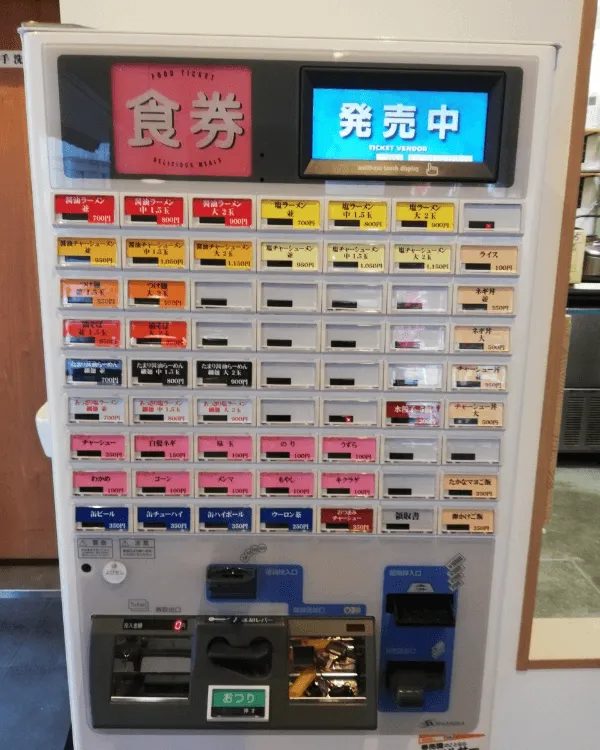 Chapter 7Ramen by the NumbersMarket, Shops, Households, InstantAn 885.5-billion-yen market, 6,305 chain shops, the "1,000-yen wall" and bankruptcies, and the "ramen towns" of the household survey.
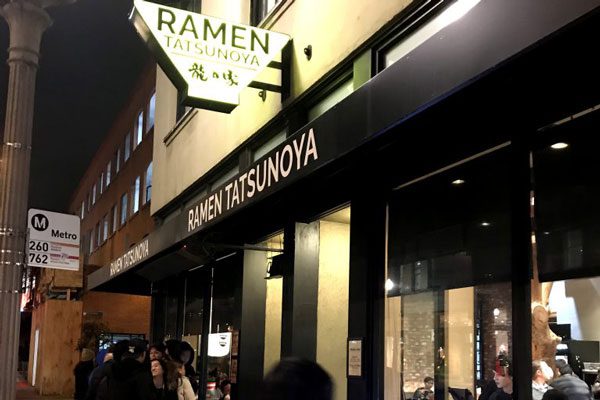 Chapter 8The Bowl That Crossed the Sea1980s to the Present · New York, Taipei, London, ParisThe film Tampopo, Momofuku and Ippudo in New York, "Japanese-style lamian" in Taiwan, and a Michelin star.
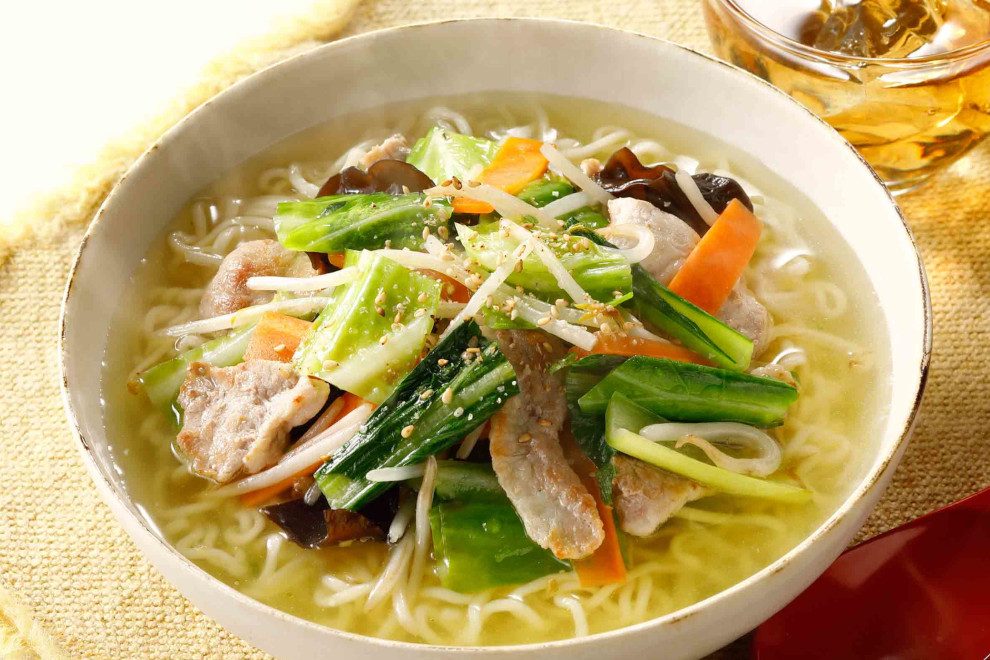 Chapter 9Ramen and Your BodySalt, Calories, Nutrition, ResearchSalt per bowl versus the daily target, the effect of leaving the broth, calories and nutrition, the Yamagata study, and healthier ways to eat.
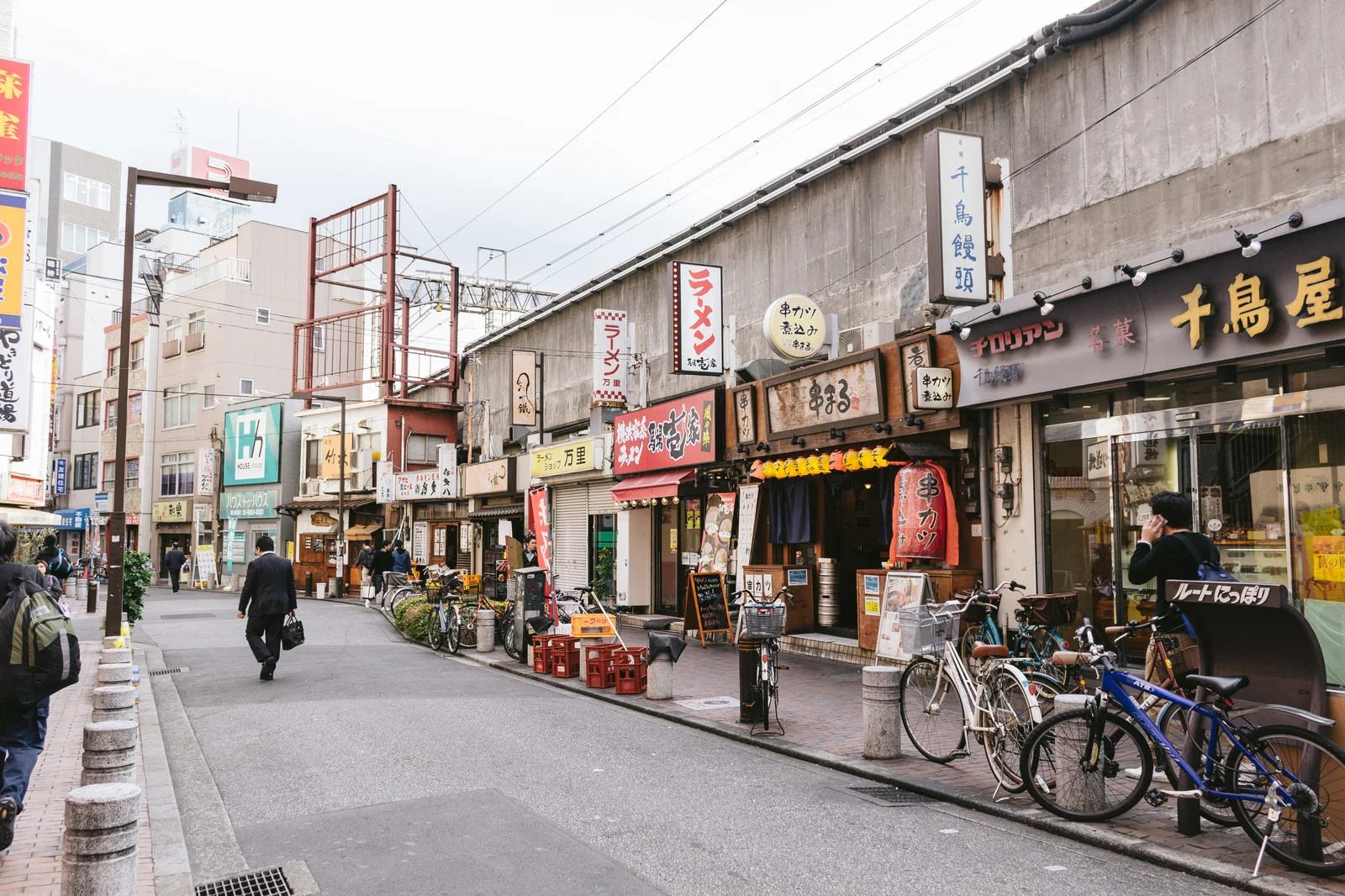 Chapter 10The Bowl AheadAppeal, Challenges, and the FutureAffordability, variety and local pride. Salt, grueling work, smells and leftover broth. What lies ahead for a national dish.
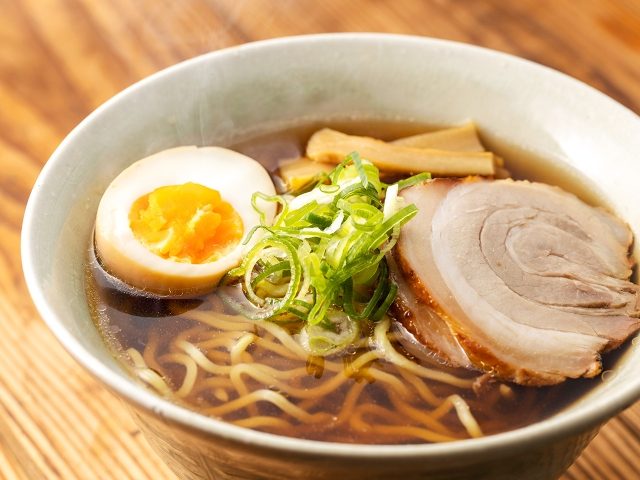 Field GuideA Field Guide to Ramen TypesSorted by Flavor, Broth, Style and LineageFour base flavors, broth styles, ways of eating, shop lineages and ramen at home. About 50 types, and why ramen branched out so far.
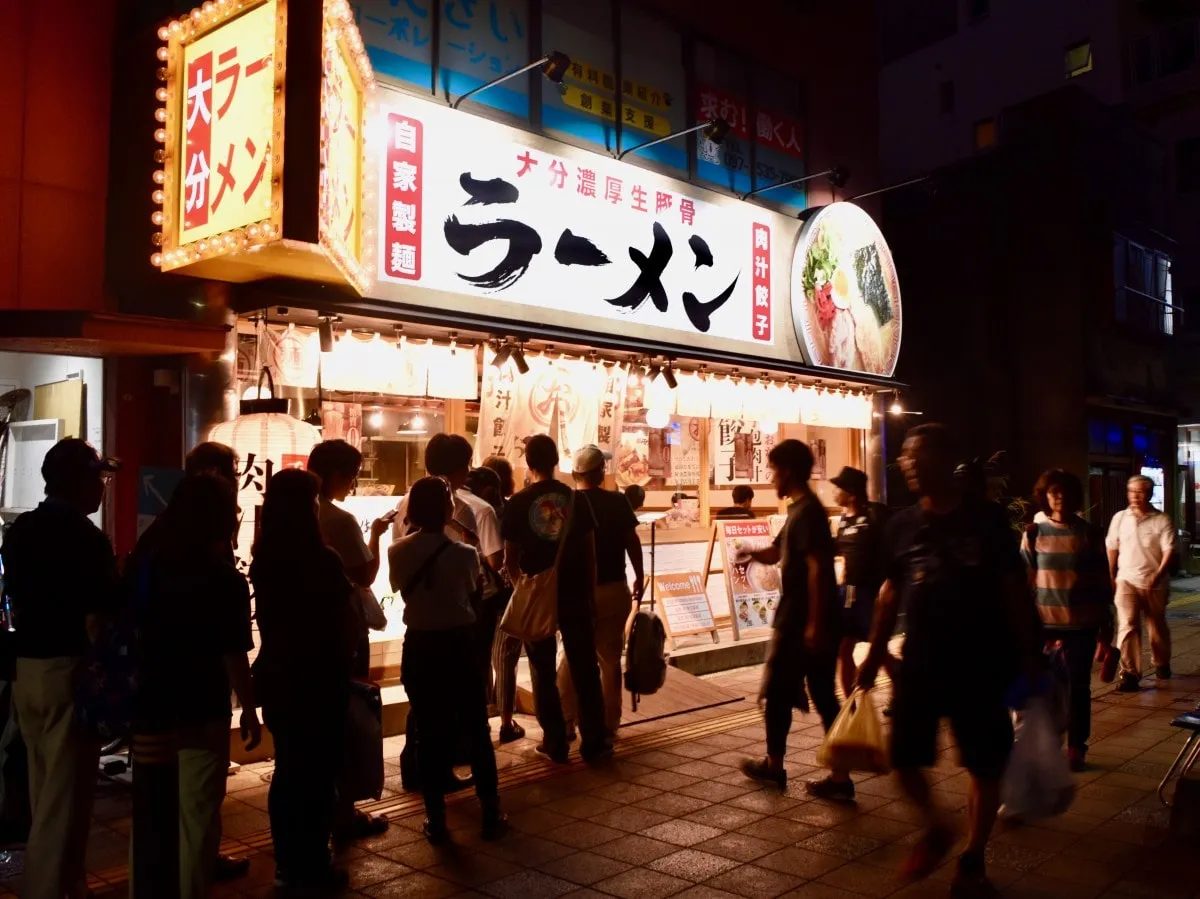 GuideHow to Eat RamenFor Your First Visit to a Ramen Shop in JapanLines, ticket machines, ordering noodle firmness, why people slurp, table condiments, kaedama, tsukemen and what to do when you finish. A practical guide for first-timers, with handy Japanese phrases.
About This Feature
This feature is a work of nonfiction compiled by the Historipedia editorial team from official statistics, research papers, materials published by museums and industry associations, and news reports. Ramen history is full of shop lore and competing theories. In the text, we separate what the records confirm from legends and leading theories using the labels "Likely" and "Legend." At the end of each chapter, "Sources and Notes for This Chapter" lists the materials we relied on, along with additional notes.
Figures are based on surveys published as of October 2026. Shop hours and facility information may change, so please check official sources before you visit.