
When did ramen first arrive in Japan?
There are two ways to answer that question. One asks: when did Japanese people first taste a Chinese noodle dish? The other asks: when did the bowl we now call "ramen," Chinese-style noodles swimming in soup, start being sold on the streets of Japanese towns? The first answer reaches back several hundred years; the second settles at about a century ago. This chapter follows both.
A Zen Temple in Muromachi Kyoto, and the Lord of Mito
The oldest recorded example, as introduced by the Shin-Yokohama Ramen Museum, is keitaimen from the Muromachi period. The Onryoken Nichiroku, a diary kept by successive monks of Rokuon-in, a sub-temple of Shokokuji in Kyoto, records in an entry from 1488 that these noodles were served to guests. Keitaimen also appears in Chinese cookbooks, which describe making the dough by adding alkaline water to wheat flour. For that reason, it has come to be cited as a sign that noodles related to today's Chinese-style noodles may have been eaten in Japan more than 500 years ago.
Another well-known story holds that "the first person in Japan to eat ramen was Tokugawa Mitsukuni," the lord of Mito better known as Mito Komon. Zhu Shunshui (1600–1682), a Confucian scholar who fled Ming China, is said to have been invited by Mitsukuni in 1665 and to have taught him how Chinese noodles were made. The Shin-Yokohama Ramen Museum's timeline states that Mitsukuni ate Chinese-style noodles in 1697.
LikelyBoth, however, are records of "eating Chinese noodles." Whether they were noodles in soup, or what they tasted like, is unknown. Both stayed within narrow circles, dishes for entertaining guests at a temple or in a lord's residence, and never became food for ordinary townspeople. The line that leads to today's ramen began much later, after Japan opened its ports.
The Ports Open, and the Noodles Arrive
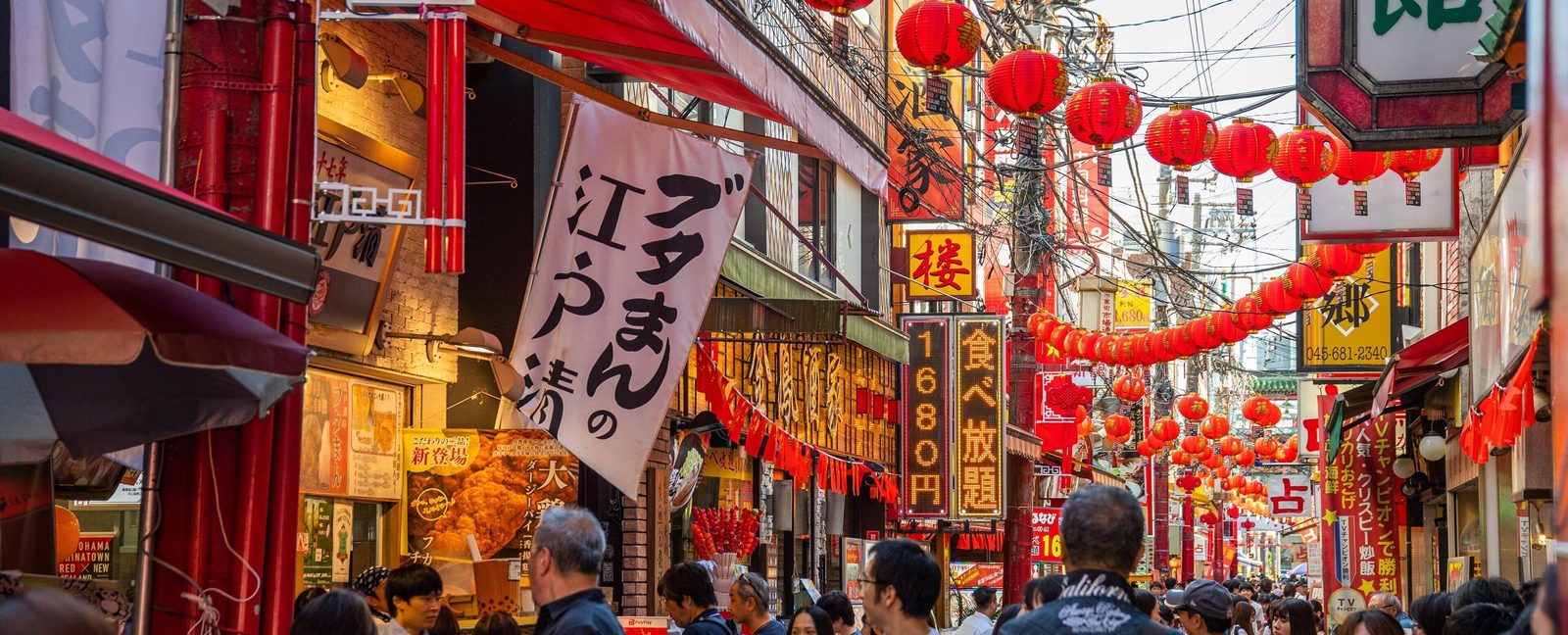
In 1859, three ports, Yokohama, Nagasaki and Hakodate, were opened to foreign trade. Settlements for foreign residents were built beside the harbors, and along with Western merchants came many Chinese. They worked as interpreters and accountants for Western trading houses, or as cooks and craftsmen.
Before long, the settlements were lined with restaurants opened by Chinese people for Chinese people. Yokohama's "Nankinmachi" (today's Yokohama Chinatown) was the best known. The noodle soup eaten there, thin noodles in a salt-seasoned broth, came to be called "Nankin soba" by the Japanese.
In Hakodate in 1884, a restaurant called Yowaken placed a newspaper advertisement for "Nankin soba." The ad is often cited in histories of ramen, but the Shin-Yokohama Ramen Museum notes that it is unclear whether the dish was a noodle soup.
When the foreign settlement system was abolished in 1899, Chinese residents were free to live elsewhere, and Chinese restaurants gradually spread beyond the ports. That same year in Nagasaki, Chen Pingshun of the Chinese restaurant Shikairo is said to have created "champon," hoping to give students from China a cheap and nourishing meal. In each port town, Chinese noodles were beginning to blend into Japanese life.
Rairaiken in Asakusa: "Shina Soba" for Japanese Diners
In 1910, a restaurant called Rairaiken opened in Asakusa, Tokyo. Its owner was Kan'ichi Ozaki, a Japanese man who had retired from the Yokohama Customs office. Ozaki brought in more than ten Chinese cooks from Yokohama's Nankinmachi and served Chinese food at affordable prices to Japanese customers.
One of its signature dishes was "Shina soba," Chinese-style noodles in a soy sauce broth. It took the noodle soup of Nankinmachi, a dish made for Chinese diners, and seasoned it with soy sauce to suit Japanese tastes. Asakusa was then Tokyo's liveliest entertainment district, always crowded with moviegoers, theater audiences and factory workers. Rairaiken was a huge hit; at its peak, it is said to have drawn 2,500 to 3,000 customers a day.
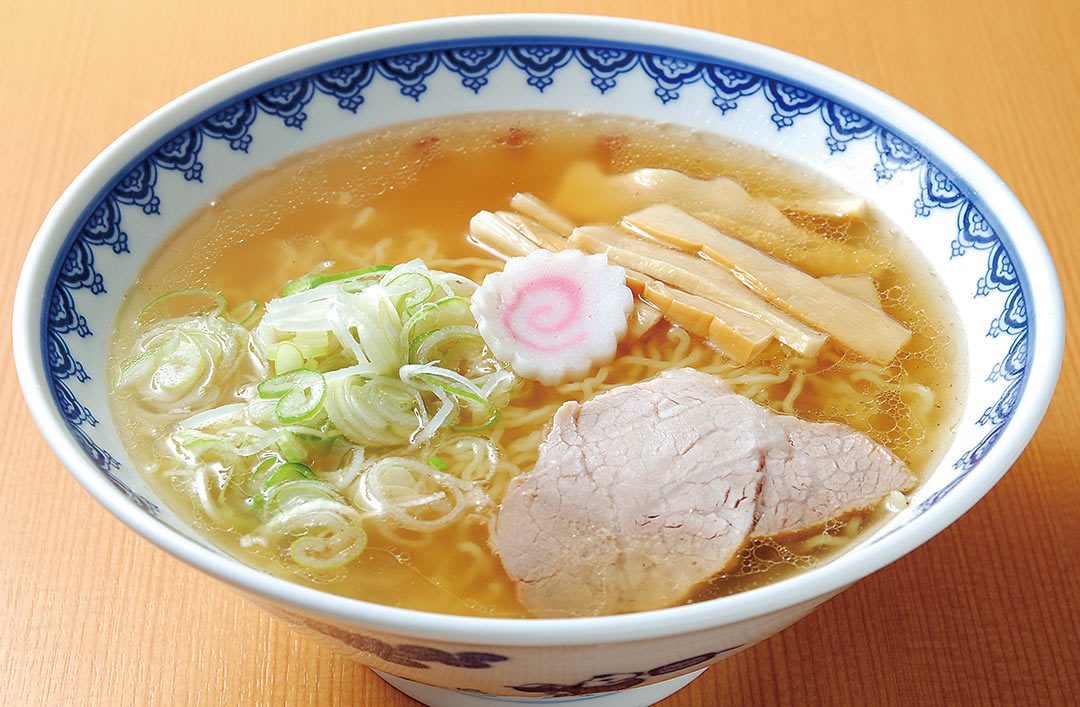
Rairaiken is called "the pioneer of ramen shops" not because it was the first to serve Chinese-style noodles. It earned that title because it was the first big success at selling, in large volumes and as everyday food, a noodle soup run by Japanese owners, aimed at Japanese customers, and flavored the way Japanese people liked. From here spread the prototype of "Tokyo ramen": a soy sauce broth topped with chashu (braised or roast pork), menma (seasoned bamboo shoots) and green onions.
Rairaiken closed its Asakusa shop in 1944 because of the war. After the war it reopened near the Yaesu exit of Tokyo Station and moved to Kanda in 1965, but with no successor it closed in 1976. The Shin-Yokohama Ramen Museum recreated its flavor for a limited five-year run starting in 2020, and in July 2026 the founder's descendants revived the shop in Asakusa.
Students from China and the Neighborhood Chinese Restaurant
In the late Meiji era, large numbers of students from China came to Tokyo. After the First Sino-Japanese War, the Qing dynasty, in a hurry to modernize, sent many young people to study in Japan. According to the Shin-Yokohama Ramen Museum's timeline, around 1906, as the number of students grew, affordable Chinese restaurants catering to them multiplied in Kanda and other parts of Tokyo.
In time, Japanese students and office workers began eating at these places too. From the end of Meiji into the Taisho era, cookbooks introducing Chinese dishes that could be made at home were published and reportedly sold well. Chinese food was changing from an exotic cuisine of the port-city settlements into something ordinary people could eat casually. Rairaiken's success was born from this current.
Chashu, Menma and Green Onions
The Shina soba of Rairaiken's day is said to have already carried toppings much like today's ramen: chashu, pork seasoned and roasted; menma, fermented bamboo shoots; and chopped green onions. All were borrowed from Chinese cooking.
Many Chinese noodle soups were dishes for savoring broth and noodles, with few toppings. Japanese Shina soba lined up several toppings in the bowl, turning it into a filling "meal" in itself. Chapter 5 looks more closely at how ramen toppings came to be.
In the Taisho era, Shina soba is said to have cost more than the plain kake soba at the neighborhood buckwheat noodle shop. A rich broth with meat on top was, for most Japanese at the time, a treat beyond the everyday table. "A bit pricey, but nice once in a while," like Western-style or Chinese food. Shina soba, like curry rice and tonkatsu, was one of the new kinds of eating out that the Japanese came to love between the Meiji and Taisho eras.
The Charumera, the Street Stall, and the Earthquake
In the Taisho era, Shina soba began to be sold not only in shops but from yatai, mobile street stalls that roamed the town. The charumera horn that echoed through the streets at night belongs to the same family as the Chinese suona, and its name is said to come from Portuguese. It later became the signature call of the Shina soba stall.
A major turning point was the Great Kanto Earthquake of 1923. Many restaurants in Tokyo and Yokohama burned down, and cooks scattered across the country looking for work. According to the Shin-Yokohama Ramen Museum's timeline, street stalls and specialty ramen shops, which needed little start-up money, multiplied in the burned-out city during this period. Also in 1923, Japanese businesses began making and selling "kansui," the ingredient essential to Chinese-style noodles, in Yokohama and in Fukagawa, Tokyo.
Once Chinese-style noodles could be made at home and in small shops, Shina soba was no longer a Tokyo-only food. In Sapporo, Takeya Shokudo opened in 1922 with a Chinese cook on staff and is called the birthplace of Sapporo ramen. In Kitakata, Fukushima Prefecture, a young man from China named Pan Qinxing pulled a street stall around 1925 and later opened Genraiken. In Kyushu, in 1937, the Kurume stall Nankin Senryo began serving ramen in a pork bone broth. The bowls born in each of these towns became the seeds of what would later be called "gotochi" (regional) ramen (Chapter 4).
The Water That Made Ramen "Ramen": Kansui
What makes ramen noodles different from udon or soba? The biggest difference is whether they use "kansui."
Kansui is an alkaline mineral water containing dissolved sodium carbonate, potassium carbonate and similar compounds. Udon dough is made from wheat flour and salt water alone; Chinese-style noodles add kansui. This tightens the flour's protein (gluten), giving the noodles their distinctive firm bite and springiness. Pigments in the flour called flavonoids also react with the alkali, turning the noodles a pale yellow. The yellow of ramen noodles comes not from egg but from kansui. Their distinctive aroma is also the work of kansui.
In China, making noodles with water from lakes containing alkaline substances, or with lye drawn from plant ash, had long been known. Once kansui was produced chemically in Japan and became easy to obtain, Chinese-style noodles stopped being a skill held only by Chinese cooks. By the start of the Showa era, recipes for Shina soba were appearing in newspapers and cookbooks, presented as a dish that could be made at home.
A Changing Name
This bowl has changed its name with the times. In Meiji it was "Nankin soba"; from Taisho into early Showa, "Shina soba." After the war, when the word "Shina" fell out of use, "chuka soba" spread. Then in 1958, the instant "Chicken Ramen" became a nationwide hit, and the name "ramen" took hold almost overnight (Chapter 3).
There are several theories about where the word "ramen" comes from. One traces it to the Chinese "lamian," noodles made by pulling the dough by hand. Another links it to "liumian," meaning thin noodles. Yet another says it came from Takeya Shokudo in Sapporo, where the Chinese cook would call out "hao le" ("it's ready") when a dish was done, which turned into "ramen."
LegendThe "hao le" story from Takeya Shokudo has been passed down by people connected with the restaurant, and, like the other theories, no record survives to confirm it. No single theory has been settled on, and it seems most natural to think that several words and events overlapped before the name settled into place.
What to Look For: The Yellow of the Noodles
Put noodles from a ramen shop next to noodles from an udon shop and the difference in color is obvious. The yellow of ramen noodles is the color of kansui reacting with pigments in the flour. These days some shops skip egg and coloring altogether and serve whitish noodles made with less kansui, or brownish noodles blended with whole wheat flour. The color of the noodles tells you what kind of bowl a shop is aiming for.
Sources and notes for this chapter
Facts
- The Onryoken Nichiroku contains a record of keitaimen in an entry from 1488 (Shin-Yokohama Ramen Museum timeline).
- Yokohama, Nagasaki and Hakodate opened their ports in 1859.
- Rairaiken opened in Asakusa in 1910. Its owner was Kan'ichi Ozaki, who had retired from the Yokohama Customs office.
- Takeya Shokudo in Sapporo opened in 1922, and Nankin Senryo in Kurume in 1937.
- Kansui is an alkaline agent containing sodium carbonate, potassium carbonate and similar compounds, and is responsible for the noodles' firm texture and yellow color.
Other Theories and Notes
- Whether keitaimen or the noodles eaten by Tokugawa Mitsukuni were the same thing as today's ramen is unknown.
- Whether the "Nankin soba" of Yowaken in Hakodate (1884) was a noodle soup is unclear.
- Rairaiken's daily customer count (2,500 to 3,000) is based on hearsay. The year it reopened in Yaesu after the war differs between sources.
- Zhu Shunshui died in 1682, so the 1697 record is thought to be unrelated to his hospitality.
- There are several theories about the founding year of Genraiken in Kitakata and about the origin of the word "ramen."
Main References
- Shin-Yokohama Ramen Museum, "The History of Ramen in Japan" and "Ramen Encyclopedia"
- Published materials from Yokohama Chinatown and the Shin-Yokohama Ramen Museum; news reports on Rairaiken