Ise, Mie Prefecture — History Portal
A 1,300-year-old town, reborn every twenty years.
For more than a thousand years, Ise was the journey every Japanese hoped to make "at least once in a lifetime". Shrines rebuilt from scratch every 20 years. Meals offered to the gods twice a day, without a single day missed, for some 1,500 years. Mass pilgrimages said to have moved one in six people in Edo-period Japan — and the travel agents and pleasure quarters that served them. This site collects the mechanisms and back stories of Ise that guidebooks pass by.
Four keys to Ise
Why has this one place always stood apart?
Japan has around 80,000 Shinto shrines. Only Ise is officially called simply "Jingu" — the Shrine — with no place name attached. This site reads that uniqueness through four keys.
Tokowaka, "eternal youth": a system that chose never to grow old by renewing everything every 20 years. Mike, "sacred food": a self-sufficient supply chain of rice, salt, abalone and sake to feed the gods daily. Sangū, "pilgrimage": one of Japan's oldest tourism industries, run by producers called oshi. And Shinryō, "shrine domain": the townspeople who still haul the sacred timber and carry white stones to the new sanctuary.
Explore the site
Thirteen rooms
Each page stands on its own. Like choosing a documentary, start wherever your curiosity leads.
Shikinen Sengu
Behind the scenes of a 1,300-year-old project: rebuilding the shrines every 20 years.
- Held since 690; 2013 was the 62nd
- About 10,000 cypress trees and ¥55 billion
- Halted for 120+ years, revived by a nun’s fundraising
- Old pillars become torii, working three times in 60 years
Gekū & Naikū
Why you visit the Outer Shrine first — roof finials, walking sides and other differences.
Read →The 125 Shrines
"Ise Jingu" is the collective name of 125 shrines — from remote mountain shrines to a rival claim.
Read →Oshi & Okage Mairi
Edo-period travel agents, and mass pilgrimages that moved one in six Japanese.
Read →Furuichi
The pleasure quarter on the pilgrim road — and the Aburaya incident.
Read →Reviving the Shrine Town
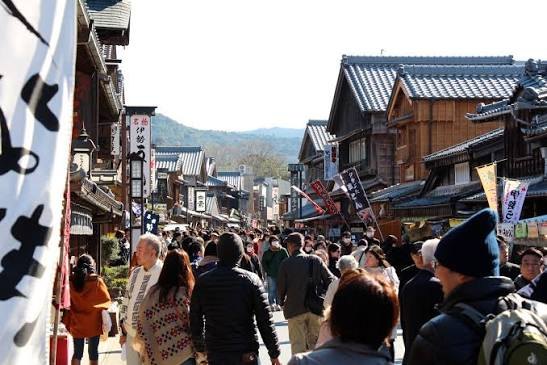
How a street down to 200,000 visitors a year came back to life.
Read →Food of the Gods
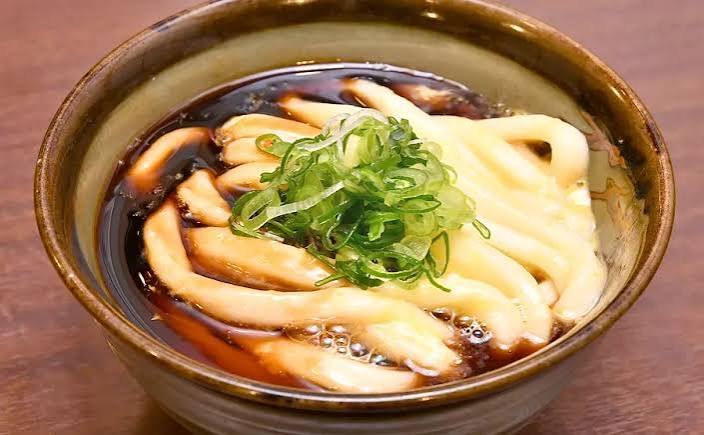
Meals offered to the gods every day for 1,500 years. Why Ise udon is so soft.
Read →Futami & Mt. Asama
Begin with purification at the shore, end on Mt. Asama — the full Ise pilgrimage.
Read →Legends & Myths
Hexagram lanterns, jealous goddesses… rumours checked against the sources.
Read →The Modern Holy City
Uji-Yamada City, the Shinto tram line and the express that changed pilgrimage.
Read →People of Ise
A nun who revived the rebuilding, a priest who founded haikai, the Pearl King.
Read →Local Knowledge
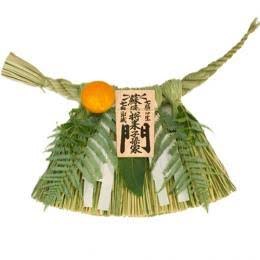
Year-round shimenawa, first-of-the-month visits, the white-stone ceremony.
Read →Places to Visit
The classic sights, each with one insider's tip.
Read →Start here
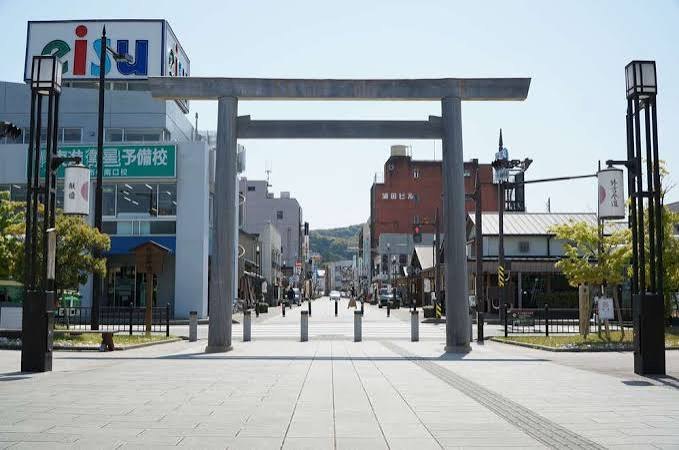
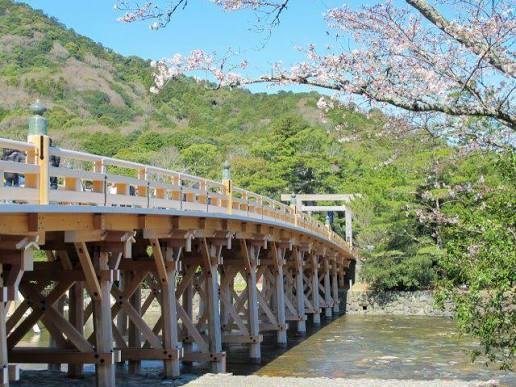
The torii at Uji Bridge was once a pillar of the sanctuary.
The great torii gates at both ends of Uji Bridge, the entrance to the Inner Shrine, are recycled. For twenty years they stood as the munamochi-bashira, the free-standing pillars that hold up the ridge of the main sanctuary. After the rebuilding they are reshaped into torii, and twenty years later they move again, to the torii at Seki on the old Tōkaidō and at the Shichiri-no-Watashi ferry landing in Kuwana. One cypress, three duties, sixty years: this spirit of reuse lies at the heart of the rebuilding system.
Read about the Sengu →In pictures
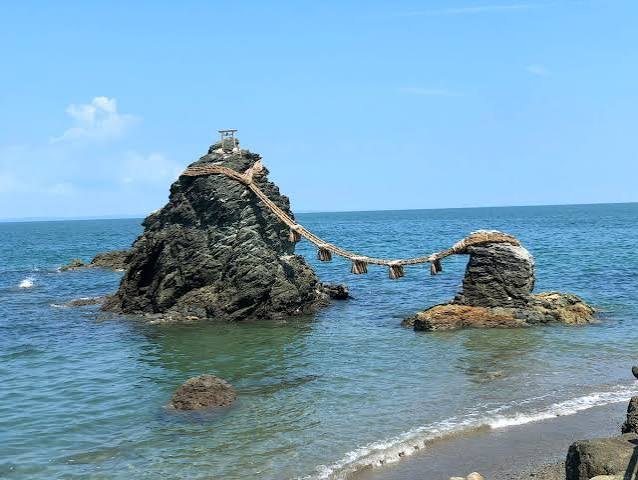
A few views of Ise
Some things words can't carry. Each photo also links to a related page.
Reading the map
One road, from Gekū to Naikū
The classic pilgrimage crossed the Miya River to the Outer Shrine, climbed over Ai-no-yama (Furuichi) and reached the Inner Shrine. Futami was the shore for purification before worship; Mt. Asama was the finale.
By the numbers
Six numbers for reading Ise
2 main shrines, 14 auxiliary, 43 sessha, 24 massha and 42 shokansha. Together they are “Jingu”.
Not only buildings: 1,576 sacred treasures in 714 categories are made anew as well.
The first was in 690. Despite a gap of over 120 years in the Warring States era, 2013 was the 62nd.
The Higoto Asayū Ōmikesai at Gekū, held morning and evening for some 1,500 years.
Estimates range from 4 to 5 million people within a few months.
Between them, on the hills of Ai-no-yama, lay the former pleasure quarter of Furuichi.
Overview
Ise in a hurry: a timeline
The full stories are in each room. Here is just the flow.
Princess Yamatohime enshrines Amaterasu by the Isuzu River
According to the Nihon Shoki, Yamatohime travelled in search of a resting place for the goddess and arrived at Ise.
Founding of the Outer Shrine
At Amaterasu's oracle, Toyouke, goddess of food, is invited from Tanba province.
First Shikinen Sengu (Naikū)
Said to have been established by Emperor Tenmu and first carried out under Empress Jitō.
Over 120 years without a Sengu
War and bankruptcy halt the rebuilding. Fundraising by the nun Keikōin Seijun revives it: Gekū in 1563, Naikū in 1585.
Okage Mairi, roughly every 60 years
Pilgrimages of millions. People along the roads gave free food and lodging (segyō).
Emperor Meiji worships at Jingu
Considered the first reliably recorded visit by a reigning emperor in person.
The oshi system is abolished
The pilgrimage guides who had powered Ise's economy for centuries disappear in the Meiji reforms.
Okage Yokochō opens
In the year of the 61st Sengu, a project to revive the declining gate town of Naikū.
The 62nd Sengu, and the next
The deities moved in autumn 2013. Preparations for the 63rd began again in the mid-2020s.