Home / Places to Visit
12 — The insider's route
Even the classic sights have another side.
Gekū, Naikū, Oharai-machi, the Wedded Rocks. Walk Ise's classic spots knowing the stories so far, and they look entirely different. We've added one "insider's tip" to each.
Basics
Visiting hours and how to get around
| Season | Hours (Naikū & Gekū) |
|---|---|
| January–April, September | 5:00–18:00 |
| May–August | 5:00–19:00 |
| October–December | 5:00–17:00 |
The basic route: Gekū first, then Naikū. Gekū is about 5 minutes' walk from Iseshi Station; from Gekū to Naikū it's about 15–20 minutes by bus. With time, the "full course" is sunrise at Futami, then Gekū, then Naikū. Hours and transport may change; please check the official sites of the Jingu Administration Office and the Ise City Tourism Association.
The shrines
The two main shrines and the betsugū
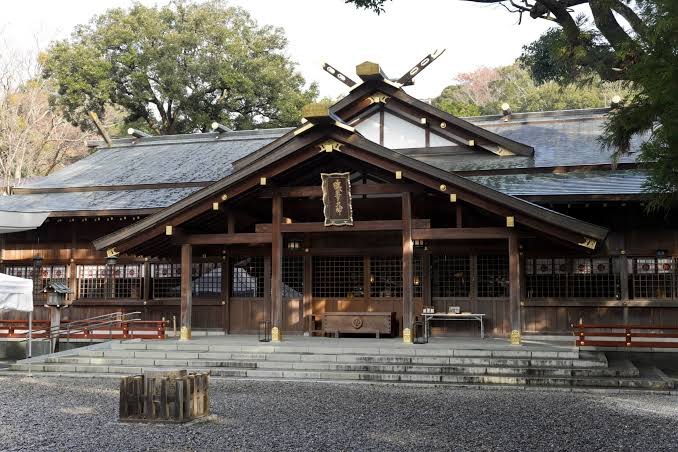
Gekū (Toyouke Daijingū)
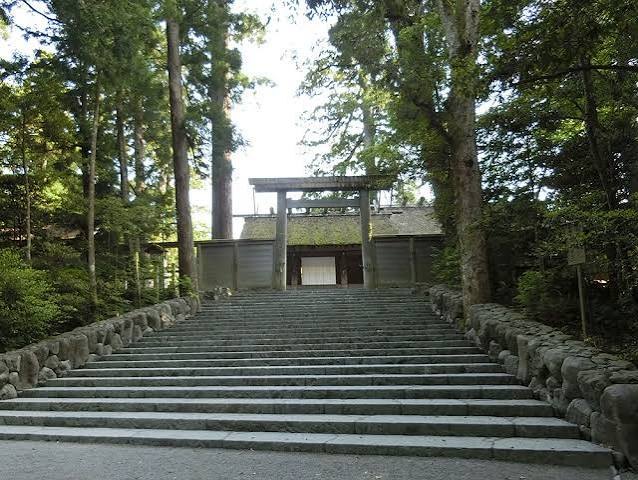
Where the pilgrimage begins. Beyond the cedar-lined approach stands the sanctuary of Toyouke. Combine with the Sengūkan museum by the Magatama Pond.
Insider's tipKeep left. Look at the Mitsu-ishi without touching, and climb the 98 steps to Takanomiya.
Naikū (Kōtai Jingū)
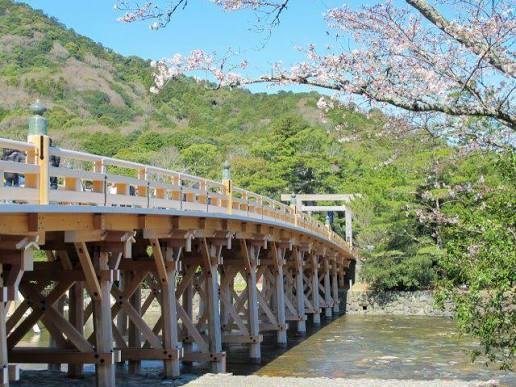
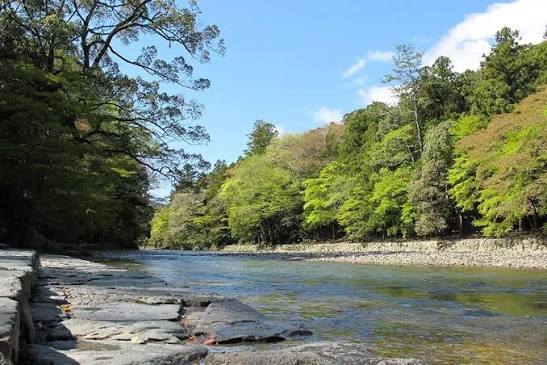
Cross Uji Bridge and follow the gravel approach to Amaterasu's sanctuary. Purify your hands in the Isuzu River at Mitarashi, the traditional way.
Insider's tipThe bridge torii was a sanctuary ridge pillar. Look for the second finial from the north on the west end.
Tsukiyomi-no-miya
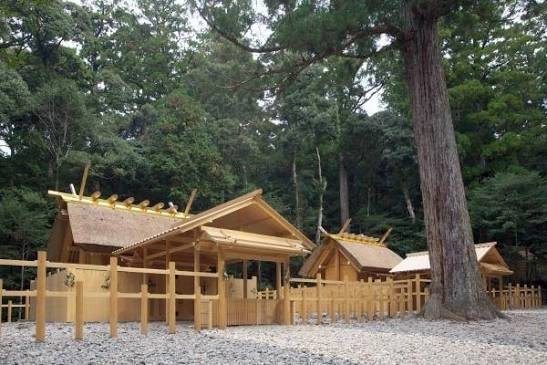
About 2 km north of Naikū, four betsugū stand in a row in quiet grounds.
Insider's tipSigns show the order of worship. Four shrines side by side — found only here in Jingu.
Tsukiyomi-no-miya (Gekū)
A few minutes' walk north of Gekū, a betsugū guarded by a huge camphor tree amid the houses.
Insider's tipLocals avoid walking down the middle of Kamiji-dōri from Gekū.
Yamatohime-no-miya & Chōkokan
A hill with the Taishō-era Yamatohime-no-miya, the Jingu Chōkokan by Katayama Tōkuma, and the Agricultural and Art Museums.
Insider's tipAt the Chōkokan you can see real sacred treasures retired after the Sengu.
Sengūkan
A museum with a full-size replica of part of the Gekū sanctuary and displays on Sengu techniques.
Insider's tipThe only place to examine up close the structure of a sanctuary you can never approach.
Gate towns and streetscapes
Ise on foot
Oharai-machi & Okage Yokochō
An 800 m stone-paved street from Uji Bridge, lined with gable-end townhouses, the Akafuku head shop, udon restaurants and souvenir shops.
Insider's tipEarly on the 1st of each month it bustles with tsuitachi-mairi visitors, and Okage Yokochō holds a morning market.
Kawasaki
A wholesale district with storehouses along the Seta River, dating from the Edo period: the merchant town called "Ise's kitchen".
Insider's tipThe Ise Kawasaki Merchant Hall shows merchant life and storehouse interiors.
Furuichi & Asakichi Ryokan
The hill between Gekū and Naikū that once held a pleasure quarter. The tiered Asakichi Ryokan still conveys its heyday.
Insider's tipStart at the Ise Furuichi Sangū Kaidō Museum to understand the stories of the slope.
Uji-Yamada Station
A 1931 station building and registered cultural property that preserves the look of the "Holy City's" gateway.
Insider's tipTake your time over the facade and the decoration around the ticket gates.
Before and after
Futami, Mt. Asama and Sarutahiko Jinja
Futami Okitama Jinja & Meoto Iwa
The purifying shore visited before the pilgrimage. Around the summer solstice the sun rises between the Wedded Rocks.
Insider's tipWhat the rocks really face is the sacred Okitama stone under the sea. Look for the frog statues too.
Kongōshō-ji & Ise-Shima Skyline
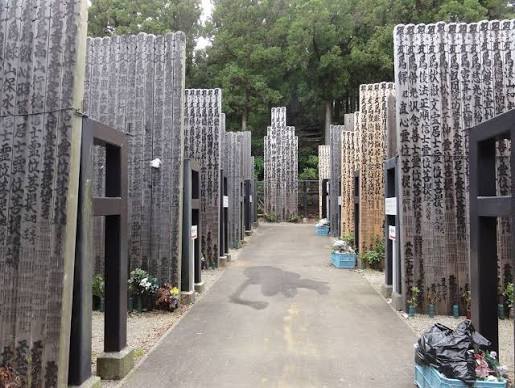
The temple that completed the pilgrimage — "without Asama, it's only half". The summit offers views over Ise Bay.
Insider's tipThe huge memorial tablets of the Oku-no-in come from the Ise-Shima custom of take-mairi.
Sarutahiko Jinja
Shrine of Sarutahiko, god of opening the way. Its priests, the Uji no Tsuchigimi, are said to be his descendants.
Insider's tipSee the octagonal direction stone and Sarume Jinja, shrine of the performing arts.
Ozaki Gakudō Memorial Hall
A memorial hall to Ozaki Yukio, the "god of constitutional government", including his boyhood in Ise.
Insider's tipMany rediscover the story of Washington's cherry trees here.
Further afield
The distant shrines and the ama divers' village
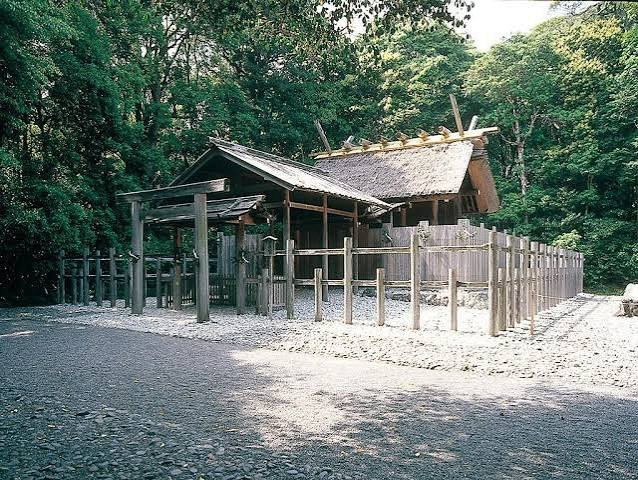
Takihara-no-miya
A betsugū deep in the mountains far from Naikū — a "distant shrine". Surrounded by deep cedar groves, one of Jingu's most mystical places.
Insider's tipThe only betsugū with a mifunagura boat storehouse. Best reached by car.
Izawa-no-miya
The other distant shrine. Its rice-planting festival on 24 June is one of Japan's three greatest.
Insider's tipStage of the Edo-period "true main shrine" affair; the sacred rice paddy is right beside it.
Kuzaki
The ama divers' village said to have offered abalone to Yamatohime. It still offers noshi-awabi to Jingu.
Insider's tipKnowing that the "noshi" on gift envelopes has its roots here changes the view.
In pictures
A glimpse before you go
Finally
Back to the first room
The meaning of the places you've visited deepens once you understand the Shikinen Sengu.