HIDA-TAKAYAMA
A land of craftsmen,
mountains and festivals.
1,300 years ago, this mountain land sent carpenters to the capital instead of paying taxes. The skills of the "Hida takumi" (master craftsmen) were handed down to the townhouses of the castle town, the festival floats and the villages of steep-roofed gassho-zukuri houses. A shogunate office that survives intact, cherry trees rescued from the bottom of a dam, and an instrument that watches the universe from deep inside a mine: this site traces the "whys" of Hida that tourist guides leave out, marking where history ends and legend begins.
FOUR KEYS
Four keys to understanding Hida
Almost everything that has happened in this land connects back to one of these four.
Wood and craftsmen
More than 90 per cent of Hida is forest, and it has always been a land of wood. In the Nara period it sent carpenters to build the capital, and their skills live on in townhouses, festival floats and furniture-making.
A shogunate town
From 1692 until the Meiji Restoration, Hida was tenryo, land ruled directly by the Edo shogunate. In a town with no lord and few samurai, wealthy merchants became the patrons of its festivals and culture.
Mountains and snow
To the east rise the 3,000-metre peaks of the Northern Alps, and winter brings deep snow. Steep passes held back contact with the outside world, giving rise to a distinctive way of life and to the steep-roofed gassho-zukuri houses.
Festivals and faith
The Takayama Festival, the Furukawa Festival, Shirakawa-go's doburoku (unrefined sake) festival. The Buddhas carved by Enku, and Ryomen Sukuna, told of as a hero. Festivals and faith have carried the people of Hida through long winters and hard mountain lives.
WHY HERE?
Why these mountains?
Hida is a highland country surrounded on all sides by mountains. The Miya River flows north to the Sea of Japan at Toyama, and the Hida River flows south to the Nobi Plain on the Pacific side. The town of Takayama grew up in a basin close to the divide between these two river systems.
Precisely because this mountain land could not grow enough rice, its people honed their skill with wood and sent craftsmen to the capital. In the Edo period the shogunate ruled it directly for its timber and mineral resources, and in a town shut in by mountains and passes a distinctive culture grew rich and deep. After mergers in 2005, Takayama became the largest city in Japan, roughly the same size as Tokyo Metropolis.
BUTTERFLY EFFECT
Small events that made today's Hida
One event ripples out to unexpected places. Hida has several such "butterfly effects".
20 ROOMS
Into Hida through 20 rooms
Start wherever catches your interest. Read from the top, and they join up into a single story: from the craftsmen who built the capital, through the castle town and the shogunate's town, the festivals and gassho villages, the pass and the mine, to today's Hida, visited by people from all over the world.
The Hida Craftsmen
They paid their taxes by building the capital.
Read →Kanamori Nagachika and Takayama Castle
A tea-loving warlord built a little Kyoto in the mountains.
Read →The Old Town and Its Breweries
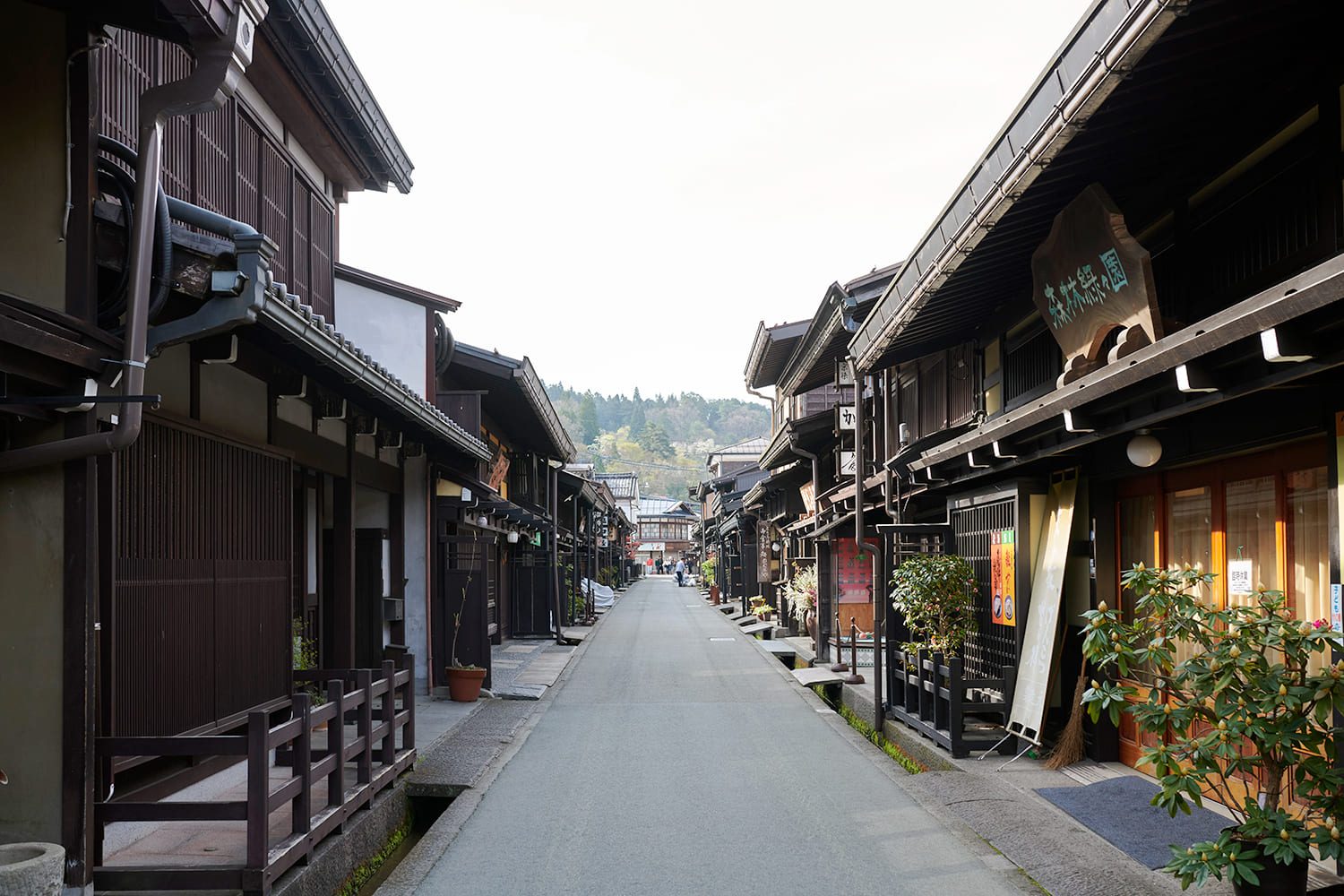
Behind the lattices, a merchant town's ingenuity.
Read →Takayama Jinya and Shogunate Rule
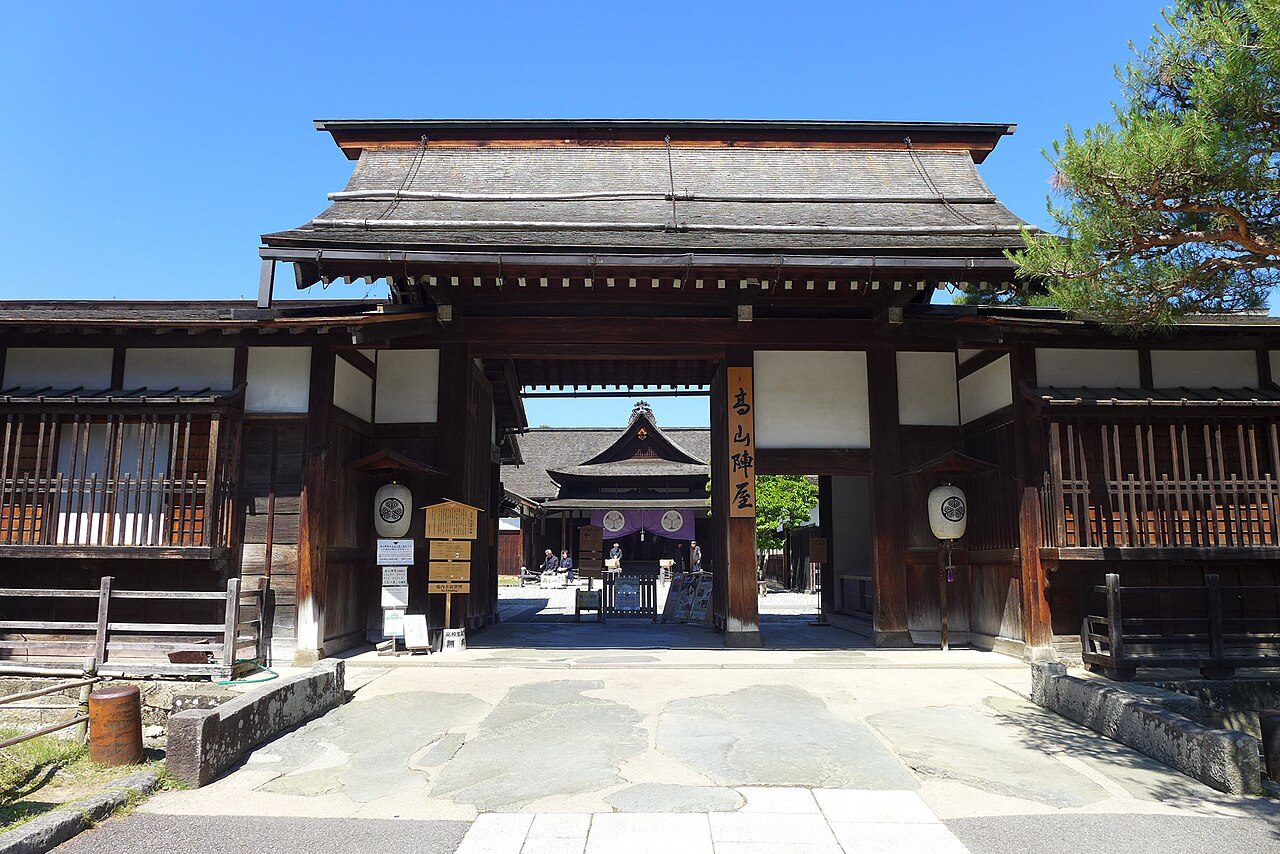
The only surviving office of the shogun's governors.
Read →The Takayama Festival and Its Floats
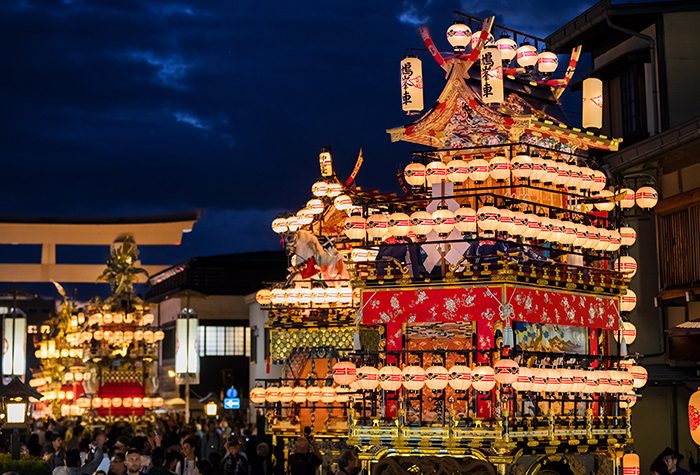
Twenty-three floats, each a craftsman's masterpiece.
Read →Enku and Ryomen Sukuna
Buddhas carved with a hatchet, and a two-faced hero.
Read →Shirakawa-go and the Gassho Houses
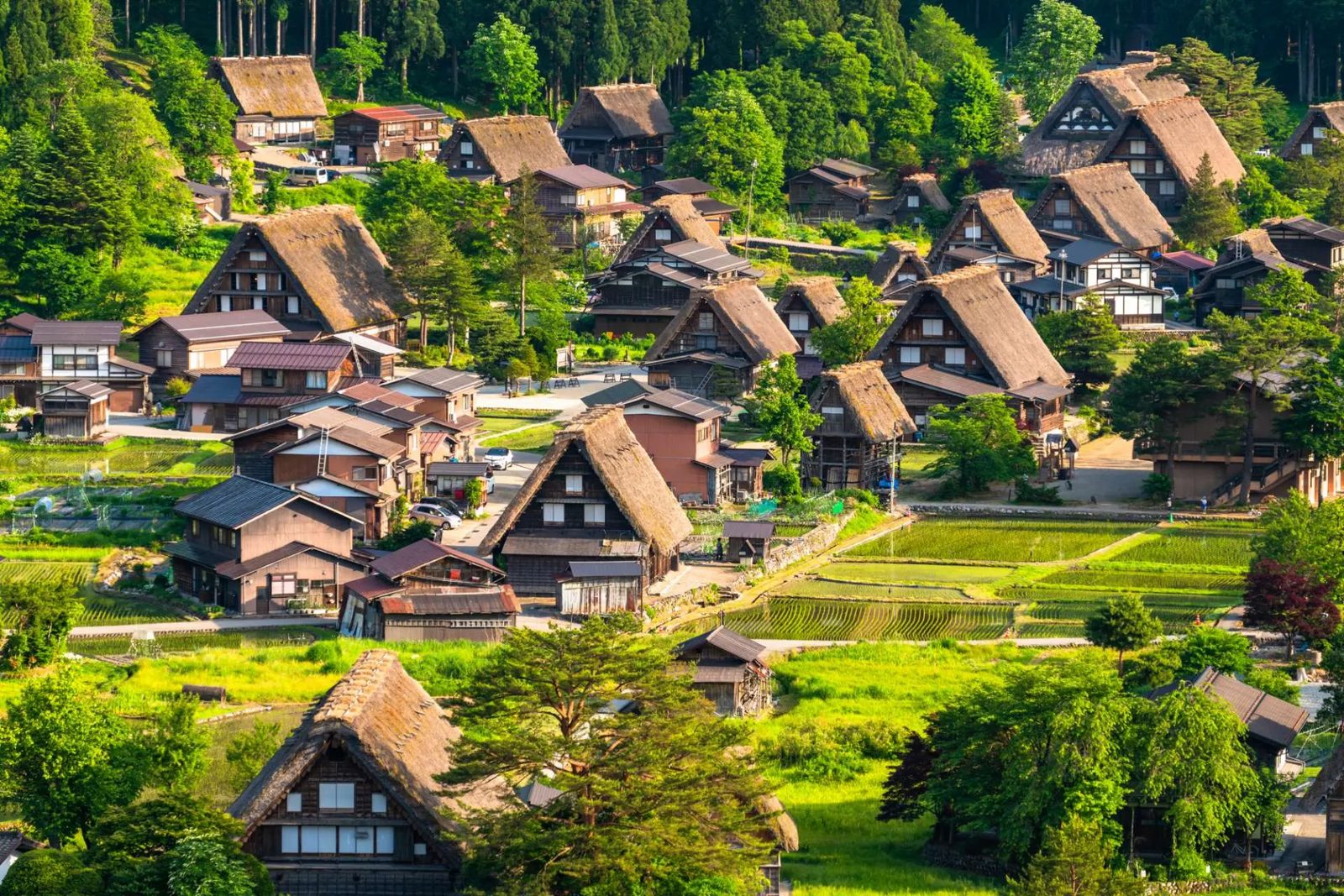
Snow, gunpowder and silkworms shaped these houses.
Read →The Shokawa Cherry Trees
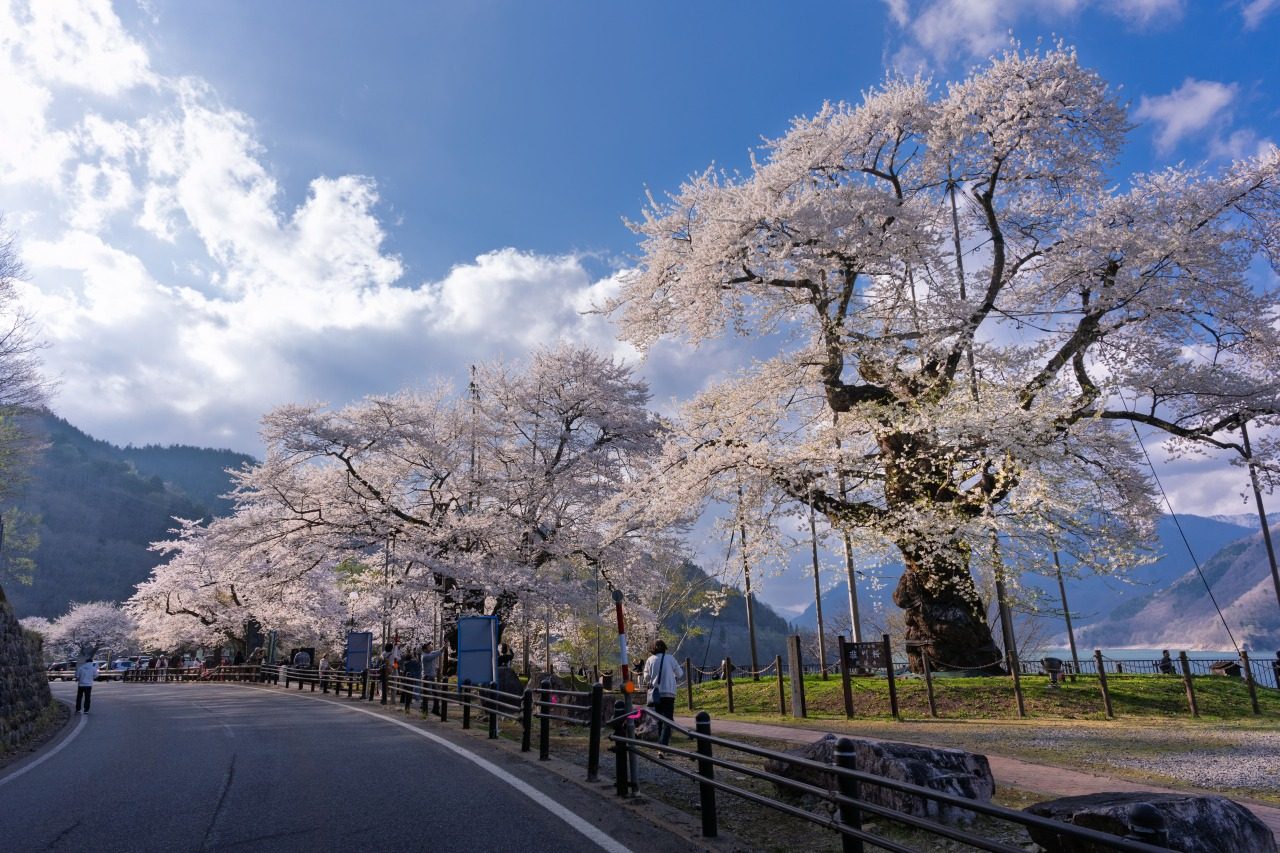
Save the cherries before the dam floods the village.
Read →Hida-Furukawa
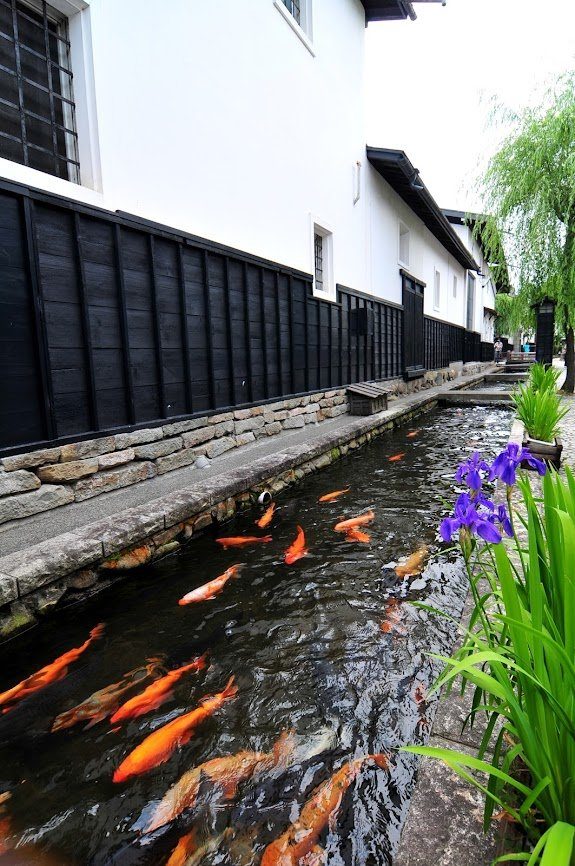
White storehouses and a carp-filled canal.
Read →Gero Onsen
A famous hot spring revealed by a white heron.
Read →Kamioka: Mine and Cosmos
Watching the universe from 1,000 metres underground.
Read →Nomugi Pass and the Mill Girls
"Oh, I can see Hida."
Read →Okuhida and the Northern Alps
3,000-metre peaks and steaming hot-spring villages.
Read →Hida Beef, Hoba Miso and Takayama Ramen
Grilling miso on a leaf.
Read →Carving, Lacquer and Furniture
Lacquer that shows the grain; carving that keeps the wood's colour.
Read →Sarubobo and Hida Life
The faceless red doll is a baby monkey.
Read →Hida Discovered by the World
A town hosting ten times its population in foreign guests.
Read →Legends and Urban Legends
Gold beneath a castle swallowed by an earthquake?
Read →Walk and Read Hida
From the Jinya to the gassho houses.
Read →Further Reading
From "Ah, Nomugi Pass" to books on Enku.
Read →START HERE
If you read three, read these
LOCAL COMMON SENSE
"Common sense" in Hida
Things that surprise visitors a little, but that locals take for granted.
- Not "ramen" but "chuka soba"What visitors call "Takayama ramen", many locals call "chuka soba" (Chinese-style noodles) (the Food room).
- Hoba miso is home cookingHoba miso, miso grilled on a dried magnolia leaf, is a taste of the family table in winter before it is an inn's delicacy.
- The festival runs on "yatai-gumi"Each Takayama Festival float has been looked after, pulled and repaired by its neighbourhood's float guild, or yatai-gumi. The floats are each neighbourhood's pride (the Festival room).
- Two hours to cross townTakayama is the largest city in Japan. Driving from one end of the city to the other can take nearly two hours.
- Sarubobo are charmsThe red sarubobo ("baby monkey") doll is a charm for the safety of children and family before it is a souvenir (the Daily Life room).
- Below freezing is normal in winterTakayama winters are bitterly cold, and mornings can drop below -10°C. Protecting water pipes from freezing is a basic part of getting ready for winter.
TIMELINE
A timeline of Hida
The Hida craftsmen
A system is laid down under which Hida Province sends carpenters from each village to the capital instead of paying taxes.
Kanamori Nagachika enters Hida
Having subdued Hida on the orders of Toyotomi Hideyoshi, Nagachika builds Takayama Castle and its castle town.
The Tensho earthquake
A great earthquake brings down Mt Kaerikumo, burying Kaerikumo Castle in Shirakawa-go and the town below it.
Hida becomes tenryo
The Kanamori clan is moved to Dewa, and Hida comes under the direct control of the shogunate.
The Ohara Uprising
The farmers of Hida rise up again and again over land taxes and land surveys.
Part of Gifu Prefecture
After belonging to Takayama Prefecture and then Chikuma Prefecture, Hida becomes part of Gifu Prefecture.
The tragedy of Nomugi Pass
Masai Mine, who had fallen ill at a silk mill, dies on the pass on her way home, carried on her brother's back.
The Takayama Line opens in full
The railway linking Gifu and Toyama opens along its whole length, connecting Hida with the outside world.
The Shokawa cherries are moved
Two old cherry trees are moved from a village about to sink beneath a dam to the lakeshore.
The old town is protected
Takayama's Sanmachi district is selected as a national Important Preservation District for Groups of Traditional Buildings.
Shirakawa-go becomes World Heritage
The "Historic Villages of Shirakawa-go and Gokayama" are inscribed together.
Japan's largest city
Takayama merges with surrounding towns and villages to become the largest city in Japan by area.
UNESCO Intangible Cultural Heritage
The float events of the Takayama and Furukawa festivals are inscribed as part of "Yama, Hoko, Yatai, float festivals in Japan".
Labels: Factdocumented Likelysupported by most sources Legendoral tradition Urban legendlocal lore and rumour