Home / Walk and Read Hida
18 — WALK & READ
Walk and Read Hida
Why not go and walk the places where the stories you have read here actually happened? A shogunate government office, merchants' townhouses, festival floats, a village of gassho-zukuri houses, cherry trees by a dam lake, a mining town. Even famous sights look completely different once you have one "look for this" point in mind. This guide starts from Takayama and takes you around Hida.
Labels: Factdocumented Likelysupported by most sources Legendoral tradition Urban legendlocal lore and rumour
Opening hours, closing days, admission fees, winter road closures and bus and train services may change. Please check each facility's official information before you go. Snow lies deep in Hida in winter, and some sections of pass roads and mountain roads are closed to traffic for the season.
Central Takayama
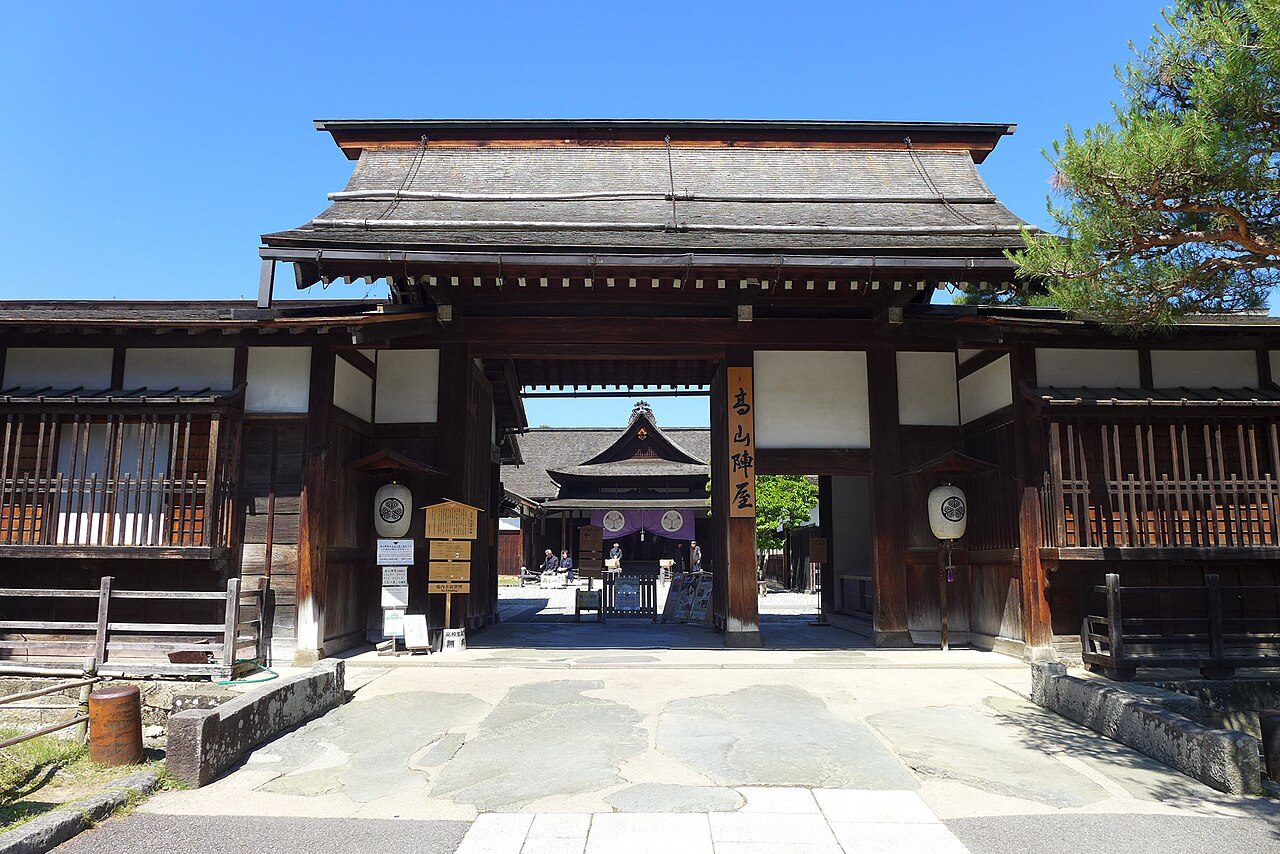
Takayama Jinya
An Edo-period office of the shogun's intendants and governors: the only one in Japan whose buildings survive.
Look for this: the great storehouse where rice paid as tax was delivered (the Tenryo room).
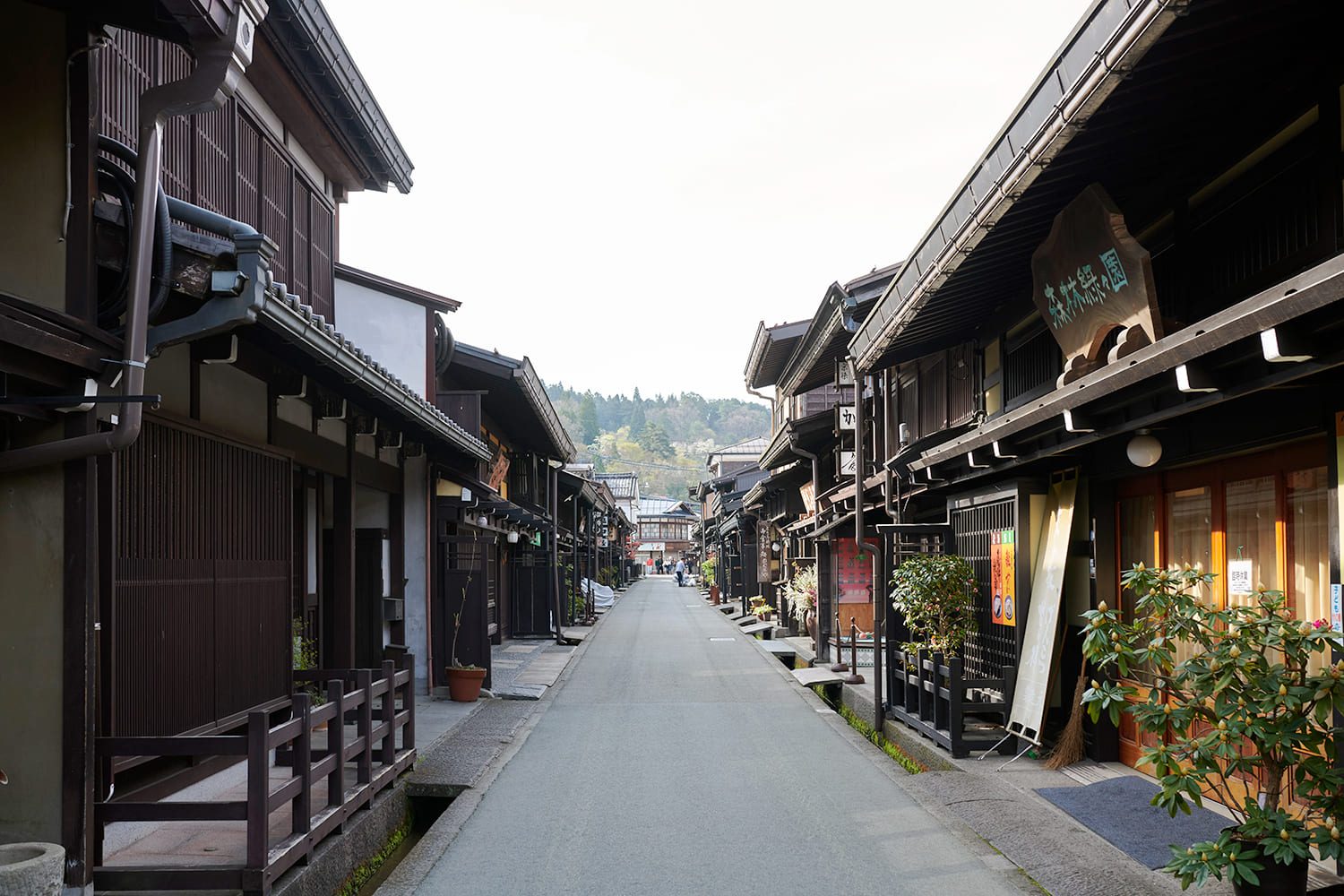
The Old Town (Sanmachi)
A merchant town lined with latticed townhouses and sake breweries.
Look for this: the colour of the sugidama (cedar balls) hanging from the brewery eaves (the Old Town room).
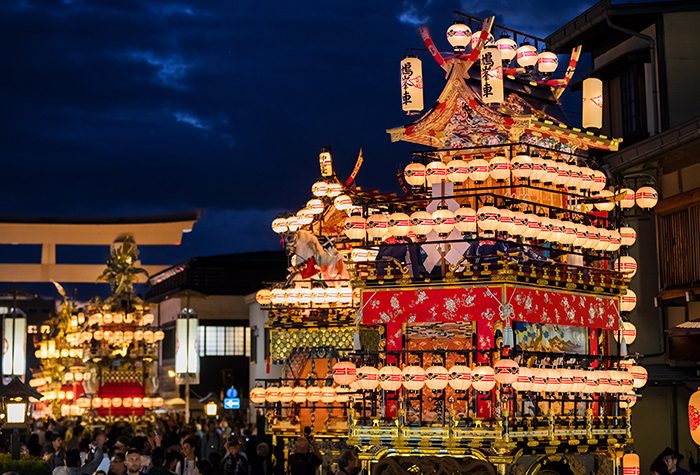
Takayama Festival Floats Exhibition Hall
In the grounds of Sakurayama Hachimangu, displaying yatai (festival floats) from the autumn festival.
Look for this: the floats' carvings and fine metal fittings (the Festival room).
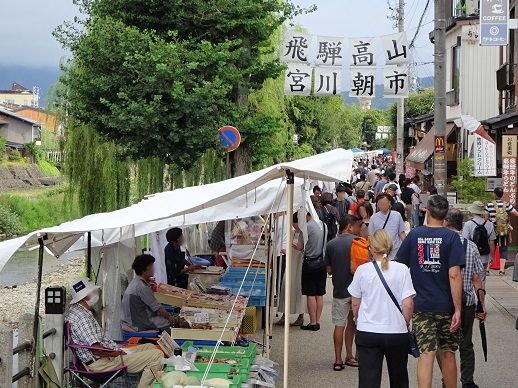
Miyagawa and Jinya-mae Morning Markets
Held every morning: the town's kitchen since the Edo period.
Look for this: handmade pickles and sarubobo dolls (the Daily Life room).
Takayama's outskirts and the mountains
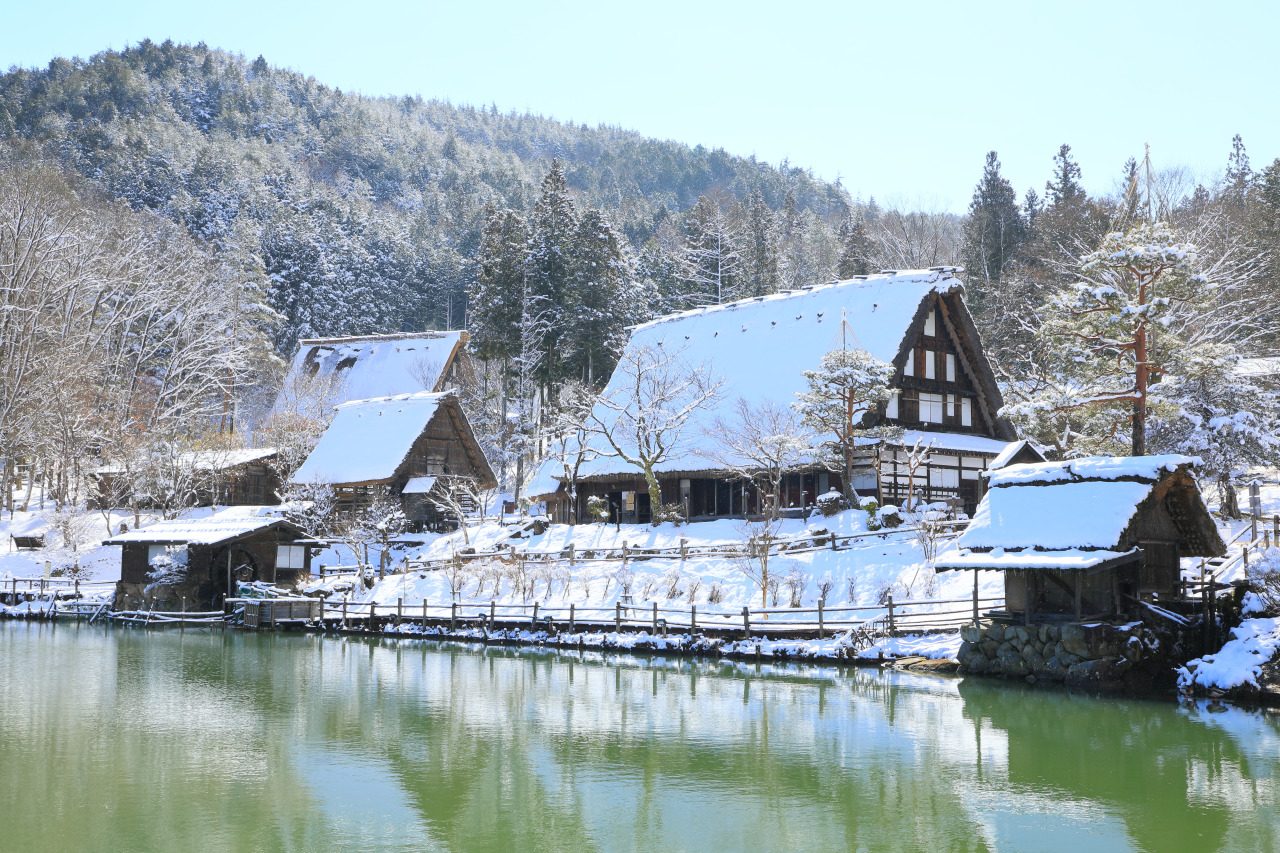
Hida Folk Village (Hida no Sato)
An open-air museum of about 30 relocated houses, including gassho-zukuri farmhouses.
Look for this: the beams blackened by smoke from the irori hearth (the Daily Life room).
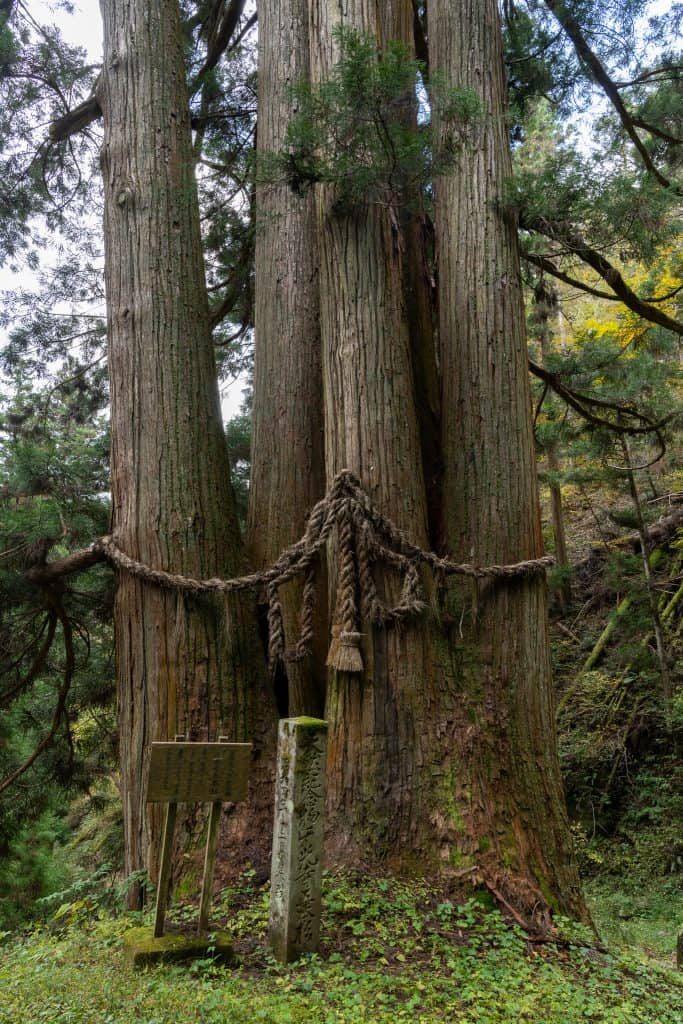
Senko-ji
A mountain temple said to have been founded by Ryomen Sukuna. It holds Buddhist statues carved by Enku.
Look for this: the statue of Ryomen Sukuna carved by Enku (the Faith room).
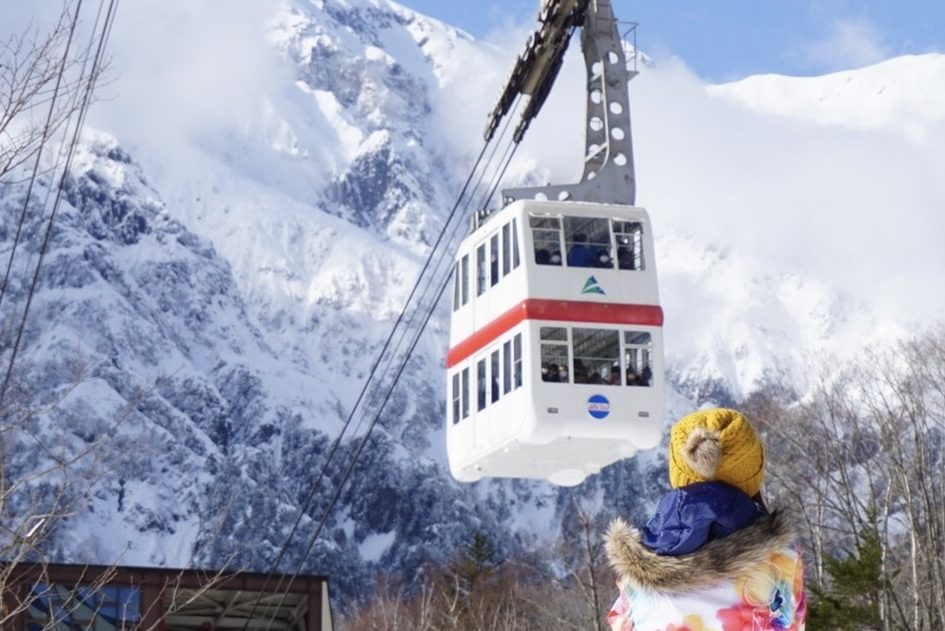
Shinhotaka Ropeway
Up into the Northern Alps in Japan's only double-decker gondola.
Look for this: the spear-tip summit of Mt Yari seen from the top (the Mountains room).
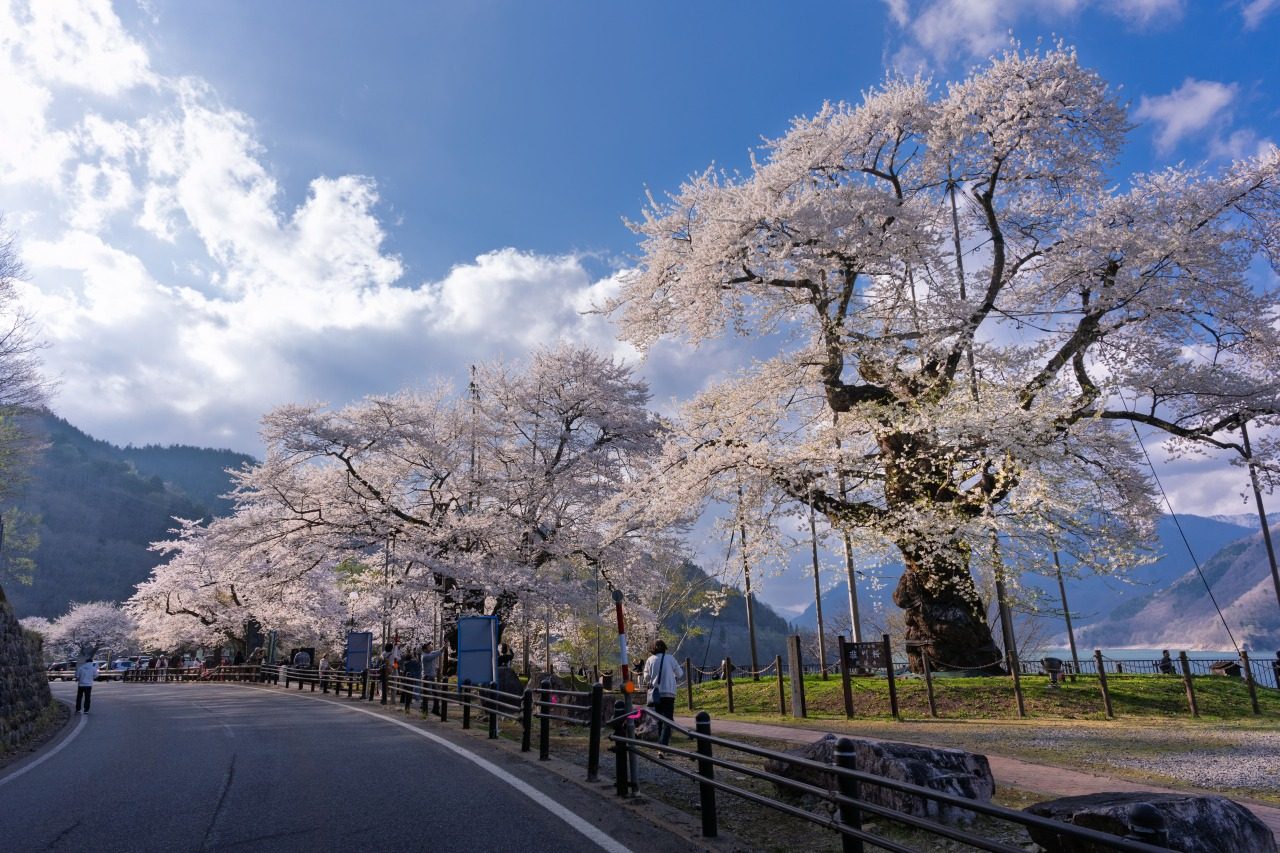
Shokawa cherry trees
Two ancient cherry trees moved from a village drowned by a dam. They are usually at their best around May.
Look for this: the monument to the transplanting beneath the trees (the Shokawa room).
Shirakawa-go, Furukawa, Kamioka and Gero
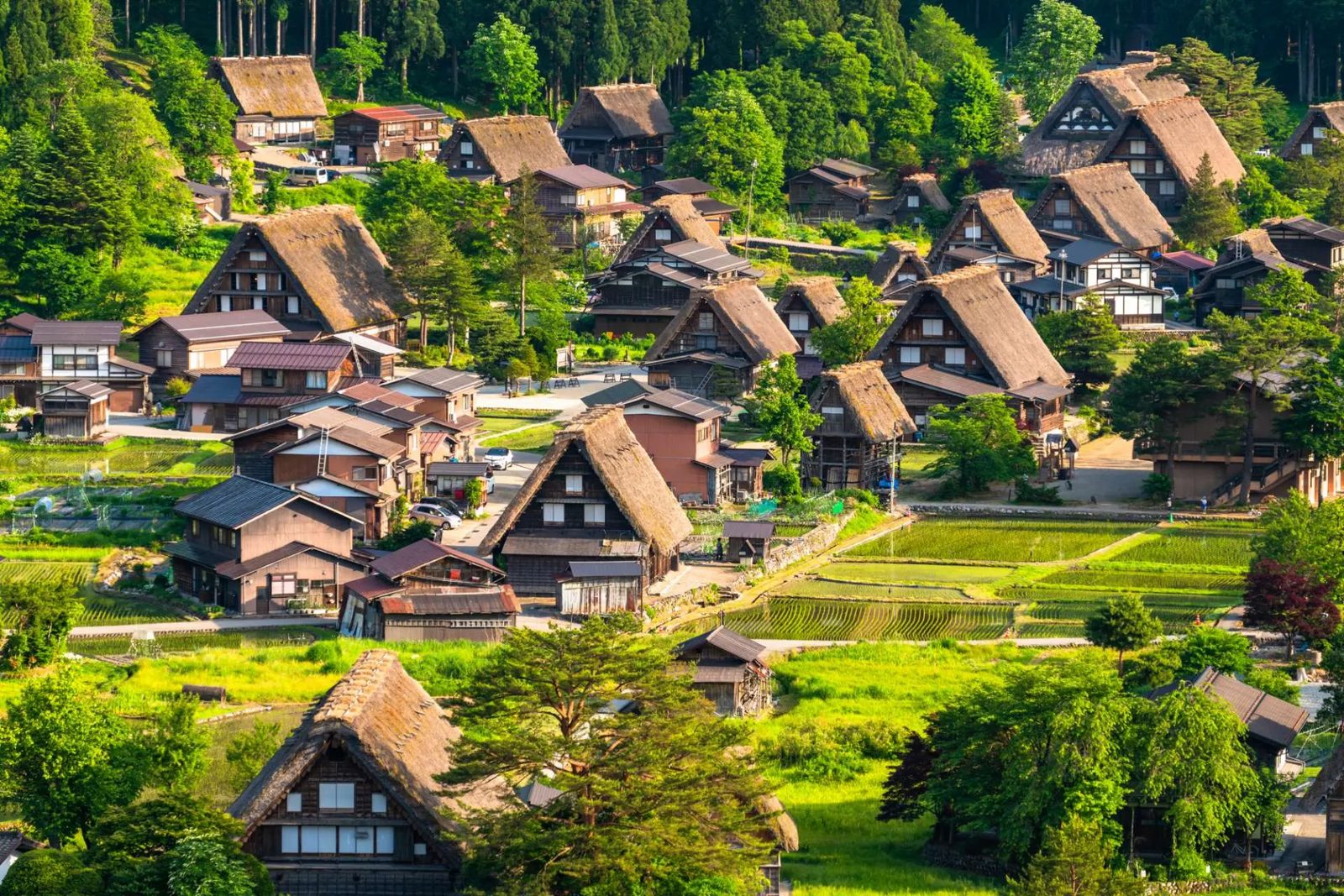
Shirakawa-go
A World Heritage village of gassho-zukuri houses (steep thatched roofs shaped like hands joined in prayer). About 50 minutes by bus from Takayama.
Look for this: the roofs all facing the same north–south direction (the Shirakawa-go room).
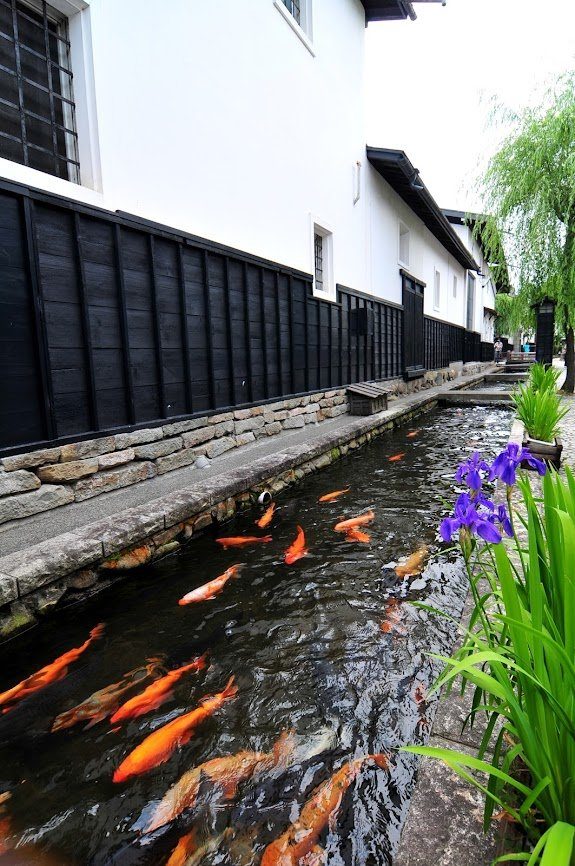
Hida-Furukawa
A town of white-walled storehouses and the carp-filled Seto canal. About 15 minutes by train from Takayama.
Look for this: the carp in the Seto canal, and the Okoshi-daiko drum festival exhibition (the Furukawa room).
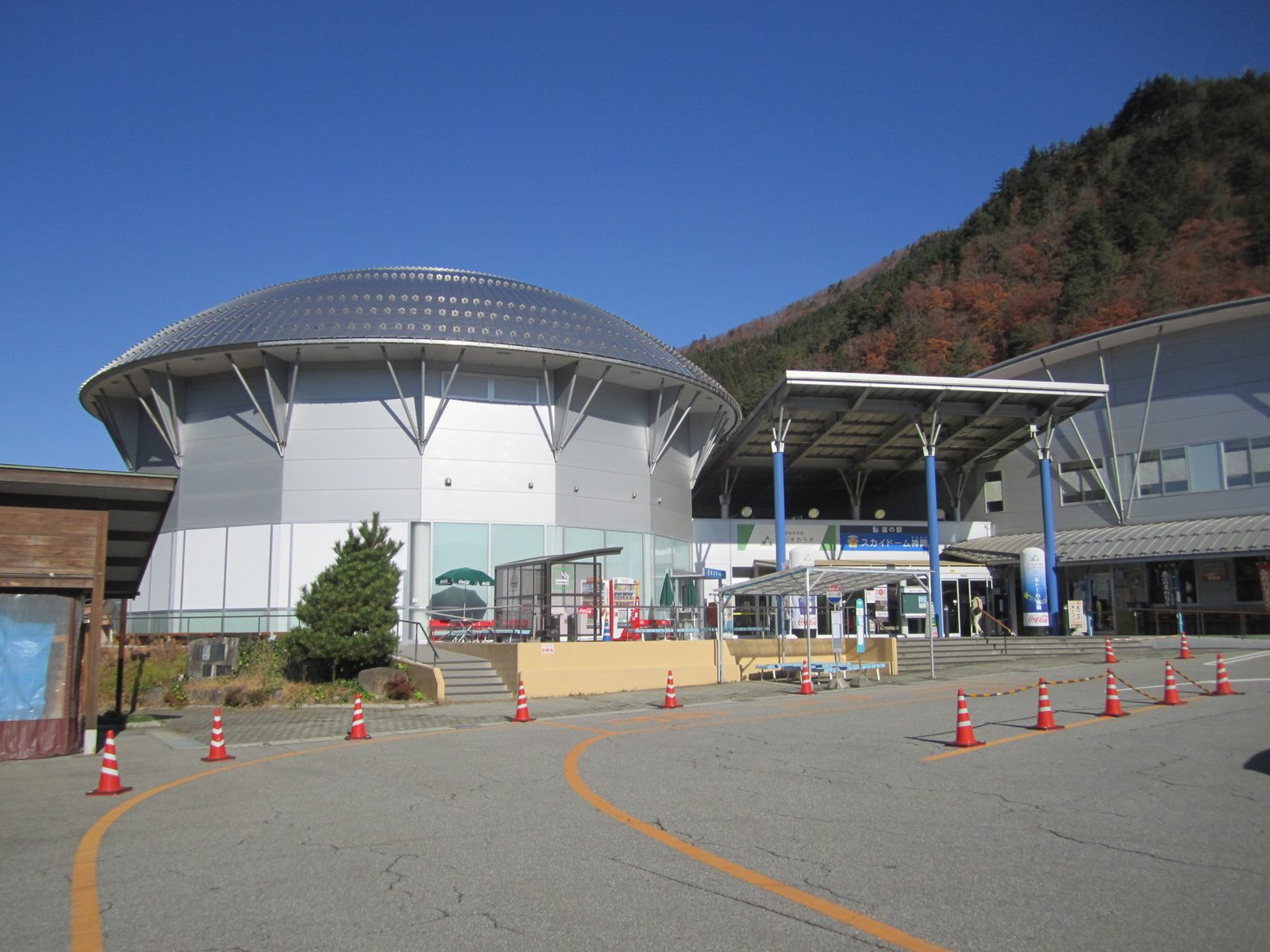
Hida Cosmic Science Museum "Kamioka Lab"
A science museum where you can experience underground neutrino observation.
Look for this: a real light sensor (the Kamioka room).
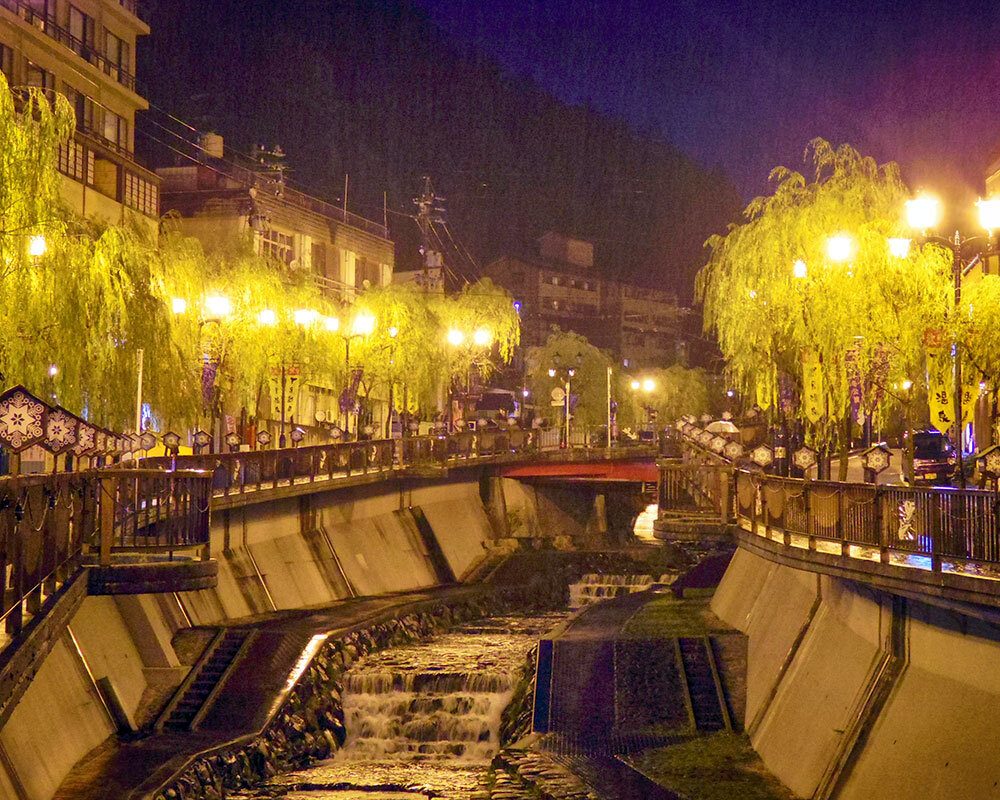
Gero Onsen
One of Japan's three famous hot springs. About 45 minutes by limited express from Takayama.
Look for this: Onsen-ji, the temple of the white heron legend (the Gero room).
Planning a route
On day one, walk "the shogunate's town and the townspeople's town" with Takayama Jinya → Miyagawa Morning Market → the old town → Takayama Festival Floats Exhibition Hall. On day two, head to Shirakawa-go. You can get there and back by bus, and stopping off at Hida Folk Village on the way back is recommended. On day three, go to Hida-Furukawa or Okuhida and Shinhotaka. If you are coming from the south, a night at Gero Onsen is also a good idea. You can walk around the city centre, but buses or a hire car are convenient for the outskirts and the mountains.