Home / The Hida Craftsmen
00 — ORIGINS
The Hida Craftsmen
In the Nara period, the provinces of Japan paid their taxes to the capital in rice and cloth. Hida alone sent carpenters instead. These were the "Hida no takumi", the Hida craftsmen, who helped build the capital at Heijo-kyo and its great temples. The story of woodworking skill that began 1,300 years ago is still alive in the town of Takayama today.
Labels: Factdocumented Likelysupported by most sources Legendoral tradition Urban legendlocal lore and rumour
Carpenters instead of taxes
FactThe laws of the Nara period (the corvée statutes of the Yoro Code) contained a special provision for Hida Province. In exchange for exempting its people from the yo and cho taxes paid by other provinces, Hida was to choose ten carpenters from each sato (village unit) and send them to the capital. They served for one year. The people left behind in the villages gathered rice to feed the carpenters working in the capital.
FactThe carpenters sent to the capital were called "takumi no yoboro" (craftsman conscripts), and around 100 of them are said to have gone up to the capital each year. They worked on palaces, government offices and temples, helping to build Heijo-kyo in Nara and then Heian-kyo in Kyoto. The system is thought to have continued at least into the Heian period.
Why Hida?
LikelyHemmed in by mountains, Hida had few rice fields and found it hard to pay enough rice or cloth. On the other hand, it was surrounded by rich forests, and its people had long excelled at working wood. It is thought that the state chose to take not goods but skill and labour from Hida.
LikelyYet working in the capital, far from home, was hard. Old records include orders to hunt down Hida craftsmen who had run away from the capital, a glimpse of how much they had to endure.
The "Hida takumi" become a legend
FactIn time, "Hida no takumi" became a byword for a skilled carpenter. The Konjaku Monogatari-shu (Tales of Times Now Past), compiled at the end of the Heian period, includes a story in which a Hida craftsman matches wits with a painter from the capital (the Legends room). The Man'yoshu poetry anthology also has a poem about the inked line snapped by a Hida craftsman.
FactIn 2017, the cultural properties that pass on the skill and spirit of the Hida craftsmen were recognised by the Agency for Cultural Affairs as Japan Heritage, under the title "The Skill and Spirit of the Hida Takumi: 1,300 Years Handed Down with Wood". Their skills live on in townhouses, festival floats and furniture-making (the Festival room and the Crafts room).
Look here: the sutra repository at Ankoku-ji
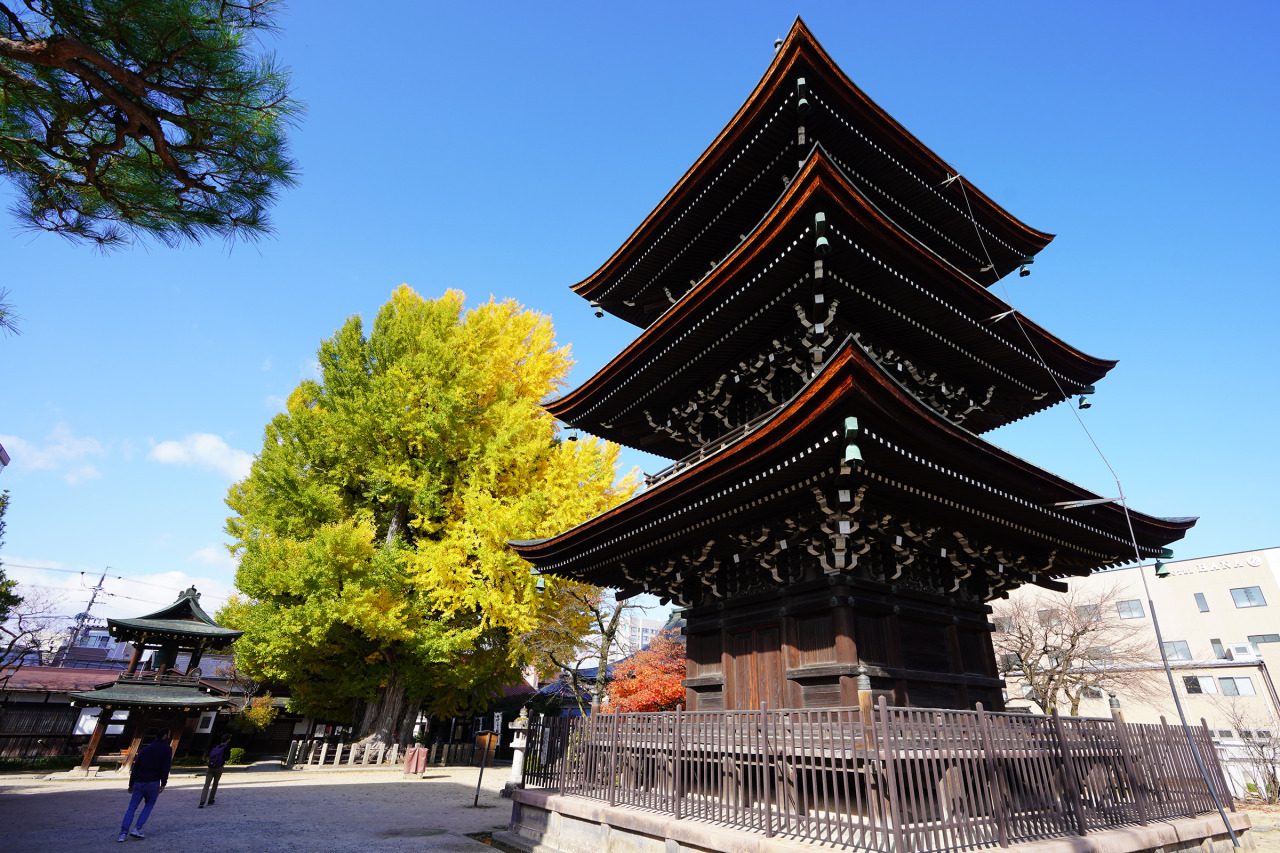
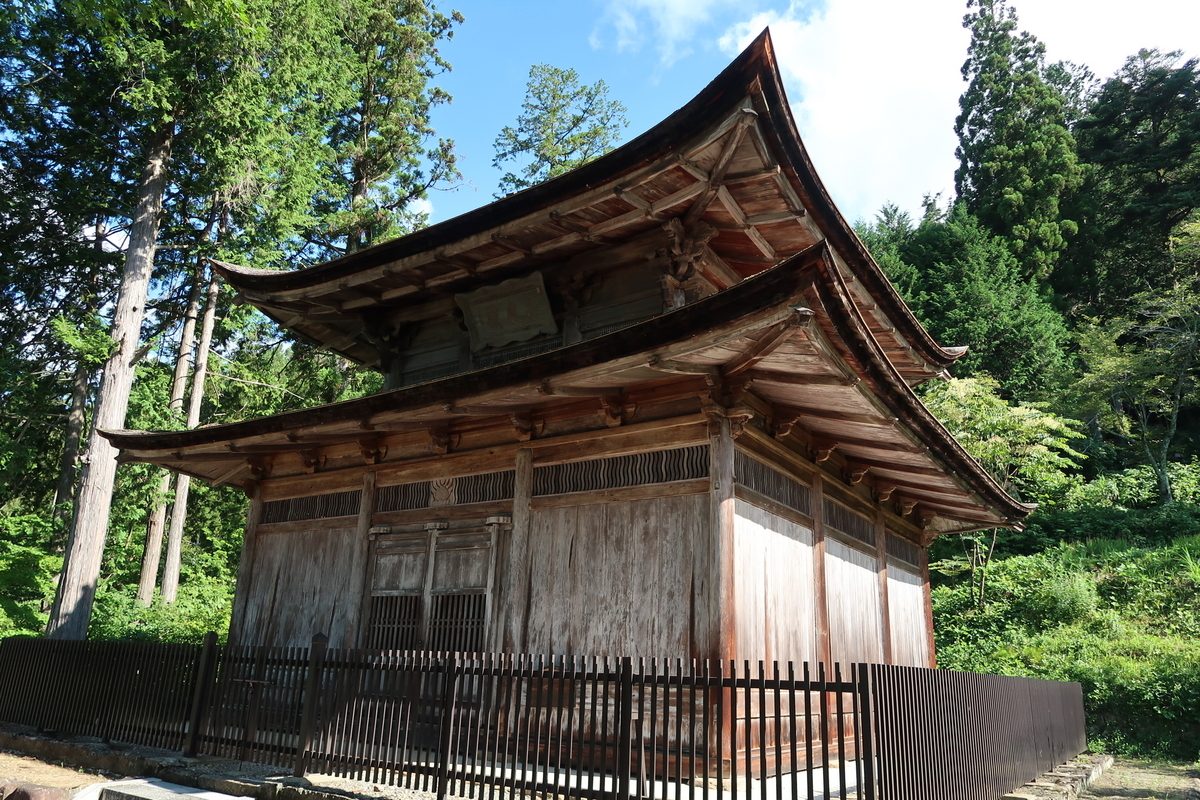
At Ankoku-ji in Kokufu-cho, Takayama, stands a sutra repository (a building for storing Buddhist scriptures) built in 1408, in the Muromachi period, and designated a National Treasure. Inside is a rinzo, a revolving octagonal bookcase holding the sutras, said to be the oldest surviving in Japan. It is a building that carries the skill of Hida's carpenters down to the present.
Main sources: National Tax Agency, "Tax exemptions in the ritsuryo state (Hida Province)" / Agency for Cultural Affairs, Japan Heritage Portal, "The Skill and Spirit of the Hida Takumi" / Takayama City, "History of Takayama" / Takayama City, "Ankoku-ji Sutra Repository"