Home / Takayama Jinya and Shogunate Rule
03 — SHOGUNATE RULE
Takayama Jinya and Shogunate Rule
In the Edo period there were more than 60 offices across Japan from which shogunate officials governed the land. Of these, Takayama Jinya is the only one whose original buildings still stand. We follow the story of the shogunate office that governed Hida for 177 years, and of the farmers who stood up against its rule.
Labels: Factdocumented Likelysupported by most sources Legendoral tradition Urban legendlocal lore and rumour
The day Hida became tenryo
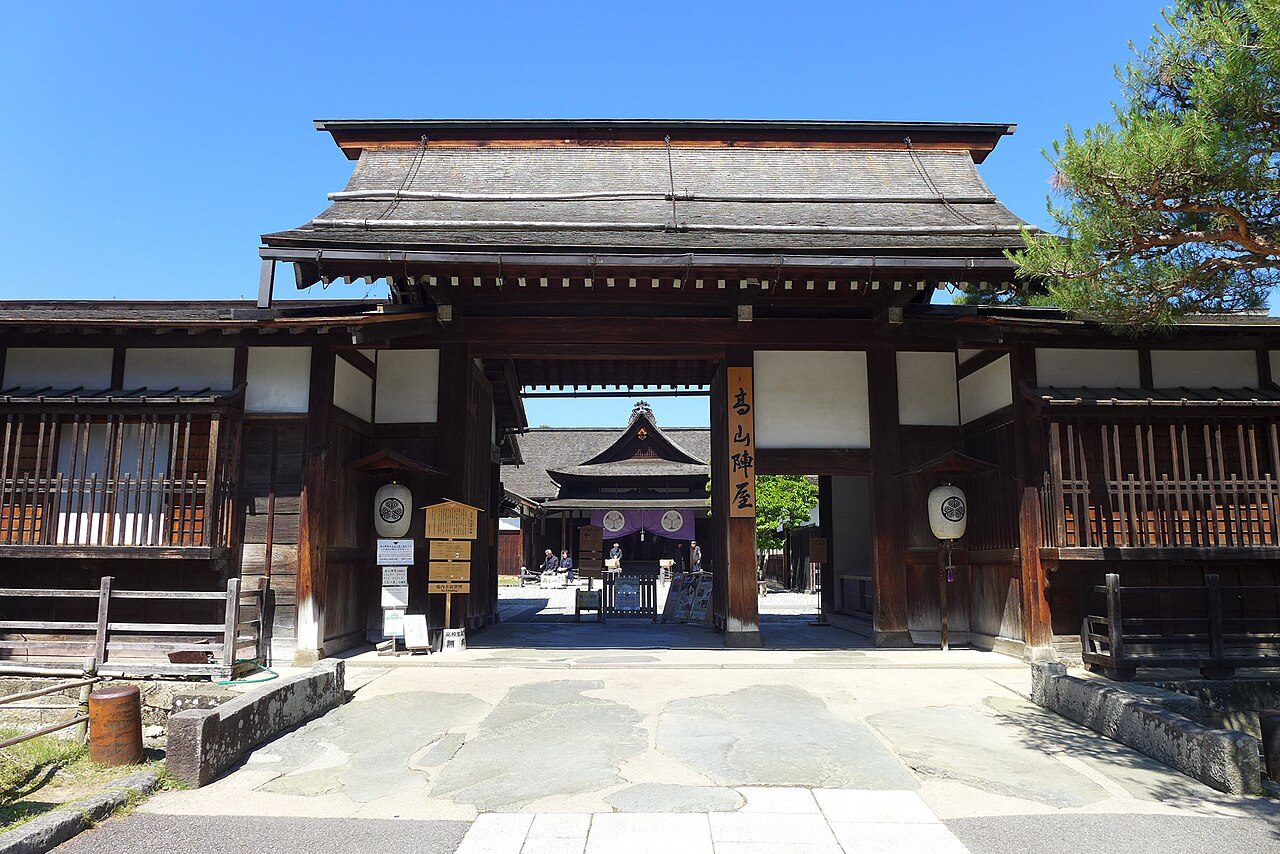
FactIn 1692, when the Kanamori clan was moved to Dewa Province, Hida became tenryo, land ruled directly by the shogunate (the Castle Town room). Officials were sent from Edo in the lords' place, and a building that had been a secondary residence of the Kanamori clan came into use as their office. This was Takayama Jinya.
LikelyThe shogunate is thought to have taken direct control of Hida because of its rich forest resources and mines such as Kamioka. Building and repairing the city of Edo required enormous quantities of timber (the Kamioka room).
FactIt began as a daikan-sho (intendant's office), but in 1777 it was raised in rank to a gundai office, the seat of a higher-ranking regional governor. Over the 177 years until the Meiji Restoration, 25 daikan and gundai governed Hida from here.
The Ohara Uprising: 18 years of unrest
FactFrom 1771 to 1789, large-scale peasant uprisings broke out again and again in Hida. Because they took place in the time of the gundai Ohara Hikoshiro and his son Kamegoro, they are known as the "Ohara Uprising".
FactThey were triggered by a policy of raising the rice tax in return for stopping the felling of timber for the shogunate, and by land surveys that re-measured fields in order to raise taxes. The farmers gathered at temples to make their case, and some set off to petition directly in Edo. The uprisings were harshly put down, and many farmers received heavy punishments, including death and exile.
FactOn the other hand, after the last of the disturbances, in the Tenmei era, the farmers' complaints were accepted by the shogunate and the gundai Kamegoro was punished. In Takayama there are still memorials to those who lost their lives in the uprising.
Still an office after the Meiji era
FactAfter the Meiji Restoration the jinya buildings remained in use as the offices of Takayama Prefecture, then Chikuma Prefecture, and then Gifu Prefecture. Their life as government offices ended only in 1969. Gifu Prefecture then restored and repaired the site, and in 1996 it regained its Edo-period appearance. It had been designated a national Historic Site in 1929.
Look here: the Okura rice storehouse and the Oshirasu court
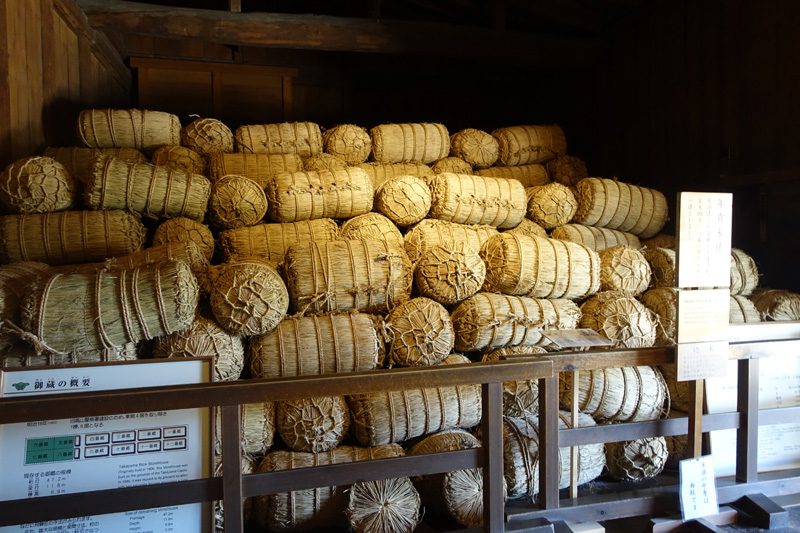
The large Okura at the back of the jinya grounds is the storehouse where tax rice was kept; it is said to be a rice store moved from the third bailey of Takayama Castle. It is one of the oldest and largest rice storehouses in Japan. In the front buildings you can also see the Oshirasu, the white-gravel court where suspects were questioned, just as it was. Every morning the Jinya-mae Morning Market is held in front of the gate (the Daily Life room).
Main sources: Gifu Prefecture, Takayama Jinya Management Office / Takayama City, "Takayama Jinya Site" and "History of Takayama" / Agency for Cultural Affairs, Database of National Cultural Properties