Home / The Old Town and Its Breweries
02 — THE OLD TOWN
The Old Town and Its Breweries
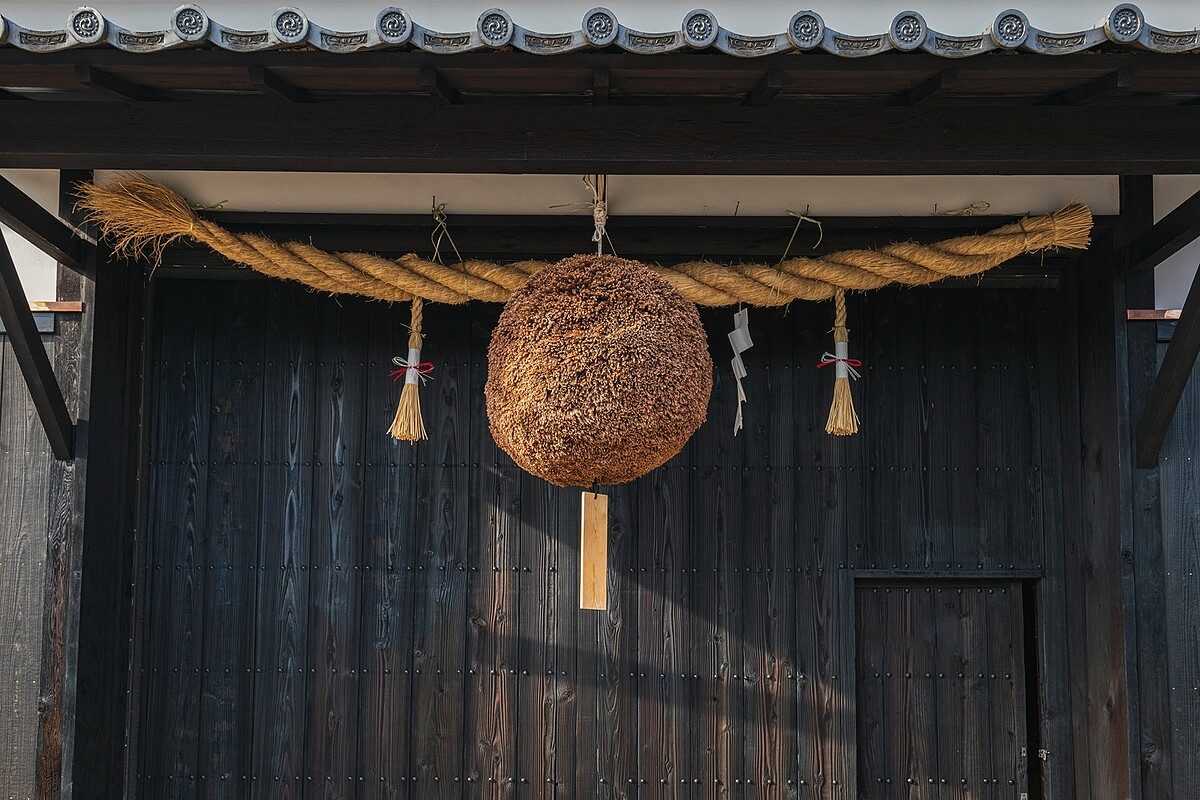
Townhouses with eaves all at the same height, fine lattices facing the street, the sound of water running beneath the eaves, and sugidama, balls of cedar leaves, hanging over brewery doors. Takayama's "old town" was built by merchants from the Edo period into the Meiji era. The ordinary-looking design of its townhouses is full of clever answers to snow, fire and the needs of trade.
Labels: Factdocumented Likelysupported by most sources Legendoral tradition Urban legendlocal lore and rumour
The streets of Sanmachi
FactTakayama's old town grew out of the townspeople's quarter of the castle town laid out by Kanamori Nagachika (the Castle Town room). The area centred on Kami-Ichinomachi, Kami-Ninomachi and Kami-Sannomachi is known as "Sanmachi" ("the three streets"), and in 1979 it was selected as a national Important Preservation District for Groups of Traditional Buildings. In 2004 the Shimo-Ninomachi–Oshinmachi area to the north was added as well.
FactIn the Edo period, when it was tenryo, land ruled directly by the shogunate, Takayama had hardly any samurai (the Tenryo room). The town's leading figures were merchants who had made their fortunes in timber, rice, sake and other goods. These wealthy merchants, known as the "danna-shu" (the town's master merchants), ran the town's affairs and supported its festival floats and culture (the Festival room).
The ingenuity of the townhouse
FactTakayama's townhouses are known for their low first-floor eaves, which line up at the same height all along the street. The "degoshi" (projecting lattices) facing the street make it hard to see in from outside, while giving a good view out from within. They let light and air into the house while protecting the privacy of a merchant family's life.
FactNarrow channels run beneath the eaves. They were used for household water and for flushing away snow, and in a fire they supplied water to put it out. Takayama, with its closely packed wooden townhouses, was struck by great fires time and again.
Sugidama and the breweries
FactHida's bitterly cold winters are well suited to brewing, and sake-making has flourished here since the Edo period. Several sake breweries still stand in the old town, and from winter into spring each offers tastings of its new sake.
FactThe round balls hanging over the brewery doors are "sugidama", made from bundled cedar leaves. When the new sake is ready, a fresh green sugidama is hung up, and as it withers to brown it tells the townspeople that the sake has matured.
Look here: the open ceilings of the Yoshijima and Kusakabe houses
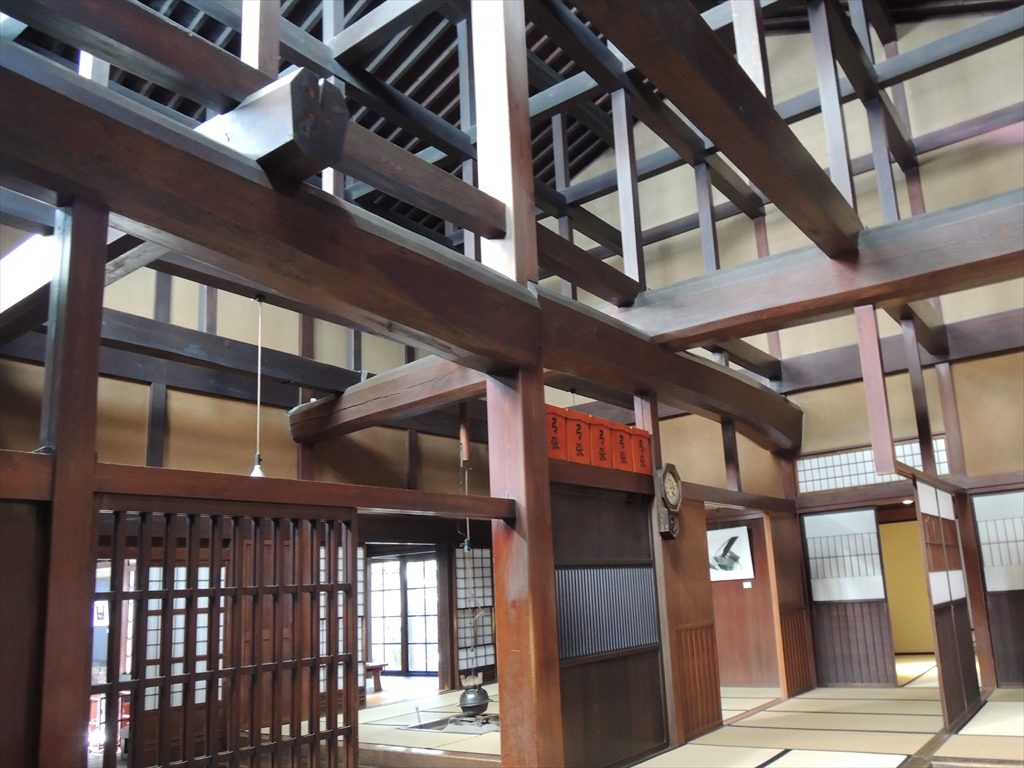
At the northern end of the old town stand the Yoshijima House and the Kusakabe House (Kusakabe Folk Museum), homes of wealthy merchants rebuilt after the great fire of the Meiji era; both are Important Cultural Properties. The lofty open space above the earth-floored hall, where thick beams and pillars lock together, is a showcase of the Hida craftsmen's skill. In the light falling from the skylights, the beams seem to float.
Main sources: Takayama City, "Sanmachi Preservation District for Groups of Traditional Buildings" / Agency for Cultural Affairs, Cultural Heritage Online, "Yoshijima House" and "Kusakabe House" / Hida Takayama official tourism website