
The 2025 edition of the "List of Japan's Regional Ramen," compiled by the Japan Ramen Association and the Japan Ramen Fan Club, includes 185 kinds of gotochi (regional) ramen from across the country. The name is the same, "ramen," but move to another town and the broth, the noodles, the toppings and the way people eat it all change. That variety may be the single most defining trait of Japanese ramen.
Most regional ramen was born when the flavor of the first shop to serve ramen in a town, or of a shop that won a reputation at a certain time, spread to the shops around it. Each style reflects the ingredients available locally and the lives of the people who worked there.
Hokkaido: Three Cities of Miso, Salt and Soy Sauce
Sapporo ramen is said to have begun with Takeya Shokudo, which opened near Hokkaido University in 1922. It was an authentic Chinese restaurant with Chinese cooks, and its noodle soup became the starting point of ramen in Sapporo.
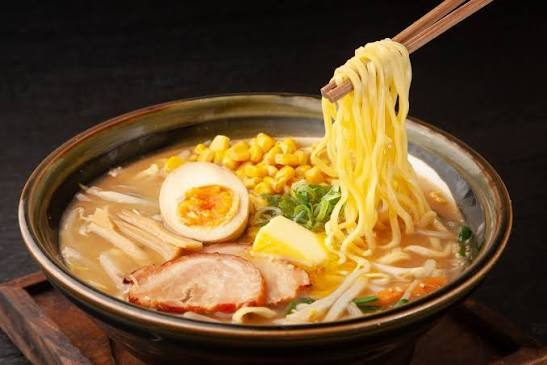
Sapporo is synonymous with miso ramen, but the miso flavor was born after the war. According to the Shin-Yokohama Ramen Museum's timeline, Morito Omiya of Aji no Sanpei in Sapporo developed miso ramen in 1954 (some sources say 1955). It is said to have officially joined the menu in 1963. Topped with stir-fried vegetables and paired with thick, wavy noodles, it was a perfect fit for a cold northern city.
Sapporo miso ramen became known nationwide largely thanks to live cooking demonstrations at "Hokkaido product fairs" held in department stores around the country from the mid-1950s through the 1970s, the nationwide expansion of miso ramen franchise shops, and the instant noodle "Sapporo Ichiban Miso Ramen," launched in 1968.
Hokkaido has two other "ramen capitals." Asahikawa ramen serves a soy sauce broth combining pork bone and seafood stock, covered with a film of lard that keeps the heat in. Hakodate ramen, true to its port-town roots, pairs a clear salt broth with straight noodles. Hakodate is also the town where the Meiji-era newspaper ad for "Nankin soba" survives (Chapter 1).
Tohoku: "Asa-Ra" in the Town of Storehouses
Kitakata ramen in Fukushima Prefecture is said to have begun in the late Taisho era with the Shina soba that Pan Qinxing, a young man from China, sold from a street stall. He later opened a shop called Genraiken. Flat, thick, wavy noodles in a clear soy sauce broth made from pork bones and niboshi (dried sardines). The noodles are "takasui" noodles, made with a high proportion of water, and are known for their smooth, slippery feel.
From the late 1970s onward, Kitakata became known nationwide through a town revitalization effort that paired its streets of old kura storehouses with ramen. It is also famous for "asa-ra," the custom of eating ramen for breakfast, and several shops open early in the morning.
Shirakawa ramen, also from Fukushima, features hand-made wavy noodles in a chicken and soy sauce broth. In Yamagata Prefecture, Akayu's "spicy miso ramen" and "hiyashi ramen," served in cold broth, are well known. Yamagata City is a "ramen town" that, in the Ministry of Internal Affairs and Communications' Family Income and Expenditure Survey, competes almost every year for first place in household spending on eating chuka soba out among prefectural capitals and other major cities (Chapter 7).
Kanto and Chubu: Soy Sauce in Tokyo, Iekei in Yokohama
Tokyo ramen, carrying on the line that began with Rairaiken, pairs a clear broth of chicken, pork bone and seafood stock, seasoned with soy sauce tare, with thin, wavy noodles. Topped with chashu, menma, green onions, naruto fish cake and nori seaweed, it looks exactly like the "chuka soba" many people picture.
Yokohama gave birth to iekei ramen, which traces its roots to Yoshimuraya, opened in 1974. A pork bone and soy sauce broth with chiyu (chicken fat) floating on top, thick straight noodles, spinach and nori. Customers can choose how firm the noodles are, how strong the flavor is and how much oil goes in (Chapter 6).
Sano ramen in Tochigi Prefecture is known for soft, flat noodles made by "aodake-uchi," rolling the dough out with a green bamboo pole. Toyama Black in Toyama Prefecture has a jet-black soy sauce broth. It is said that the flavor was made strong during the postwar reconstruction to replenish salt for laborers who sweated at work, or alternatively so it could be eaten as a side dish with rice. In Hida-Takayama, Gifu Prefecture, the standard is "chuka soba" of thin wavy noodles in a chicken and soy sauce broth, and some families are said to eat ramen to see in the new year.
Kinki, Chugoku and Shikoku: Back Fat, Hayazushi, and Sweet-Savory Pork
Contrary to the refined image of Kyoto cuisine, Kyoto ramen is known for rich, heavy bowls made with back fat and chicken. There is the jet-black soy sauce broth of Shinpuku Saikan, said to have been founded in 1938, and the thick, sludgy chicken broth of Tenkaippin, which started as a street stall in 1971 and is said to be dense enough for chopsticks to stand up in. Some say a city full of students and craftsmen nurtured these filling bowls.
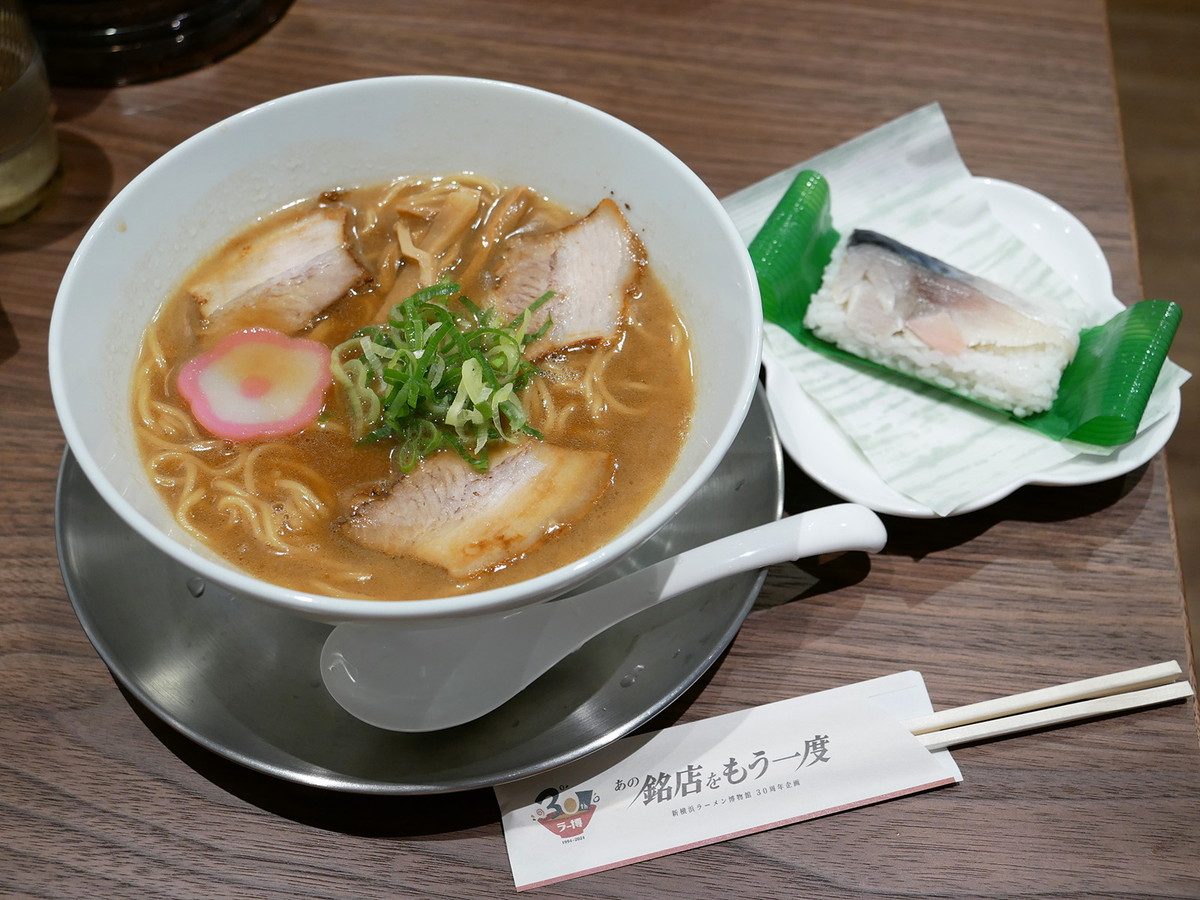
Wakayama ramen divides into the pork bone and soy sauce "Ide-kei" style and the clear soy sauce "Shakomae-kei" style. Many shops set "hayazushi," pressed mackerel sushi, and boiled eggs on the tables; you eat them with your ramen and declare what you had when you pay on the way out. In 1998, a Wakayama shop was named "the best in Japan" on a TV program, setting off a nationwide boom.
Onomichi ramen in Hiroshima Prefecture pairs a soy sauce broth made from small Seto Inland Sea fish and chicken with minced pork back fat floating on top and flat noodles. Tokushima ramen in Tokushima Prefecture has a dark brown pork bone and soy sauce broth topped with sweet-savory simmered pork belly and a raw egg, and is typically eaten with rice.
Kyushu: The Birth of Cloudy Tonkotsu
Kyushu ramen began in Kurume, in southern Fukuoka Prefecture. In 1937, the stall Nankin Senryo served ramen in a broth made from pork bones, which is considered the start of Kyushu ramen. The broth back then is said not to have been cloudy white like today's.
LegendThe cloudy white tonkotsu broth is said to have been born in 1947 at Sankyu, a stall in Kurume. As the story goes, the owner stepped out in the middle of his prep, and his mother, left to mind the fire, kept the pot boiling on high heat, producing a cloudy white broth. He seasoned it, served it, and it became a hit. It is a famous tale of an accident creating a local specialty, but no record confirms it.
When pork bones are boiled hard on high heat for a long time, the collagen and fat that dissolve out of the bones emulsify into tiny droplets, turning the broth cloudy white. Cloudy tonkotsu spread from Kurume to Hakata and Nagahama, Kumamoto and Kagoshima, changing shape in each town. In Hakata and Nagahama came ultra-thin straight noodles that could be served right away to market workers, and "kaedama," a refill of noodles alone (Chapter 6). Kumamoto floats "mayu," an oil of blackened garlic, on top and uses thicker noodles. Kagoshima's broth often combines pork bones with chicken and vegetables for a semi-cloudy result, and shops typically serve pickled daikon radish.
Noodle Towns of Tohoku and Northern Kanto
Alongside Kitakata, Tohoku has many towns with distinctive ramen. Yonezawa ramen in Yamagata Prefecture is a light bowl of thin, tightly curled noodles in a clear soy sauce broth made from chicken and niboshi. The noodles, crinkled by kneading them hard by hand, pick up plenty of broth.
At Akayu Onsen in Nan'yo City, Yamagata Prefecture, according to the Shin-Yokohama Ramen Museum's timeline, Ryushanhai created karamiso ramen (spicy miso ramen) in 1960. A lump of spicy miso sits in the middle of the bowl, and you dissolve it bit by bit, enjoying how the flavor shifts. Yamagata's hiyashi ramen was devised so ramen would taste good even with a cold broth in a basin town with hot summers; sometimes ice cubes float in the soup.
In Sano, Tochigi Prefecture, and Shirakawa, Fukushima Prefecture, "aodake-uchi," rolling out dough with a bamboo pole, and hand-made noodles are still handed down today. Noodles rolled by hand rather than machine vary slightly in thickness, which gives them a unique mouthfeel.
Kumamoto Ramen Crosses the Sea
Kumamoto ramen is known for its mellow broth, which combines tonkotsu broth brought from Kurume with chicken, and for "mayu," the blackened garlic oil.
Some ramen shops born in Kumamoto have grown big overseas. Ajisen Ramen, founded in Kumamoto in 1968, opened its first shop in Hong Kong in 1996, then spread into mainland China to become a major chain with several hundred shops, centered on the mainland. A single ramen shop from provincial Japan came to have many times more shops across the sea than in Japan (Chapter 8).
Where Ramen Ends and "Soba" Begins
Okinawa has a noodle dish called "Okinawa soba." It uses no buckwheat flour; the noodles are made from wheat flour with kansui (in the old days, lye drawn from wood ash), so judging by how they are made, they belong to the Chinese-style noodle family. Yet Okinawa soba, served in a broth of pork bones and bonito flakes and topped with sanmainiku (pork belly) or soki (pork spare ribs), is to Okinawans a hometown dish entirely separate from ramen.
Nagasaki's champon, too, is a noodle dish of thick noodles topped with plenty of vegetables and seafood in a pork bone and chicken broth, a close cousin of ramen. Where does "ramen" end? That line may actually be drawn less by how a dish is made than by what local people call it and how they have eaten it.
How Regional Ramen Became "Regional Ramen"
The term "gotochi ramen" came into wide use from the late Showa era into the Heisei era. Key triggers included Kitakata's town revitalization, TV ramen programs, magazine features, and the Shin-Yokohama Ramen Museum, which opened in 1994 and gathered famous shops from all over Japan in one place so visitors could enjoy tasting and comparing them.
Around 1998, ramen from Asahikawa and Wakayama made headlines one after another, and "ramen named after a town" became a destination for travelers. Regional ramen remained the everyday taste that locals eat daily, while also becoming a tourist draw that brings in people from far away.
What to Look For: On the Table
The differences between regional ramen are not only in the bowl. Hayazushi in Wakayama, pickled daikon in Kagoshima, red pickled ginger and spicy takana mustard greens in Hakata, a bowl of rice in Tokushima. Look at what sits on the tables of a town's ramen shops and you will see how locals have eaten their ramen.
Sources and notes for this chapter
Facts
- The 2025 edition of the "List of Japan's Regional Ramen" (Japan Ramen Association and Japan Ramen Fan Club) includes 185 kinds.
- Takeya Shokudo in Sapporo was founded in 1922, Nankin Senryo in Kurume in 1937, and Yoshimuraya in Yokohama in 1974; Tenkaippin started as a street stall in 1971.
- Morito Omiya of Aji no Sanpei developed miso ramen in 1954 (Shin-Yokohama Ramen Museum timeline; some say 1955). It is said to have officially joined the menu in 1963.
- Sapporo Ichiban Miso Ramen launched in 1968. The Shin-Yokohama Ramen Museum opened in 1994.
Other Theories and Notes
- The story of how Sankyu's cloudy broth was born in Kurume is a legend and has not been confirmed by records.
- There are several theories about the founding year of Genraiken in Kitakata, the origin of Toyama Black, and the founding year of Shinpuku Saikan in Kyoto.
- The characteristics given for each region's ramen are representative. Shops in the same area can differ greatly.
Main References
- Japan Ramen Association, "List of Japan's Regional Ramen"
- Shin-Yokohama Ramen Museum, "The History of Ramen in Japan" and "Regional Ramen Across Japan"
- Ministry of Internal Affairs and Communications, "Family Income and Expenditure Survey"