
"How many kinds of ramen are there?" There is no single right answer. You can sort ramen by "flavor," as in soy sauce, salt, miso and tonkotsu; by "broth," such as tori paitan or niboshi; by "way of eating," such as tsukemen or abura soba; by "shop lineage," such as iekei or Jiro-kei; or by "region," such as Sapporo or Hakata. Real bowls of ramen are combinations of all of these. Hakata ramen, for example, is a regional ramen from "Fukuoka" with a "tonkotsu" broth, a "salt or soy sauce" tare (the seasoning base), "ultra-thin noodles," and its own way of eating, "kaedama" (a refill of noodles).
This field guide sorts ramen in five ways and explains what each type tastes like and why it was born. At the end, we look to history to ask why Japanese ramen branched out into so many types. Regional ramen is covered in detail in Chapter 4, and the stories behind the lineages in Chapter 6.
At a Glance: Five Ways to Sort Ramen
| Way of sorting | What it sorts by | Main types |
|---|---|---|
| Flavor (tare) | The "core" seasoning placed in the bottom of the bowl | Soy sauce, salt, miso (+ tonkotsu, named after its broth) |
| Broth | What the stock is made from and how it is cooked | Clear chicken, tori paitan, tonkotsu shoyu, beef bone, animal-and-seafood, niboshi, fresh fish, shellfish, crustacean, back fat, "doro-kei," "vegepota" |
| Way of eating | How noodles and broth are served, and how toppings are combined | Tsukemen, abura soba, mazesoba, hiyashi chuka, tantanmen, tanmen, sanmamen, champon, nabeyaki ramen |
| Lineage | The founding shop and the shops of its apprentices or imitators | Iekei, Jiro-kei, Taishoken-kei, seabura chatcha-kei, tanrei-kei, mukacho |
| At home | How it is preserved and prepared | Packaged noodles, bo ramen, cup noodles, frozen, chilled |
1 The Four Basic Flavors
Soy Sauce (Shoyu) Ramen
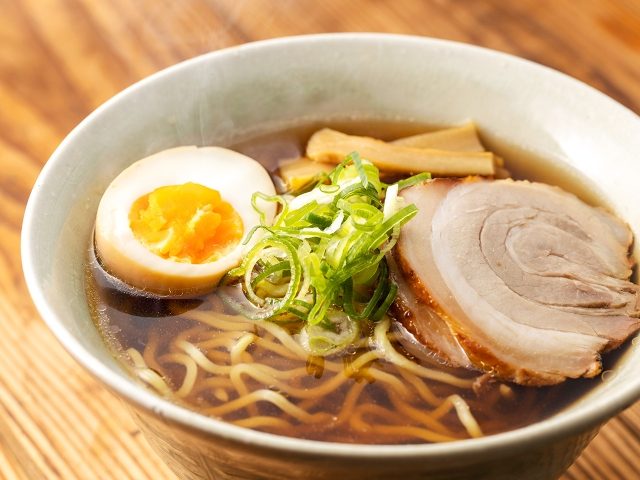
Soy sauce tare combined with a clear broth made from chicken bones and the like: the oldest and most widely eaten flavor. Most old-fashioned "chuka soba" is this kind. Topped with chashu, menma (seasoned bamboo shoots), green onions and naruto fish cake, it is the original picture of ramen.
WhyThe noodle soups of Meiji-era port towns were mostly salt-seasoned, but shops that marketed to Japanese customers, such as Rairaiken in Asakusa, seasoned theirs with soy sauce, a flavor familiar to Japanese people, and the style caught on. Because soy sauce could be bought anywhere in Japan, it became the standard flavor of "chuka soba shops" across the country (Chapter 1).
Salt (Shio) Ramen
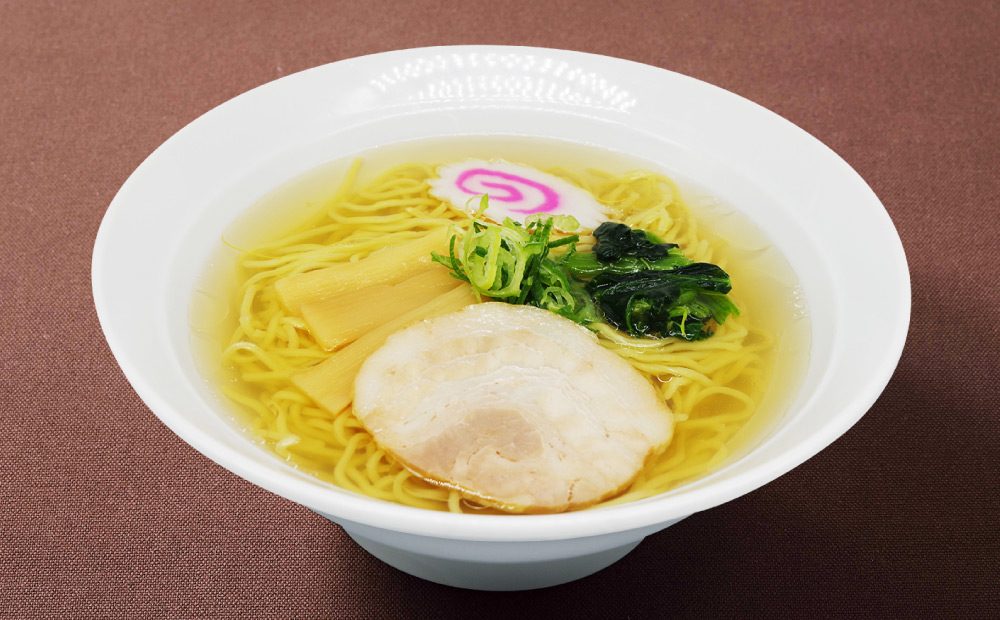
Salt tare combined with a crystal-clear broth: the lightest of the flavors. Because the broth is pale and the taste of the stock comes straight through, it is said to be a flavor where the cook's skill cannot be disguised.
WhyThe "Nankin soba" that Yowaken in Hakodate advertised in a newspaper in 1884 is said to be the root of Hakodate's salt ramen. From around 2010, "tanrei-kei" shops that bring out the aroma of chicken or seafood stock made salt ramen their signature and won it new popularity.
Miso Ramen
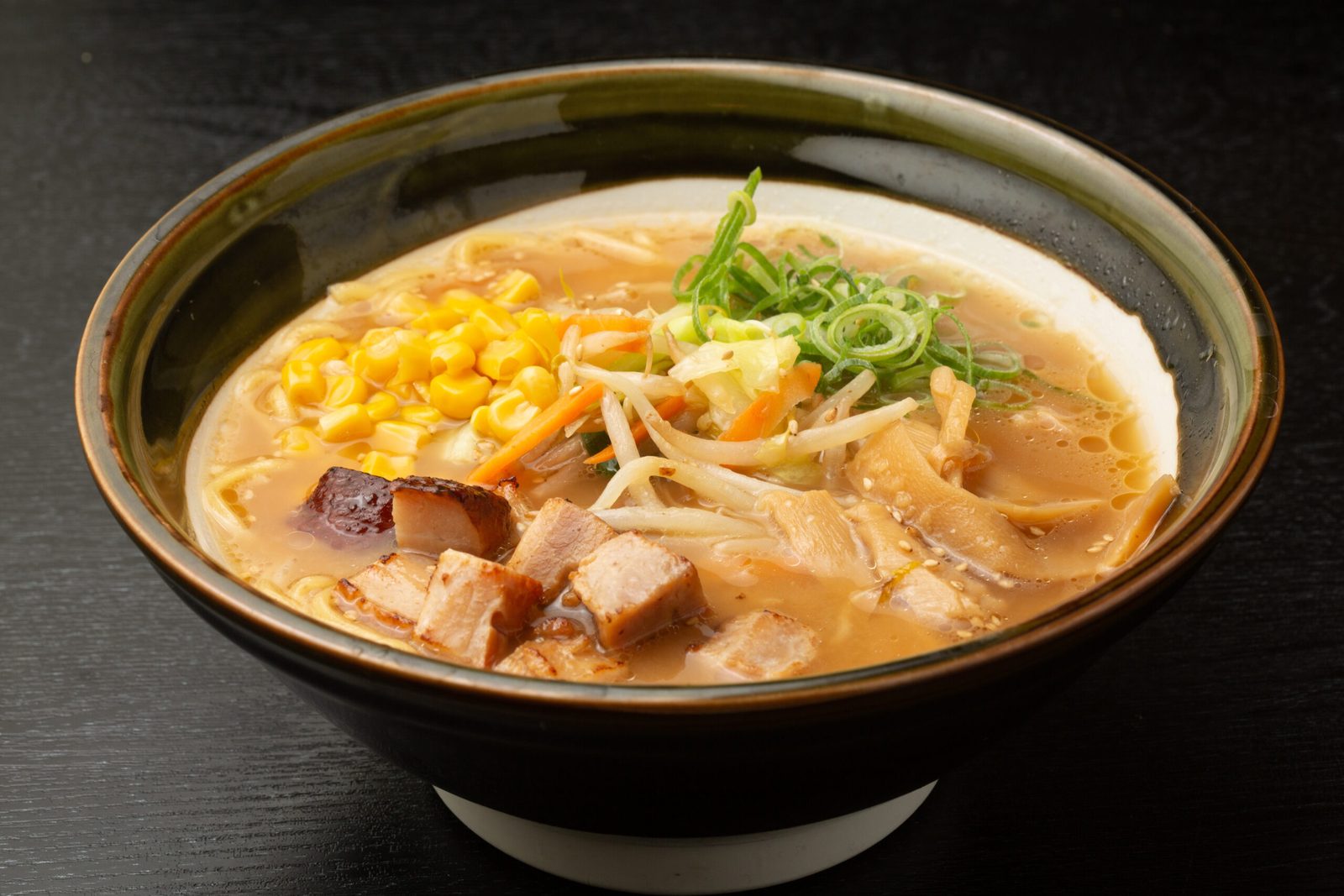
A rich broth with miso tare dissolved in it, stir-fried bean sprouts and cabbage, ground meat, and thick, wavy noodles. It is sometimes topped with butter or corn. Spicy miso, loaded with garlic and chili, is popular too.
WhyIt is a relatively new flavor, born in postwar Sapporo (Chapter 4). A taste for strong, warming flavors in a cold place, and its nationwide spread through Hokkaido product fairs, franchise shops and instant noodles, are why it grew into one of "ramen's four flavors."
Tonkotsu Ramen
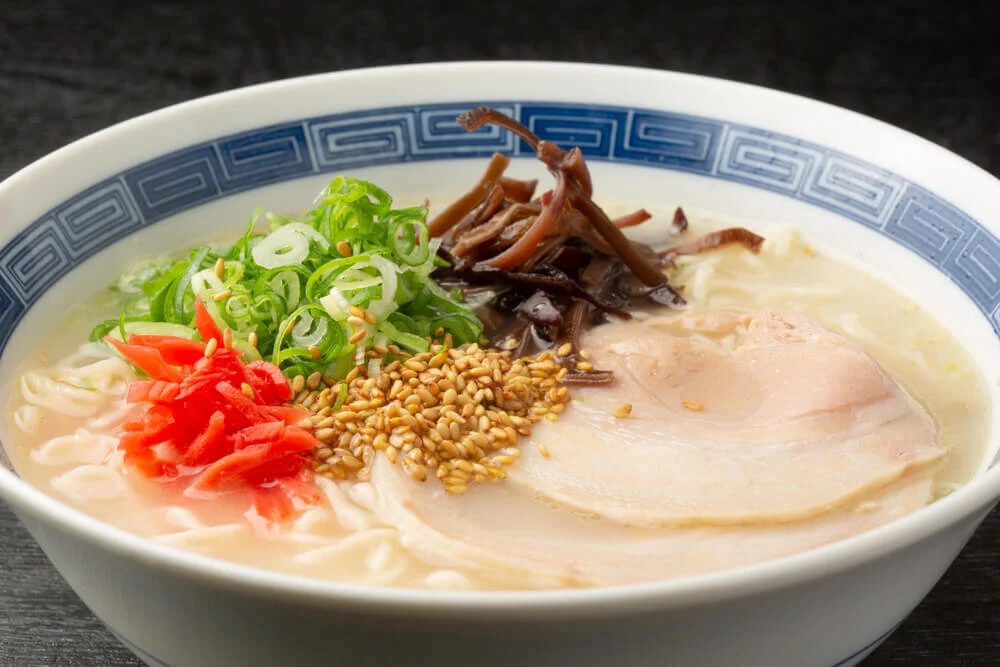
A broth made by boiling pork bones hard on high heat for a long time until it turns cloudy white. Many Kyushu shops pair it with thin straight noodles, and diners change the flavor as they go with red pickled ginger, spicy takana mustard greens and ground sesame. The kaedama custom was born here too.
WhyTonkotsu is a type of broth rather than a "flavor," but its strong character has earned it a place alongside soy sauce, salt and miso. The cloudy broth born in Kurume was embraced by people working in coal mines, ports and markets as a cheap, filling bowl, and spread throughout Kyushu (Chapters 4 and 6).
2 Broth Styles
Clear Chicken Broth (Jundori)
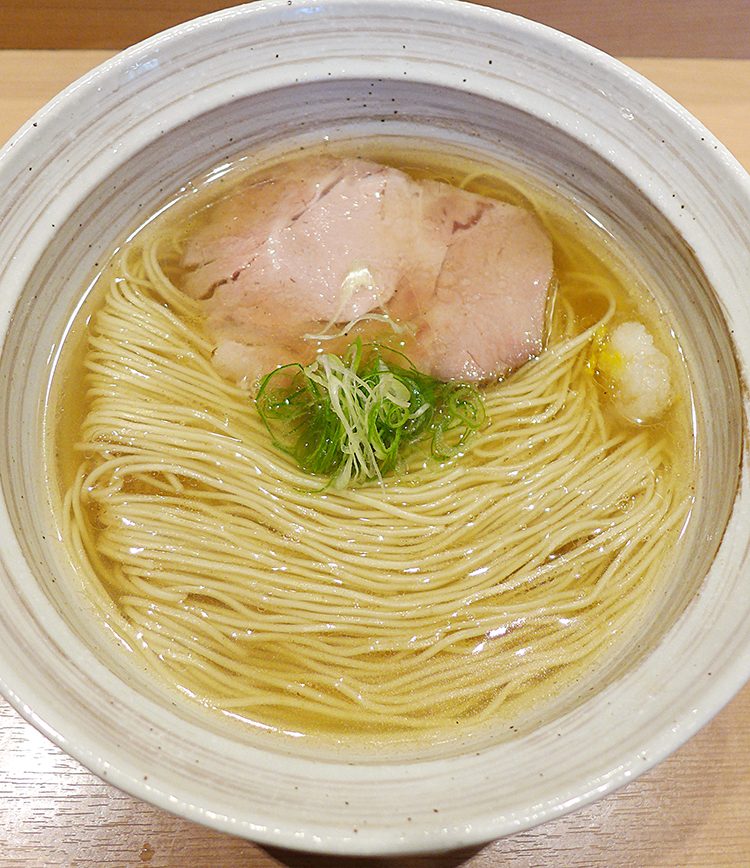
A refined broth, rich in umami, made from chicken alone with no pork or seafood. It is finished with chiyu (chicken fat) floating on top and seasoned with salt or soy sauce.
WhyIt takes the chicken broth that was the basis of old-fashioned chuka soba and pushes it to the limit with carefully chosen ingredients such as branded chickens. From the Heisei era on, as more shops competed on the quality of their ingredients, shops advertising "jundori" (pure chicken) became more noticeable.
Tori Paitan
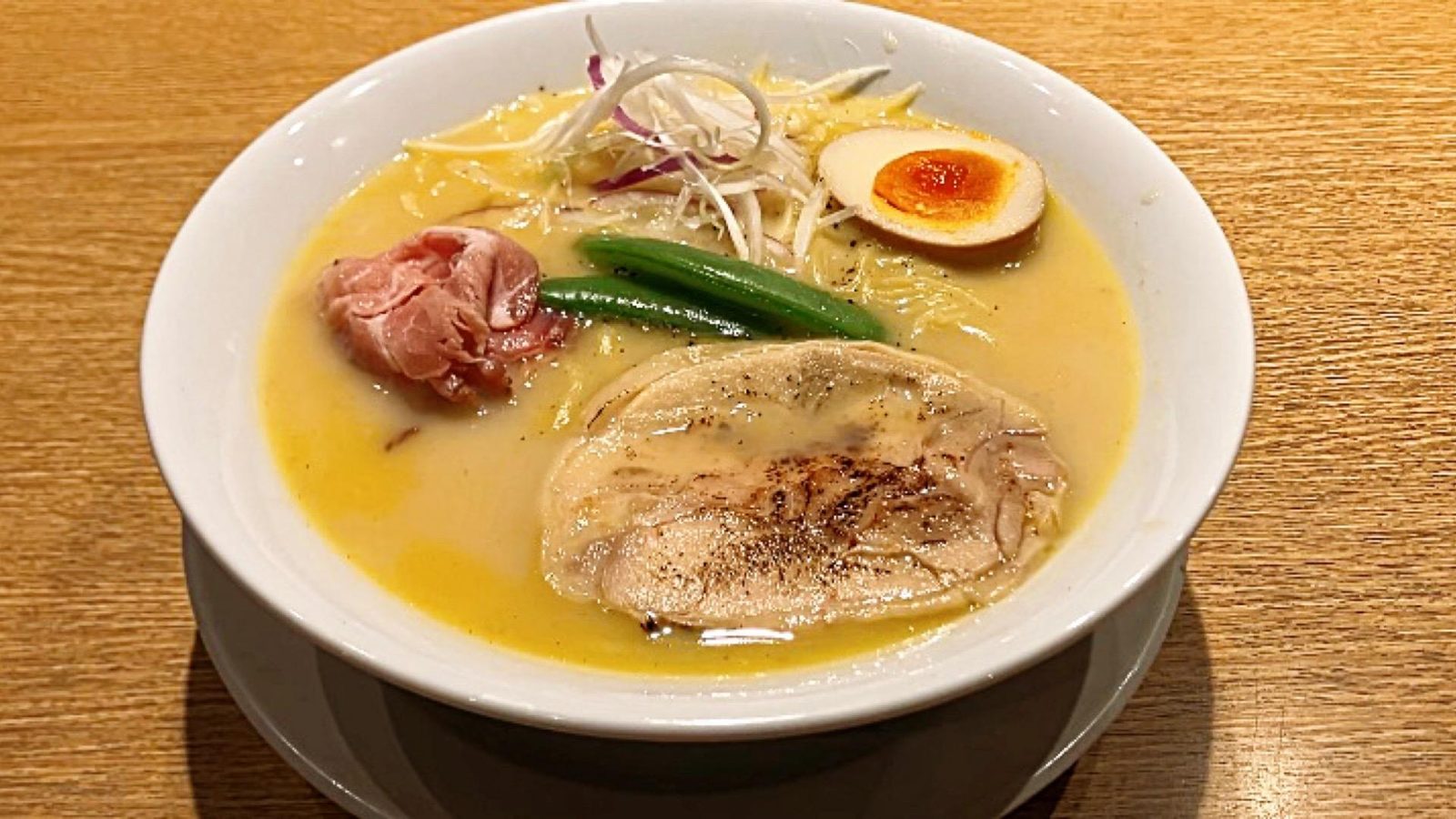
A thick, creamy broth that you could call the chicken version of tonkotsu. It has less funk than pork bone broth and is rich yet light on the finish.
WhyThe Shin-Yokohama Ramen Museum's timeline dates its boom to around 2005. One reason it spread is thought to be that it suited both customers who wanted rich flavors and shops that wanted to avoid the strong smell of pork bones (those in residential areas or in commercial buildings).
Tonkotsu Shoyu
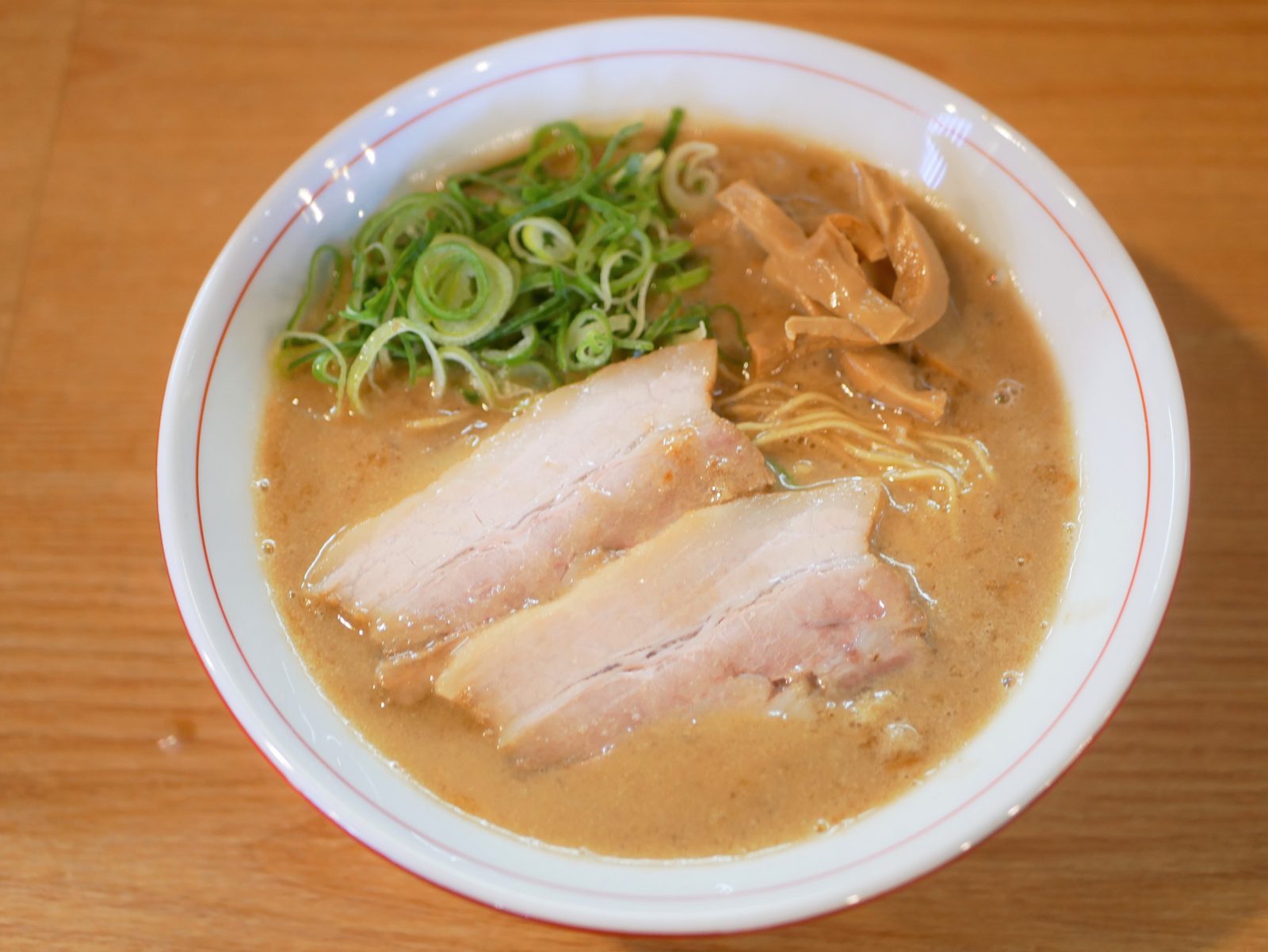
The deep richness of pork bones combined with the toasty aroma of soy sauce. Iekei ramen, Wakayama's Ide-kei and Tokushima ramen are all popular versions of this pairing, each born separately in its own place.
WhyTonkotsu shoyu was born independently in places like Wakayama, Tokushima and Yokohama's iekei shops. You could say it came about as places used to soy sauce chuka soba developed a taste for rich broths made by boiling bones hard. When a tonkotsu ramen boom hit the Tokyo area around 1989, rich pork bone broth became even more widely loved.
Beef Bone Ramen
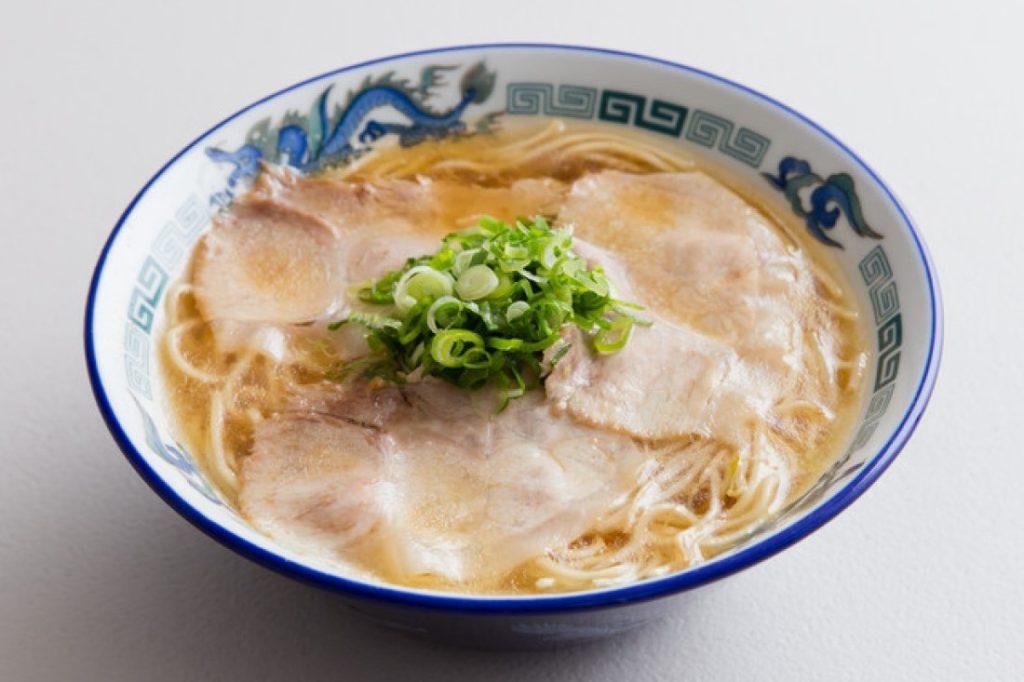
Beef bone stock is faintly sweet with a toasty aroma. In central and western Tottori Prefecture, soy sauce ramen in a beef bone broth is a beloved local flavor.
WhyRamen stock has always been made from whatever bones were cheap locally. In areas where cattle were widely traded, beef bones are thought to have been used instead of pork or chicken bones, and that became the town's flavor.
Animal and Seafood (W Soup, Tonkotsu Gyokai)
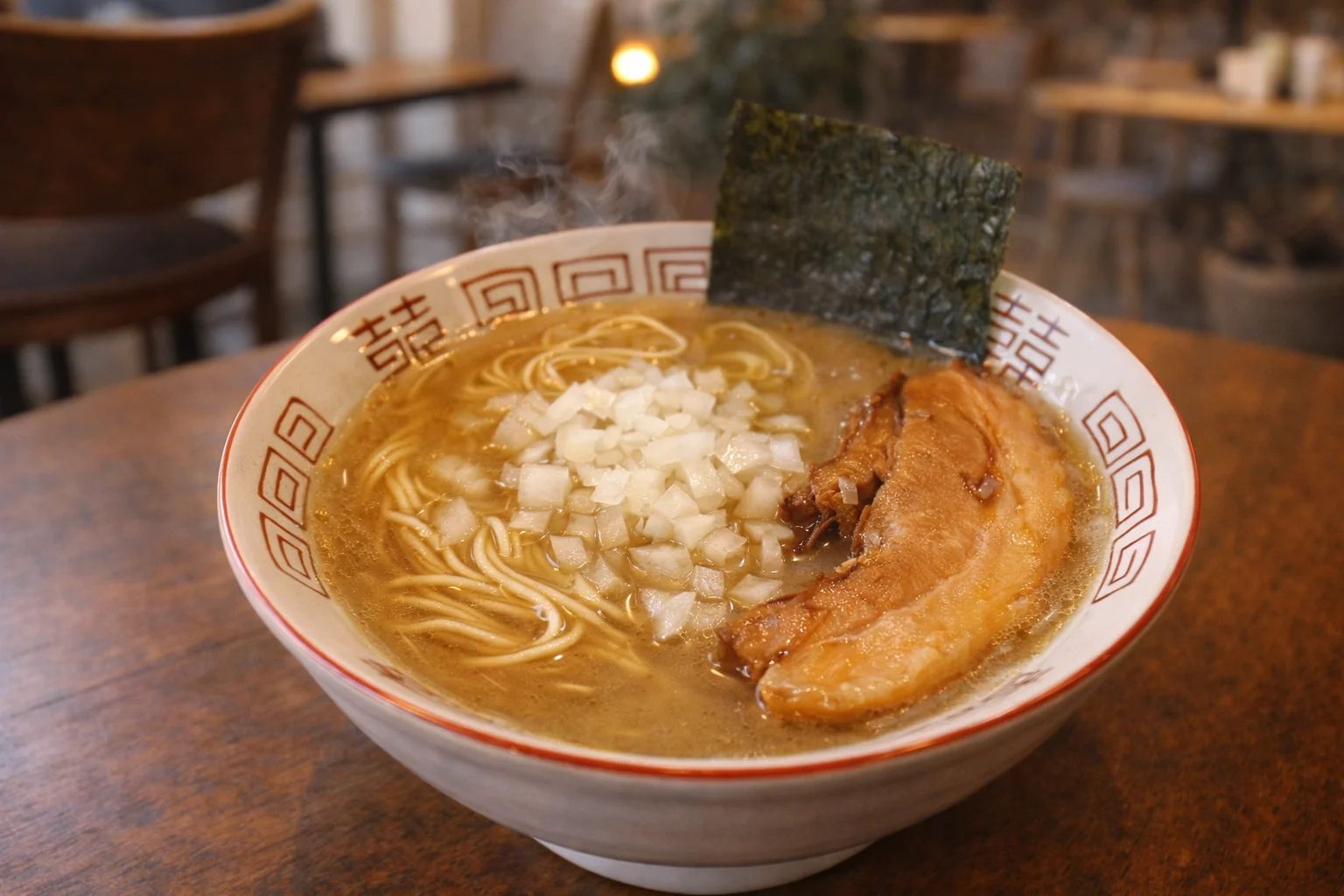
A broth that combines the richness of animal stock with the aroma of seafood. The rich versions are called "tonkotsu gyokai" (pork bone and seafood) and are sometimes topped with fish powder. Most rich seafood tsukemen belongs to this family.
WhyThe combination makes the most of umami synergy (Chapter 5), and "W soup" (double soup) became popular in the Tokyo area in the early 2000s. Its closeness to the aroma of soba dipping sauce, familiar to Japanese people, is also said to be a reason it caught on.
Niboshi-Kei
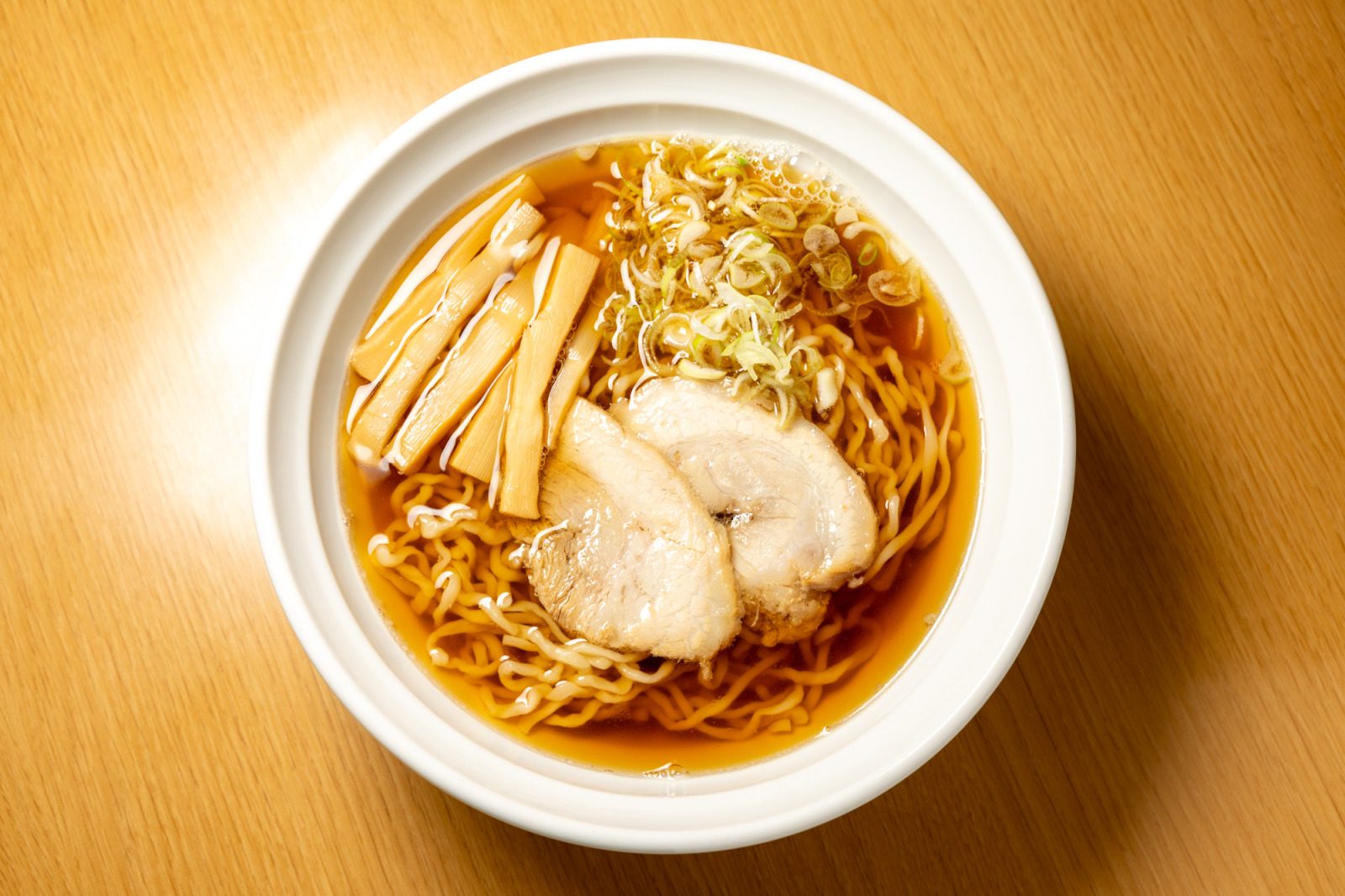
A broth that puts the aroma and slight bitterness of niboshi front and center. It ranges from light versions to "noko niboshi" (rich niboshi), which uses so much that the fish practically dissolves into the soup. Devoted fans also call it "nibo-kei."
WhyIn the Tsugaru region of Aomori Prefecture, chuka soba made with stock from niboshi caught in nearby waters had long been the local flavor. From the Heisei era on, it spread to shops nationwide as a bowl with niboshi as the star.
Fresh Fish, Shellfish and Crustacean Broths
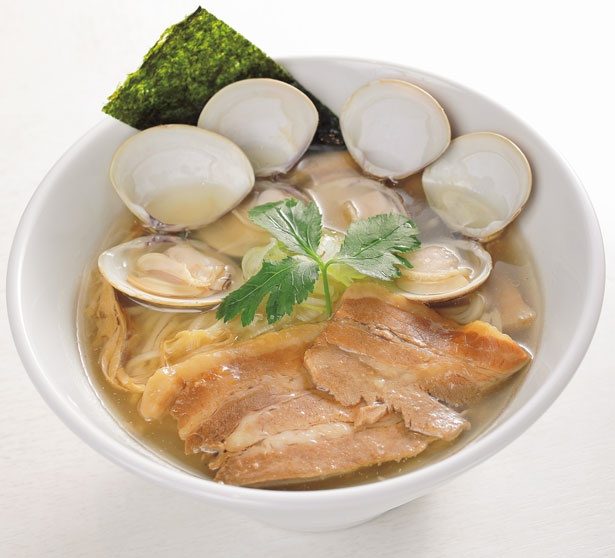
"Sengyo-kei" (fresh fish) broth uses fresh fish trimmings rather than dried fish; "kaidashi-kei" (shellfish) broth draws on the umami of succinic acid in clams; and "kokaku-rui-kei" (crustacean), or "ebi soba," transfers the aroma of stir-fried shrimp shells to the broth. All are relatively new styles that spread from the Heisei era on.
WhyAs ramen shops multiplied and the need to compete with a bowl unlike anyone else's grew, more shops borrowed techniques from Japanese and French cuisine and searched for new stock ingredients. You could call these styles the product of a race to stand out.
Back Fat (Seabura) Ramen
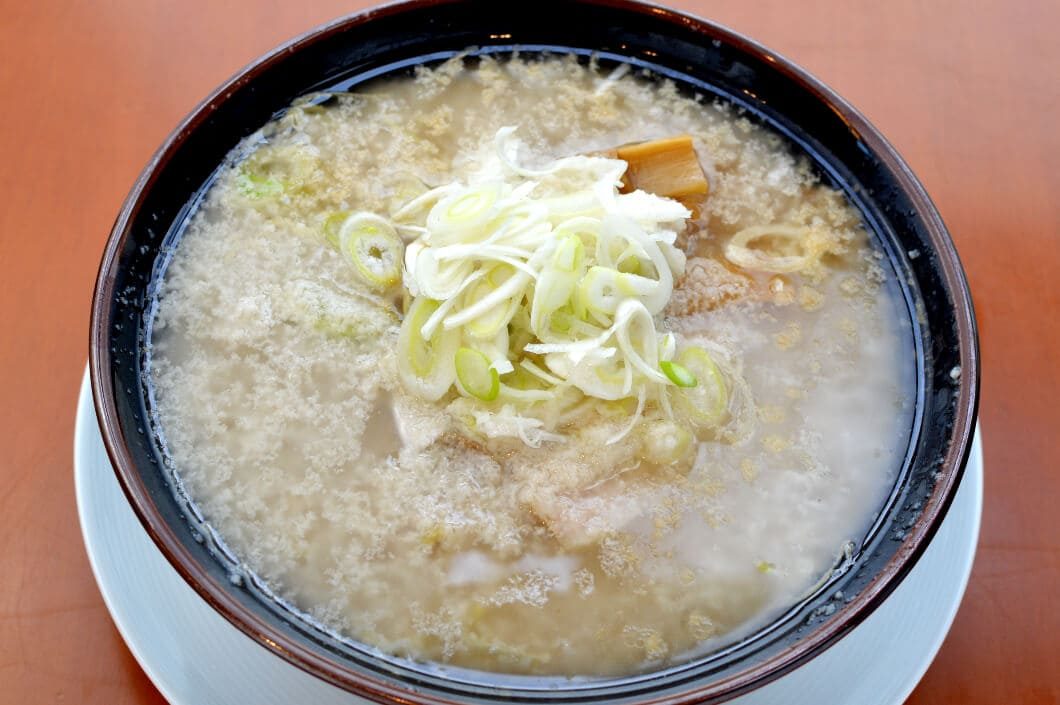
Ramen in which tiny bits of back fat cover the surface of a soy sauce broth like snow. It has a rich sweetness and keeps the broth from cooling quickly.
WhyIn Tokyo, "seabura chatcha-kei" became popular in the 1970s. LikelyIn Tsubame, Niigata Prefecture, the style is said to have begun when Koshu Hanten, founded in the early Showa era, added back fat to satisfy customers without raising prices. Keeping the broth hot was a happy accident, and because the shop delivered so often to metalworking factories, it is said to have switched to extra-thick noodles that would not go soggy.
Doro-Kei and Vegepota-Kei
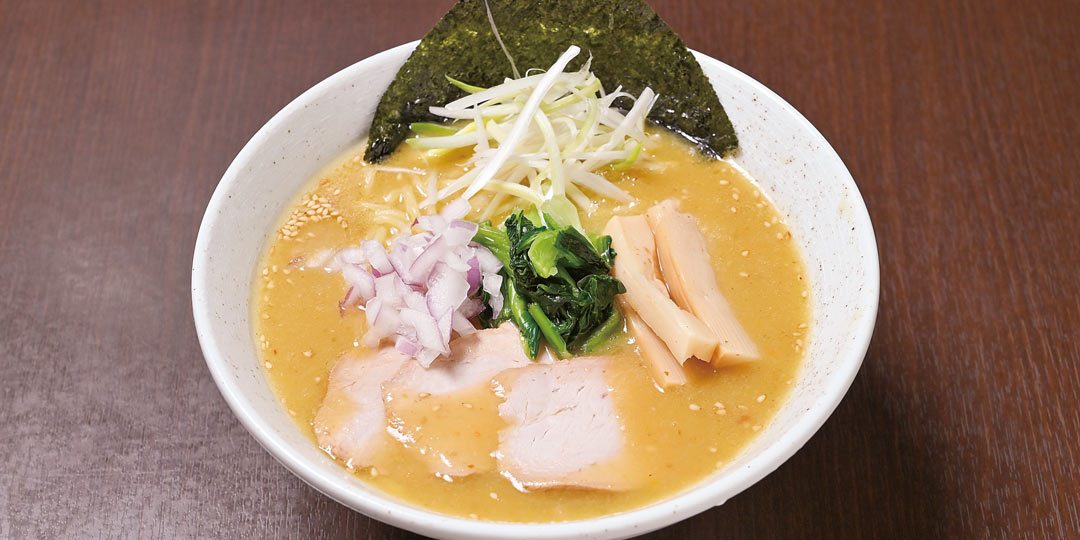
"Doro-kei" (sludge style) is a broth made by boiling bones and vegetables so long that it turns thick and gloopy. "Vegepota-kei" (vegetable potage style) is a broth of pureed vegetables, like a potage, a bowl that manages to be both rich and gentle.
WhyThe Shin-Yokohama Ramen Museum's timeline dates a doro-kei boom to around 2009. Doro-kei was where the race for richer broths ultimately led. Around the same time, vegepota-kei appeared, using the sweetness of vegetables for richness, and won fans as a bowl that is rich yet easy to eat.
3 Ways of Eating
Tsukemen
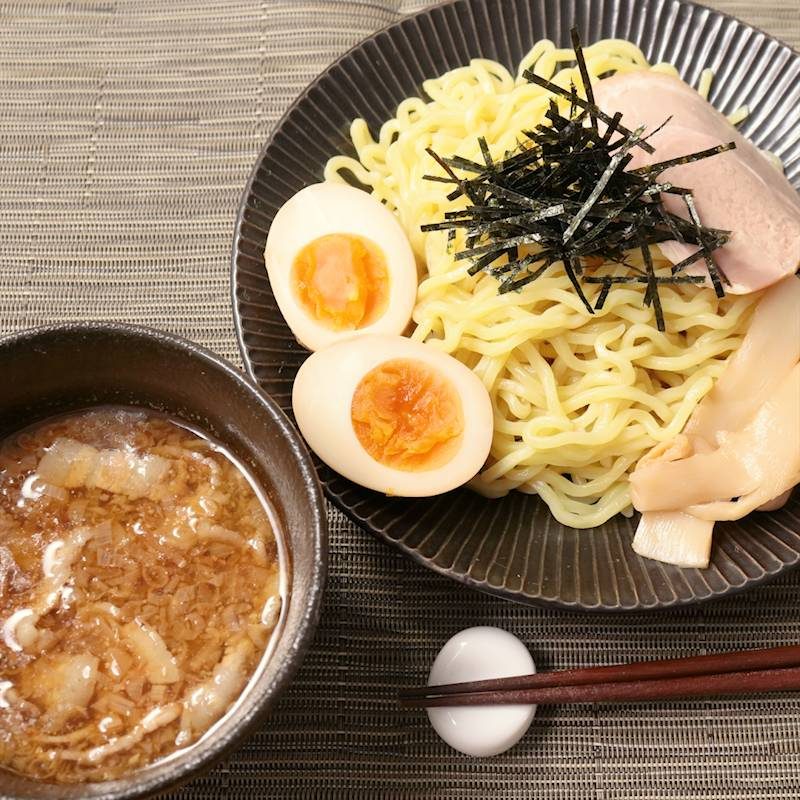
A style that serves the noodles and broth separately. The noodles are rinsed in cold water, so you can enjoy the firm chew of thick noodles. The classic finish is "soup-wari": thinning the leftover dipping broth with stock and drinking it.
WhyIt began as "mori soba," born from a shop's staff meal (Chapter 6). Japanese people already had the habit of dipping noodles into a sauce, as with zaru soba, which is thought to have made it easy to accept.
Abura Soba and Mazesoba
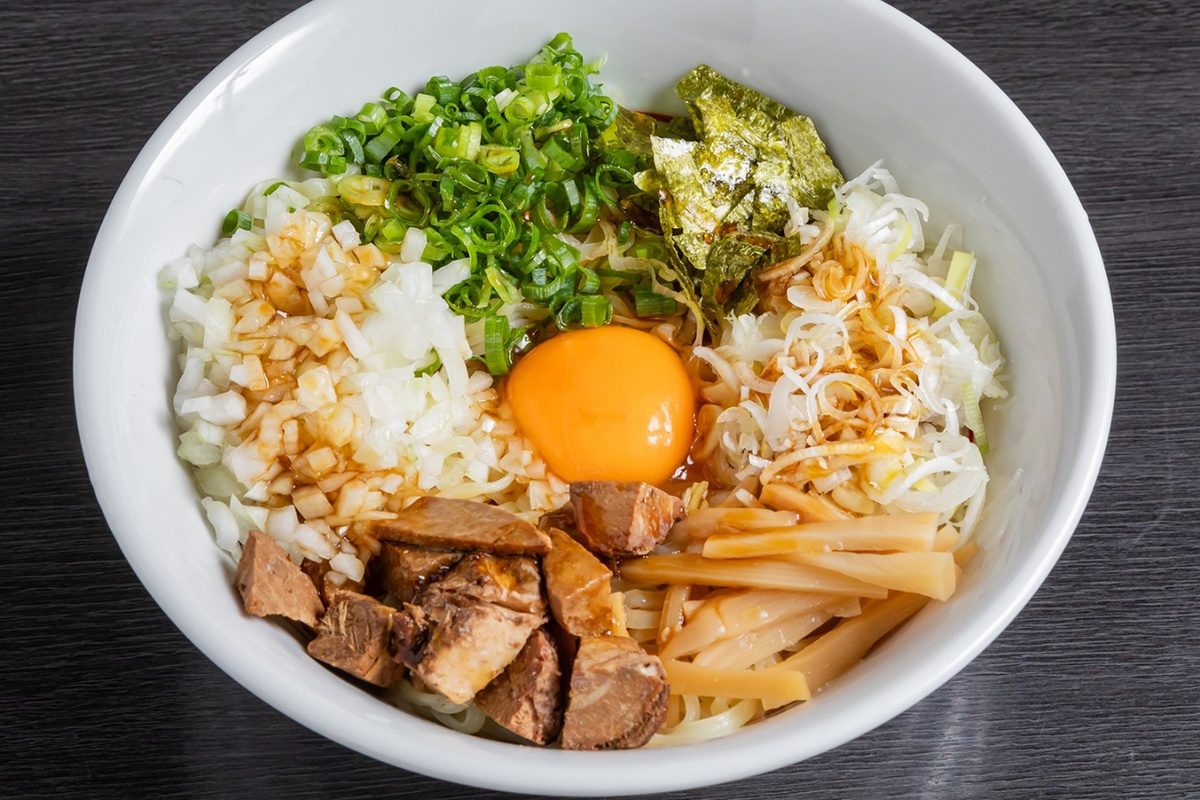
"Abura soba" coats the noodles in the tare and aromatic oil at the bottom of the bowl, while "mazesoba" adds toppings such as ground meat, egg yolk and fish powder to be mixed in. Nagoya-born "Taiwan mazesoba" belongs to this family too.
WhyNo broth needs to be simmered, so shops save labor and fuel costs, and customers get to enjoy a bold, intense flavor. It spread in places like student districts, where cheap, filling meals are in demand.
Hiyashi Chuka and Hiyashi Ramen
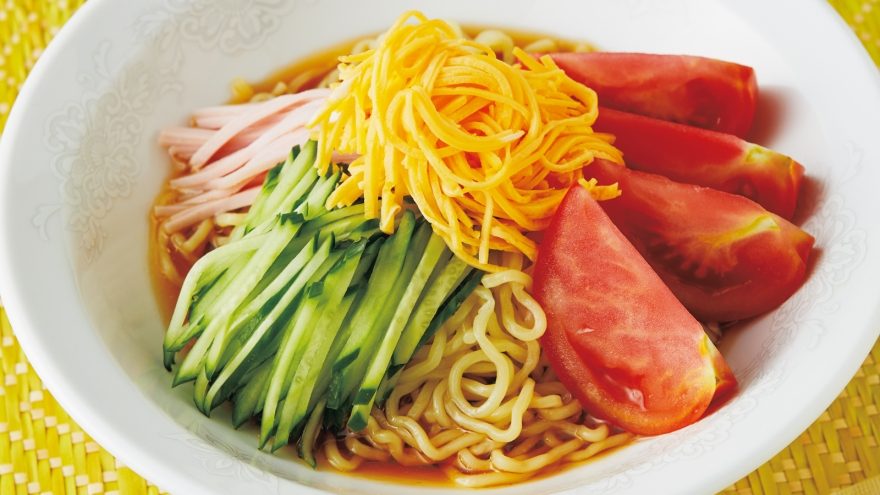
"Hiyashi chuka" is a summer dish of cold noodles colorfully arranged with toppings such as ham, cucumber and thin strips of omelet, dressed with a vinegary sauce. Yamagata's "hiyashi ramen" is ramen with broth: noodles in a cold soy sauce soup.
WhyThey are said to have been devised as substitutes for hot noodles, whose sales drop in summer. There are several theories about where hiyashi chuka originated, including Sendai and Tokyo. Hiyashi ramen is said to have been created by a soba shop in a hot basin town in Yamagata.
Tantanmen
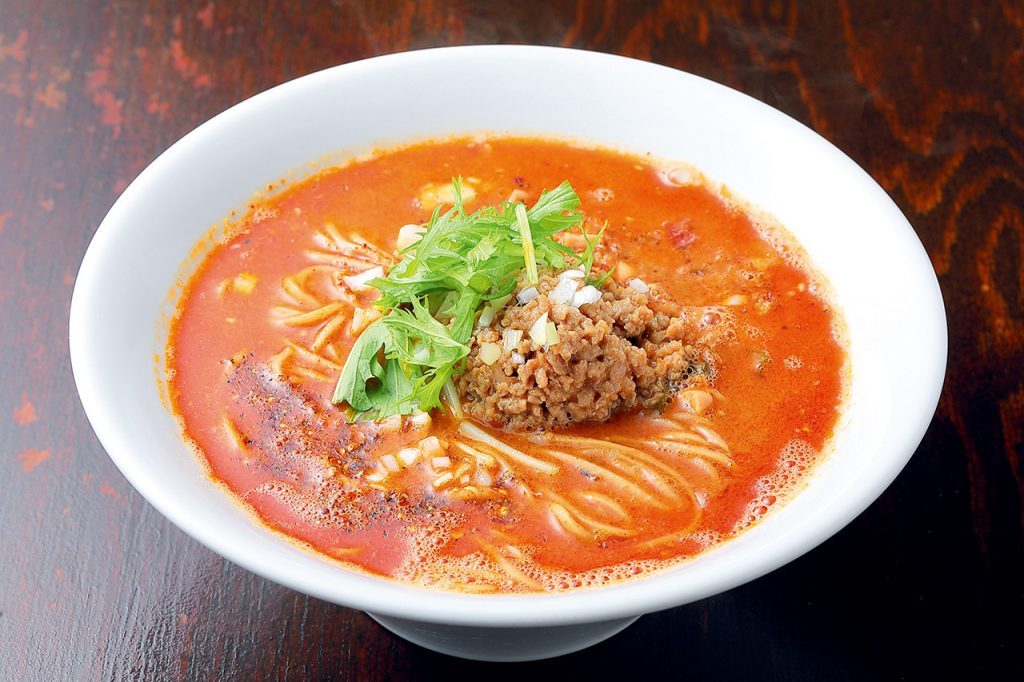
It is based on dandanmian, a soupless noodle dish from Sichuan, China, and in Japan the version most widely eaten is a tantanmen with a sesame-rich broth. Recently, soupless tantanmen that plays up the numbing heat of sansho pepper has also become popular.
WhyAfter the war, Chen Kenmin, the chef who popularized Sichuan cuisine in Japan, is said to have adapted it into a version with broth to suit Japanese tastes (Chapter 6). As more people came to love heat and numbing spice, the soupless version closer to the original spread too.
Tanmen, Sanmamen and Champon
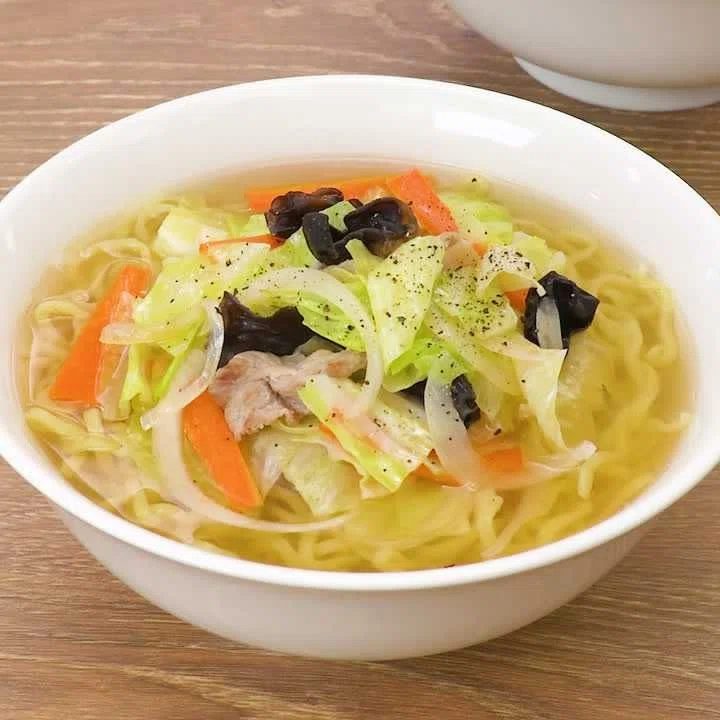
"Tanmen" is a staple of Kanto's neighborhood Chinese diners: stir-fried vegetables simmered in a salt broth and piled on the noodles. "Sanmamen," a specialty of Kanagawa Prefecture said to have originated in Yokohama, tops soy sauce or salt ramen with stir-fried vegetables such as bean sprouts in a thick, glossy sauce. Nagasaki's "champon" stir-fries vegetables and seafood, simmers them in broth and finishes them together with thick noodles.
WhyAll of them are noodle dishes born from the Chinese technique of "stir-frying, then simmering," which lets you eat plenty of vegetables and meat in a single bowl. As cheap, nourishing, filling meals, they grew up in neighborhood Chinese restaurants and chuka soba shops.
Wonton Men, Gomoku Soba, Canton Men and Tenshin Men
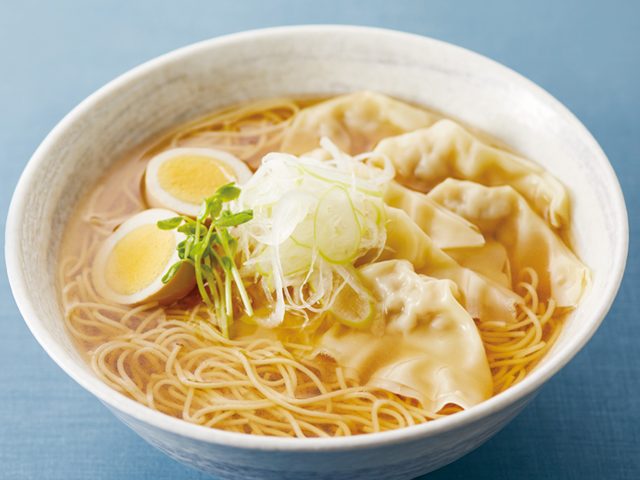
"Wonton men," topped with wontons; "gomoku soba," topped with many kinds of ingredients; "Canton men," with a thick sauce of vegetables, meat and seafood poured over it; and "Tenshin men," topped with a crab omelet. The names sound Chinese, but many of these dishes grew up in Chinese restaurants in Japan.
WhyChuka soba shops and neighborhood Chinese diners created a large menu from few ingredients by pairing the same broth and noodles with toppings used in their other dishes. A long menu was also a way to get customers coming back every day as the neighborhood eatery (Chapter 2).
Nabeyaki Ramen, Curry Ramen, Super-Spicy and Stamina Ramen
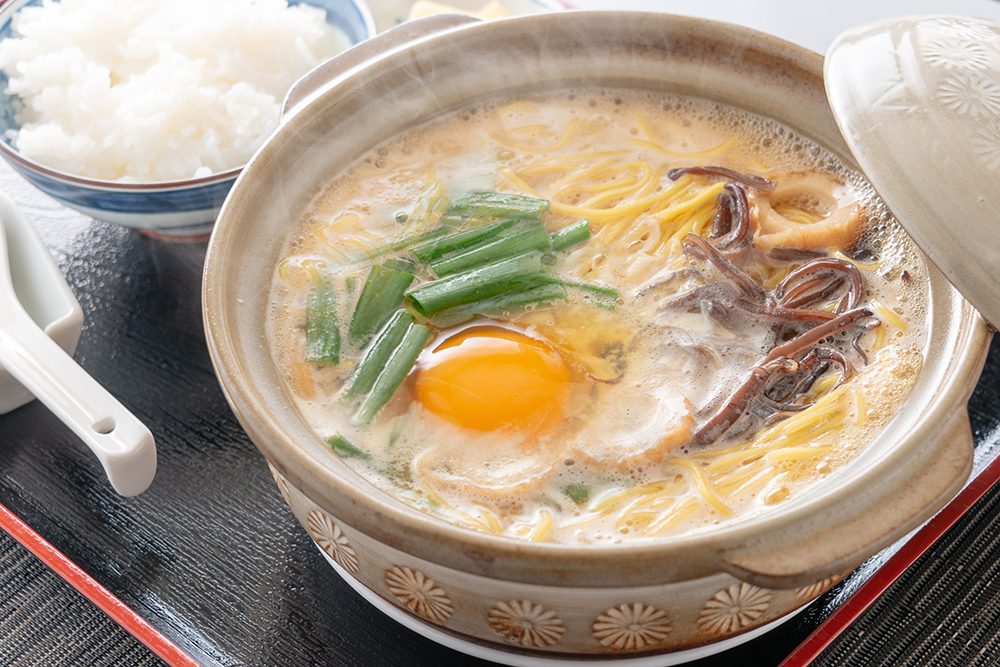
"Nabeyaki ramen" from Susaki, Kochi Prefecture, is a piping-hot bowl served in a clay pot with its chicken and soy sauce broth still bubbling. There is "curry ramen" in places like Muroran in Hokkaido and Sanjo in Niigata, and super-spicy ramen, typified by Tokyo's "Moko Tanmen Nakamoto," and "stamina ramen" from places like Ibaraki Prefecture each have devoted fans of their own.
WhyMany of these bowls began as a menu item at a single shop in a single town that local people came to love until it became the town's specialty. They show just how much room ramen has: it can take in almost any flavor or cooking method.
4 Shop Lineages
Iekei
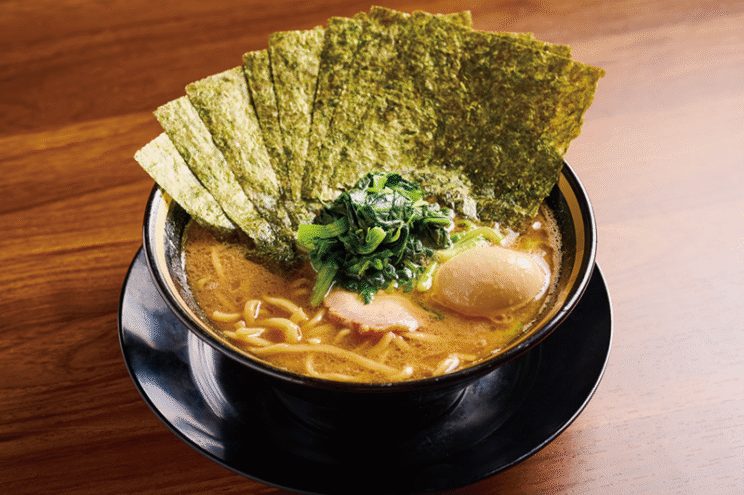
You can choose how firm your noodles are, how strong the flavor is and how much oil goes in. Many people eat it with a bowl of rice, which is another iekei hallmark.
WhyThe lineage spread as people who trained at Yoshimuraya went independent and opened shops with names ending in "-ya" (家) (Chapter 6). Later, chains that make their broth in central kitchens also began calling themselves "iekei," and the number of shops nationwide shot up.
Jiro-Kei
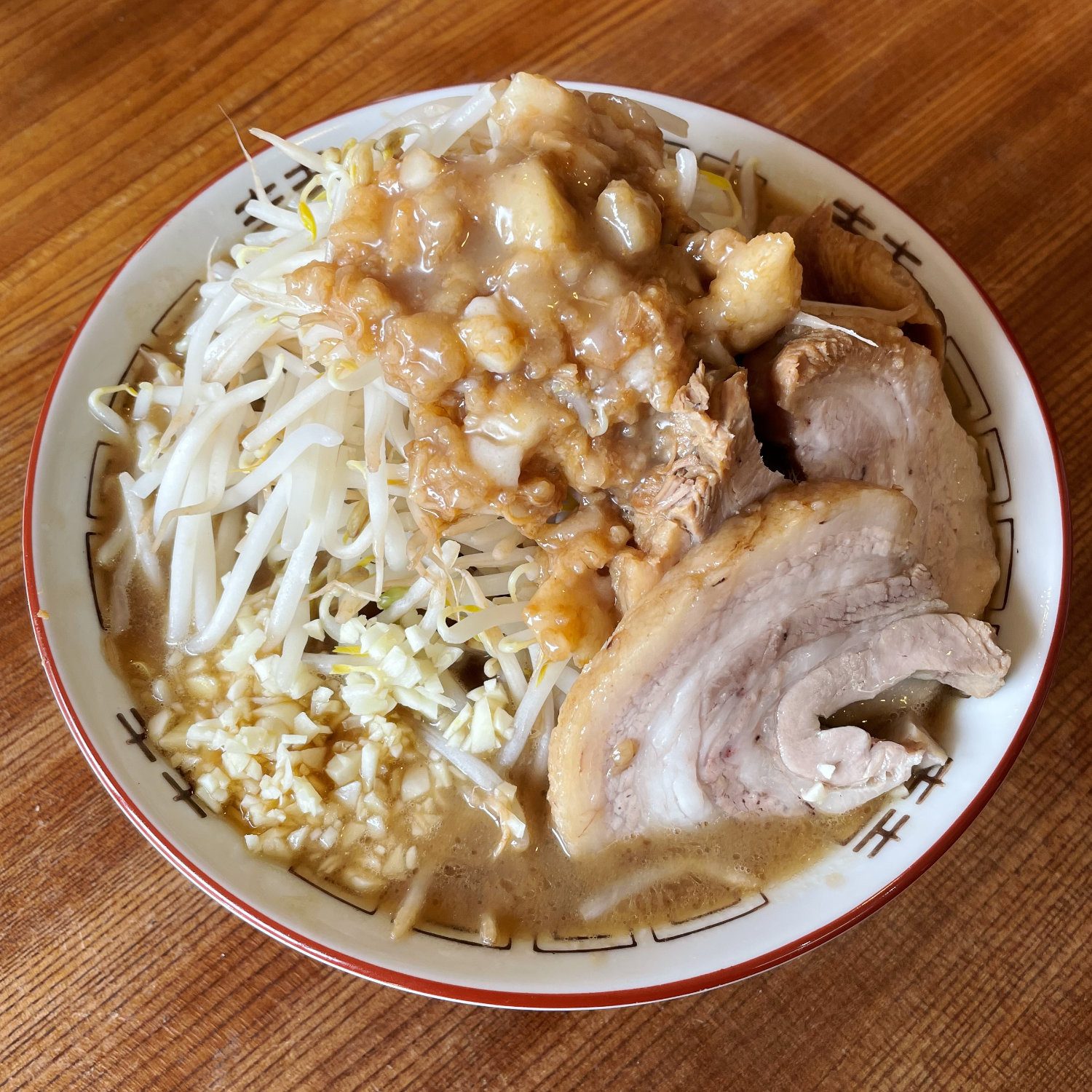
Known for its overwhelming portions and the ritual "call" when ordering. There are Jiro shops themselves and the "inspired" shops influenced by them.
WhyLoved in a student district as a cheap bowl that fills you up, it won a devoted following. Shops drawn to its style imitated it, and it became a genre of its own.
Taishoken-Kei, Seabura Chatcha-Kei and Tenkaippin
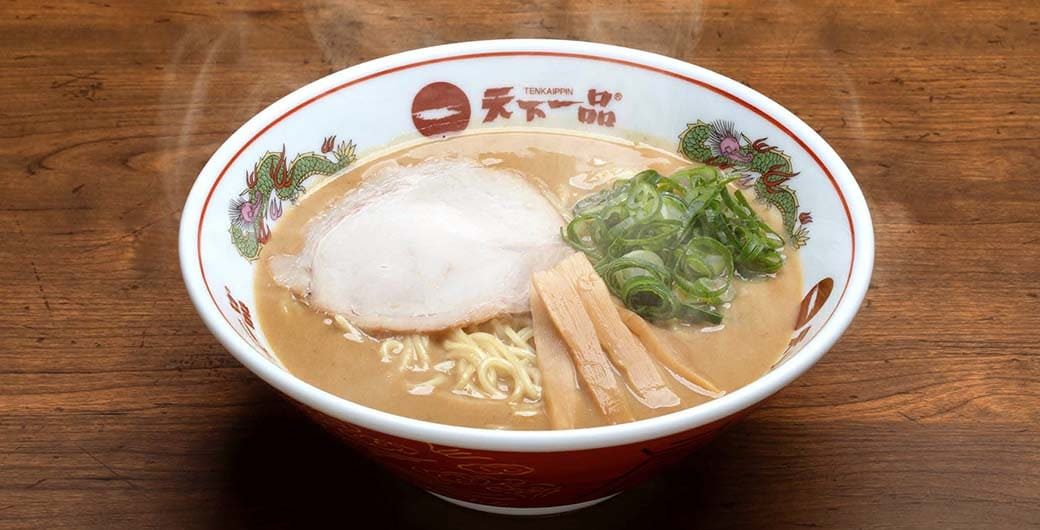
The tsukemen lineage spread by the apprentices of Taishoken in Higashi-Ikebukuro, the seabura chatcha-kei that won fans in Tokyo in the 1970s, and the kotteri broth of Tenkaippin, which started as a street stall in Kyoto and became a national chain. Each is an example of a style that began at one shop and spread as a lineage.
WhyIn the ramen world, "noren-wake" was common: an apprentice trained at a master's shop went independent and opened a shop under the same flavor and name. Lineages were born as cooking know-how passed from person to person.
Tanrei-Kei, Mukacho and the New Wave
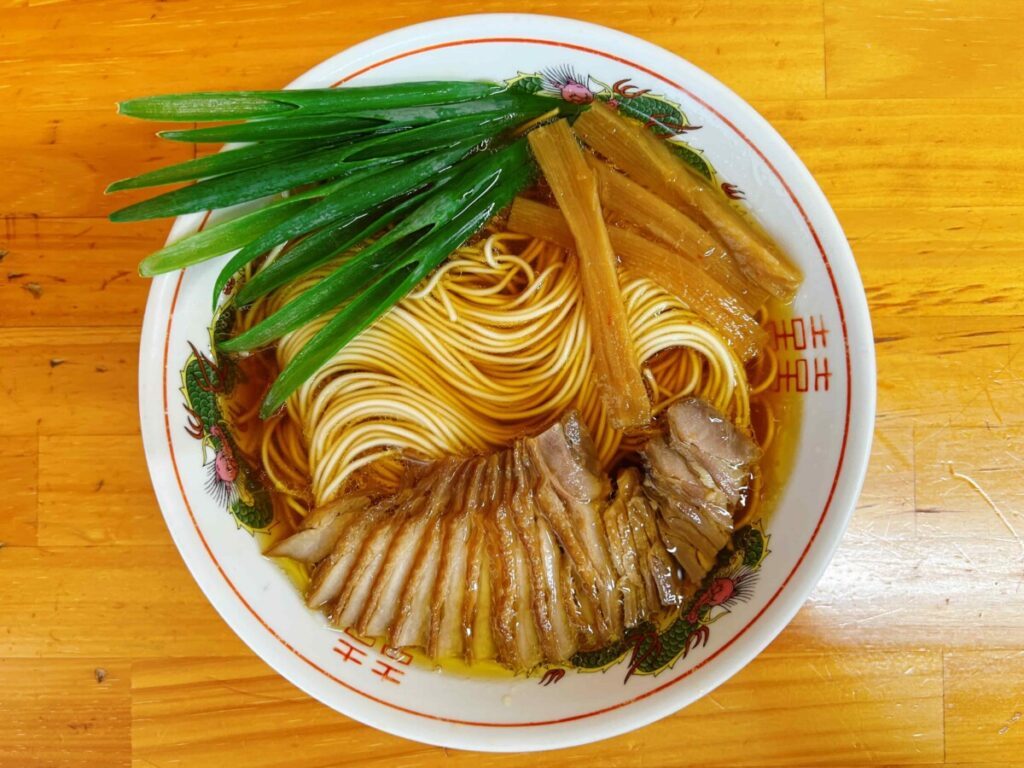
"Tanrei-kei" (light and elegant style) is ramen in a crystal-clear broth that showcases the aroma of ingredients such as chicken, seafood and kombu. "Mukacho" describes shops that make their stock from ingredients alone, without umami seasonings such as MSG. Bowls built on new ideas, such as "trad-kei," which remakes old-fashioned chuka soba with modern technique, and "fusion-kei," which borrows elements of Japanese and Western cuisine, are also called the "new wave."
WhyAfter a long race toward ever richer flavors, a movement competing on the quality and delicacy of ingredients emerged from around 2010. Makers who wanted to show their skill as chefs and customers looking for new flavors together pushed ramen into the world of fine dining (Chapter 8).
5 Ramen at Home
Packaged Noodles, Bo Ramen and Cup Noodles
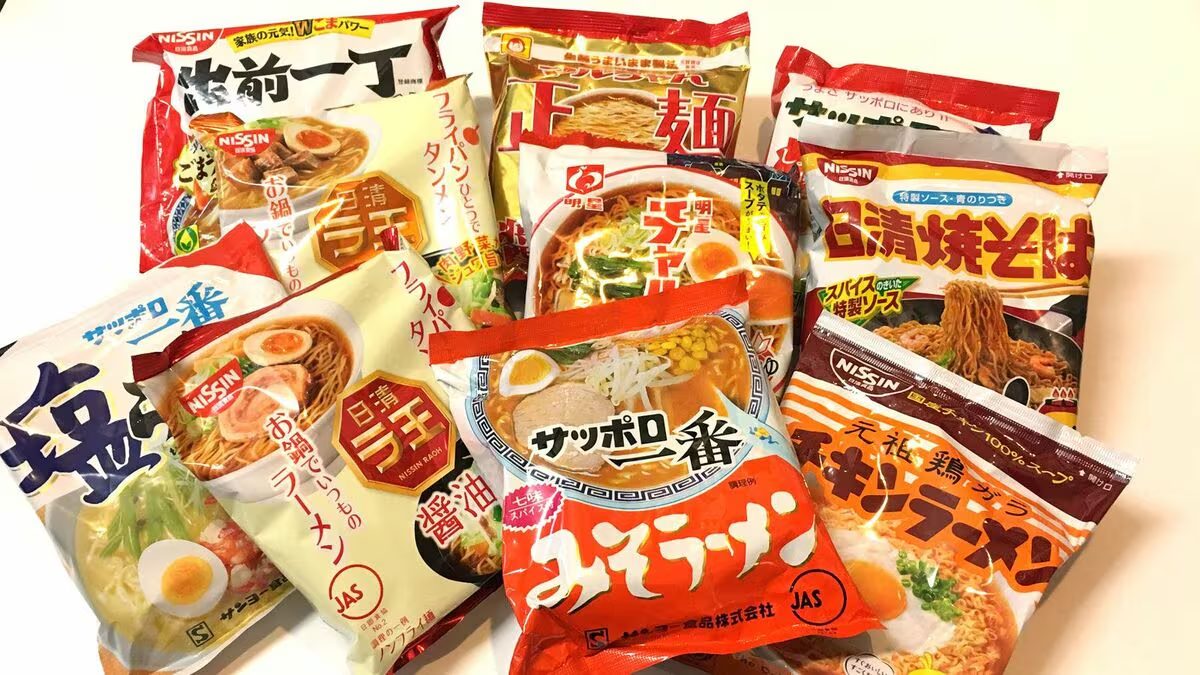
"Fukuromen" (packaged noodles) cooked in a pot, Kyushu's "bo ramen" made of dried straight noodles bundled into sticks, and "cup noodles" that need only hot water. Japan's demand for instant ramen comes to about 5.9 billion servings a year, making ramen at home as big a presence as ramen at shops (Chapters 3 and 7).
WhyThey were born from the wish to eat shop-style ramen at home. According to the Shin-Yokohama Ramen Museum's timeline, Kyushu's bo ramen was launched by Marutai in 1959, and it is loved as a form that is less bulky and easier to store than packaged noodles.
Frozen Ramen and Chilled Ramen
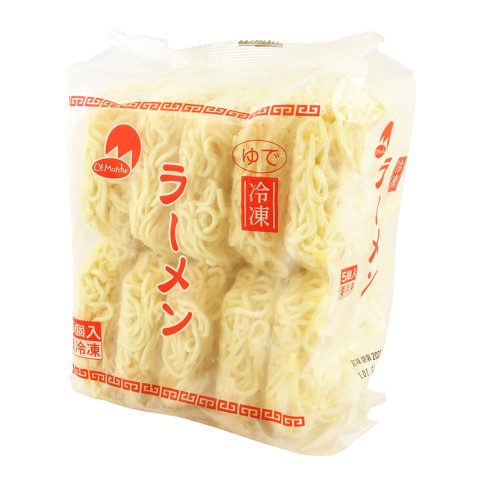
Alongside the chilled ramen with fresh noodles sold in supermarkets, frozen ramen, made by freezing a popular shop's noodles and broth just as they are, has in recent years been sold widely by mail order.
WhyMail-order sales delivering popular shops' flavors frozen had begun by around 2010, but advances in freezing technology, along with the COVID-19 pandemic, which cut dining out and sent shops looking for new sources of revenue, gave the trend a big push.
Why So Many Branches?
Soba and udon are noodle dishes too, but they do not come in nearly so many types. Why did Japanese ramen branch out this far? Looking from three directions, history, geography and culture, we find that many reasons overlap.
Through History: A New Dish with No Fixed Form
There was no fixed form. Ramen arrived in Japan in the Meiji era as Chinese food and has been remade again and again to suit Japanese tastes. Unlike soba and udon, it had no etiquette or "correct form" handed down since the Edo period, so its flavor could change without the weight of tradition holding it back. Even soy sauce chuka soba was originally a "new dish," a remake of Chinese noodle soup (Chapter 1).
Disaster and war scattered cooks across the country. The Great Kanto Earthquake of 1923 burned shops in Tokyo and Yokohama, and cooks moved to other regions. This is the era, from the Taisho period into the early Showa period, when ramen shops appeared in Sapporo, Kitakata, Kurume and elsewhere (Chapter 1). After the war, street stalls in the ruins, wheat sent from America and repatriates returning from the continent gave rise to new shops all over the country at once (Chapter 2). The fact that there was never "one national center" from the start led to differences in flavor from town to town.
It was an easy business to start and to spread. Ramen could be started from a street stall, and a shop could be opened with little capital, so it became a livelihood for many people. From the mid-1950s to the mid-1970s, department store product fairs, franchise shops and instant noodles carried regional flavors nationwide (Chapter 4). The growth of noodle factories and makers of commercial broth, which let people open shops even if they could not make noodles or broth from scratch, also increased the number of shops.
Competition and the media set off chains of booms. As shops multiply, each one has to serve a bowl different from the rest to survive. TV, magazines and the internet introduced new shops and flavors one after another, and booms came and went, each followed by the next trend: tori paitan, rich seafood, doro-kei, tanrei-kei (Chapter 6).
Through Geography: A Long Archipelago, the Sea, and Bones
Climate differences along a long north-south archipelago. The Japanese archipelago stretches a long way from north to south, from Hokkaido to Kyushu and Okinawa, and the cold of winter and the heat of summer vary greatly by region. In Sapporo and Asahikawa, with their harsh winters, people favored warming miso broths and a film of lard that holds in the heat. In the Yamagata basin, with its hot summers, hiyashi ramen in a cold broth was born (Chapter 4).
Stock ingredients from a country surrounded by sea. Japan is surrounded by sea, and seafood used for stock, such as kombu, katsuobushi, niboshi and mackerel flakes, is caught all over the country. Niboshi in Tsugaru, small fish from the Seto Inland Sea in Onomichi, salt ramen in the port town of Hakodate. The ability to use seafood stock became a hallmark of Japanese ramen not found in Chinese noodle soups (Chapter 5).
Bones available locally. The bones that form the base of the broth also differed by region. In Kyushu, where pig farming thrived, pork bones were used; in parts of Tottori, where cattle were widely traded, beef bones; and in many regions, easy-to-get chicken bones. Making stock from ingredients that were cheap and plentiful: layer upon layer, that became the flavor of each region.
Towns of ports, markets and factories. Ramen's points of entry were port towns open to the outside world, such as Yokohama, Hakodate and Nagasaki. And what nurtured ramen were towns with many people working in markets, coal mines, factories and ports. The ultra-thin noodles and kaedama of Hakata and Nagahama, for serving market workers fast; the extra-thick noodles of Tsubame, made so they would not go soggy on deliveries to factories. A town's industry shaped its ramen (Chapter 6).
LikelyThe fact that much of Japan's water is low-mineral "soft water" is also sometimes cited as a condition that makes it easier to draw out the umami of stock.
Through Culture: A New Noodle in the Land of Soba
It was a land of soba and udon. Since the Edo period, Japan had a culture of eating soba and udon out, quickly and casually. Slurping noodles, dipping noodles into a sauce, and selling noodles from street stalls were all already there. It was because ramen arrived on top of this foundation, it is thought, that it quickly became a town food and that new ways of eating like tsukemen were accepted. Just as naruto was originally a soba topping, soba shop culture lives on in many corners of ramen (Chapter 5).
A culture of dashi and fermented seasonings. The idea of "dashi" (stock), the foundation of Japanese cuisine, and the fermented seasonings soy sauce and miso greatly widened ramen's range of flavors. Soy sauce ramen and miso ramen, which Chinese noodle soups never had, were born from Japan's culture of seasonings.
Craftsmen and noren-wake. Train for years at a master's shop, then go independent and open your own. The culture of "noren-wake," rooted in the world of Japanese craftsmen, gave rise to lineages such as iekei, Jiro-kei and Taishoken-kei and carried the flavor of a single shop across the country (Chapter 6). At the same time, a craftsman's spirit of honoring the master's flavor while aiming for a bowl of one's own keeps producing new flavors.
Love of local specialties and the joy of comparing. Taking pride in your own town's flavor, and wanting to eat "the local specialty" when you travel, are feelings deeply rooted in Japanese travel culture. Regional ramen, supported by these feelings, became the star of town revitalization (Chapter 4). Standing in lines, making the rounds of shop after shop, debating rankings: the people who enjoy ramen as a "hobby" have also pushed shops to take on new challenges.
With rice, alone, any time. Iekei and Tokushima ramen eaten with rice, Kitakata's "asa-ra" eaten from the morning, Takayama's chuka soba eaten to see in the new year. Shops built so you can walk in alone and sit at the counter. By working its way into many moments of Japanese life, ramen branched out into forms suited to each one.
And today, ramen that has crossed the sea is changing shape still further to fit local eating habits, as vegan, halal and gluten-free versions show (Chapter 8). The number of ramen types will surely keep growing.
What to Look For: "Classify" Your Bowl
The next time you eat ramen, try classifying it using the five ways of sorting in this field guide. What is the flavor? What is the broth made from? How is it eaten? Which lineage does the shop belong to? Which town's ramen is it? Put the answers together, and you will see the history your bowl was born from.
Sources and notes for this chapter
Facts
- Yoshimuraya, the source of iekei, opened in Yokohama in 1974. Ramen Jiro was founded around 1968.
- According to the Shin-Yokohama Ramen Museum's timeline, the tori paitan boom came around 2005, doro-kei around 2009 and tanrei-kei around 2010. Marutai's bo ramen was launched in 1959.
- Chicken Ramen was launched in 1958 and Cup Noodle in 1971.
Other Theories and Notes
- The names of types and how they are sorted differ by shop and by media outlet. The classification in this field guide was organized by the Historipedia editorial team, drawing on major ramen information sites and the Shin-Yokohama Ramen Museum's explanations.
- The "Why" explanations and the discussion from the angles of history, geography and culture include both things confirmed by records and widely told explanations or the editorial team's own analysis. There are several theories about the origins of hiyashi chuka, Tsubame-Sanjo's back fat ramen, tantanmen and others.
- The characteristics given for each type of ramen are representative. Shops can differ greatly even within the same type.
Main References
- Shin-Yokohama Ramen Museum, "The History of Ramen in Japan" and "Ramen Encyclopedia"
- Ramen Community, "List of Ramen by Genre," and various ramen information sites
- Japan Ramen Association, "List of Japan's Regional Ramen"