Home / The Seikan Tunnel and Cape Tappi
06 — THE TUNNEL
The Seikan Tunnel and Cape Tappi
Beneath the seabed of the Tsugaru Strait, and deeper still, runs a tunnel 53.85 kilometres long. A dream born of the Toya Maru tragedy became reality in 1988, after more than 40 years and the deaths of 34 workers. At Cape Tappi, near the tunnel's entrance, there is even a curious road: a national highway made of stairs.
Labels: Factdocumented Likelysupported by most sources Legendoral tradition Urban legendlocal lore and rumour
Below the seabed, and deeper still
FactGeological surveys for a tunnel linking Honshu and Hokkaido began in 1946. What suddenly pushed the idea forward was the Toya Maru disaster of 1954 (the Ferries room). Work on an inclined survey shaft began on the Hokkaido side in 1964, and construction of the main tunnel started in 1971.
FactThe work was a battle against soft strata and faults beneath the seabed. Again and again the tunnellers were hit by sudden floods of seawater gushing in, and each time the tunnels were in danger of being submerged. Techniques for stopping the water by injecting cement and other materials into the rock were refined on this project. The main tunnel broke through in 1985, and on 13 March 1988 the Tsugaru Kaikyo Line opened. Thirty-four people died during construction.
FactFor many years after it opened, the Seikan Tunnel was the longest railway tunnel in the world, but in 2016 it gave up that title when Switzerland's Gotthard Base Tunnel (about 57 kilometres) opened. Its undersea section, however, is still one of the longest in the world. In 2016 the Hokkaido Shinkansen opened through the tunnel as far as Shin-Hakodate-Hokuto, and Shinkansen and freight trains now share the same tracks.
Cape Tappi: "Honshu's dead end"
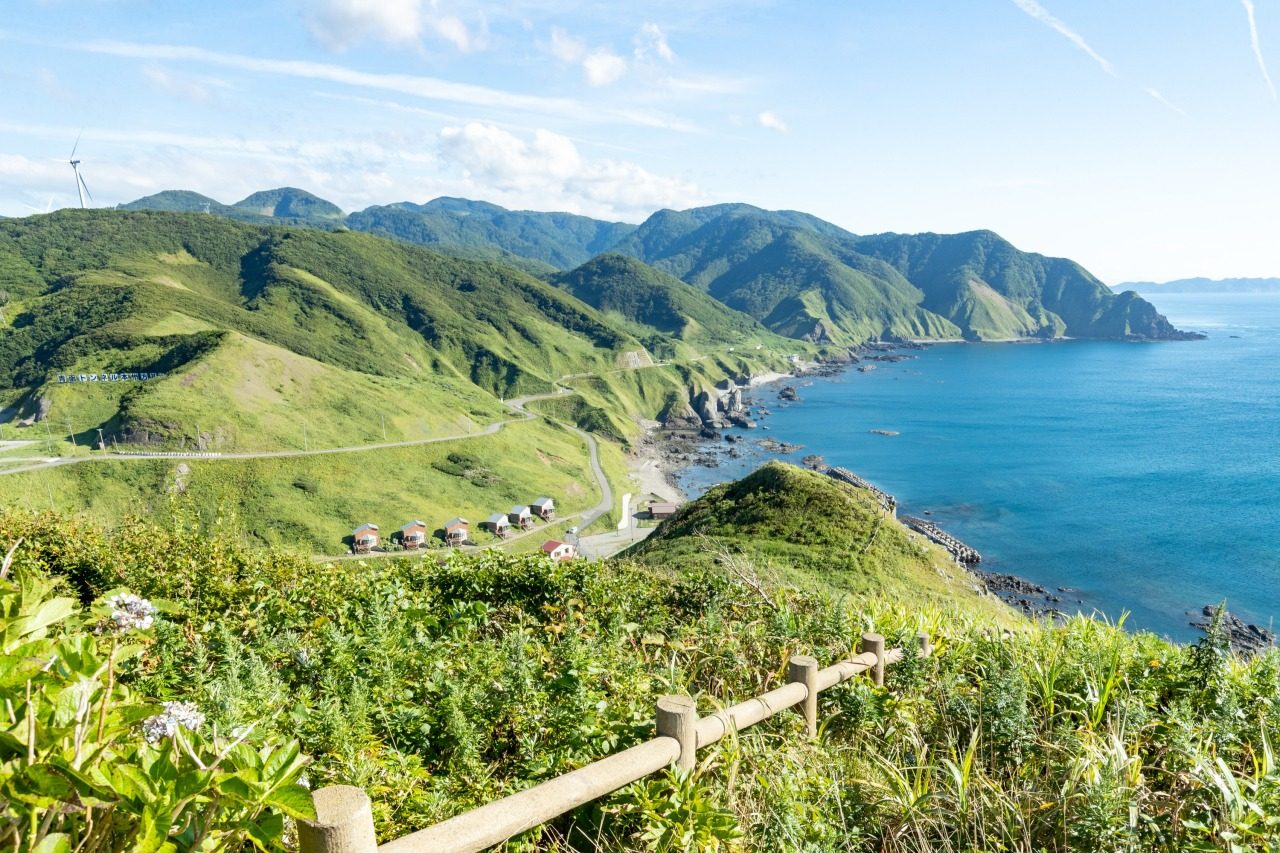
FactCape Tappi, at the northern tip of the Tsugaru Peninsula, is close to the Honshu entrance of the Seikan Tunnel. In his book Tsugaru, Dazai Osamu called this place "Honshu's dead end" (the Arts room). Wind turbines line the cape, which is battered by strong winds.
FactFrom the Seikan Tunnel Museum on the cape, visitors can ride a cable car down to an underground work tunnel and walk the "experience tunnel", about 140 metres below sea level. Machines actually used in the construction are also on display.
Look here: the Route 339 stairway
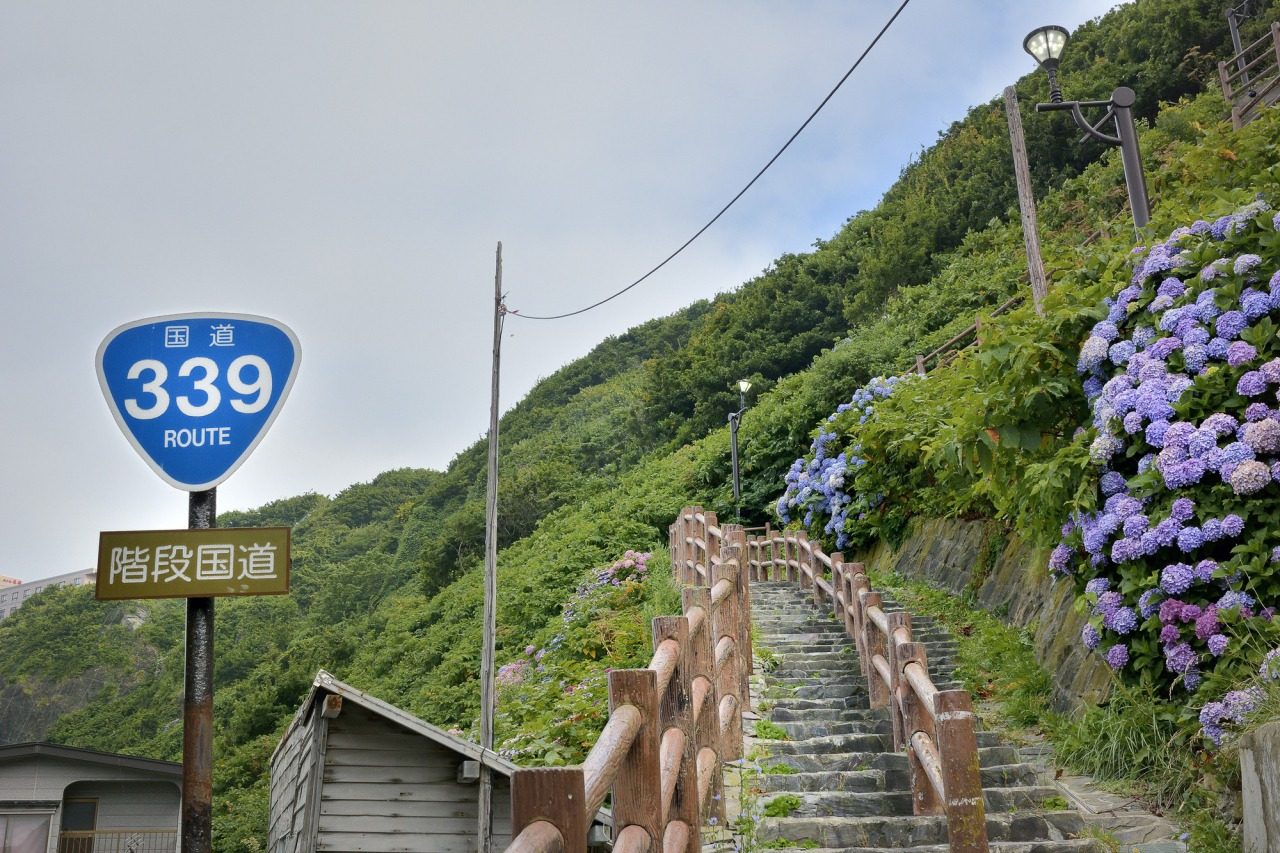
At Cape Tappi is the only stairway national road in Japan, closed to cars. Part of National Route 339, it is about 388 metres long with 362 steps. The steps were originally an everyday path through the village, and are said to have been designated a national road exactly as drawn on the road plans. Partway up the steps, a national road sign stands proudly in place. Nearby is also a monument to the song Tsugaru Kaikyo Fuyugeshiki ("Tsugaru Strait: Winter Scene").
Main sources: JR Hokkaido, "Seikan Tunnel" / Japan Railway Construction, Transport and Technology Agency / Seikan Tunnel Museum / Sotogahama Town, "Cape Tappi" / MLIT Aomori River and National Highway Office