Home / Walking Aomori
18 — WALK & READ
Walking Aomori
Why not go and walk the places where the stories you have read here actually happened? A Jomon village of 5,000 years ago, the home of the nebuta, a ferry, a castle and cherry blossoms, a mountain stream and a sacred mountain. Even famous sights look completely different once you have one "look for this" point in mind. This guide starts from Aomori City and takes you round Tsugaru and Nanbu.
Labels: Factdocumented Likelysupported by most sources Legendoral tradition Urban legendlocal lore and rumour
Opening hours, closing days, admission fees, winter road closures and bus and train services may change. Please check each facility's official information before you go. Snow lies deep in Aomori in winter, and some sections of mountain and peninsula roads are closed to traffic for the season.
Aomori City
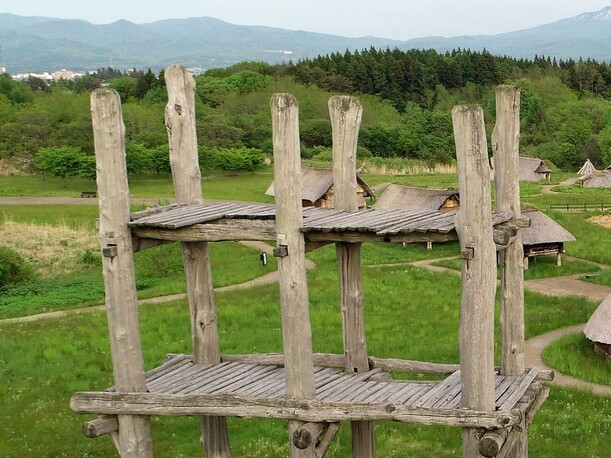
Sannai-Maruyama Site
A great Jomon-period settlement that began about 5,900 years ago. A World Heritage Site.
Look for this: the six-pillar building and the "Jomon pochette" woven bag (the Sannai-Maruyama room).
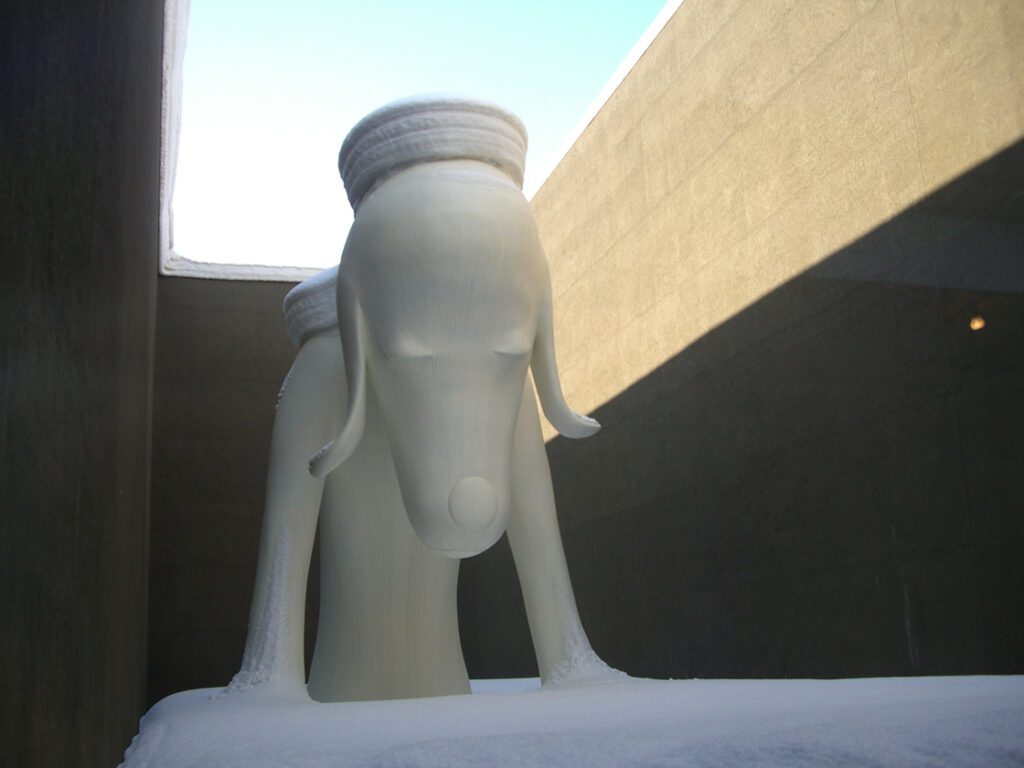
Aomori Museum of Art
A pure-white museum next to the site, with Chagall's huge backdrops among its treasures.
Look for this: the 8.5-metre Aomori-ken (Aomori Dog) (the Arts room).
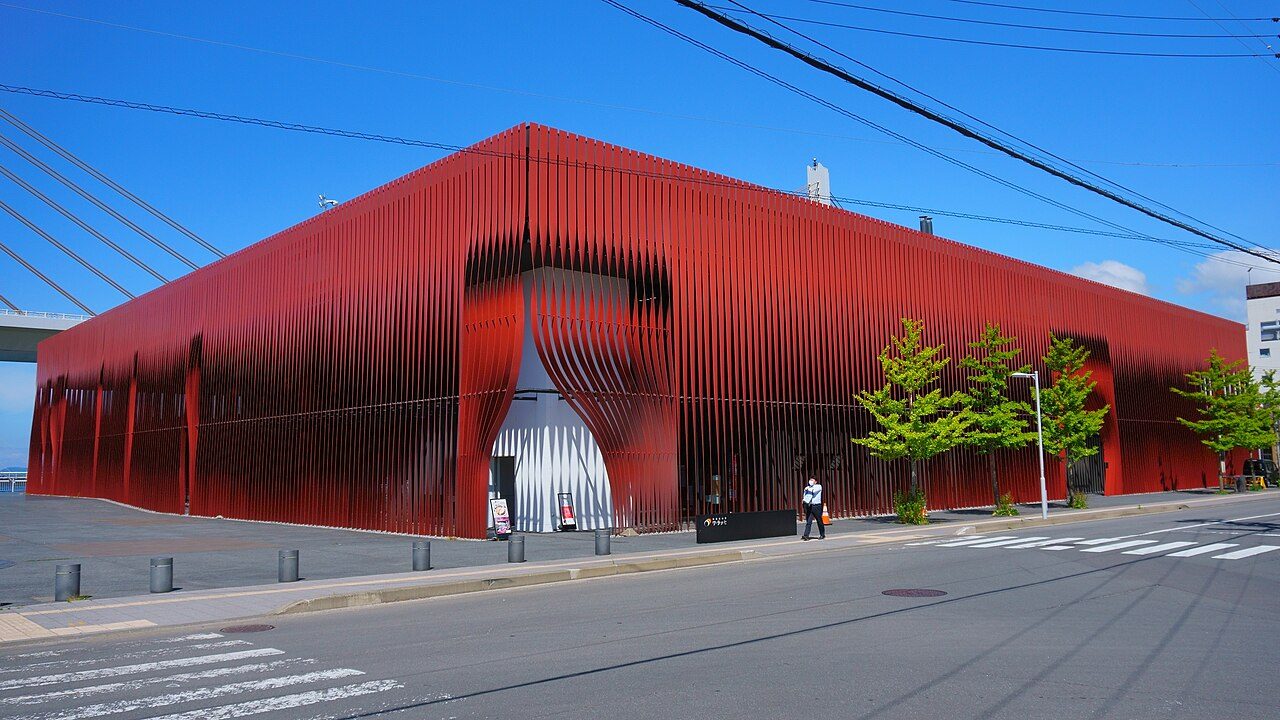
Nebuta Museum Wa Rasse
In front of Aomori Station. Large festival nebuta floats are on display all year round.
Look for this: the frame and lighting inside the nebuta (the Festivals room).
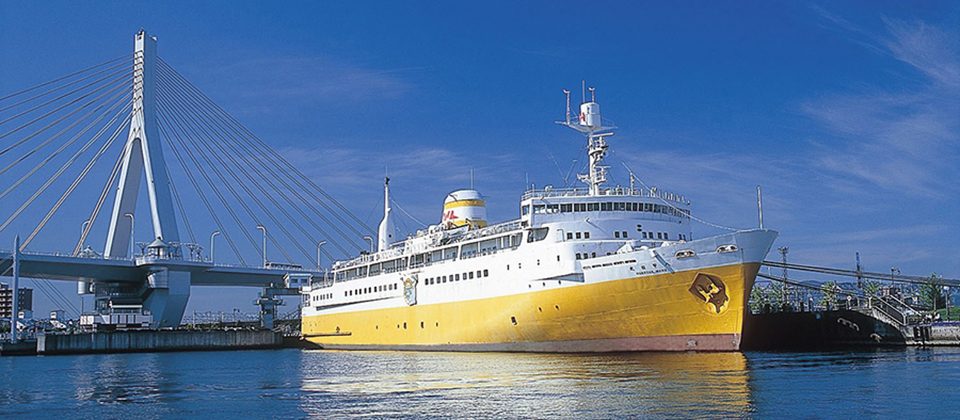
Memorial Ship Hakkoda Maru
The ship that made the last Seikan ferry run, open to the public just as she was.
Look for this: the railway carriages lined up on the train deck (the Ferries room).
Hakkoda and Tsugaru
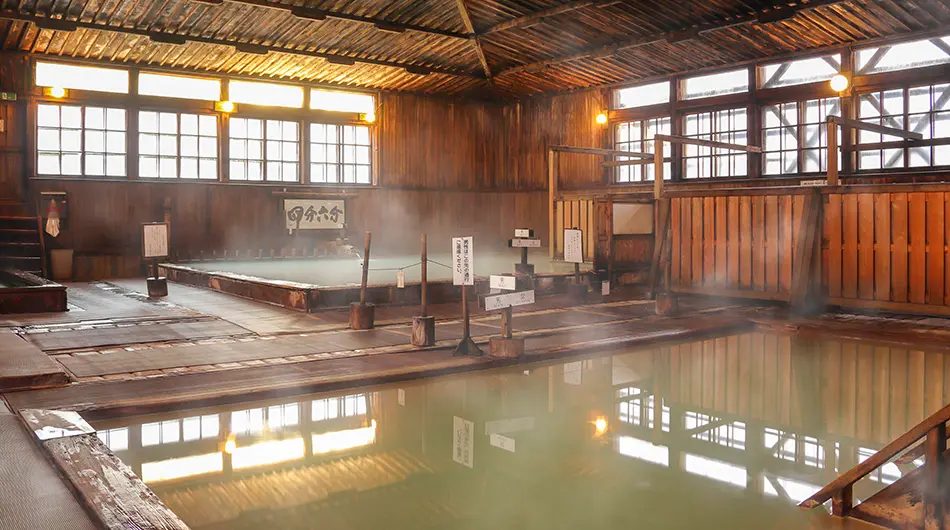
Hakkoda and Sukayu Onsen
Take the ropeway up to the summit park. At the foot of the mountains is the "Thousand-Person Bath", built entirely of hiba cypress.
Look for this: the Snow March Disaster Memorial Statue at Umatateba (the Remembrance room).
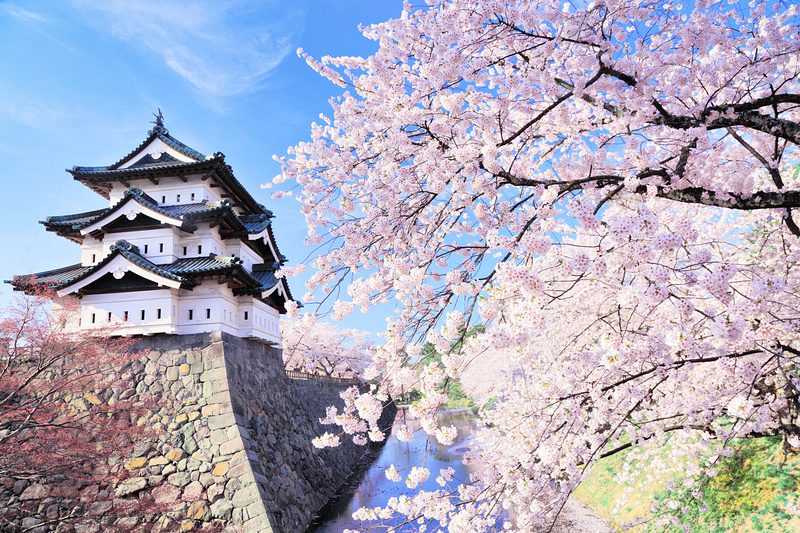
Hirosaki Castle and Hirosaki Park
The only original castle keep in Tohoku. About 2,600 cherry trees in spring.
Look for this: the hanaikada ("flower rafts") of petals on the outer moat, and Japan's oldest Somei-yoshino cherry (the Hirosaki room).
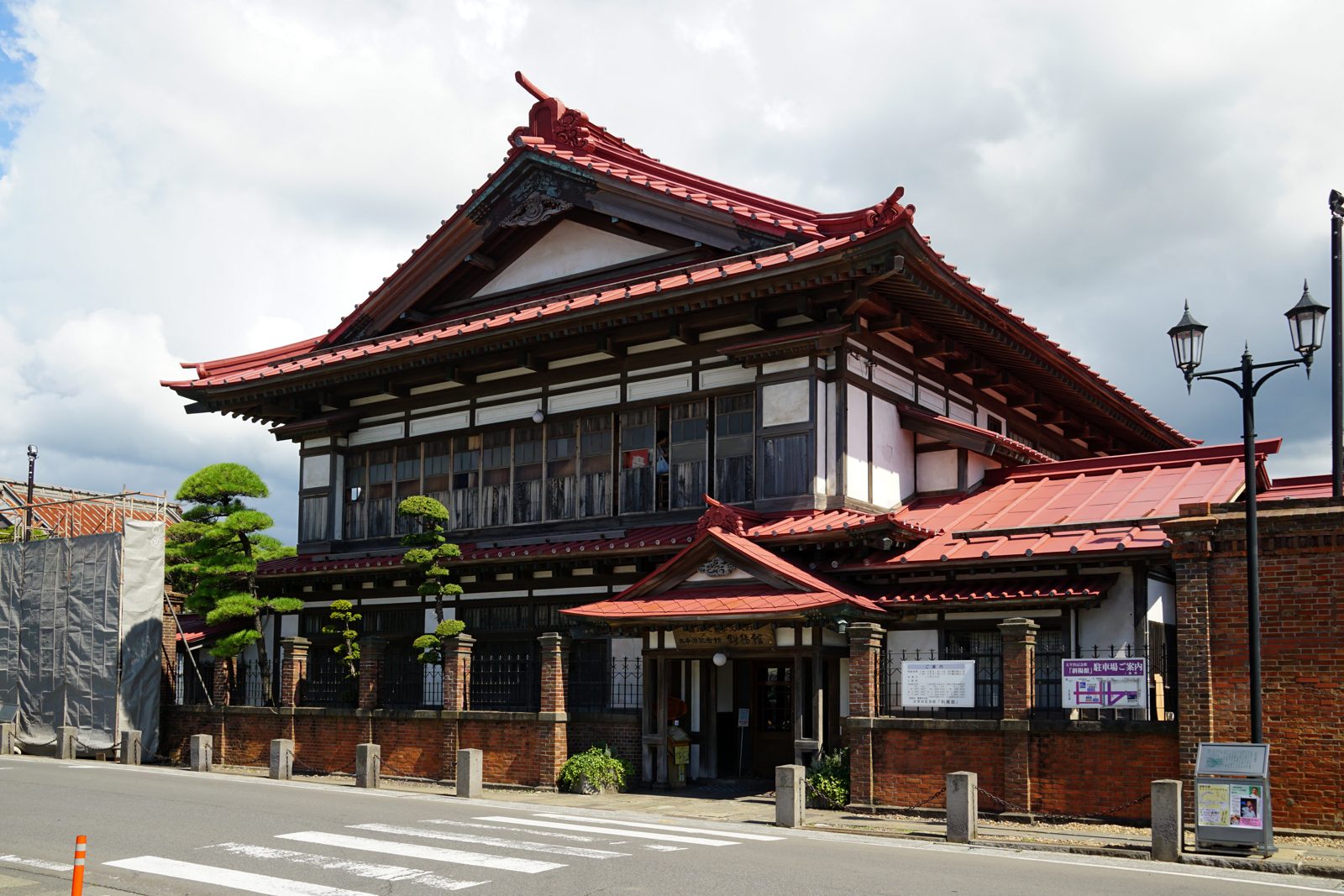
Dazai Osamu Memorial Hall "Shayokan"
Dazai Osamu's birthplace. In winter, go by the Tsugaru Railway's stove train.
Look for this: the lavish staircase and Japanese rooms made of hiba wood (the Arts room).
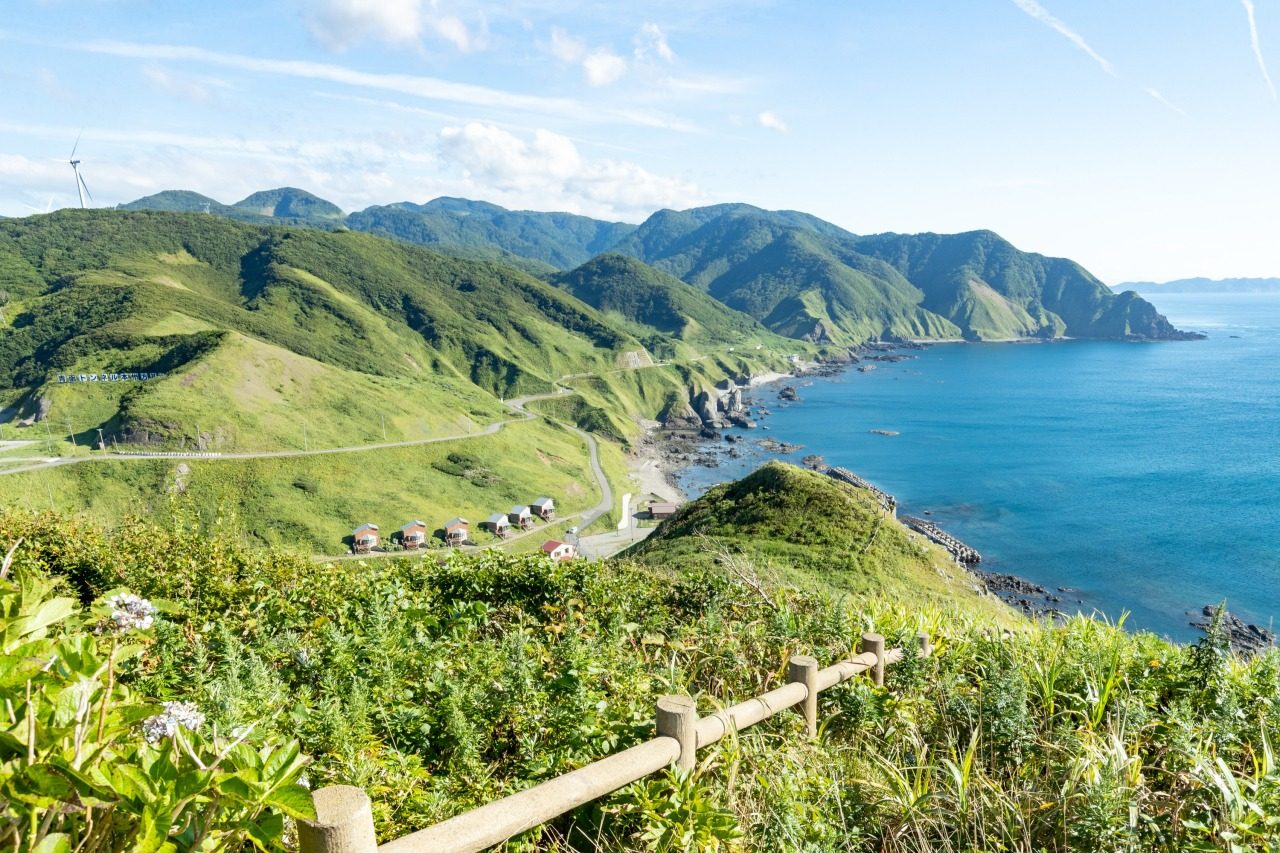
Cape Tappi
The northern tip of the Tsugaru Peninsula, also home to the Seikan Tunnel Museum.
Look for this: the 362-step stairway section of National Route 339 (the Tunnel room).
Nanbu and Shimokita
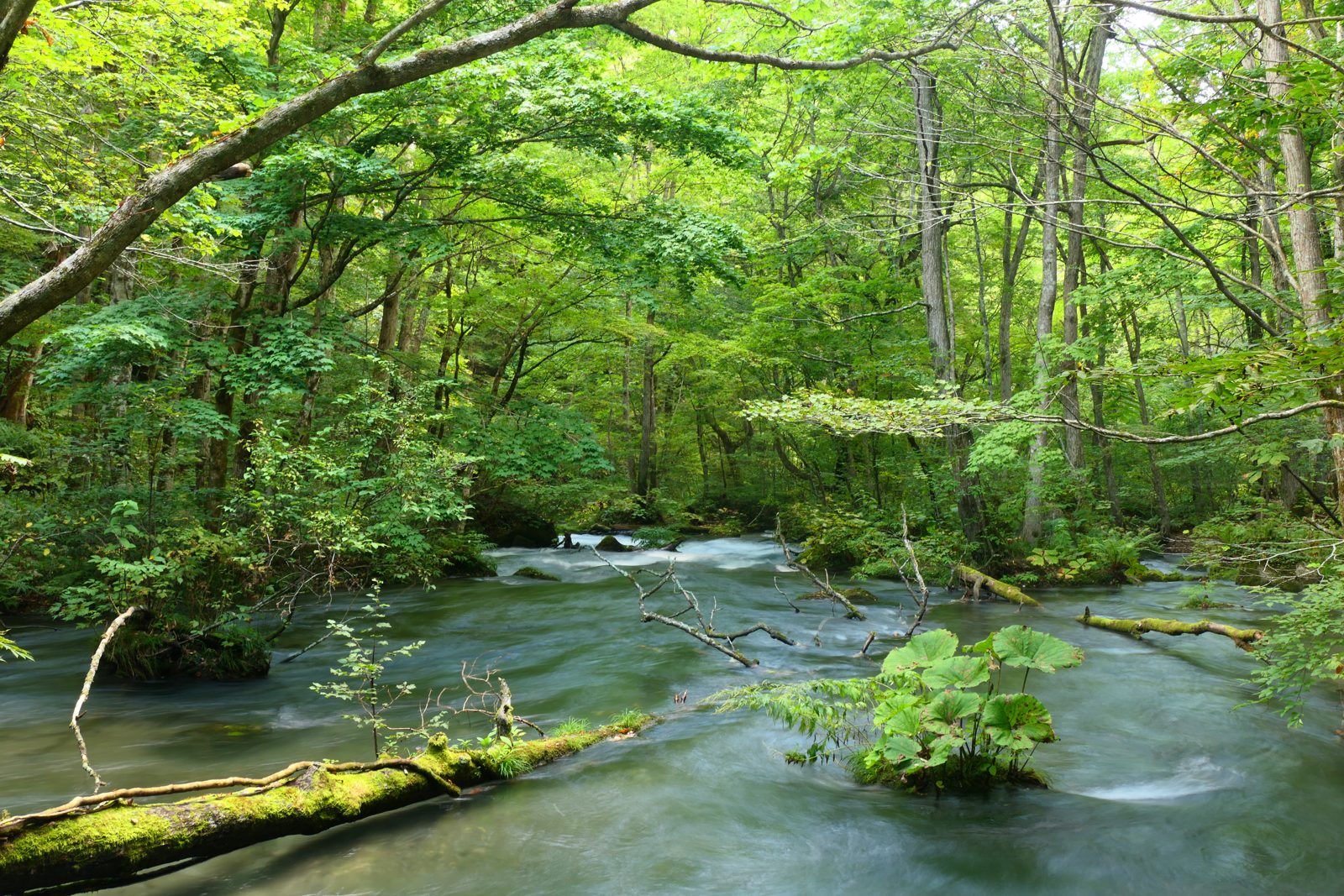
Oirase Gorge and Lake Towada
A walking path follows the stream for about 14 kilometres. Best in fresh spring green and autumn colour.
Look for this: the Statue of Maidens on the lakeshore, and the Inaoi River flowing through the town (the Towada room).
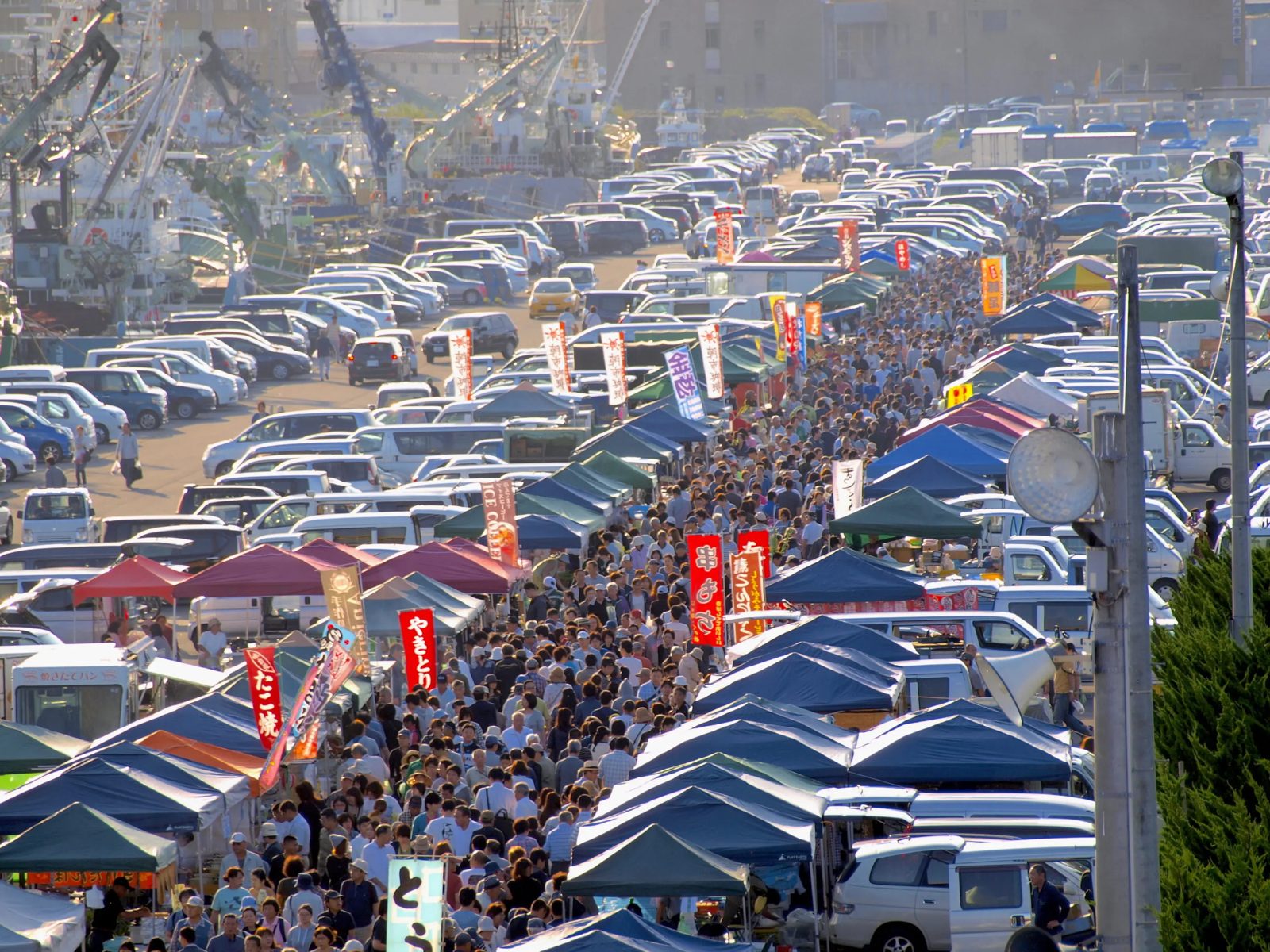
Tatehana Wharf Morning Market
Sundays from March to December, from dawn. More than 300 stalls line the quay.
Look for this: after the market, the black-tailed gulls of Kabushima (the Hachinohe room).
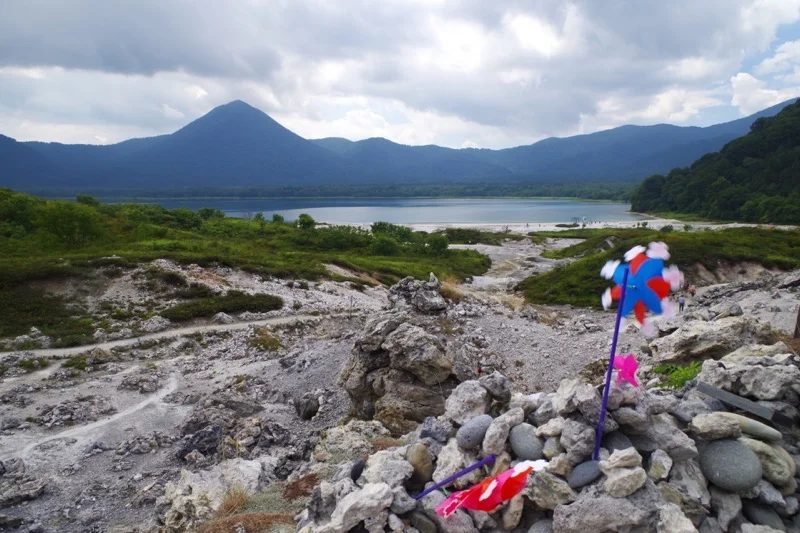
Osorezan
One of Japan's three great sacred sites. Usually open from May to October.
Look for this: the white "Gokuraku-hama" (Paradise Beach) on Lake Usoriyama (the Shimokita room).
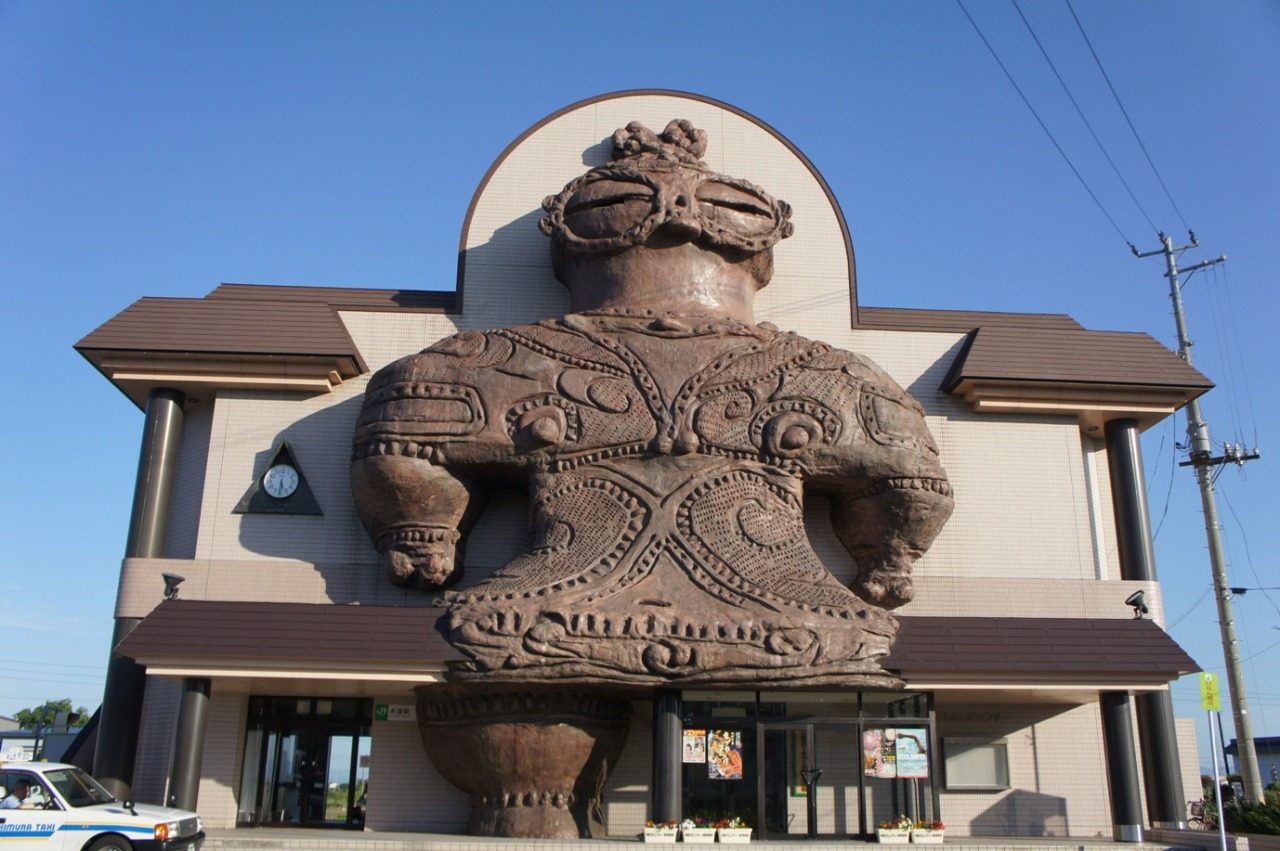
JR Kizukuri Station
A giant goggle-eyed dogu (clay figurine) covers the front of the station building. The Kamegaoka site is nearby.
Look for this: the figurine's eyes, which light up when a train arrives (the Jomon room).
Planning a route
On day one, take in Aomori City "from the Jomon to the port town" with Sannai-Maruyama Site → Aomori Museum of Art → Wa Rasse → Hakkoda Maru. On day two, walk the castle and Western-style buildings of Hirosaki, then head further on to Shayokan and the Tachineputa Museum in Goshogawara. On day three, follow the road of mountains and water: Hakkoda → Oirase → Lake Towada. If your stay in Hachinohe falls on a Sunday, you can also enjoy the dawn market. Trains and buses on the Tsugaru and Shimokita peninsulas are infrequent, so a hire car is convenient.