Home / The Seikan Ferries
05 — FERRIES
The Seikan Ferries
Aomori, at the northern tip of Honshu, and Hakodate, the gateway to Hokkaido. For 80 years, ships linked these two ports. The Seikan ferries loaded whole trains on board and carried people and goods across the sea. Their history also bears the scar of the worst maritime tragedy in Japan.
Labels: Factdocumented Likelysupported by most sources Legendoral tradition Urban legendlocal lore and rumour
1908: the state ferries enter service
FactIn March 1908, the state-run steam turbine ship Hirafu Maru began sailing between Aomori and Hakodate. The crossing took about four hours. This was the start of the Seikan ferries. Passengers stepping off the overnight train from Ueno walked from Aomori Station along the pier to board the ship and cross the Tsugaru Strait.
FactFrom 1925, train ferry service began, loading freight wagons directly into the ships. Rails were laid in the stern of the ship, and wagons were pushed aboard from a movable bridge on the quay. Coal and farm produce from Hokkaido and manufactured goods from Honshu now crossed the sea without being reloaded.
Air raids, and the Toya Maru Typhoon
FactOn 14 and 15 July 1945, ferries in the ports of Aomori and Hakodate and in the strait were attacked by US carrier-based aircraft. Almost all the ships were sunk or badly damaged, many people, including crew, were killed, and for a time the ferry service all but stopped.
FactOn 26 September 1954, as the powerful Typhoon No. 15 approached Hokkaido, the Toya Maru, having left Hakodate, was struck by ferocious winds and high waves outside the harbour, capsized and sank. On the Toya Maru alone, 1,155 people were dead or missing. Four other ferries also sank that night, and in all 1,430 people lost their lives. It is the worst maritime disaster in Japan's history. The typhoon is known as the "Toya Maru Typhoon".
FactThis disaster was what set the plan to dig a tunnel under the sea to link Honshu and Hokkaido moving in earnest (the Tunnel room).
The last day
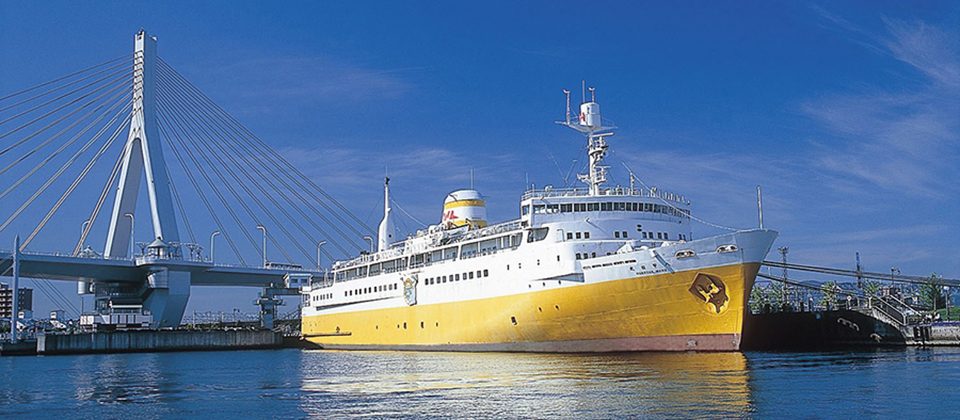
FactOn 13 March 1988, with the opening of the Seikan Tunnel, the Seikan ferries closed their 80-year history. The last sailing from Aomori on the final day was made by the Hakkoda Maru.
FactIshikawa Sayuri's 1977 song Tsugaru Kaikyo Fuyugeshiki ("Tsugaru Strait: Winter Scene"), about a traveller who arrives in Aomori on the night train from Ueno and boards the ferry, became the song that symbolised the ferry era.
Look here: the train deck of the Hakkoda Maru
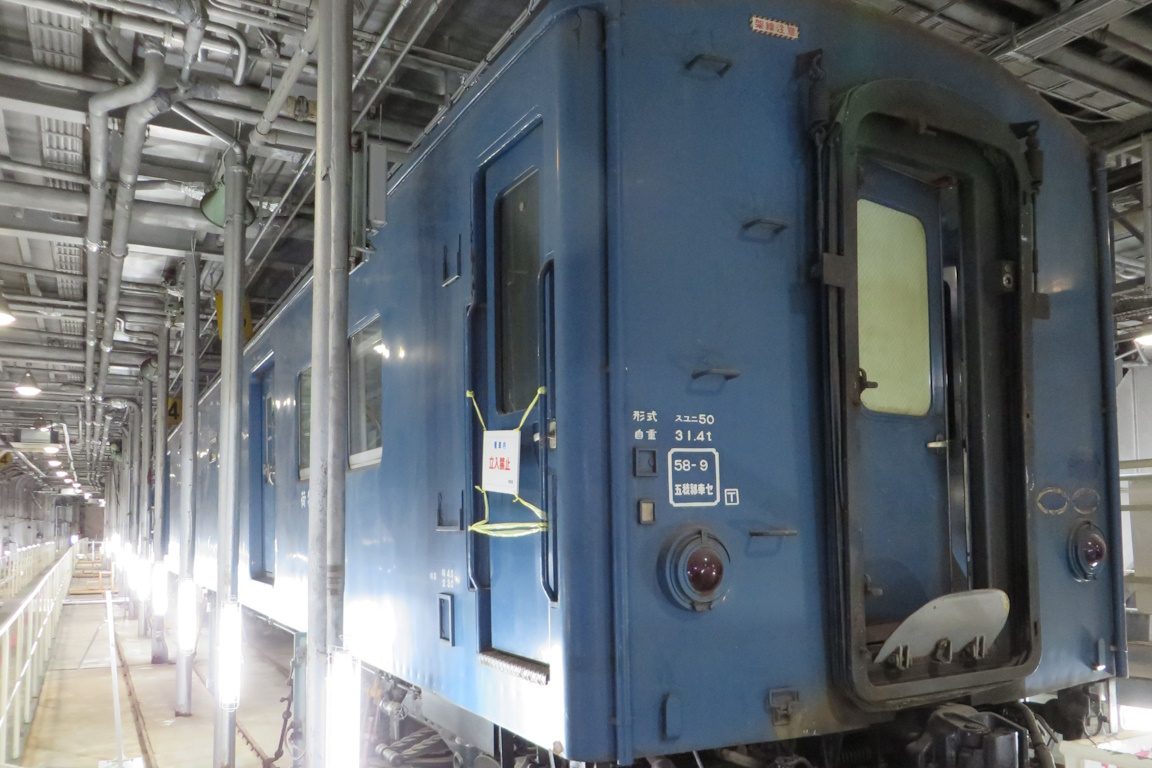
Moored right next to Aomori Station, the Hakkoda Maru is open to the public as a memorial ship. The highlight is the train deck near the bottom of the ship, where Japanese National Railways rolling stock that was actually carried across stands on the rails. The engine room can also be visited: the whole ship is a museum. On the Hakodate side, the Mashu Maru is preserved in the same way.
Main sources: Seikan Ferry Memorial Ship Hakkoda Maru / Hakodate City Seikan Ferry Memorial Ship Mashu Maru / Ministry of Transport, Record of the Toya Maru Typhoon Maritime Disasters / History of Aomori City