Home / Tsugaru Lacquer and Kogin Stitching
15 — CRAFTS
Tsugaru Lacquer and Kogin Stitching
Through the long winters, shut indoors by the snow, the people of Aomori kept their hands busy. Tsugaru lacquer, coated and polished dozens of times over. Kogin and hishizashi stitching, which used needle and thread to make coarse linen cloth warm and strong. Ingenuity born of a hard life has become a beauty the world now admires.
Labels: Factdocumented Likelysupported by most sources Legendoral tradition Urban legendlocal lore and rumour
Tsugaru lacquer: so much work it was called "fool's lacquer"
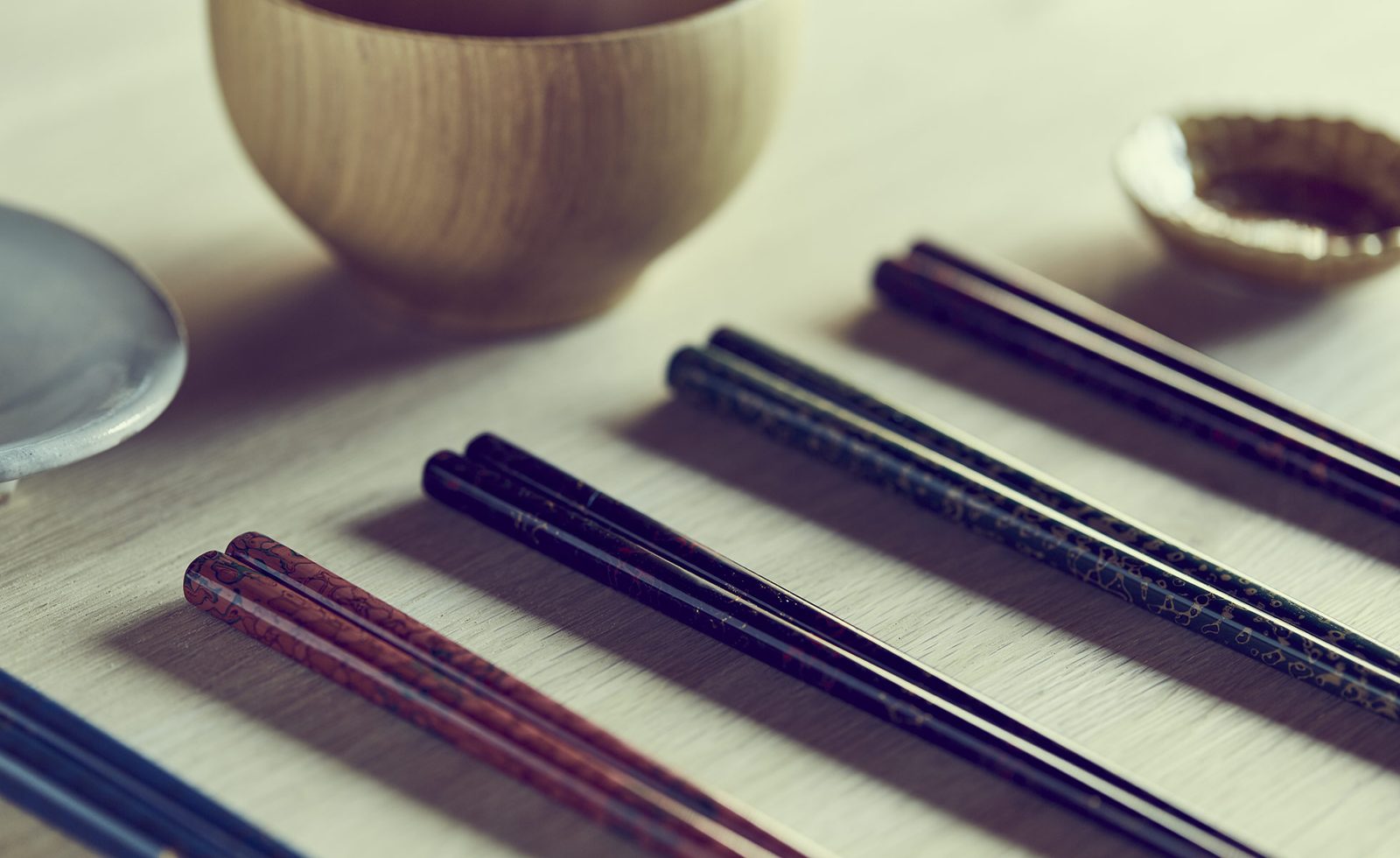
FactTsugaru-nuri (Tsugaru lacquerware) is lacquerware that the Hirosaki domain developed as a domain industry in the mid-Edo period, inviting craftsmen from various parts of Japan. Its hallmark is "togidashi kawari-nuri": lacquer of several colours is built up in layers, and the surface is then polished down so that the layers of colour beneath emerge as a pattern.
FactThere are four main techniques: kara-nuri, with its mottled pattern; nanako-nuri, in which rapeseed is sown on the surface to create a pattern of tiny rings; monsha-nuri, in which a pattern is made to stand out on a black ground with charcoal powder; and nishiki-nuri, which adds arabesque and other designs to nanako-nuri.
LikelyBecause the process of coating and polishing is repeated dozens of times and a piece takes several months to complete, it has also been called baka-nuri ("fool's lacquer"). This is said to mean that it takes a foolish amount of work, or alternatively that it is foolishly tough.
Kogin stitching: the ingenuity of farmers who could not wear cotton
LikelyIn Edo-period Tsugaru, it is said, farmers were forbidden to wear cotton kimono as a measure of frugality. In a land of bitter cold, what people wore were kimono of coarsely woven hemp cloth.
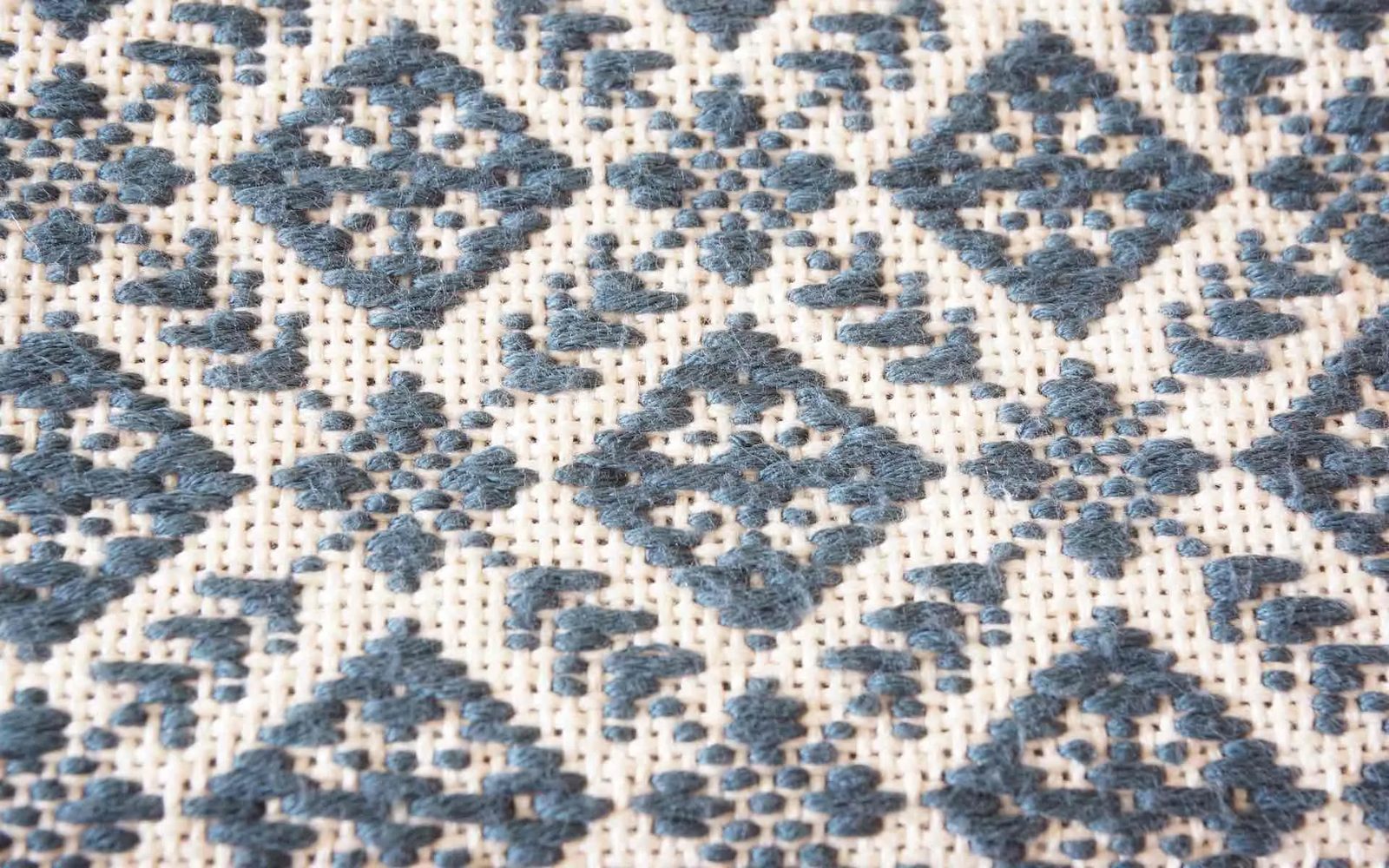
FactWomen filled in the weave of that hemp cloth, stitch by stitch, with white cotton thread. This made the cloth stronger and, by closing up the gaps, warmer. This is kogin-zashi (kogin stitching). Its patterns, based on the diamond shape, are built up from combinations of small basic motifs called modoko. The patterns differ from area to area: "Higashi (East) kogin", "Nishi (West) kogin" and "Mishima (Three-Stripe) kogin".
FactWhen cotton became available in the Meiji period, kogin stitching almost died out, but in the Showa period people of the mingei (folk craft) movement recognised its beauty and it attracted attention once again. The Nanbu region has its own tradition, Nanbu hishizashi, known for its horizontally elongated diamond patterns.
Tsugaru vidro glass
FactAomori City has a glassworks that used to make the glass floats used in fishing. The colourful Tsugaru vidro glassware was born by putting its glass-blowing skills to new use. Its colours, evoking the Tsugaru landscape through the four seasons, have made it a popular Aomori souvenir.
Look for this: the back of kogin stitching
If you get the chance to see a piece of kogin stitching, be sure to look at the back as well. Kogin is stitched one row at a time across the cloth, counting the vertical threads of the weave in odd numbers. The runs of thread lined up on the back show what mind-boggling handwork it was. At places such as Tsugaru-han Neputa Mura in Hirosaki, you can watch Tsugaru lacquer and kogin stitching being made and try them yourself.
Main sources: Aomori Prefecture, "Tsugaru-nuri" / Tsugaru-nuri Technique Preservation Society / Hirosaki Kogin Institute / Agency for Cultural Affairs, Cultural Heritage Online / Hokuyo Glass