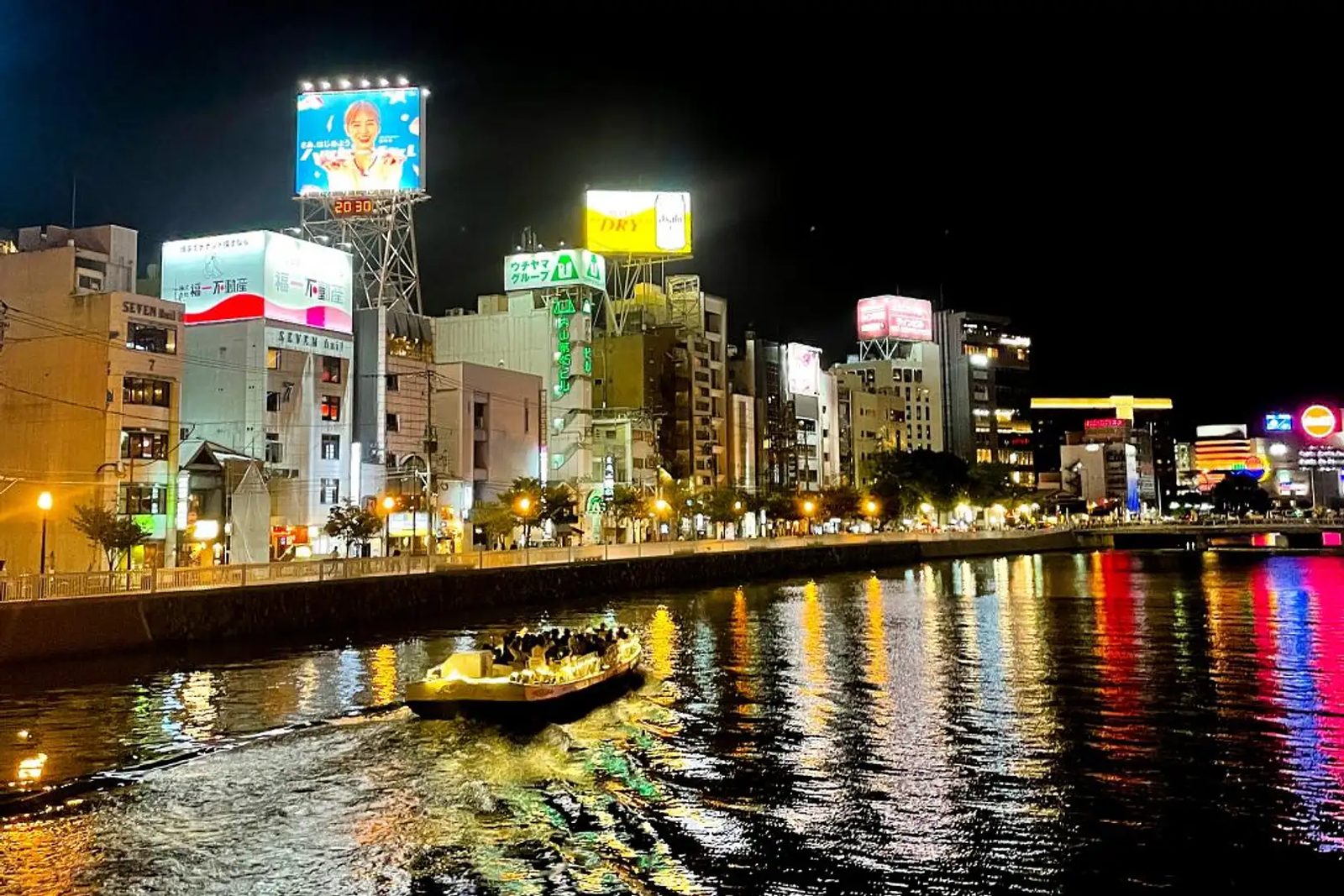
A town that opened
to the sea.
A gold seal sent by a Chinese emperor. An ancient guesthouse that welcomed foreign envoys. A port where Song merchants lived. And the vast Mongol armies that came, not once but twice. For 2,000 years, Hakata was Japan's front door to the Asian mainland. Hakata, the merchants' town, and Fukuoka, the samurai town: we trace the history of this city with two names, showing where fact ends and legend begins.
Four keys to understanding Hakata
Almost everything that has happened in this town connects to one of these four.
The sea
The Korean Peninsula is about 200 km away. Hakata Bay was Japan's closest port to the mainland, where envoys, merchants and sometimes enemy armies arrived.
Defence
The Mizuki wall after the defeat at Baekgang, the stone wall against the Mongols, Fukuoka Castle. Preparing for what lay across the sea brought great building works to this land again and again.
Townspeople
Song merchants, Hakata's wealthy traders, and the Yamakasa "nagare" (neighbourhood teams). Hakata is a town its merchants have run for themselves.
Gods and prayer
The goddesses of Munakata, the Hachiman god of Hakozaki, and Michizane, who became Tenjin. Shrines praying for safe seas and the defence of the nation surround the town.
Why this bay?
Hakata Bay is a calm bay sheltered to the north by Uminonakamichi and Shikanoshima, and to the west by the Itoshima Peninsula. Genkaijima island sits at its mouth, and Nokonoshima island lies in the middle of the bay. Sail out of the bay, and the Korean Peninsula is about 200 km away by way of Iki and Tsushima. Facing the Genkai Sea, this natural harbour has been the starting point and the arrival point for journeys to and from the mainland since ancient times.
On the plain formed by the Naka and Mikasa rivers that flow into the bay, the land of Na flourished in the Yayoi period, and later Dazaifu was established inland. Hakata, the port town, and Dazaifu, the inland seat of government: Fukuoka's history has piled up along the road that linked the two.
Small events that made today's Hakata
One event ripples out to somewhere no one expected. Hakata has plenty of these "butterfly effects".
Twenty rooms into Hakata
From the ancient gateway to the medieval port, the castle town, festivals and food. Start with whichever room catches your eye.
Hakata and Fukuoka: one city, two names
A merchants' town and a samurai town across one river, and a vote over the city's name.
Read →The gold seal and Shikanoshima
A Han emperor's gold seal, dug out of a farm ditch.
Read →Itoshima and the land of Ito
A kingdom in the Chinese chronicles and Japan's largest bronze mirror.
Read →Dazaifu, the Mizuki wall and the Korokan
An earthen wall built after a lost war, and a guesthouse under a ballpark.
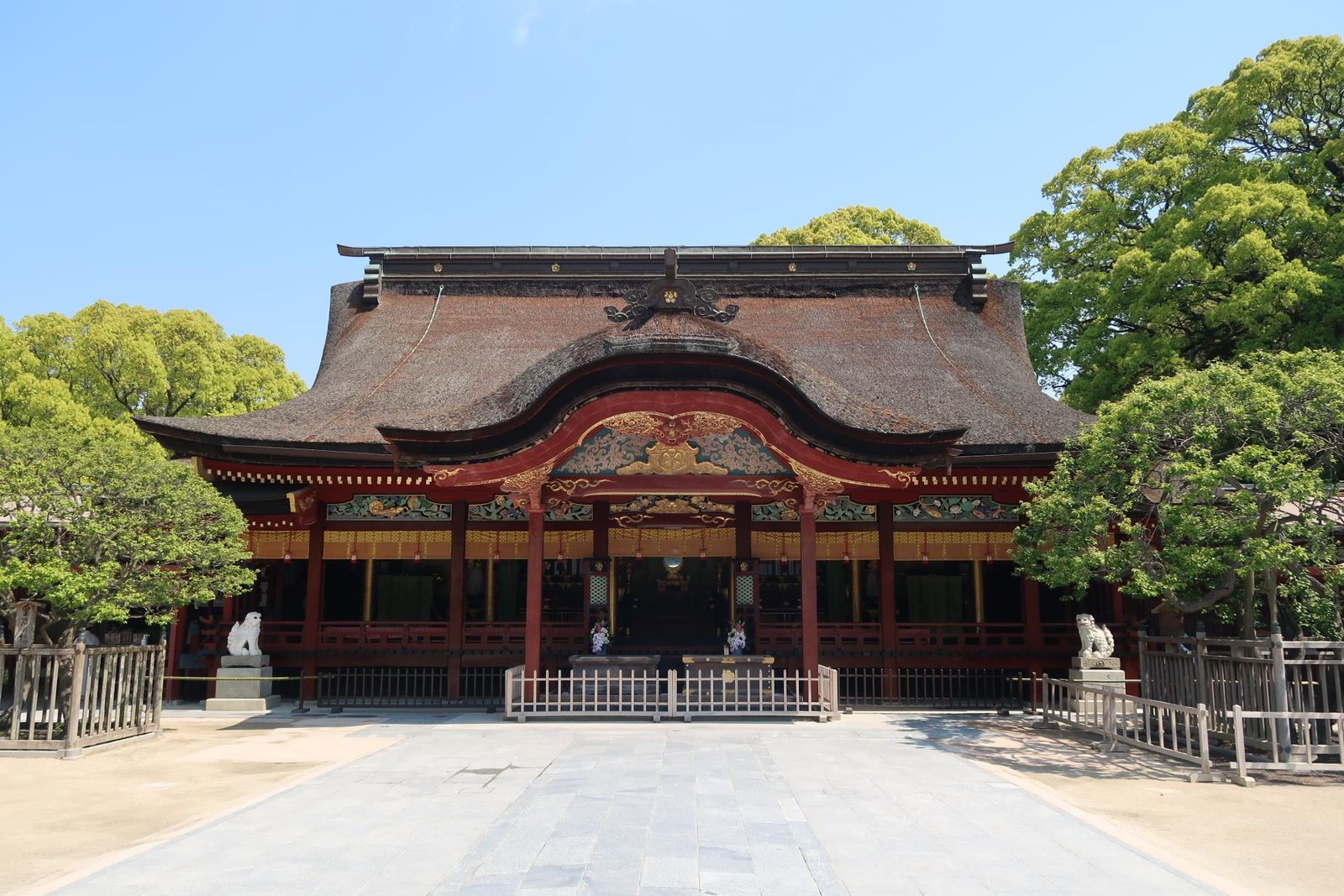
Read →Dazaifu Tenmangu and Sugawara no Michizane
How an exiled scholar became the god of learning.
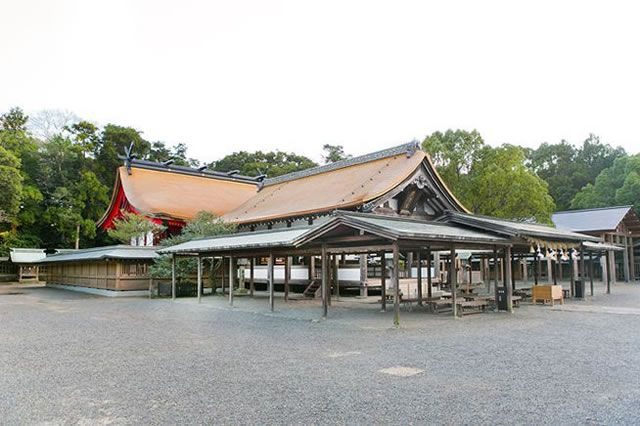
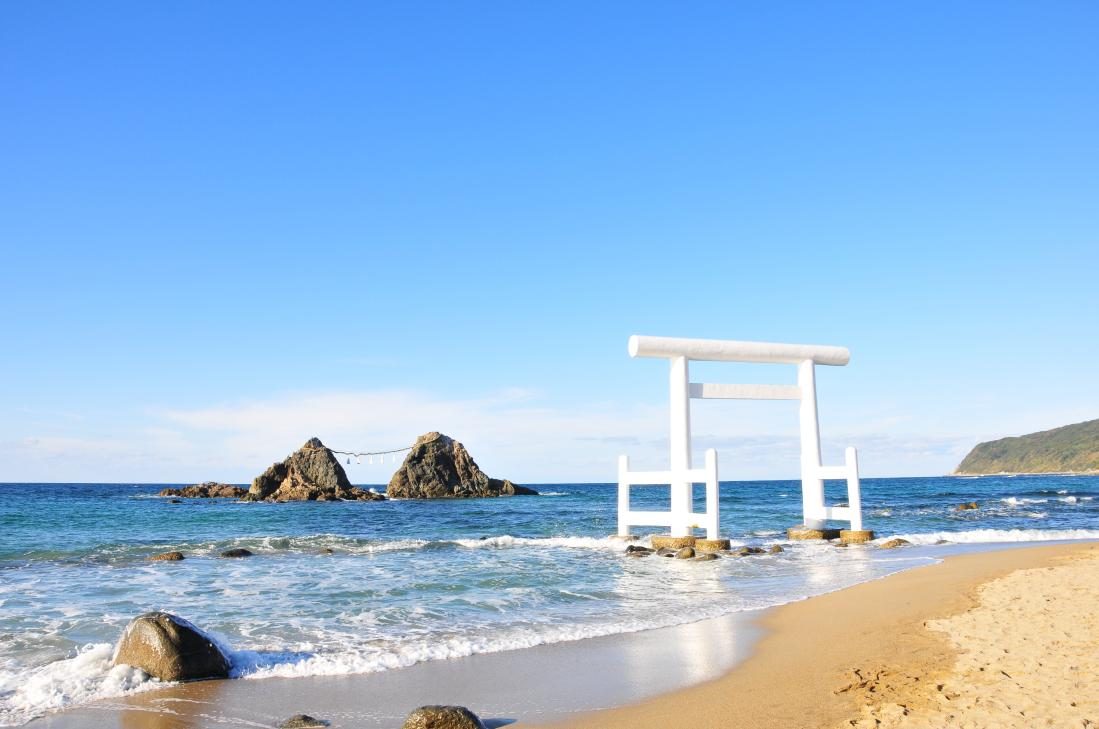
Read →Munakata Taisha and Okinoshima
An island that is itself a god, holding 80,000 offerings.
Read →The Mongol invasions and the stone wall
The fleets that filled Hakata Bay, and 20km of stone wall.
Read →Hakata, the international port
A town of Song merchants, rebuilt from ashes by Hideyoshi.
Read →Jotenji and Shofukuji
Japan's first Zen temple and the origins of udon, soba and manju.
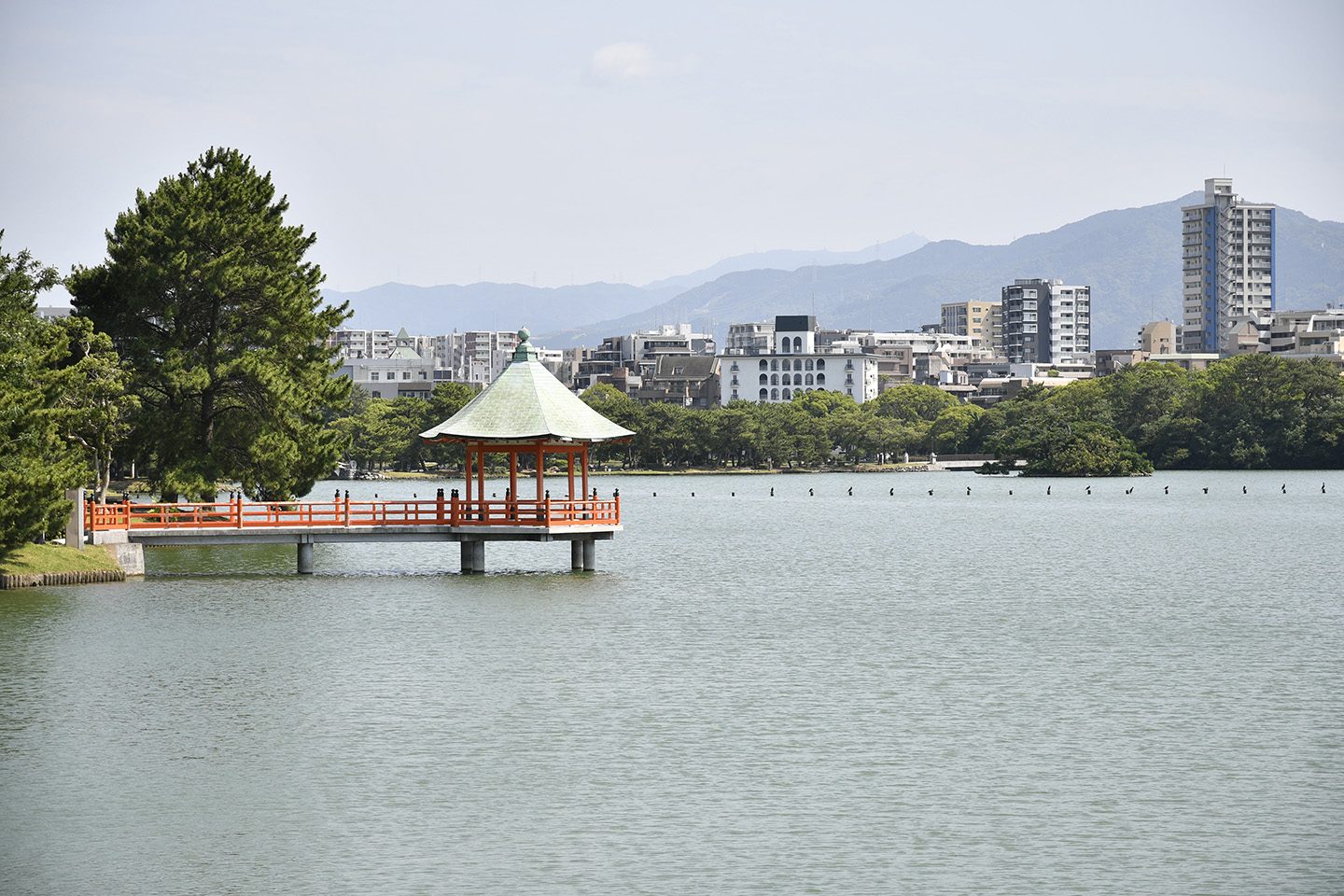
Read →Fukuoka Castle and Ohori Park
Did it have a keep? A castle that turned a bay into its moat.
Read →Kuroda Kanbei and Kuroda Nagamasa
The strategist behind the unifiers, and the son who named Fukuoka.
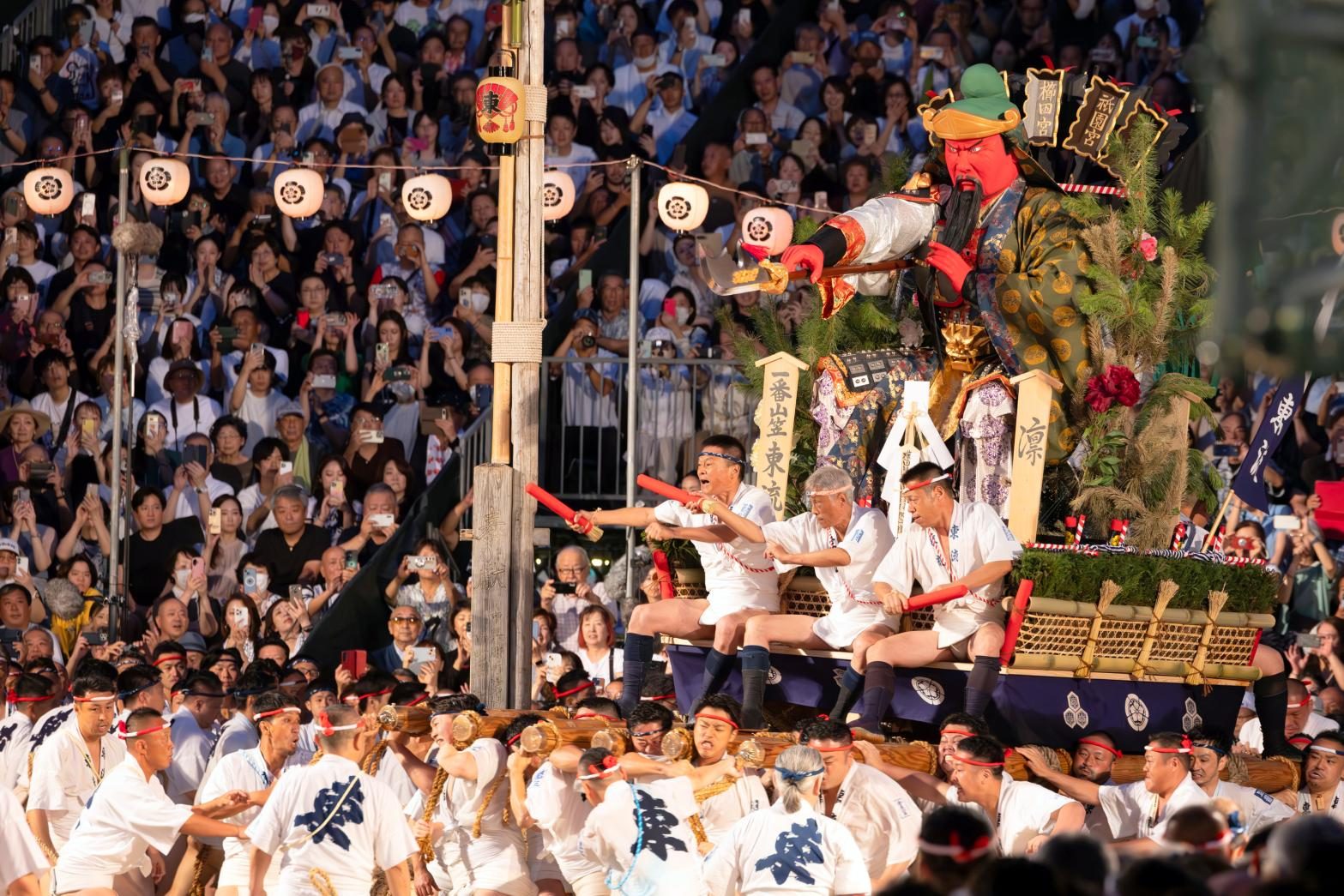
Read →Kushida Shrine and Hakata Gion Yamakasa
Racing a one-tonne float through the streets, a festival of 780 years.
Read →Hakozaki Shrine, Hojoya and Dontaku
A gate that prays for the enemy's surrender, and a festival named in Dutch.
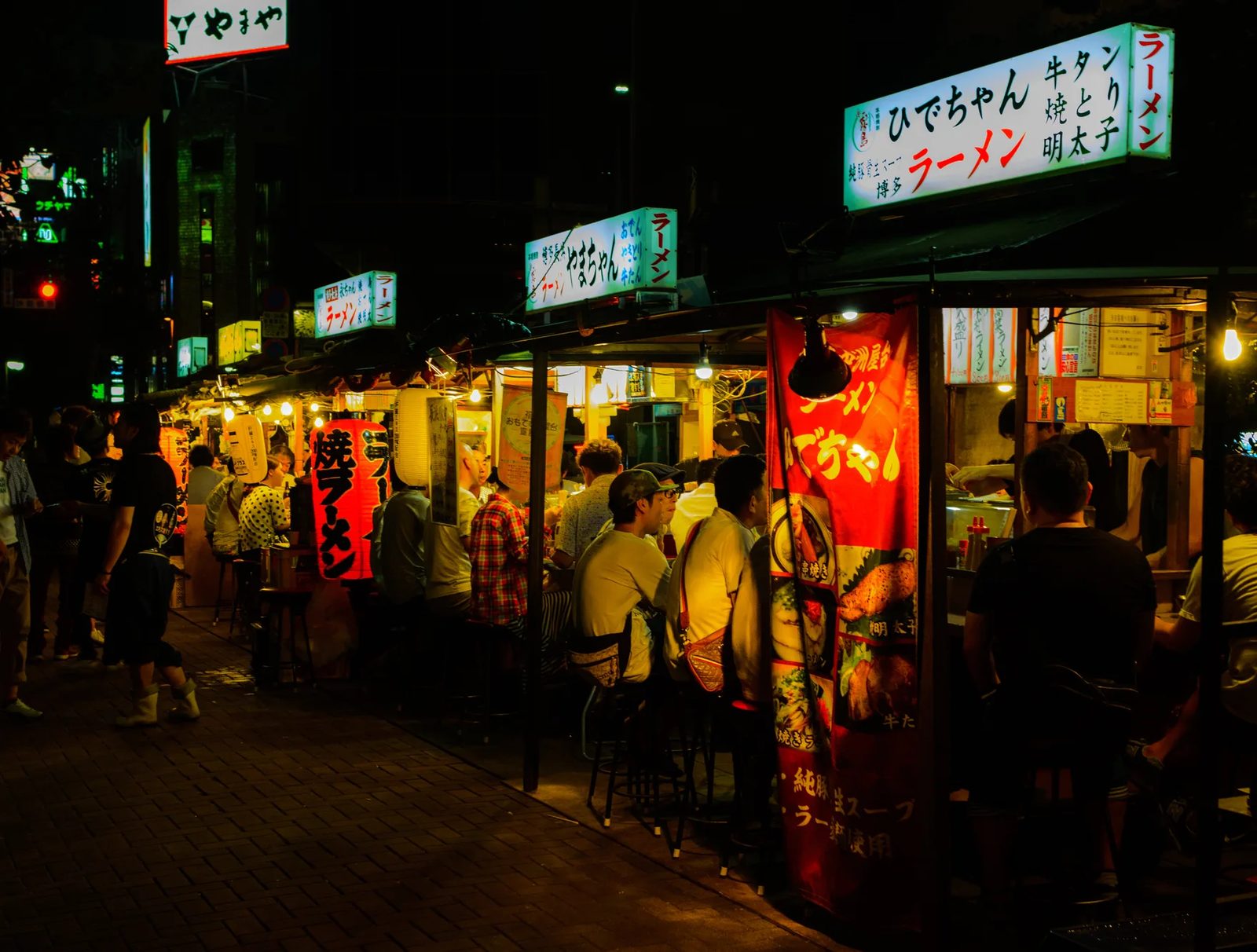
Read →Nakasu and the yatai stalls
An island district and the street stalls protected by law.
Read →Hakata ramen and tonkotsu
Why the soup is white, the noodles thin, and refills cheap.
Read →Motsunabe, mizutaki and mentaiko
A taste spread by a man born in Busan who never took a patent.
Read →Hakata-ori weaving and Hakata dolls
Sashes woven with Buddhist ritual motifs, and unglazed clay dolls.
Read →Hakata dialect and Hakata people
Suitoh, nanshiyouto: the words of a festival-mad town.
Read →Legends and urban legends of Fukuoka
Mukuri-kokuri, the fake-seal theory, and cucumbers in July.
Read →Things to do in Fukuoka
Five minutes from the airport: a history route for one or two days.
Read →Three to read first
"Common sense" for Hakata people
Things that surprise visitors a little, but that locals take for granted.
- No cucumbers in JulyIn families involved in Yamakasa, it is said that people don't eat cucumbers from 1 to 15 July, because a sliced cucumber looks like the crest of Kushida Shrine (see Kushida Shrine and Yamakasa).
- Finish with "Hakata Te-ippon"Parties end not with the usual triple clap but with the Hakata Te-ippon. Once the hands have been clapped, it is good manners not to bring up again what was discussed (see Hakata dialect).
- "Naoshitoite" means "put it away"In Hakata dialect, "naosu" means "to put away". They're not asking you to fix anything (see Hakata dialect).
- Say how firm you want your ramen noodles"Barikata, please." "Harigane, please." You tell them how firm you want the noodles when you order, and if you want more, you ask for a kaedama (noodle refill) (see Hakata ramen).
- Oshioi at the front doorSome households hang "oshioi", sand from Hakozaki beach, in a bamboo basket by the front door and sprinkle it over themselves to purify body and mind before going out (see Hakozaki Shrine).
A timeline of Hakata
Rice farming at Itazuke
Remains of rice paddies from the final Jomon period have been found here, making it known as one of the oldest places of rice farming in Japan.
An envoy from Na
The Book of the Later Han records that Emperor Guangwu gave a seal and cord to the land of Na. This is thought to be the gold seal of Shikanoshima.
Ito and Na
The Gishi Wajinden records the land of Ito, ruled by kings for generations, and the land of Na, with over 20,000 households.
Rituals on Okinoshima
State rituals continue for about 500 years on Okinoshima in the Genkai Sea.
The Mizuki is built
The year after the defeat at Baekgang, an earthen rampart is built to defend Dazaifu.
Sugawara no Michizane comes to Dazaifu
Exiled here, Michizane dies in 903, and Dazaifu Tenmangu is later built.
Shofukuji
Eisai founds Shofukuji. Its main gate bears the plaque "Fuso Saisho Zenkutsu" (Japan's first Zen temple).
Jotenji
With the support of the Song merchant Xie Guoming, Enni founds Jotenji.
The Mongol invasions
The Bun'ei and Koan campaigns. A stone defence wall is built along the shore of Hakata Bay.
The Taiko's town plan
Toyotomi Hideyoshi lays out the burned ruins of Hakata anew.
Work begins on Fukuoka Castle
Kuroda Nagamasa builds a castle and names it "Fukuoka".
Fukuoka City is born
With the new municipal system, Hakata and Fukuoka become a single city. Hakata Station opens the same year.
Hakata, port of repatriation
About 1.39 million people are repatriated through Hakata Port.
Munakata and Okinoshima become World Heritage
"Sacred Island of Okinoshima and Associated Sites in the Munakata Region" is inscribed as a World Heritage Site.