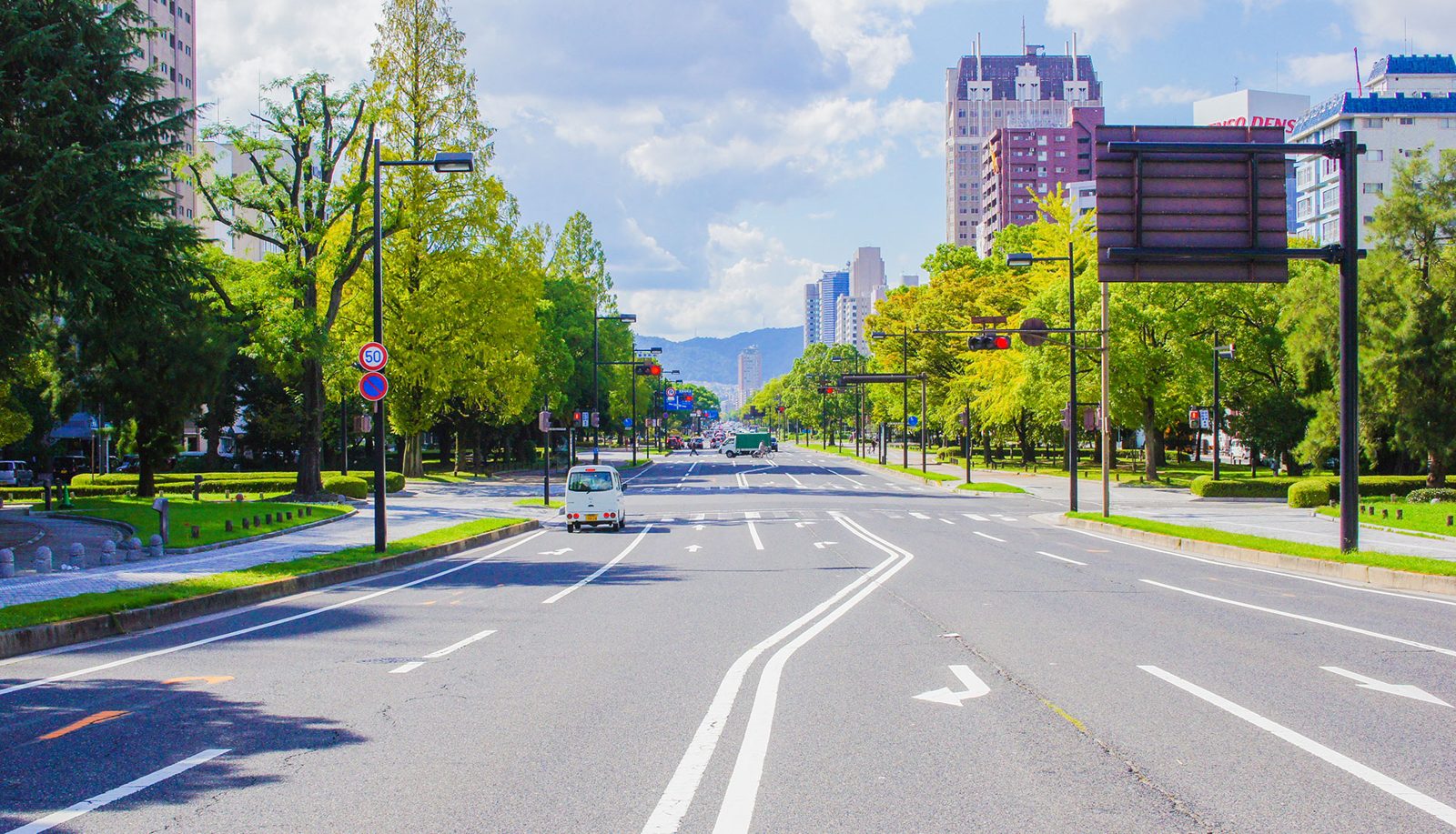
HIROSHIMA
A city of rivers and sea,
reborn.
It was in 1589 that a warlord built a castle on the delta formed by the Ota River. In time the castle town became a "military city," and on 6 August 1945 a single atomic bomb reduced it to scorched ruins. How did the city rise again from there? From Miyajima floating on the sea and the port towns where ships waited for the tide, to okonomiyaki and the Carp, this site traces the "whys" of Hiroshima that guidebooks leave out — marking clearly where history ends and legend begins.
FOUR KEYS
Four keys to understanding Hiroshima
Almost everything that happened in this city connects back to one of these four.
A city on a delta
Central Hiroshima stands on a delta built up from sediment carried down by the Ota River. Rivers split into many channels, and land extended by filling in the sea: this is where the "city of water," with its many bridges, was born.
A military city
With both a railway and a port, Hiroshima became a military base from the Meiji era onwards. In 1894 the Imperial General Headquarters for the First Sino-Japanese War was set up here, and to the south, in Kure, a great naval arsenal was built. The city grew hand in hand with the military.
6 August
At 8:15 a.m. on 6 August 1945, an atomic bomb exploded in the sky over the city. It is estimated that some 140,000 people had died by the end of that year. Hiroshima became a city that keeps passing on the memory of this day.
The sea and islands of the Inland Sea
Scattered across the calm waters of the Seto Inland Sea are Miyajima, the island of the gods, and port towns once bustling with ships waiting for the tide. Oysters and lemons, the literature of the port towns: the sea is the stage for Hiroshima's life and culture.
WHY HERE?
Why this delta?
Flowing out of the Chugoku Mountains, the Ota River splits into several channels just before it enters Hiroshima Bay. Sediment built up between them to form the delta on which the city of Hiroshima now spreads. Long ago, this was a place of small reed-covered islands and tidal flats.
By river, the produce of the mountains could be shipped out; by sea, it connected to the sea lanes of the Inland Sea. The man who saw the value of this hub of water transport was Mori Terumoto, the warlord who ruled most of the Chugoku region. The low-lying land by the sea also suffered from floods, but people built embankments and filled in the tidal flats to extend the city.
BUTTERFLY EFFECT
Small events that shaped the city today
A single event can ripple out in unexpected directions. Hiroshima has more than a few of these "butterfly effects."
13 ROOMS
Thirteen rooms into Hiroshima
Start wherever you like. Read from the top, and the rooms join into a single story — how a castle town on a delta became a military city, and rose from scorched ruins as a city of peace.
A Castle Town on a Delta
A castle built on the sea: Mori Terumoto's decision in 1589.
Read →Hiroshima, the Military City
For seven months, Hiroshima was Japan's capital in all but name.
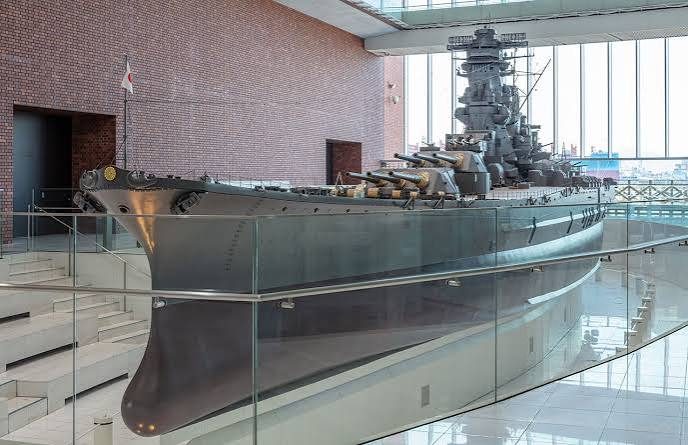
Read →Kure and the Battleship Yamato
A fishing village became the greatest naval port in the East.
Read →6 August 1945
8:15 a.m. The aiming point was a T-shaped bridge.
Read →Rising from the Ashes
In a city where nothing was to grow for 75 years.
Read →Miyajima and Itsukushima Shrine
A shrine over the sea: Taira no Kiyomori's dream.
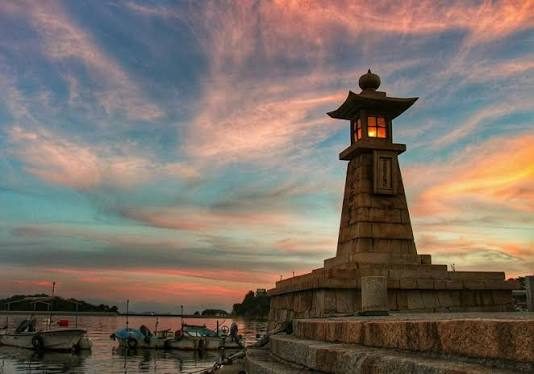
Read →Onomichi, Tomonoura and the Inland Sea
Korean envoys and Sakamoto Ryoma both waited for the tide here.
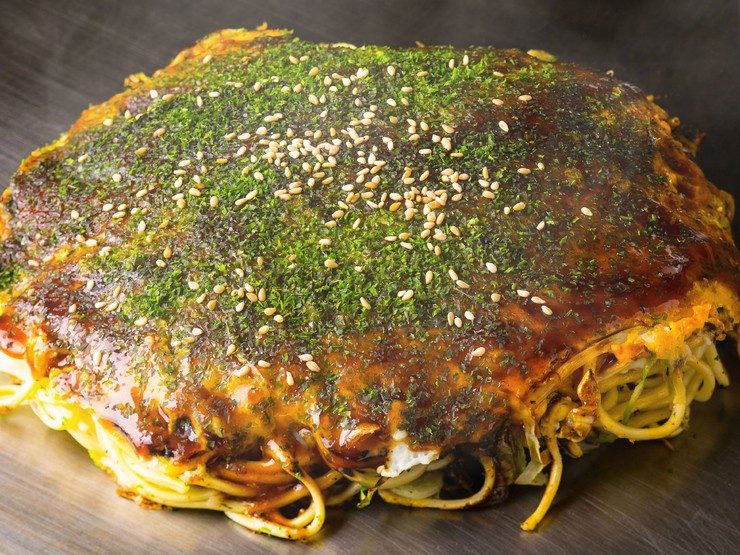
Read →Okonomiyaki, Oysters and Momiji Manju
A one-sen snack became the dish that fed the postwar city.
Read →The Carp and Its City
A team with no parent company, kept alive by citizens' barrel donations.
Read →Kumano Brushes, Miyajima Ladles, Hiroshima Needles
Most of Japan's brushes come from one mountain town.
Read →Legends and Urban Legends
Kiyomori calls back the sun; Ito Hirobumi and the maple cake.
Read →Walking Hiroshima
Streetcars and ferries to where the stories happened.
Read →Further Reading
From Black Rain to In This Corner of the World.
Read →START HERE
Three places to begin
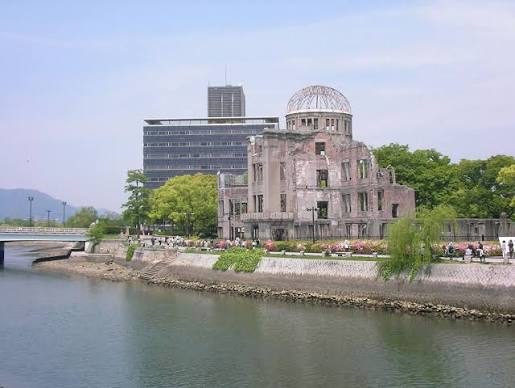
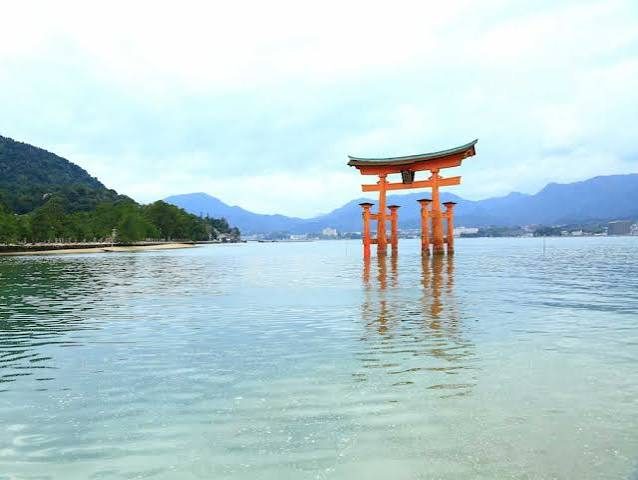
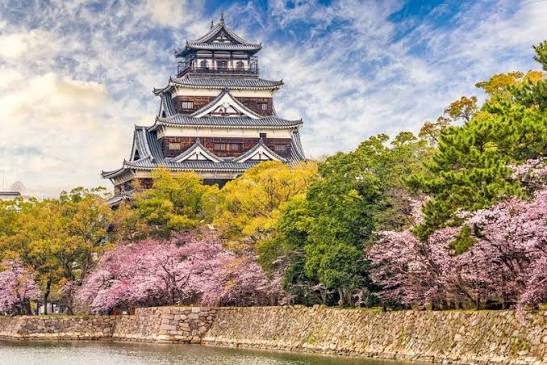
LOCAL COMMON SENSE
"Common sense" to Hiroshima people
Things that surprise visitors a little, but that locals take completely for granted.
- 6 August is a school dayEven though it falls in the summer holidays, many schools in Hiroshima City hold a school day on this date. At 8:15 a.m., silent prayers are offered all over the city.
- Don't call it "Hiroshima-yaki"Locals simply call it "okonomiyaki." Hiroshima's okonomiyaki is cooked with cabbage and noodles in layers. Call it "Hiroshima-yaki" and you may be gently corrected.
- Colourful bon-doro on the gravesAt Obon, cemeteries are decorated with bon-doro (Obon grave lanterns): morning-glory-shaped lanterns covered in red, blue and yellow paper. It is a sight unique to the land of the devout Jodo Shinshu Buddhists of Aki, the "Aki Monto."
- The streetcars are "Hiroden"The streetcars running through the city belong to Hiroshima Electric Railway, known as "Hiroden." Streetcars that survived the bombing are still in service today.
- For a contest, a shamojiThe shamoji (rice ladle) of Miyajima is a good-luck charm for "scooping up the enemy." You can also see fans clapping shamoji together when cheering on the Carp.
- "Jake"A Hiroshima word meaning "so" or "because." The ending "…jake" is known throughout Japan as the signature of the Hiroshima dialect.
TIMELINE
A timeline of Hiroshima
The shrine buildings of Itsukushima
Taira no Kiyomori lays out the shrine buildings in their present form, standing over the sea.
The Battle of Itsukushima
Mori Motonari defeats Sue Harukata, opening his path to mastery of the Chugoku region.
Hiroshima Castle is built
Mori Terumoto begins building a castle on the Ota River delta.
The Asano arrive
After Fukushima Masanori is stripped of his domain, Asano Nagaakira moves in, and the Asano family rules for some 250 years.
City status and the Kure Naval District
Hiroshima City is born, and a naval district is opened in Kure. Ujina Port is also completed.
The Imperial HQ comes to Hiroshima
The Imperial General Headquarters for the First Sino-Japanese War is set up in Hiroshima Castle, and the Imperial Diet also meets in Hiroshima.
The battleship Yamato completed
One of the largest battleships in the world, built at the Kure Naval Arsenal, is completed.
6 August, 8:15 a.m.
An atomic bomb is dropped, and some 140,000 people die by the end of the year.
The Peace Memorial City Construction Law
Promulgated on 6 August, it sets Hiroshima on the path to recovery as a "Peace Memorial City."
The Carp is born
The club joins the Central League as a citizens' team with no parent company.
The Peace Memorial Museum opens
The central building of Peace Memorial Park, designed by Tange Kenzo, opens.
Two World Heritage Sites
The A-Bomb Dome and Itsukushima Shrine are inscribed as World Heritage Sites in the same year.
The eyes of the world on Hiroshima
US President Barack Obama visits in 2016, and the G7 Hiroshima Summit is held in 2023.
Labels: Factdocumented Likelysupported by most sources Legendoral tradition Urban legendlocal lore and rumour