Home / Kumano Brushes, Miyajima Ladles, Hiroshima Needles
09 — CRAFTS
Kumano Brushes, Miyajima Ladles, Hiroshima Needles
Calligraphy brushes, the shamoji used to serve rice, sewing needles: many of the tools of everyday life are in fact made in Hiroshima. We trace the history of Hiroshima's handicrafts, born from seasonal work away from home in the farming off-season and from side jobs encouraged by the domain.
Labels: Factdocumented Likelysupported by most sources Legendoral tradition Urban legendlocal lore and rumour
Kumano brushes — brushes from a mountain town
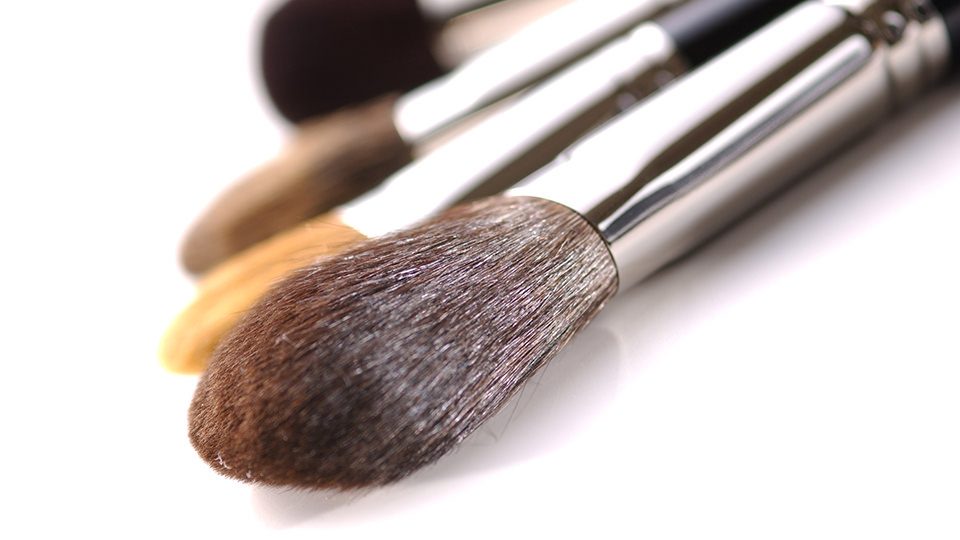
FactKumano Town, surrounded by mountains east of Hiroshima City, is the "capital of brushes," producing about 80% of Japan's brushes. It is said to have begun towards the end of the Edo period in this highland town with little farmland, when people who went away to work in Nara and Kishu (Wakayama) during the farming off-season bought brushes and ink sticks on their way home and sold them door to door. In time the townspeople learned the craft of brush-making, and the town became a centre of brush production.
FactIn 1975 Kumano brushes were designated a national Traditional Craft. Besides calligraphy and painting brushes, in recent years their make-up brushes have won international acclaim. In 2011, when the People's Honour Award was presented to the Japanese national team that won the FIFA Women's World Cup, it was Kumano make-up brushes that were chosen as the commemorative gift.
Miyajima shamoji
LegendThe shamoji (rice ladle) of Miyajima is said to have begun in the late Edo period, when Seishin, a monk living on the island, taught the islanders how to make them to help them earn a living. It is also said that its shape imitates the biwa lute held by the goddess Benzaiten.
FactIn the Meiji era, soldiers setting off for the First Sino-Japanese War and the Russo-Japanese War dedicated shamoji to Itsukushima Shrine and elsewhere, as a way to "meshi-toru" — to "scoop up" the enemy, a pun on scooping rice — and the shamoji became known throughout Japan as a good-luck charm for victory. On Miyajima's Omotesando shopping street, a giant shamoji more than 7 metres long is on display.
Hiroshima needles, and the altars of the Aki Monto
FactHiroshima is a major centre of sewing-needle production, said to account for about 90% of Japan's output. It is said to have begun in the Edo period, when the Hiroshima domain encouraged needle-making as a side job for low-ranking samurai.
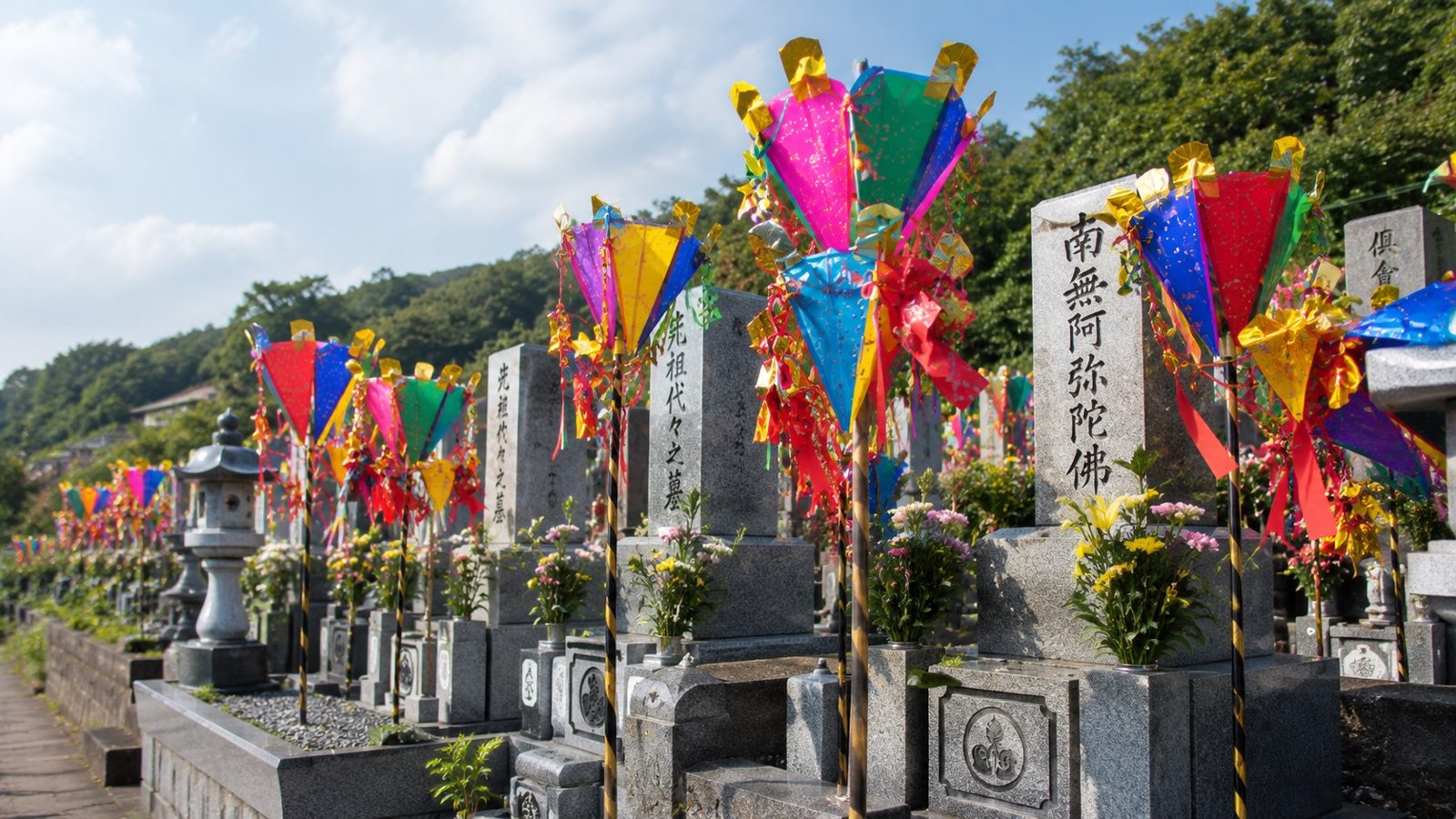
FactWestern Hiroshima Prefecture has long been home to many devout Jodo Shinshu Buddhists, the "Aki Monto" of Aki. Supported by their faith, Hiroshima Buddhist altars, lavishly decorated with gold leaf and lacquer, developed here. The colourful bon-doro (Obon grave lanterns) that decorate graves at Obon are likewise a custom unique to the land of the Aki Monto.
Look here: the koto of Fukuyama
Fukuyama, in the east of Hiroshima Prefecture, is also known for making the koto (Japanese zither), accounting for much of Japan's production. This is said to stem from the Fukuyama domain's encouragement of learning and the performing arts in the Edo period. The Fukuyama koto is a national Traditional Craft.
Main sources: Kumano Town, "Kumano Brushes" / Association for the Promotion of Traditional Craft Industries / Miyajima Tourist Association, "Miyajima Shamoji" / Hiroshima Needle Industry Cooperative