This is the story of five young men who, at the end of the Edo period, risked their lives to stow away from Japan to Britain, brought its knowledge home, and did much to build modern Japan. They are known as the Choshu Five.
- Ito Shunsuke(later Ito Hirobumi: "father of the cabinet" / first Prime Minister of Japan)
- Inoue Monta(later Inoue Kaoru: "father of diplomacy" / first Minister for Foreign Affairs)
- Yamao Yozo("father of engineering" / Minister of Public Works)
- Endo Kinsuke("father of the mint" / Director of the Mint)
- Nomura Yakichi(later Inoue Masaru: "father of Japan's railways" / Director-General of the Railway Agency)
London, 1910. An old Inoue Masaru returns to the place where five of them stood forty-seven years earlier. What he remembers is the story of young men who set fire to a British building — and then crossed the sea to learn from the country they had tried to burn.
Contents
 PrologueThe WhistleSummer 1910 — LondonLondon, 1910. Inoue Masaru, 66, returns to the portico of University College London where five young men stood 47 years before, and begins to tell their story.
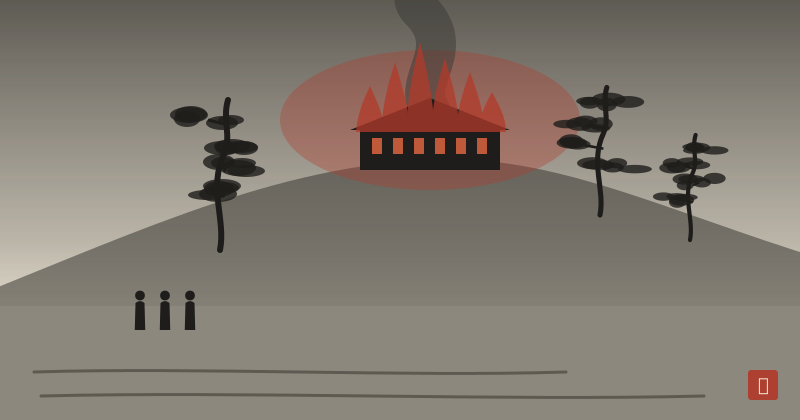 Chapter 1The Fire-SettersWinter 1862 — Shinagawa, Edo / YokohamaShinagawa, winter 1862. Ito, Inoue and Yamao help burn the British legation at Gotenyama. A pane of glass and a single screw leave them with a question.
- Chapter 2Living MachinesSpring 1863 — Choshu, Kyoto, Edo, YokohamaSpring 1863. Secret permission, 5,000 borrowed ryo, topknots cut off, and a note calling themselves "living machines": five men stow away from Yokohama.
 Chapter 3Shanghai, Two ShipsSummer–autumn 1863 — Shanghai / Indian Ocean / AtlanticShanghai, 1863. A harbour full of warships ends the dream of expelling foreigners. A slip of the tongue — "navigation" — sends two of them to sea as deckhands.
 Chapter 4City of FogAutumn 1863 – winter 1864 — LondonLondon, 1863. Professor Williamson's home, the UCL laboratory, Underground smoke and slums. A short season of study together, until a newspaper names Choshu.
 Chapter 5The Article in The Times1864 — London / Yokohama / Yamaguchi / Shimonoseki1864. Ito and Inoue rush home to stop a war Choshu cannot win: the allied bombardment of Shimonoseki, the peace talks, and the night at Sodetoki Bridge.
 Chapter 6The Three Who Stayed1864–1867 — London / Glasgow1864–1867. Yamao, Endo and Nomura stay on in London and Glasgow, meet the Satsuma students, and endure illness and poverty to keep learning.
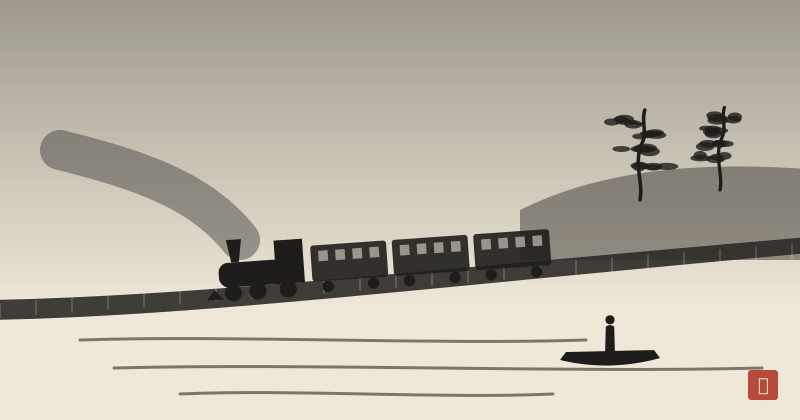 Chapter 7The Machines Come Home1866–1872 — Yamaguchi / Yokohama / Osaka / Tokyo1866–1872. Back home, the five each find their post: the Ministry of Public Works, the Osaka Mint, and Japan's first railway, laid across the sea.
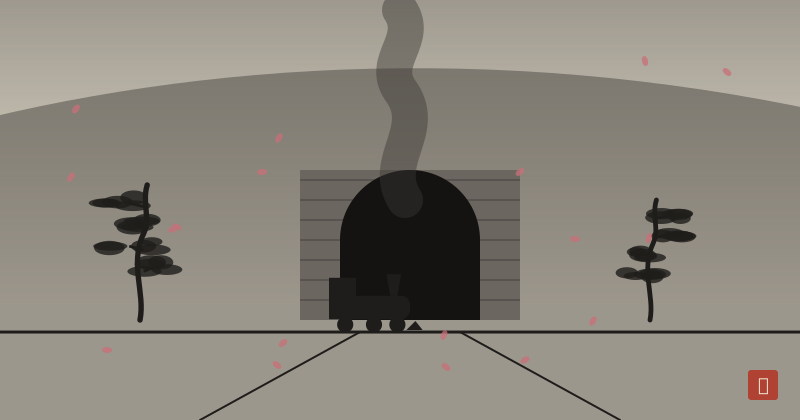 Chapter 8Five Sounds1873–1889 — Tokyo / Osaka / Osakayama1873–1889. An engineering college, the Mint's cherry-blossom Passage, the Osakayama Tunnel, the Constitution, the Rokumeikan: five sounds of a new nation.
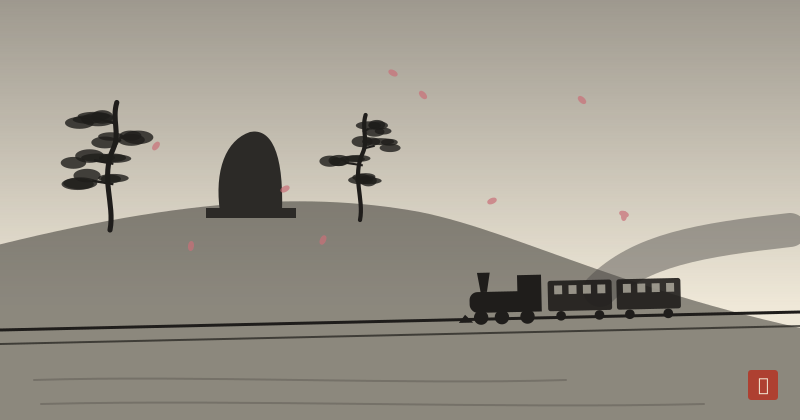 EpilogueThe WhistleSummer 1910 — LondonLondon, 1910. Inoue Masaru finds the other answer to a boy's question — how can a ship move without sails? The final chapter of the Choshu Five story.
The five, and their sounds
Born to poor farmers in Suo. A man who never lets go of a question. He picks up a lump of melted glass from the ashes at Gotenyama.
The hot-tempered elder. The man who set the fire is the one who volunteers to go abroad.
A man of few words who thinks with his hands. He carries one screw away from Gotenyama.
The quietest of the five, and the one who endures humiliation longest. He flicks a Mexican silver dollar.
The narrator. All his life he chases a boy's question: how can a ship move without sails?
About this story
This is a historical novel based on the record. Dialogue, thoughts and scenes in the gaps of the record include fiction. At the end of each chapter, "History and fiction in this chapter" separates what is documented from what is imagined. The history of the Choshu Five itself is also covered on Hagi Historia.