ASAHIKAWA, HOKKAIDO
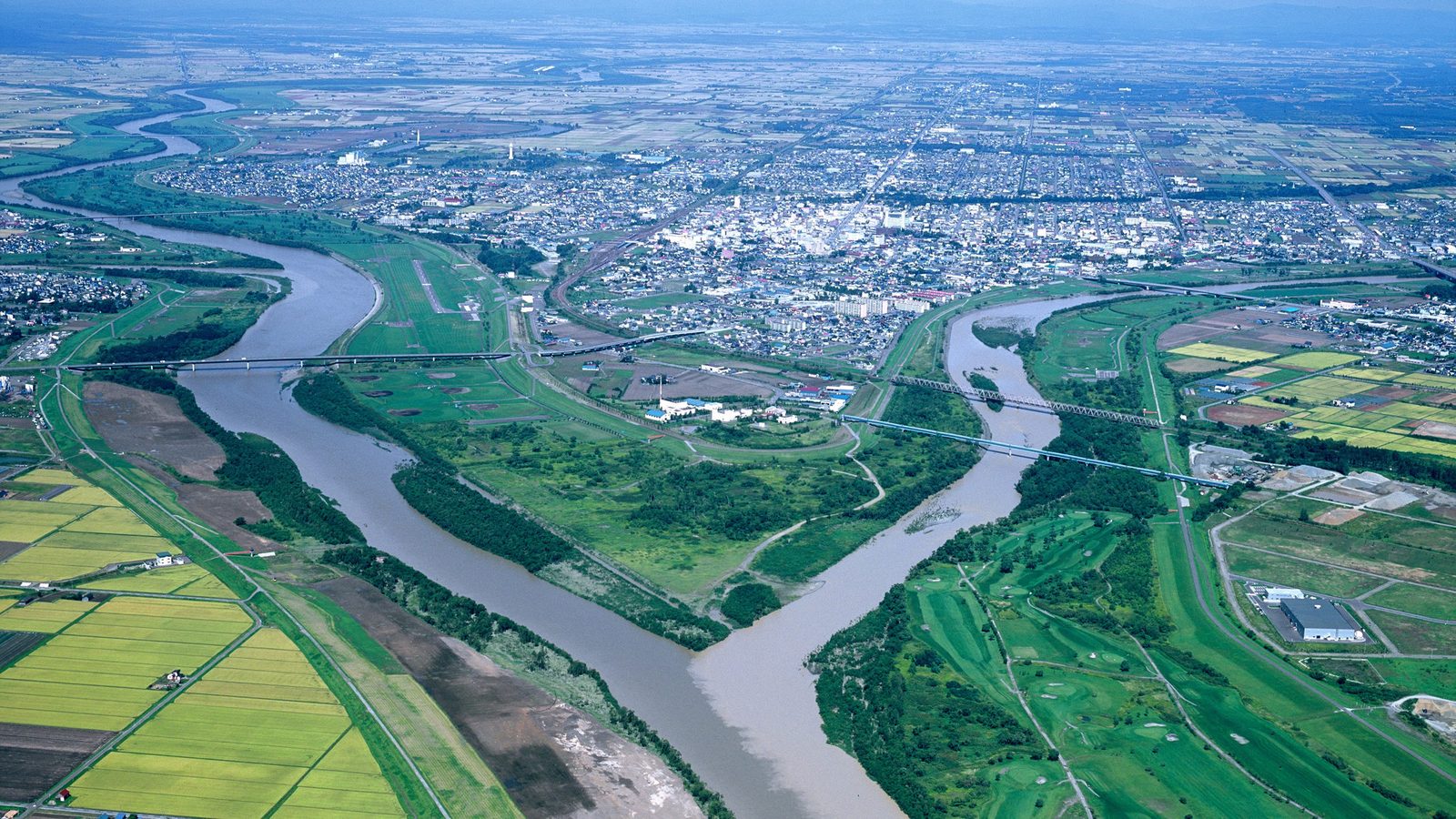
Where rivers meet,
a northern capital was dreamed.
Four rivers come together in the Kamikawa Basin. The Meiji government once planned to place a "northern capital" here; the army stationed a division; craftsmen carved wood; and the brutal winters even shaped the taste of the local ramen. This site traces the "whys" that guidebooks leave out but every Asahikawa local knows — marking clearly where history ends and legend begins.
FOUR KEYS
Four keys to understanding Asahikawa
Almost every thread of this city's history leads back to one of these four.
Where rivers gather
The Chubetsu, Biei and Ushishubetsu rivers all flow into the Ishikari here. The city is said to have some 160 rivers and more than 700 bridges — so its nickname, "the city of rivers," is meant quite literally.
The phantom capital
In the mid-Meiji era, there was a serious plan to establish a "Hokkei" (Northern Capital) in the Kamikawa Basin and build an imperial villa here. The capital never came — but the plan set the framework of the town.
Memories of a garrison town
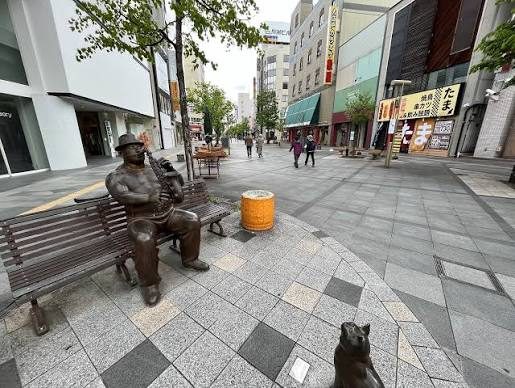
In 1901, the Seventh Division moved here from Sapporo. The road leading to its barracks became "Heiwa-dori" (Peace Street) after the war — and was reborn as Japan's first permanent pedestrian mall.
Minus 41°C
The −41.0°C recorded in 1902 remains Japan's official lowest temperature. The cold was a hardship, but also a driving force behind the city's food, festivals and craftsmanship.
WHY HERE?
Why this basin?
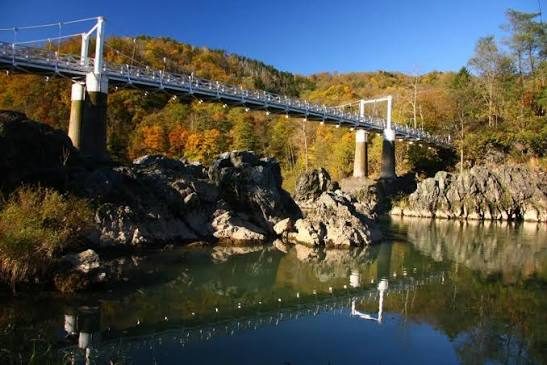
Asahikawa lies almost at the very center of Hokkaido, in the Kamikawa Basin that opens out to the west of the Daisetsuzan mountains. The Ishikari River flows out of Daisetsuzan, gathers one tributary after another in this basin, then squeezes through the narrow Kamuikotan gorge on its way down to the Ishikari Plain.
In other words, Asahikawa is the "knot" where the river routes are bundled into one. For the Ainu, it was a place where salmon swam upstream and people came and went. To the Meiji government, it looked like the perfect flatland for an inland stronghold and a base for settling the frontier. Unlike the port cities of Sapporo and Otaru, Asahikawa's character as an "inland hub" begins with this landscape.
BUTTERFLY EFFECT
Small events that shaped the city today
A single decision can ripple out in unexpected directions. Asahikawa has more than a few of these "butterfly effects."
13 ROOMS
Thirteen rooms into Asahikawa
Start wherever catches your eye. Read them in order, and they form one continuous story — of a basin becoming a town, and a town becoming the city it is today.
City of Rivers and Bridges
About 160 rivers, 700+ bridges, and a name born from a mishearing.
Read →The Capital That Never Was
Hokkaido's capital was once meant to stand in this basin.
Read →Tondenhei Settlers
Three waves of 400 households laid out the city.
Read →The Garrison Town
How the Division Road became Japan's first pedestrian mall.
Read →The Kamikawa Ainu
People who defended Chikabumi, and a girl who saved a language.
Read →Asahikawa Furniture
From "cheap and poor" to a world design city.
Read →Food and Sake Born of the Cold
A lid of lard, shinkoyaki chicken, and a famous sake name.
Read →Minus 41 Degrees
Japan's record low and the Hakkoda disaster came from one cold wave.
Read →A City of Writers
The day a shopkeeper won a ten-million-yen prize.
Read →The Asahiyama Zoo Comeback
From near closure to Japan's busiest zoo.
Read →Legends and Urban Legends
A demon's rock, a lost capital, and who held a snow festival first.
Read →Reading Asahikawa on Foot
From Asahi Bridge to Kamui-kotan, with what to look for.
Read →Further Reading
From Hyoten to the Ainu Shin'yoshu.
Read →START HERE
Three to read first
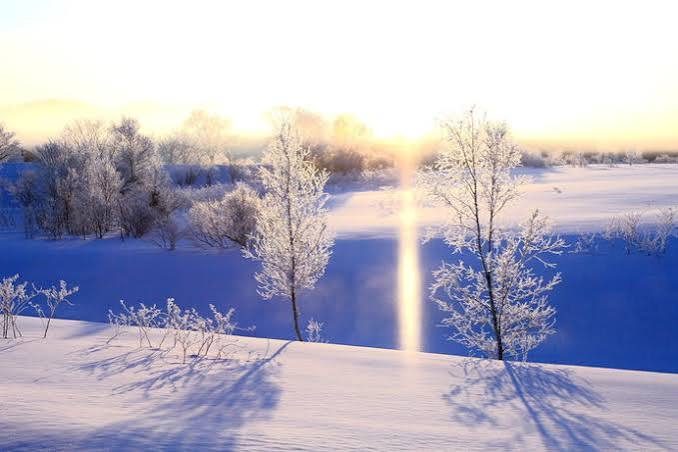
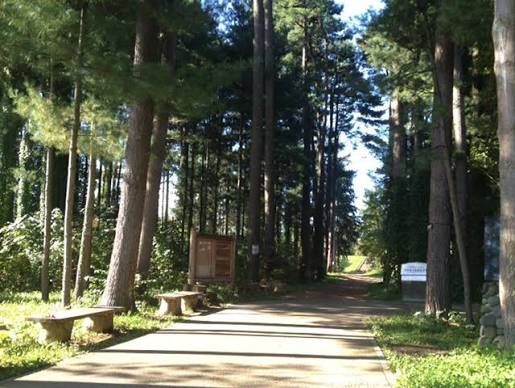
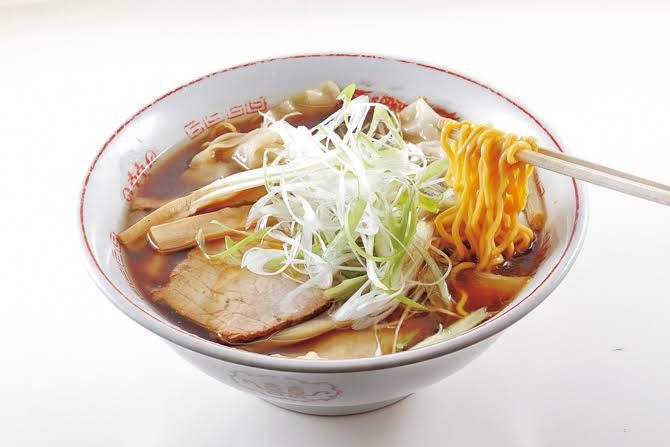
LOCAL COMMON SENSE
"Common sense" in Asahikawa
Things that surprise visitors a little, but that locals take for granted.
- Addresses go by "jo" and "chome"The city center is a grid. Say "4-jo 8-chome" and most locals can picture the spot immediately.
- The "Shopping Park" isn't a parkIt's the name of the pedestrian mall running north from the station. "Meet you at such-and-such chome on the Shopping Park" is all you need to say.
- "Hokuchin"A word meaning "guardian of the north." The Seventh Division was called the "Hokuchin Unit," and the name lives on in a memorial museum.
- "Shibareru" on winter morningsNot just cold, but a freezing, bone-locking cold. Mornings below −20°C are nothing unusual.
- Summers are surprisingly hotBeing in a basin, the city often tops 30°C in summer, giving it one of the widest annual temperature ranges in Japan.
- "The Nada of the North"Blessed with good water, rice and cold, Asahikawa has been a sake town since the Meiji era — a nod to Nada, Japan's most famous brewing district. Several breweries still make sake here today.
TIMELINE
Asahikawa through the years
Land of the Kamikawa Ainu
Along the upper Ishikari River stood the kotan (villages) of the Kamikawa Ainu, who caught salmon and lived by the rivers.
Iwamura Michitoshi, Nagayama Takeshiro and others survey Kamikawa
The idea of an inland "Northern Capital" begins to take concrete shape.
The site for the Kamikawa Imperial Villa is chosen
A vast site around Kaguraoka is set aside — but the villa is never built.
Asahikawa, Kamui and Nagayama villages are founded
"Asahikawa" becomes an official place name for the first time.
The tondenhei arrive
Four hundred households of tondenhei (soldier-settlers) and their families move into each of Nagayama, Higashi-Asahikawa and Tohma.
The railway reaches Asahikawa
A line extended from Sorachibuto (Takikawa) links the basin to the Ishikari Plain.
The Seventh Division comes to Asahikawa
The start of the "garrison town." The population soars as merchants and craftsmen pour in.
−41.0°C recorded
On January 25. It still stands as Japan's official lowest temperature.
City status / Chiri Yukie dies in Tokyo
Asahikawa Ward becomes Asahikawa City. The same year, 19-year-old Chiri Yukie, raised in Chikabumi, dies just after finishing the proofs of "Ainu Shin'yoshu" (Ainu Songs of the Gods).
Today's Asahi Bridge is completed
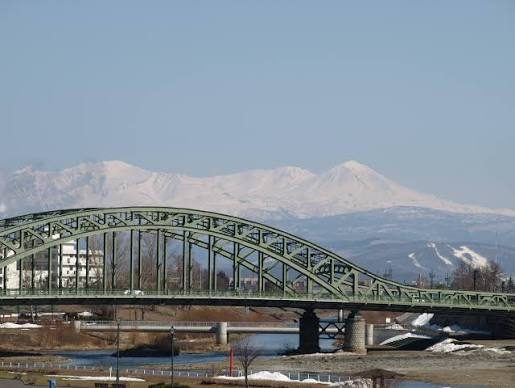
One of Hokkaido's signature steel arch bridges, later named a Hokkaido Heritage site.
Miura Ayako's "Freezing Point" wins a fiction prize
The novel, set in the Arboretum, becomes a bestseller the following year.
Asahiyama Zoo opens
It begins life as Japan's northernmost zoo.
Heiwa-dori Shopping Park is born
Japan's first permanent pedestrian mall.
Asahiyama Zoo beats Ueno in monthly visitors
Helped by the new Seal House, its August attendance is the highest in Japan.
Labels: Factdocumented Likelysupported by most sources Legendoral tradition Urban legendlocal lore and rumour