Home / Asahikawa Furniture
05 — CRAFT
Asahikawa Furniture and Craftsmanship
"Cheap, but not great quality." That's what people once said of Asahikawa furniture. Over half a century, it became a furniture town to which designers around the world send their work. And this town of craftsmen actually began on the construction sites of the garrison town.
Labels: Factdocumented Likelysupported by most sources Legendoral tradition Urban legendlocal lore and rumour
It began on the division and railway building sites
LikelyWoodworkers are said to have first gathered in Asahikawa because of the Seventh Division's relocation and the building of the railway at the end of the Meiji era. Barracks, official residences, station buildings, shops — to build a town in a hurry, carpenters and joiners were summoned from all over Japan. The surrounding mountains were full of fine hardwoods such as oak, ash and painted maple.
Even after construction wound down, many of the craftsmen stayed in Asahikawa. Making fittings, chests of drawers and everyday tools took root as a local trade.
A "woodworking town" born of crop failure
LikelyThe crop failures around 1914, at the start of the Taisho era, hit Kamikawa's farmers hard. How could they earn an income through the winter? The answer was the spread of apprenticeships and training courses in woodworking skills. Woodcraft techniques were passed down as a way of life that didn't depend on farming alone.
The "cheap and cheerful" era
After the war, Asahikawa grew as a center of mass-produced furniture. But its reputation back then was anything but high: "cheap, but low quality." In big-city furniture stores, the name Asahikawa was hardly ever mentioned as a brand.
A turning point: competing on design
Carry on like this and they'd be swallowed up by price wars. Sensing a crisis, Asahikawa's furniture industry changed course toward "furniture chosen for its design and quality." Craftsmen toured furniture-making regions overseas, teamed up with designers and set about making furniture that brought out the best of solid wood. In 1990, the International Furniture Design Competition Asahikawa (IFDA) was launched, and every three years it began drawing entries from all over the world.
Today, much of Asahikawa's furniture is shipped to Tokyo and other major metropolitan areas — around 80 percent, by some accounts. Every early summer, "Asahikawa Design Week" brings the town to life as people tour workshops and showrooms.
Look for this: how workshops "show off the wood"
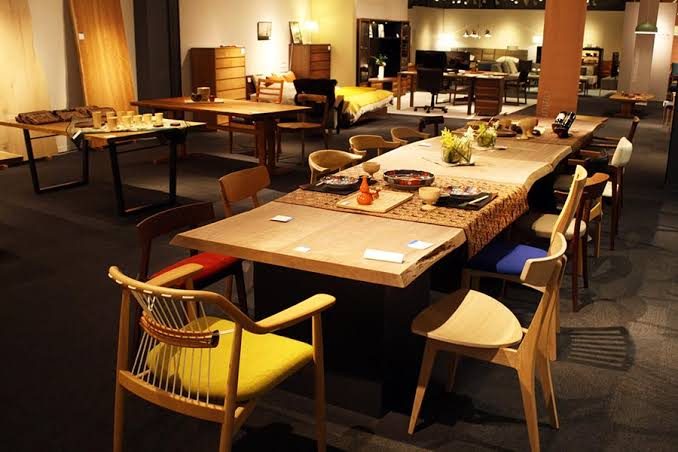
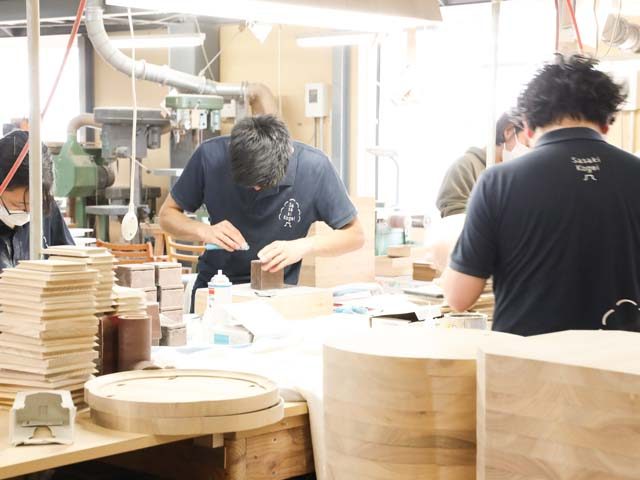
In Asahikawa furniture workshops and showrooms, pay attention to how the grain is brought out, how legs are joined to seats, and how the surfaces are finished to the touch. You might even be told, "It's the same oak, but look how much its character changes depending on how it's cut."
"Asahikawa furniture is made only from Asahikawa wood"
There's a strong commitment to local timber, but in reality a wide range of domestic and imported woods are used. The skill of bringing out the best in the wood is what truly makes it "Asahikawa."
Hokkaido hardwoods and Asahikawa
Hokkaido hardwoods such as oak and ash were prized as export timber from the Meiji through the Taisho eras. Asahikawa was one of the hubs where they were collected and shipped.
Main sources: Asahikawa Furniture Industry Cooperative / International Furniture Design Competition Asahikawa (IFDA) / Asahikawa Design Week / City of Asahikawa, "History of Asahikawa City"