Home / Reading Asahikawa on Foot
11 — WALK & READ
Asahikawa on Foot
Why not walk the places where the stories you've read actually happened? Even well-known sights look completely different once you know what to look for. Here are Asahikawa's highlights, for exploring with a curious eye for history and landscape.
Labels: Factdocumented Likelysupported by most sources Legendoral tradition Urban legendlocal lore and rumour
Opening hours, closing days and admission fees may change. Please check each facility's official information before you go.
Walking the city center
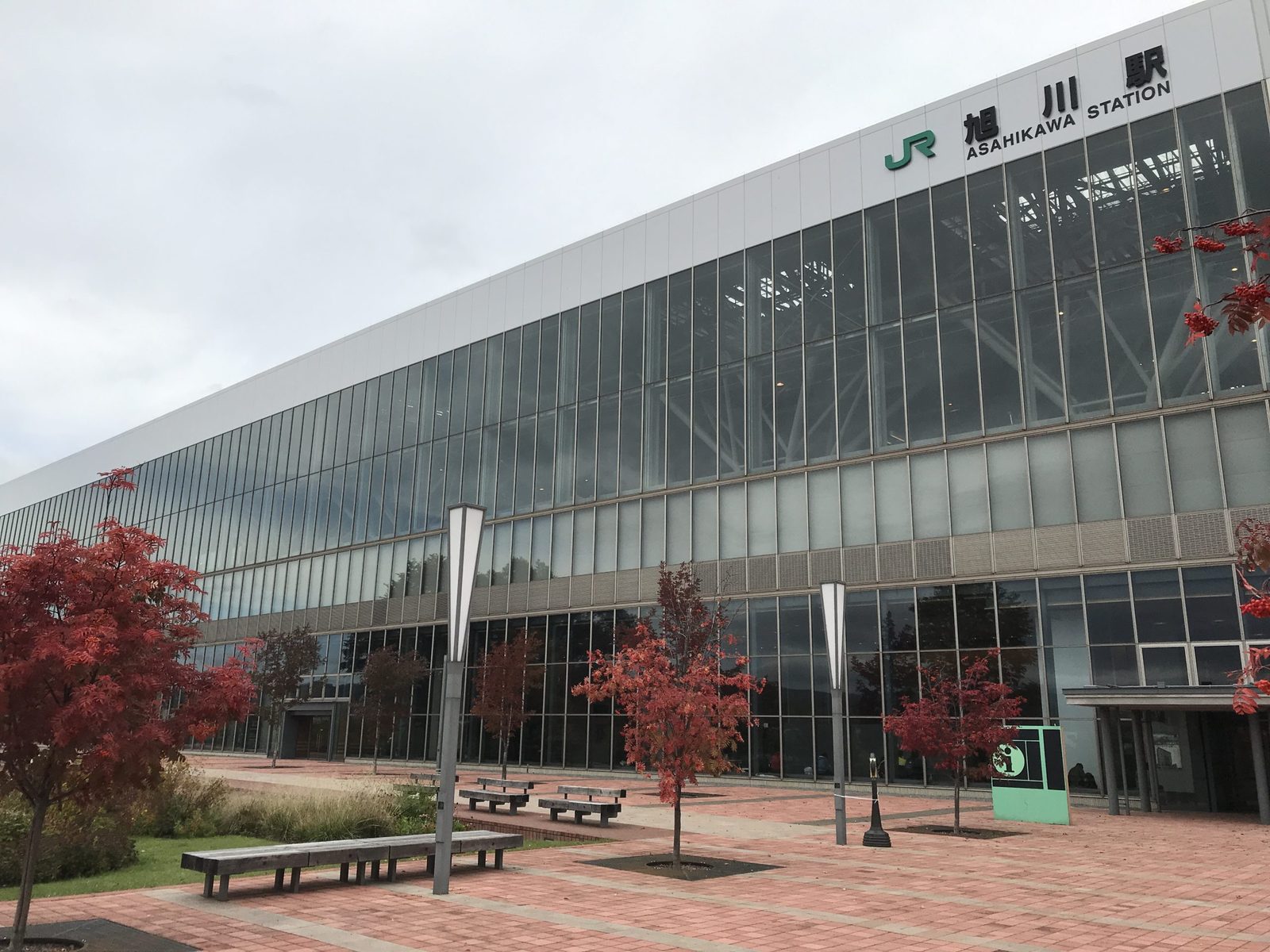
Asahikawa Station and the Chubetsu River
A station building that makes lavish use of wood. Step out of the south exit and the Chubetsu riverbank is right in front of you — the perfect gateway to the "city of rivers."
Look for this: The timber used in the station's interior. Asahikawa's woodworking culture starts right here.
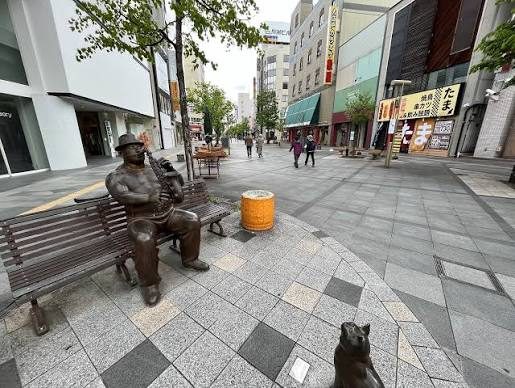
Heiwa-dori Shopping Park
Japan's first permanent pedestrian mall — the former Division Street.
Look for this: The width of the street and its line of sculptures. You can test out, on foot, the idea of turning a roadway into a park (The Garrison Town and Division Street).
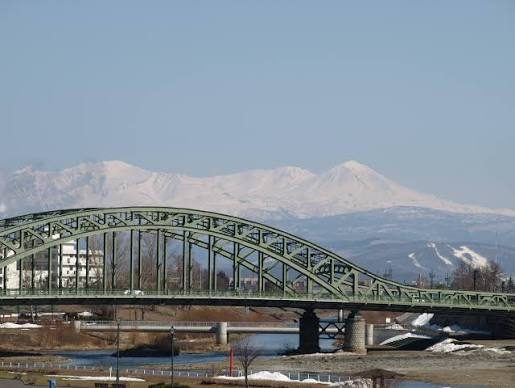
Asahi Bridge
A steel arch bridge completed in 1932 and a Hokkaido Heritage site.
Look for this: The curve of the arch seen from the riverbank below, and Daisetsuzan rising behind it on clear days. Chidorigaike Pond in Tokiwa Park, at the foot of the bridge, is said to be a remnant of the Ushishubetsu River before it was rerouted (City of Rivers and Bridges).
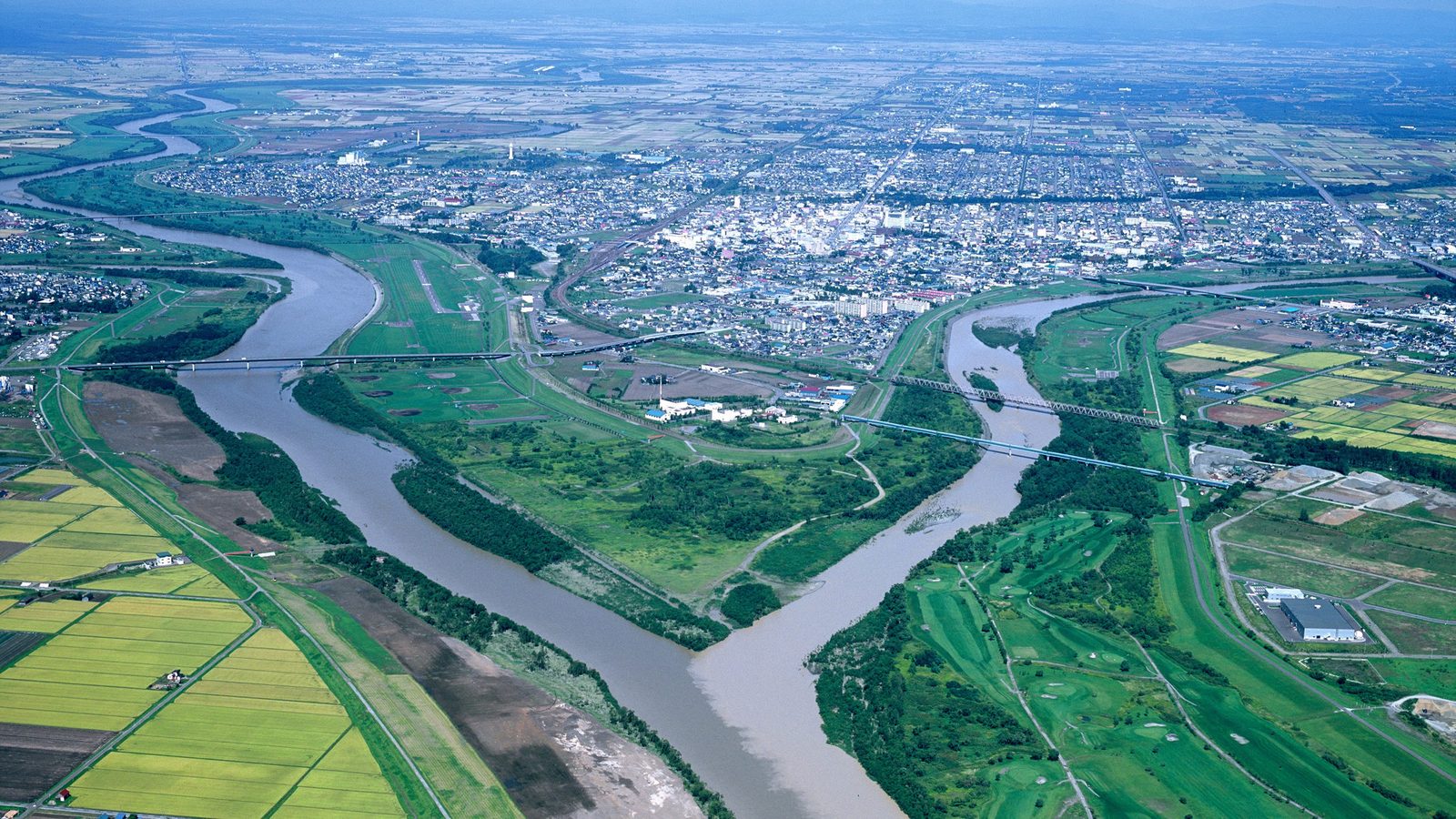
Confluence of the Ishikari and Chubetsu rivers
Just west of the city center, the Chubetsu River flows into the Ishikari.
Look for this: The difference in the color of the water. You can sometimes see the two rivers flowing side by side for a while without mixing.
Traces of the garrison town and the pioneers
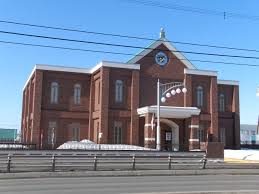
Hokuchin Memorial Museum
A museum covering the history from the tondenhei (soldier-settlers) to the Seventh Division and the Japan Ground Self-Defense Force.
Look for this: The re-creation of tondenhei life, and the map of the division town.
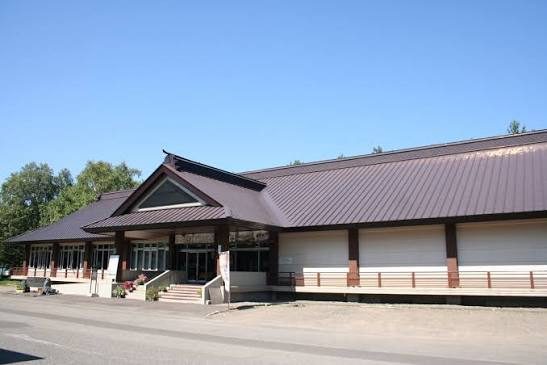
Asahikawa Heison Memorial Museum
A museum on the tondenhei, in the grounds of Asahikawa Shrine.
Look for this: The size of the land-clearing tools, which shows how heavy the labor of turning virgin forest into fields was (The Tondenhei and Nagayama Takeshiro).
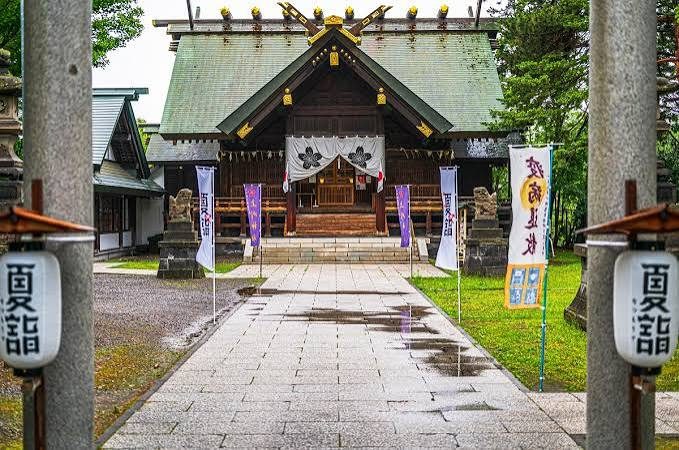
Kamikawa Shrine
A shrine resting on Kaguraoka, one corner of the former imperial villa site.
Look for this: The depth of the forest — while imagining that a palace was supposed to stand here (The Phantom "Northern Capital").
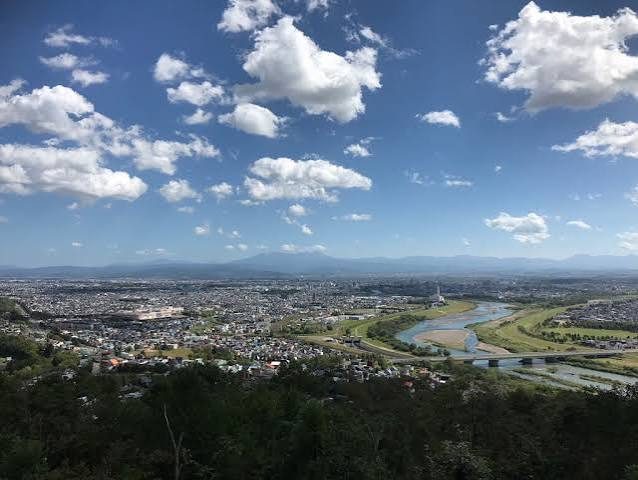
Arashiyama Observation Deck
The hill from which the Meiji survey party is said to have looked out over the basin.
Look for this: The shape of a basin ringed by mountains on all sides — which also reveals why the cold air collects here.
Ainu culture and legends
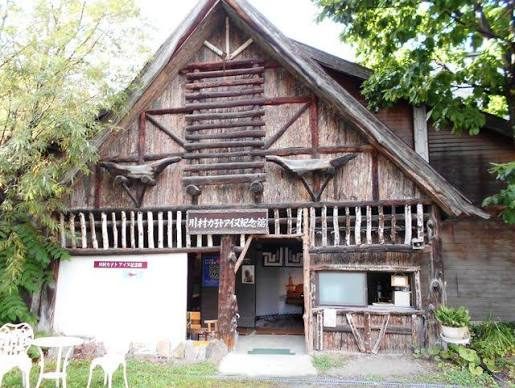
Kawamura Kaneto Ainu Memorial Museum
A museum with a long history, conveying the life and culture of the Kamikawa Ainu.
Look for this: The patterns on the clothing. Ask about the meanings behind motifs such as the morew (spiral) (The Kamikawa Ainu and the Land of the Kamuy).
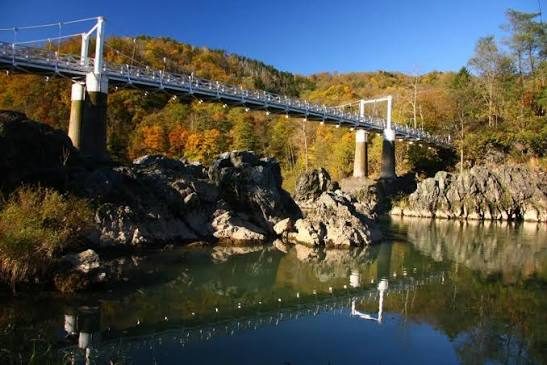
Kamuikotan
A gorge on the Ishikari River. Cross the suspension bridge to find the old station building and a landscape of strange rocks.
Look for this: The "potholes" said to be the demon's footprints (Legends and Urban Legends). Watch your footing carefully when the river is high and in winter.
Literature, craftsmanship and the zoo
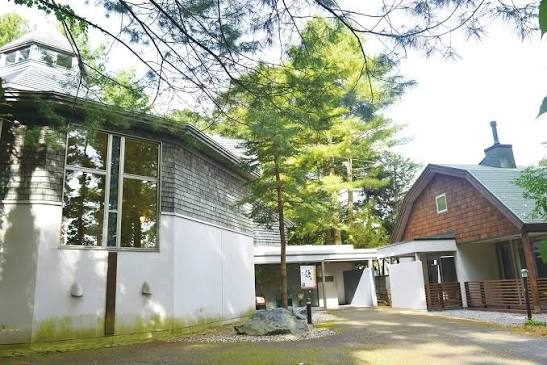
Foreign Tree Species Arboretum and Miura Ayako Memorial Literature Museum
The woods that served as the setting of "Freezing Point," and a literature museum born of citizens' efforts.
Look for this: The Biei River embankment beyond the woods (A Town Where Literature Is Born).
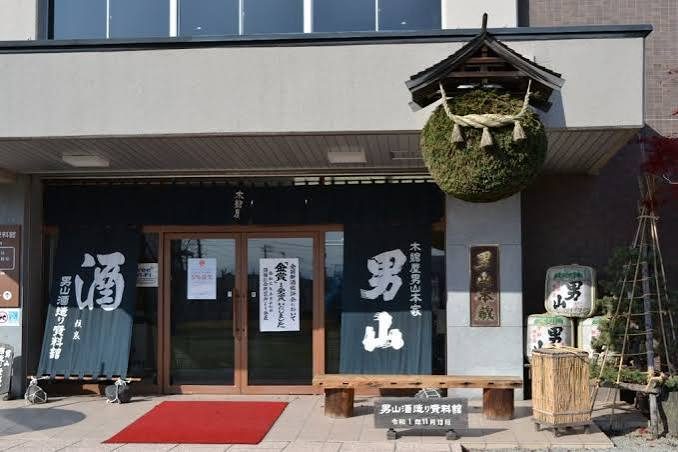
Otokoyama Sake Brewing Museum
The museum of the brewery that best represents "the Nada of the North."
Look for this: The sugidama (cedar ball) hanging from the eaves, and Daisetsuzan's underground spring water (Food and Sake Born of the Cold).
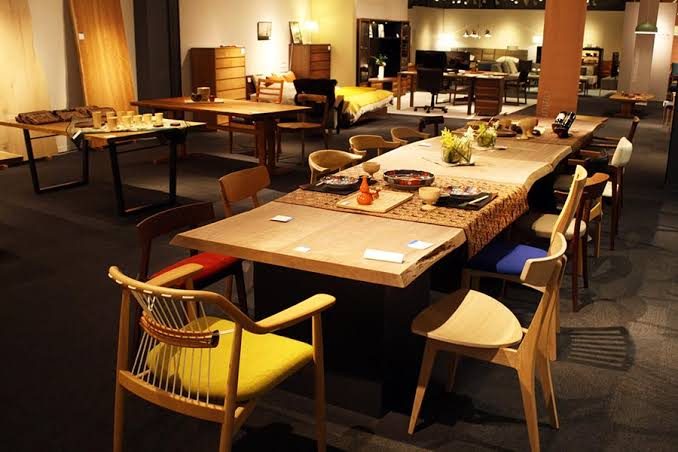
Furniture showrooms and workshops
Asahikawa furniture workshops and showrooms are scattered across the city and neighboring towns.
Look for this: How the same wood takes on a different character depending on how it's cut (Asahikawa Furniture and Craftsmanship).
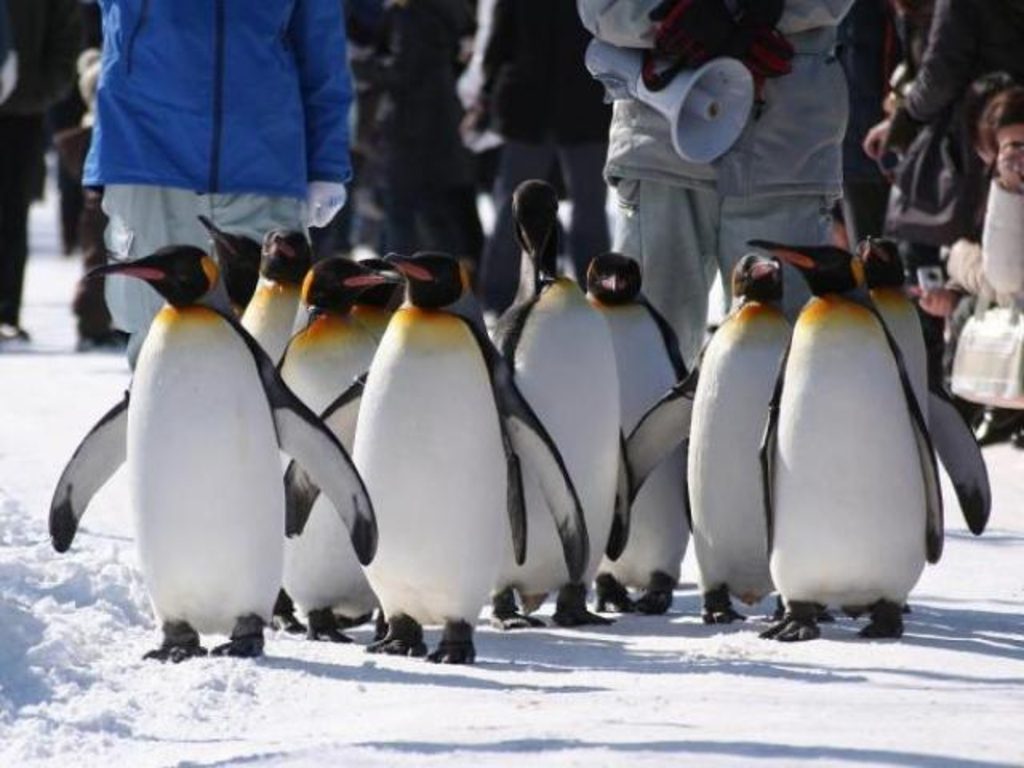
Asahiyama Zoo
Japan's northernmost zoo, famous for its behavioral exhibits.
Look for this: The keepers' handwritten information boards (Asahiyama Zoo's Comeback).
How to plan a route
With half a day, try Asahikawa Station → Shopping Park → Tokiwa Park → Asahi Bridge for "rivers and the garrison town." With another half day, add the Arboretum → Kamikawa Shrine for "literature and the phantom capital." If you have a car, extend your trip to Kamuikotan and Asahiyama Zoo, and Asahikawa's stories will all connect.