Home / Food and Sake Born of the Cold
06 — FOOD & SAKE
Food and Sake Born of the Cold
A film of lard covering the soup, "shinkoyaki" — half a young chicken grilled whole — and a sake brewery that inherited a famous name from Itami. The flavors of Asahikawa are steeped in its harsh cold and the ingenuity of postwar life.
Labels: Factdocumented Likelysupported by most sources Legendoral tradition Urban legendlocal lore and rumour
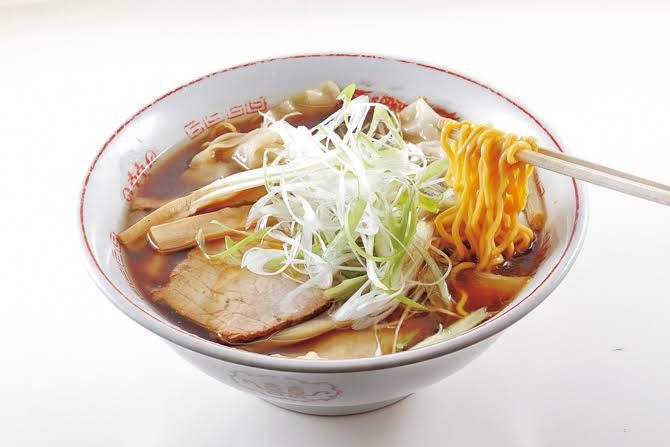
Asahikawa ramen — the lard was a "lid"
FactThe history of Asahikawa ramen began soon after the war. In 1947, two famous shops that are still going today — Hachiya and Aoba — both opened their doors.
One feature often cited as typical of Asahikawa ramen is the film of lard floating on the surface of the soup. LikelyThis is said to be not just for flavor but a trick to stop the soup cooling down. In winters that drop below −20°C, even a steaming bowl goes cold in no time. Seal it with a layer of fat, and you can eat it piping hot to the very end.
- "Double soup": a broth combining a meat stock of pork bones and chicken carcasses with a seafood stock of dried sardines, kelp and the like.
- Curly, low-moisture noodles: noodles with little water content are said to soak up the soup well and resist going soggy.
- Soy sauce is the mainstream: the common shorthand is Sapporo for miso, Hakodate for salt, and Asahikawa for soy sauce.
In 1996, Asahikawa Ramen Village, bringing together popular shops from around the city, opened. Asahikawa ramen became a nationally known regional ramen style.
Shinkoyaki — a postwar "feast"
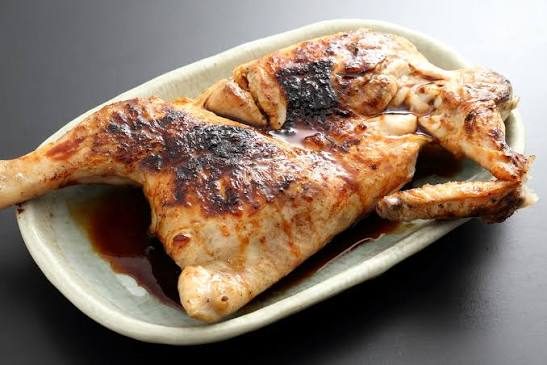
LikelyShinkoyaki is an Asahikawa specialty: half a young chicken, bone in, boldly grilled with salt or a sweet-savory sauce. "Shinko" originally referred to the young of the gizzard shad fish, and from its sense of "young one," the word is said to have come to mean a young chicken. After the war, whole grilled young chickens — which were relatively easy to get hold of — took root as a staple of yakitori (grilled chicken) restaurants.
FactWell-known places include the long-established Ginneko, founded in 1950. In June 2012, local enthusiasts formed the "Shinkoyaki Association," which continues to promote the dish as Asahikawa's soul food.
Sake from "the Nada of the North"
Snowmelt from Daisetsuzan, rice from the Kamikawa Basin, and a fierce cold ideal for brewing. Asahikawa has been known as a sake town since the Meiji era, earning the nickname "the Nada of the North" — after Nada, Japan's most celebrated brewing district.
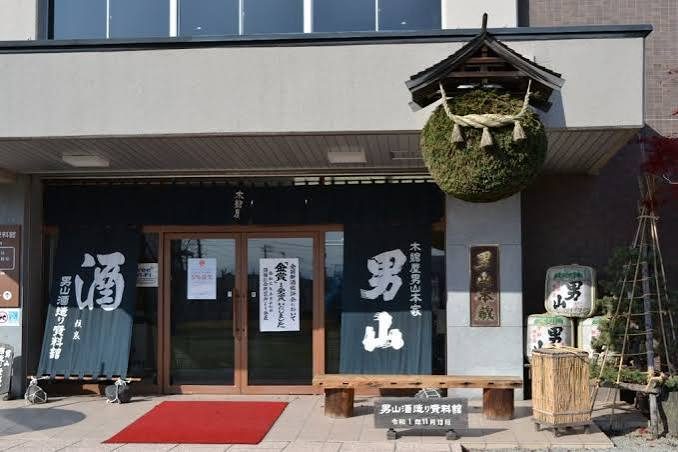
FactThe leading name, Otokoyama, traces its roots to Yamazaki Brewery, founded in 1899. In 1968, it inherited the name "Otokoyama" — a sake that had been famous in Itami during the Edo period — from Momenya Yamamoto Honke, and changed its company name. Since 1977, it has won numerous gold medals at international spirits competitions. Other distinctive breweries line the city too, such as Takasago Brewery, makers of "Kokushi Muso."
Look for this: the breweries' "brewing water"
At brewery museums and shops, you can sometimes taste the water used for brewing. Take a sip of Daisetsuzan's underground spring water, and the nickname "the Nada of the North" suddenly makes perfect sense.
"Everyone in Asahikawa has strong opinions on ramen"
It does seem true that talk of whose shop is best never runs dry. But how often locals actually eat ramen varies from person to person.
1947: two legendary shops
Hachiya and Aoba were both founded in 1947. Flavors that began at postwar street stalls are still carried on today.
Main sources: Asahikawa Ramen Village / Otokoyama Co., Ltd., "History of Otokoyama" / Takasago Brewery / Asahikawa Tourism and Convention Association, "Asahikawa Gourmet"