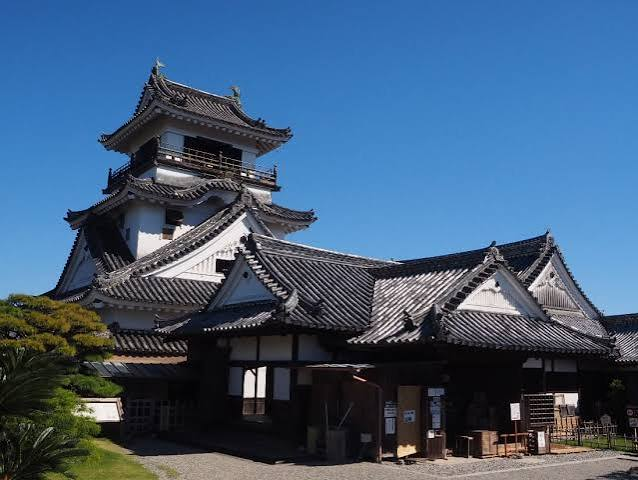
Kochi Castle
Kochi Castle
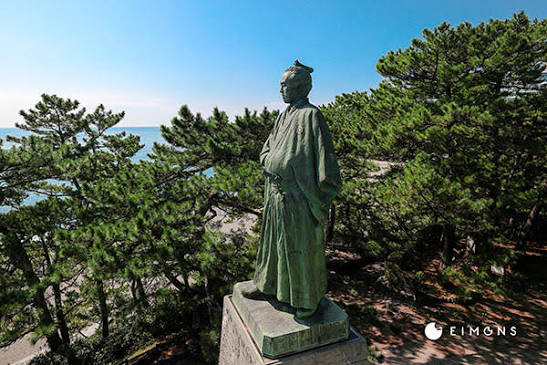
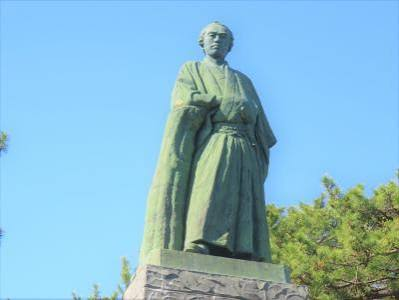
The statue of Sakamoto Ryoma at Katsurahama, framed by pines and the Pacific

Kochi Prefecture — A History Portal

The Tosa temperament that produced men
who shed their feudal skin.

Mocked as “the domain farthest from Edo,” Tosa nonetheless produced, in close succession, the man whose ideas drove the Meiji Restoration, the epicenter of the Freedom and People's Rights Movement, and the founder of one of Japan's largest business empires. Behind it all: a rigid caste system that kept the losers and winners of Sekigahara living side by side, a Pacific-facing coastline that turned people's eyes outward, and a pilgrimage culture built on welcoming strangers along 24 of Shikoku's 88 sacred temples. This is the “why” of Tosa that never makes it into a tourist brochure.
Read: Late-Edo PatriotsRead: the caste-system riddle

Four keys to Tosa

Why this domain, of all places?

Satsuma and Choshu were not the only domains to produce leaders of the Meiji Restoration — yet Tosa's history reads differently, and for good reason. First: an unusually rigid, centuries-long caste split between “goshi” (rural samurai descended from the defeated Chosokabe retainers) and “joshi” (the upper samurai who arrived with the victorious Yamauchi clan). Second: the restless energy of people like Ryoma, born a goshi, or Itagaki Taisuke, born into a lower samurai family, who pushed change precisely because they stood outside the existing order. Third: an outward-facing instinct nurtured by the open Pacific — the same instinct that produced John Manjiro and Iwasaki Yataro. And fourth: a land generous enough to have hosted, for over a thousand years, pilgrims walking 24 of Shikoku's 88 sacred temples. This site is organized around these four threads.

Explore the site

Twelve Rooms

Each page stands alone — start wherever interests you.

Origins

Sekigahara & Tosa

The defeated Chosokabe clan, the victorious Yamauchi. Two centuries of caste conflict begin.

Read →
People

Late-Edo Patriots of Tosa

Ryoma, Nakaoka Shintaro, Lord Yamauchi Yodo — a low-ranking retainer and his own lord, moving history together.

Read →
Flight

Ryoma's Flight from the Domain

A 27-year-old who staked his life to leave. What was he looking for beyond the border?

Read →
Industry

The Industrialists

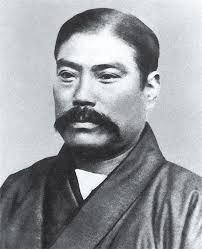
The son of a landless ronin, Iwasaki Yataro, built Mitsubishi from nothing.

Read →
Figures

Notable People of Kochi

John Manjiro, Nakae Chomin, Makino Tomitaro — a lineage of restless minds.

Read →
Castle Town

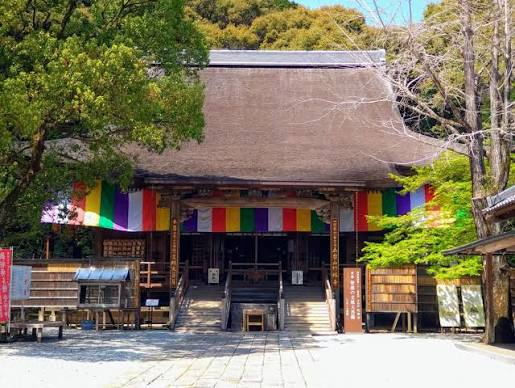
Kochi Castle & the Old Town

One of Japan's 12 original castle keeps — the only one where the whole residence survives too.

Read →
Pilgrimage

The 88 Temples

Known as the “place of ascetic practice.” Why 24 of the 88 temples are in this one prefecture.

Read →
Rights

Freedom & People's Rights

“Freedom springs from the mountains of Tosa.” The seeds Itagaki Taisuke planted.

Read →
Food

Nature & Food

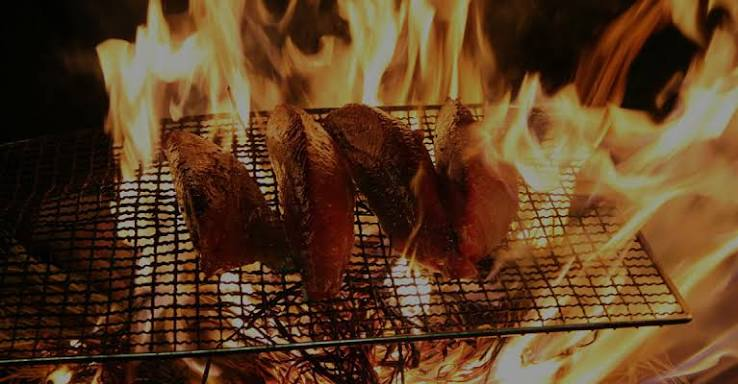
Seared bonito, feast-sized sara-bachi platters, yuzu — the richness the Kuroshio Current brings.

Read →
Sights

Places to See

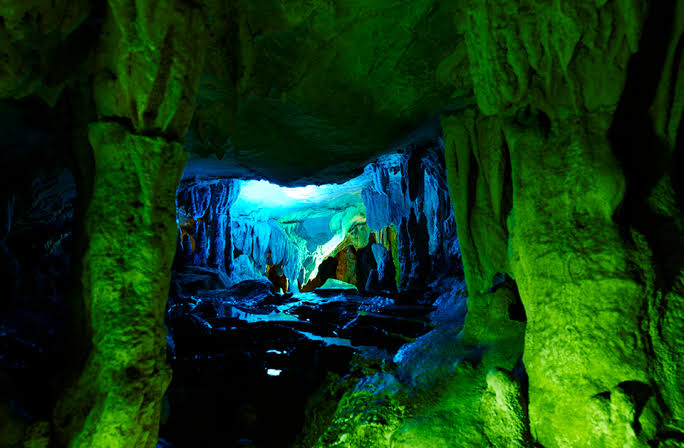
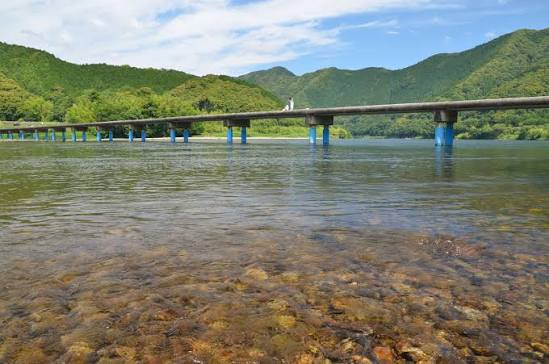
From Katsurahama to the Shimanto River and Ryuga Cave — a collection of Tosa's landmarks.

Read →
Words

Ryoma's Words

“Let us wash Japan clean, once and for all.” The real Ryoma, as his letters show him.

Read →
Reading

Further Reading

Ten books, from Shiba Ryotaro's novel to recent scholarly biographies, to go deeper into Tosa.

Read →

In pictures

A few views of Tosa

Some things are easier shown than told. Each card links to the page it belongs to.

Overview

Tosa, at a glance

The full stories live on their own pages — here's just the arc.

1600

The Battle of Sekigahara; the Chosokabe are dispossessed

Chosokabe Morichika, who sided with the losing western army, forfeits the whole of Tosa. The following year, Yamauchi Katsutoyo arrives as its new lord.

1603

The line between upper and rural samurai is drawn

Former Chosokabe retainers are reclassified as low-ranking "goshi," creating a gap with Yamauchi's own "joshi" retainers that lasts until the Meiji era.

1835

Sakamoto Ryoma is born into a goshi family

His family, wealthy merchants by trade, held low rank but real means — a common pattern among Tosa's goshi households.

1862

Flight, and the Kameyama Company

The 27-year-old Ryoma leaves Tosa without permission, studies under Katsu Kaishu, and founds what's often called Japan's first trading company, the Kameyama Company, in Nagasaki.

1867

The road to the Restoration, and the Omiya Incident

Shortly after the shogunate's power is formally returned to the Emperor, Ryoma is assassinated alongside Nakaoka Shintaro at the Omiya inn in Kyoto.

1874–

Itagaki Taisuke launches the Freedom and People's Rights Movement

His petition for a national assembly, and the words "though Itagaki dies, liberty never will," make Tosa a stronghold of the movement.

Advertisement