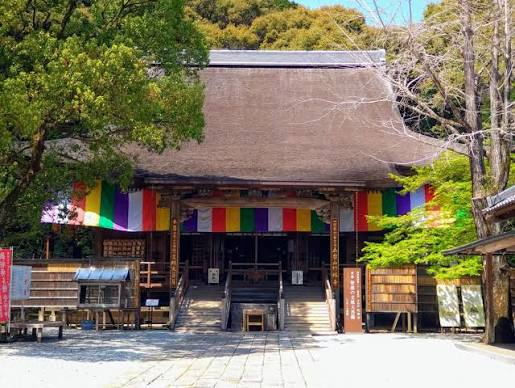
Why Kochi's stretch is called "hard"
Kochi's 24 temples are spread across roughly a third of the entire 1,400-km route, with long, sparsely populated
stretches between some of them — the walk from Temple 37 to Temple 38, out to Cape Ashizuri and back, is one of
the longest single legs on the whole pilgrimage. The physical difficulty is part of why this stage is
traditionally associated with ascetic practice rather than the earlier stage's "awakening of faith."
Osettai: a custom, not a rule
Local residents along the route have long offered pilgrims small gifts — food, drink, a place to rest — known as
"osettai." Custom holds that declining is considered impolite, since accepting completes an act of merit on the
giver's behalf, not the receiver's. Even non-religious hikers today are often startled by how alive this custom
still is.
Not every walker finishes the full loop. Many pilgrims complete the route over several
trips, years apart, or focus only on one prefecture's temples at a time — there is no single "correct" way to walk
it, and Kochi's temples are visited on their own by people who never intend to complete all 88.