Home / Hidden Spots
10 — Know the story, see a new view
The Clock Tower, the TV Tower, Odori Park—Sapporo’s classic sights are enjoyable on their own. But go a little further and you’ll find many places that tell how this city came to be. Here are the spots local history lovers insist you shouldn’t miss, each with a tip that takes you “one step beyond.”
Walkable from downtown
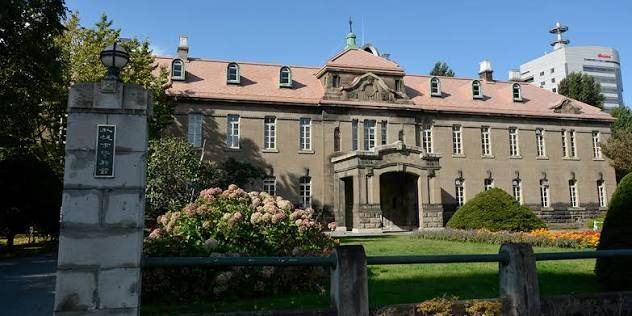
A downtown forest a short walk from Sapporo Station, on the site of a former mem spring. A museum building from 1882 is still in use inside.
Insider’s eye: its first director was Miyabe Kingo of the college’s second class. A glimpse of the original forest survives downtown because people like him protected it.
The former drill hall of Sapporo Agricultural College, with a weight-driven clock keeping time since 1881.
Insider’s eye: the building was moved about 100 m south in 1906. Look for the red star on the front and listen for the bell on the hour.

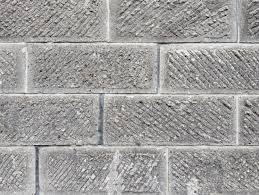
Completed in 1926. An Important Cultural Property with a beautiful façade of Sapporo soft stone.
Insider’s eye: the blindfolded Themis above the entrance is said to be unique to Sapporo among Japan’s courts of appeals—and is said to be the work of a 19-year-old craftsman.
The private home of Nagayama Takeshiro, second governor of Hokkaido: a Meiji blend of Japanese and Western living.
Insider’s eye: Nagayama was called the “father of the tondenhei.” Japanese and Western rooms under one roof reveal how the frontier elite lived.
A rest house built in 1880 in the Commission’s Kairakuen garden. Emperor Meiji rested here the following year.
Insider’s eye: the site was chosen for its spring-fed (mem) garden. Visit with the fan-edge line in mind.
Hoheikan is the Commission’s Western-style hotel, completed in 1880. In the same park stands Hassoan, a tea house attributed to the early-Edo tea master Kobori Enshu.
Insider’s eye: Hassoan was moved to Sapporo from Shiga Prefecture in the Taisho era. A Meiji mansion and an Edo tea house now face each other in the same park.
A little farther out
“An entire park as one sculpture,” master-planned by the world-renowned sculptor Isamu Noguchi.
Insider’s eye: the site was originally a landfill. Noguchi died in 1988, the year he designed it; the park was completed 17 years later, in 2005. From the roughly 60 m Mt. Moere you can survey the alluvial fan and the Ishikari Plain.

A park built into a former Sapporo soft-stone quarry, where cut rock faces and sculpture merge into a unique space.
Insider’s eye: the rock wall in front of you is the Shikotsu pyroclastic flow of some 40,000 years ago. Old soft-stone warehouses dot the surrounding area.
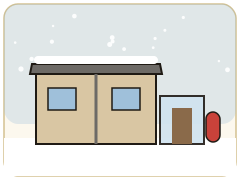
A national historic site preserving the home of the first soldier-farmers, who settled here in 1875.
Insider’s eye: imagine rows of identical houses in the settlement—and notice the shape of the surrounding streets.
Hokkaido’s principal shrine, dedicated to the three deities of development. Kaitaku Shrine in its grounds honors pioneers including Shima Yoshitake.
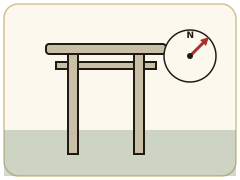
Insider’s eye: check why the main hall faces northeast in Urban Legends before you visit—and don’t miss the grilled rice cake “Hangan-sama” at the tea house.

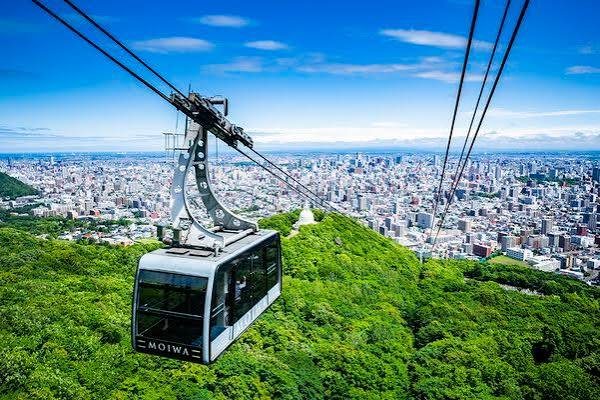
Famous for its night view, the whole mountain is also a national natural monument, the “Moiwa Primeval Forest.”
Insider’s eye: from the observatory, the grid centered on Odori and the spread of the alluvial fan are easy to see. For the mountain’s original name, see Place Names.
An open-air museum of relocated and reconstructed buildings from the Meiji to early Showa eras.
Insider’s eye: the old Sapporo Station building, soft-stone and wooden shops, farmhouses and more. Horse-drawn sleighs sometimes run in winter. Experience pioneer-era Sapporo on foot.
Suggested route
A downtown-only route covering the alluvial fan, the pioneer era and the college.
Traces of the fan-edge springs and a Meiji museum building.
Sakushukotoni River, the Clark bust, Furukawa Hall, the Poplar Avenue.
Head back south for the original bowl at Daimaru Fujii Central.
Find the red star, hear the bell, then walk to the river where every address begins.
Follow the firebreak to Nishi 13-chome, ending with the blindfolded goddess and the soft-stone walls.
Opening hours, closing days and admission fees may change. Please check each facility’s official website before you go.
Read next
A dry great river, or a river of reeds? Swapped mountain names and towns named after Miyagi and Hiroshima.