Home / Walking Okinawa
11 — WALK & READ
Walk and Read Okinawa
Why not walk the places where the stories you have read took place? The stone-paved lanes of Shuri, the sites of remembrance in the south, the gusuku on their hilltops, and the southern islands. Even famous sights look completely different once you bring along a single point of view — "look here."
Labels: Factdocumented Likelysupported by most sources Legendoral tradition Urban legendlocal lore and rumour
Opening hours, closing days, admission fees, and ferry and flight schedules may change. Please check each facility's official information before you go. At sacred sites such as utaki, follow the rules on entry and pay your respects quietly.
Shuri and Naha
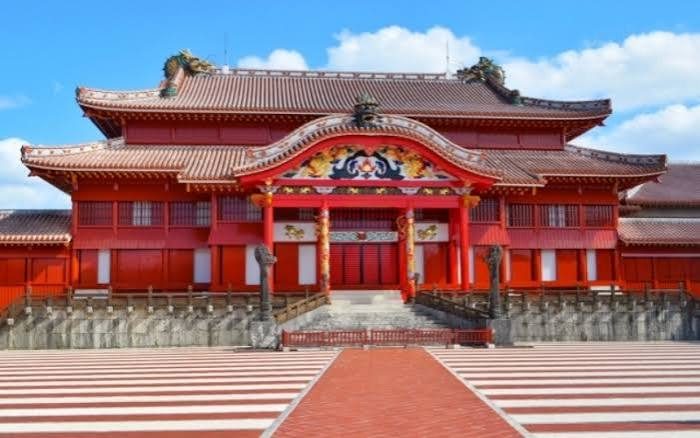
Shuri Castle Park
The royal castle of the Ryukyu Kingdom. The Seiden, which burned in 2019, is scheduled to open to the public from 23 November 2026.
Look here: the castle walls that preserve kingdom-era masonry, and the plaque on the Shureimon Gate (the Shuri Castle room).
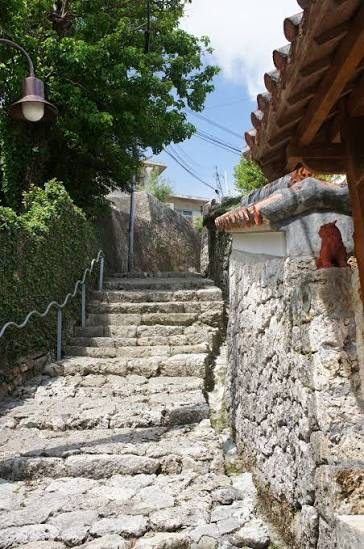
Shuri Kinjo-cho Stone-paved Road
A sloping road laid out in the kingdom era. Stone paving that escaped the Battle of Okinawa survives here.
Look here: the grove of great akagi trees along the way, said to be more than 200 years old.
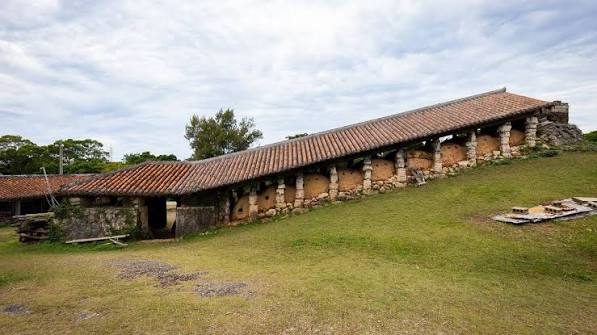
Tsuboya Yachimun Street
A pottery (yachimun) town that began in 1682, when the royal government gathered kilns from across the islands here.
Look here: the Fenu-gama climbing kiln, a national Important Cultural Property.
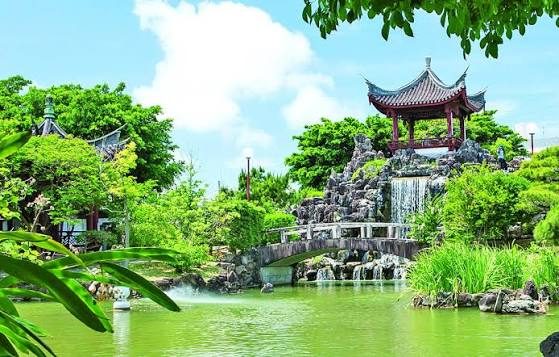
Fukushu-en
A Chinese-style garden built to commemorate the friendship between Naha and Fuzhou.
Look here: this area was once Kume Village, a town of people from China (the Trade room).
The south — places of prayer and remembrance
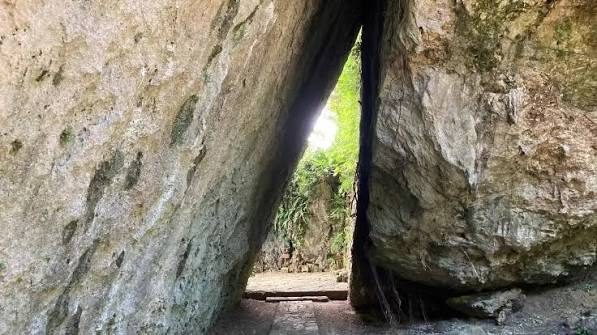
Sefa Utaki
One of the highest-ranking sacred sites of the Ryukyu Kingdom, and a World Heritage site.
Look here: the gap in the rocks at Sangui, and Kudaka Island visible beyond it (the Prayer room).
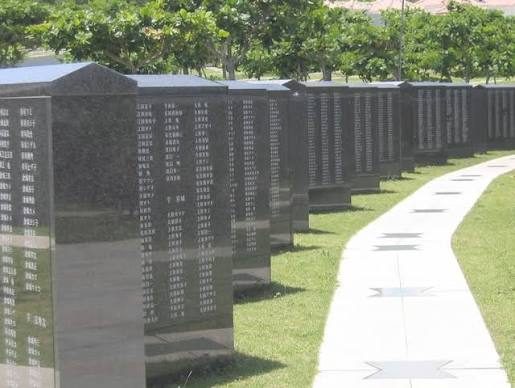
Peace Memorial Park
Where the Battle of Okinawa came to an end. Home to the Cornerstone of Peace and the Okinawa Prefectural Peace Memorial Museum.
Look here: more than 240,000 names, inscribed regardless of nationality (the Battle of Okinawa room).
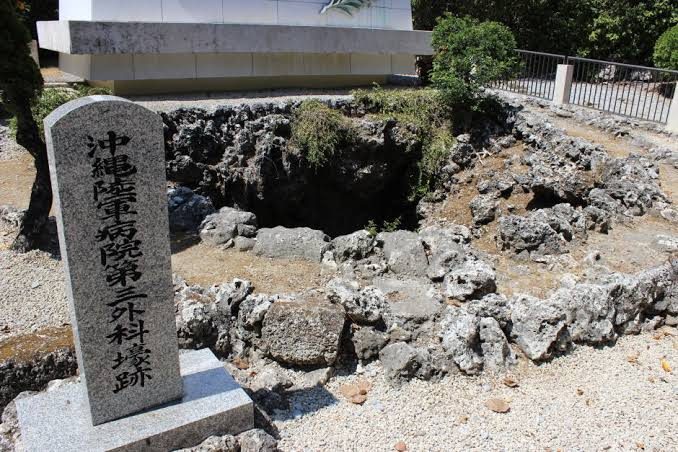
Himeyuri Monument and Himeyuri Peace Museum
A monument to the schoolgirls and teachers mobilised as nursing aides, and a museum that passes on their testimony.
Look here: the photographs of each individual, and the words spoken by survivors.
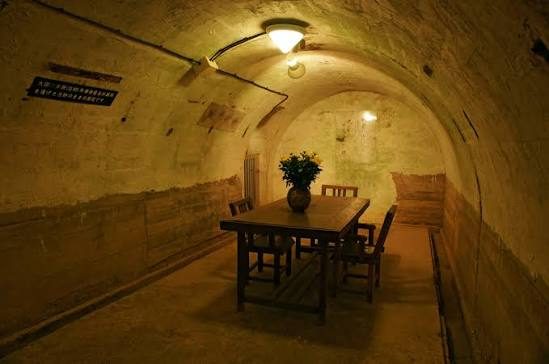
Former Japanese Navy Underground Headquarters
Hand-dug underground tunnels, and the place from which the "Thus fought the people of Okinawa Prefecture" telegram was sent.
Look here: the fragment marks left on the walls of the commander's room.
Central Okinawa — hilltop gusuku and a base town
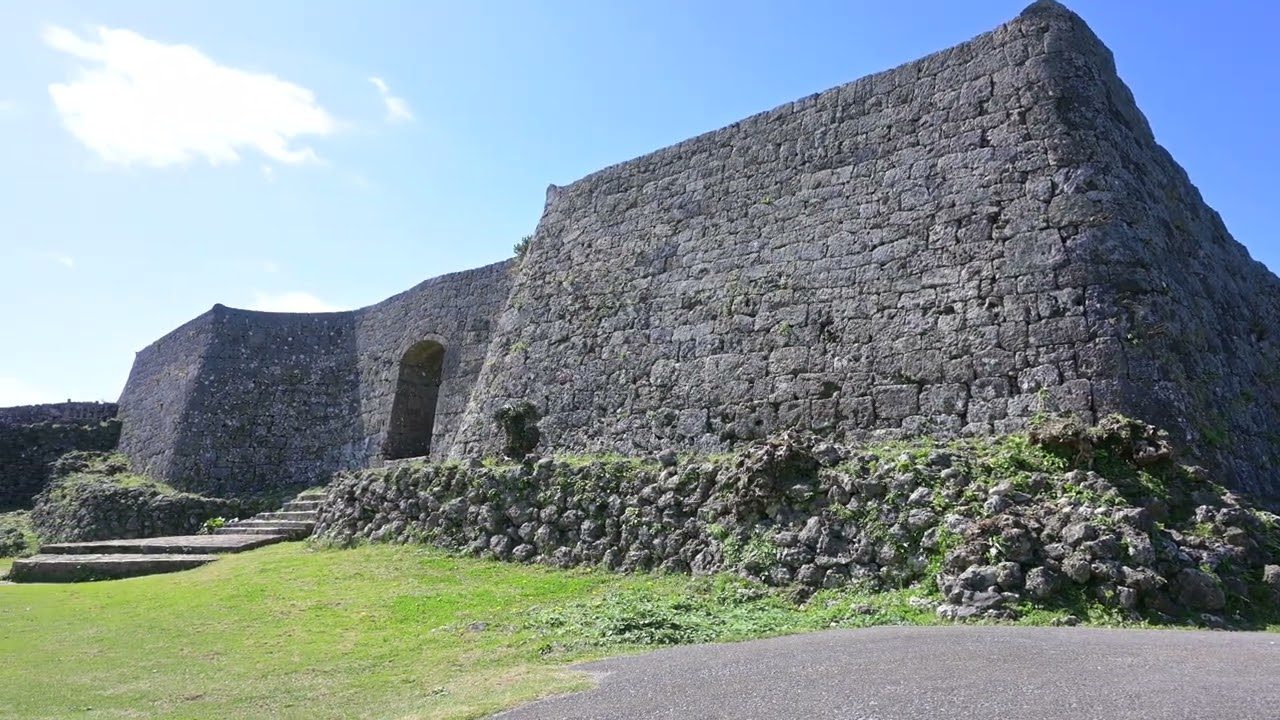
Nakagusuku Castle Ruins
A World Heritage gusuku known as the castle of Gosamaru. Its stone walls are the most beautiful of all.
Look here: the different masonry styles, such as nuno-zumi and aikata-zumi (the Gusuku room).
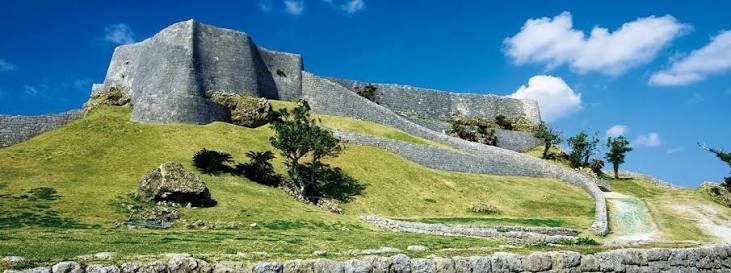
Katsuren Castle Ruins
The castle of Amawari. Tiers of stone walls rise on a hill jutting out into the sea.
Look here: the view over Nakagusuku Bay and Kin Bay from the summit.
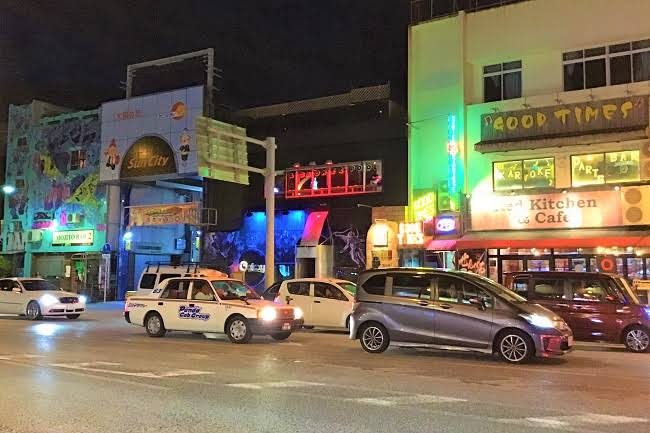
Koza Gate Street
The street leading to Gate 2 of Kadena Air Base, lined with English signs.
Look here: life in the Amerika-yu era, at the nearby Okinawa City Post-War Culture Museum "Historit" (the Postwar room).
To the southern islands
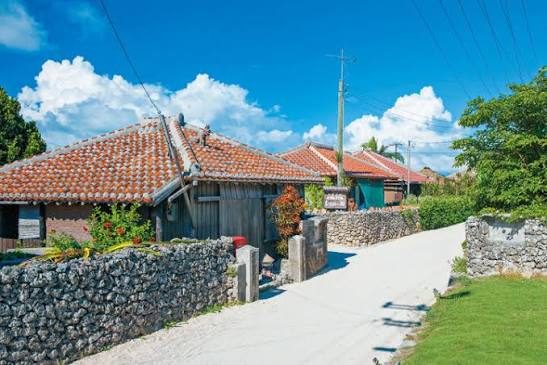
Taketomi Island
Just over 10 minutes by boat from Ishigaki Island. Its village of red tiles and white sand lanes is a national Important Preservation District for Groups of Traditional Buildings.
Look here: the shisa on the stone walls, and the hinpun screen walls in front of the houses (the Legends room).
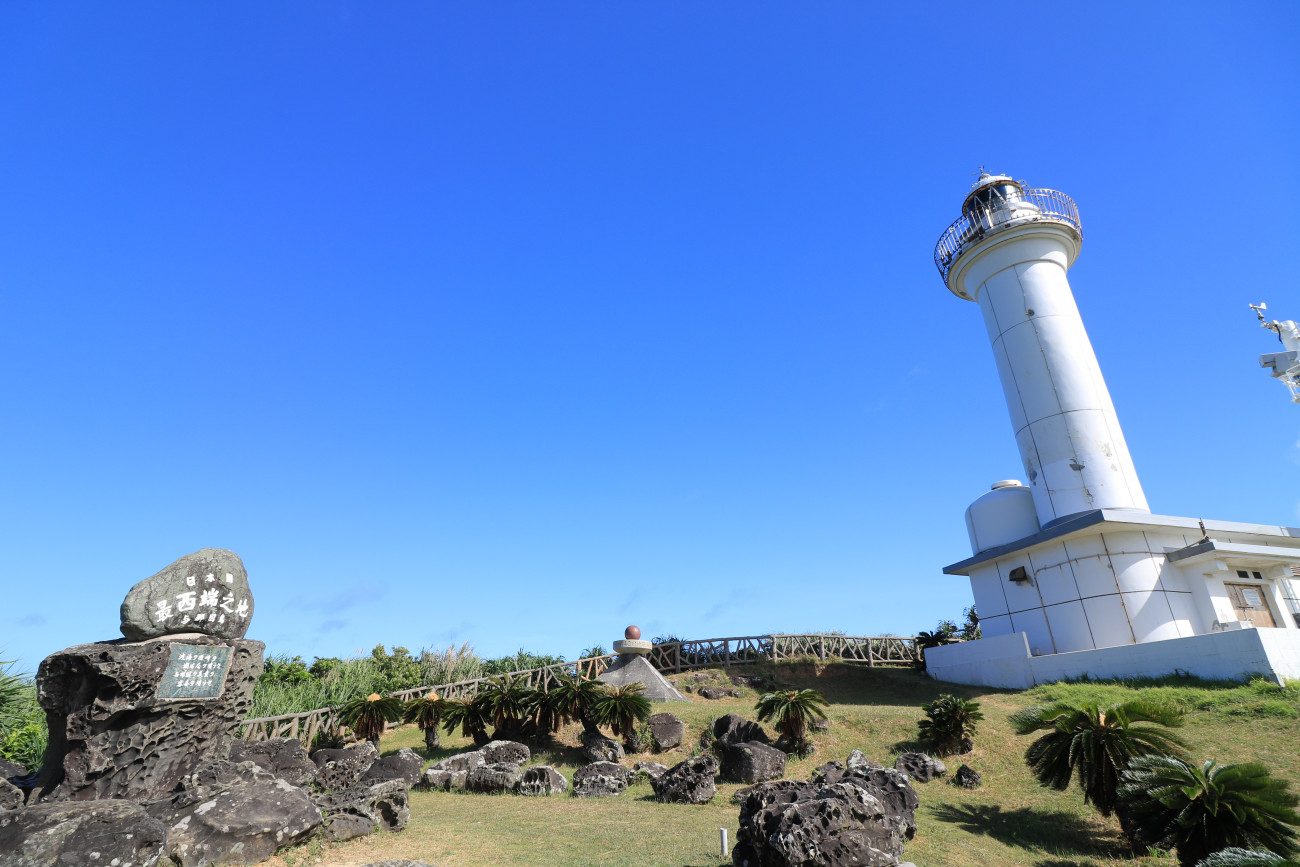
Yonaguni Island and Irizaki
The westernmost point of Japan — an island about 111 km from Taiwan.
Look here: Taiwan beyond the horizon. You're lucky if you can see it (the Islands room).
Planning a sample itinerary
On day one, explore the royal capital: Shuri Castle → Kinjo-cho Stone-paved Road → Tsuboya. On day two, tour the south — Sefa Utaki → Himeyuri Monument → Peace Memorial Park — for a day spent facing places of prayer and remembrance. On day three, trace the gusuku and Amerika-yu with Nakagusuku Castle Ruins → Katsuren Castle Ruins → Koza. If you have time, head from Ishigaki Island to Taketomi Island. Within Naha, the Yui Rail monorail is convenient; outside the city, use a rental car or buses.