Home / Walking Nagasaki
11 — WALK & READ
Walking Nagasaki
Why not visit the places behind the stories you've read, by slope and by tram? Even the famous sights look completely different once you know one thing to look for. Here are Nagasaki's highlights, for exploring like a history detective.
Labels: Factdocumented Likelysupported by most sources Legendoral tradition Urban legendlocal lore and rumour
Opening hours, closing days, admission fees and tour schedules may change. Please check each facility's official information before you go.
Around the harbour and Dejima
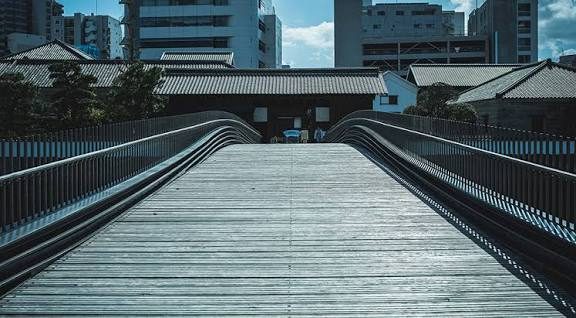
Dejima
The fan-shaped artificial island, now being restored. Buildings such as the Kapitan's Room line its streets.
Look for this: The Mini Dejima model, and the Omotemon Bridge built in 2017 (the Dejima room).
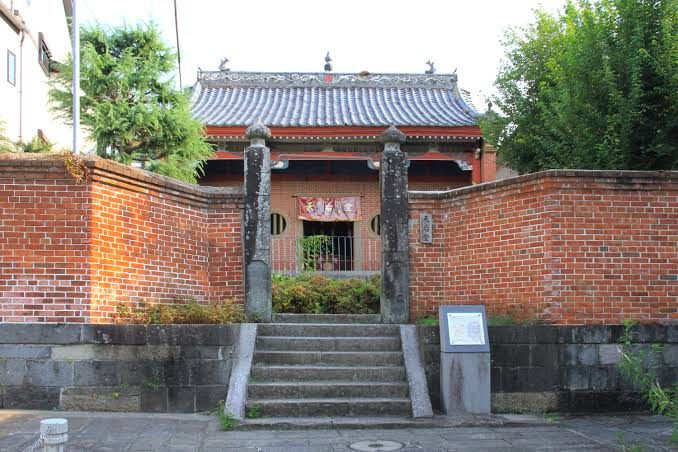
The Chinese Quarter site and Shinchi Chinatown
The remains of the quarter where the Chinese lived, and the Chinatown born on the reclaimed land of its warehouses.
Look for this: Mazu, goddess of seafarers, enshrined in the Tenkodo hall (the Chinese Quarter room).
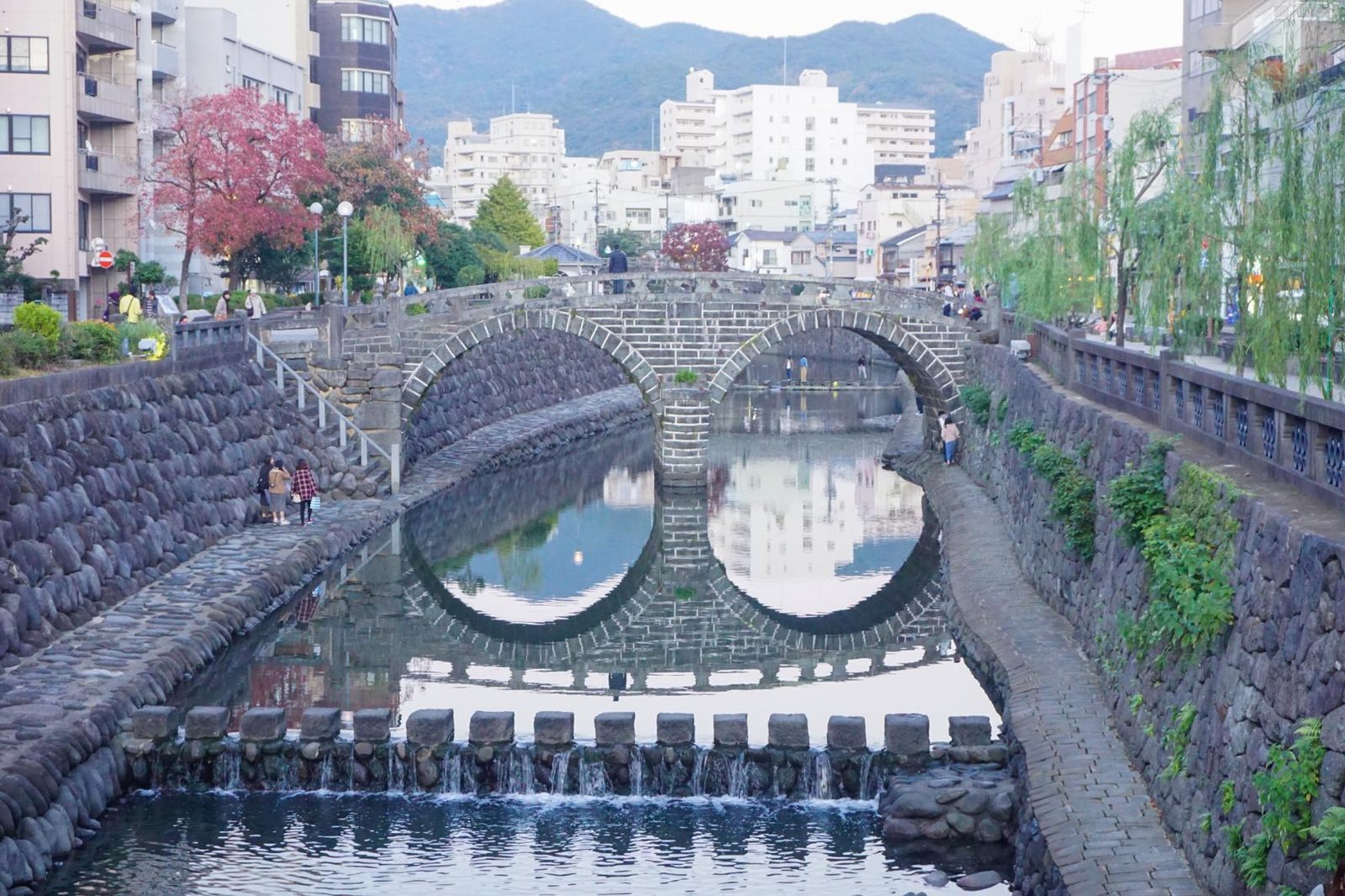
Meganebashi and the stone bridges of the Nakashima River
A stone arch bridge built in 1634. More stone bridges continue upstream.
Look for this: The "spectacles" reflected in the water, and the heart stone in the embankment (the Legends room).
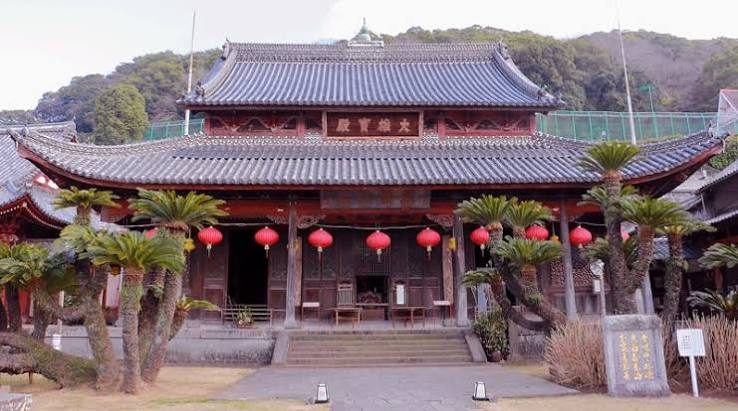
Kofukuji and Sofukuji
Chinese temples built by the city's Chinese community. Their Chinese-style gates and main halls survive.
Look for this: Kofukuji, home of Mokusu Nyojo, who built Meganebashi. Sofukuji's gate is a National Treasure.
Hills of prayer and the foreign settlement
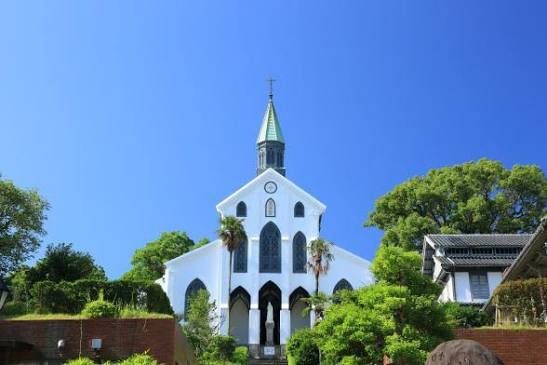
Oura Church
Completed in 1864, and the setting the following year for the "Discovery of the Hidden Christians."
Look for this: The statue of Mary at the front. Remember the question, "Where is the statue of Santa Maria?" (the Hidden Christians room).
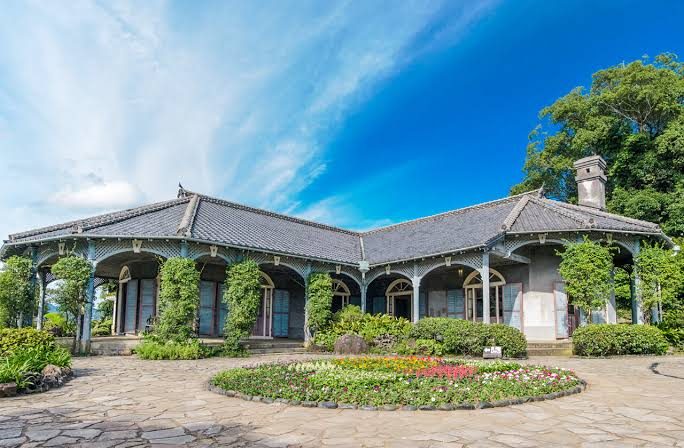
Glover Garden
A hillside lined with buildings including the Former Glover House, the oldest surviving Western-style wooden building in Japan.
Look for this: The harbour and the shipyard crane seen from the garden (the Bakumatsu room).
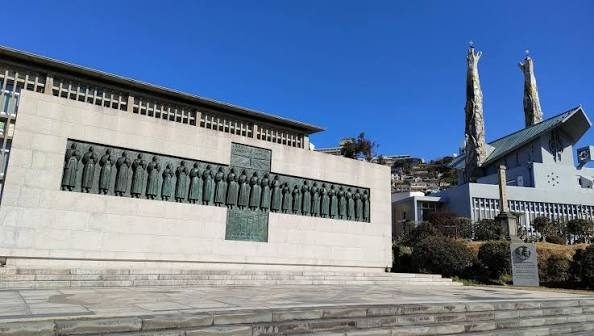
Monument to the Twenty-Six Martyrs of Japan
Nishizaka Hill, where 26 people were martyred in 1597. A short walk from Nagasaki Station.
Look for this: The life-size relief of the 26, and the architecture of the museum next door.
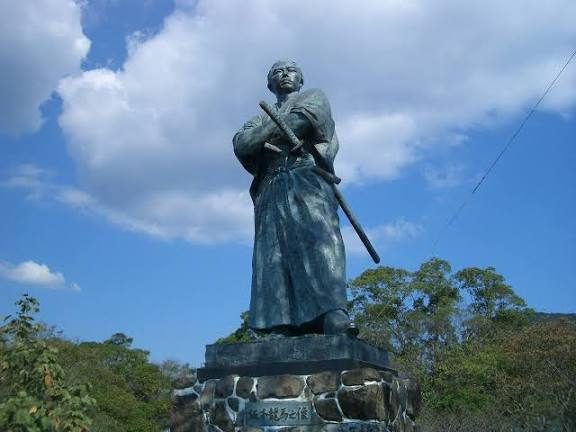
Kameyama Shachu Memorial Museum
The base of Ryoma and his comrades, halfway up a slope.
Look for this: The "Ryoma's boots" sculpture in the nearby plaza.
Urakami and Peace Park
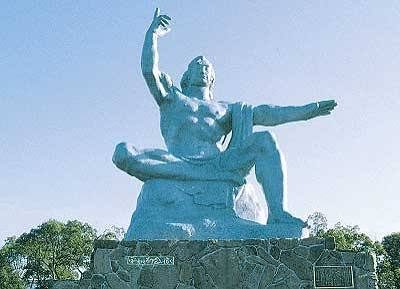
Peace Park and the Atomic Bomb Museum
A park spreading out beside the hypocentre, and a museum that conveys the reality of the bombing.
Look for this: The monument marking the hypocentre, and the direction of the Peace Statue's hands (the 9 August 1945 room).
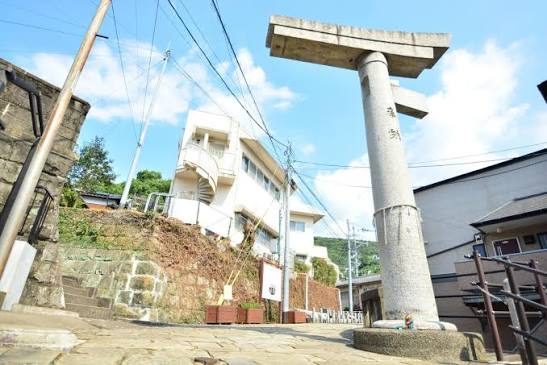
The one-legged torii of Sanno Shrine
A torii that still stands despite losing one pillar, and A-bombed camphor trees that sprouted again.
Look for this: The remains of the other pillar, blown away by the blast, are also preserved in the shrine grounds.
A little further afield
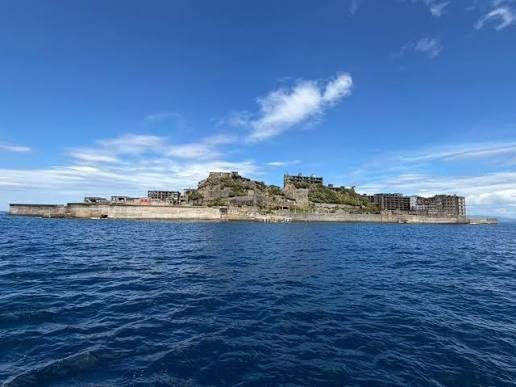
Gunkanjima (Hashima / Battleship Island)
Landing-tour boats depart from Nagasaki harbour. Landing may not be possible depending on the weather.
Look for this: Building No. 30, built in 1916, and the "battleship" angle seen from the boat (the Gunkanjima room).
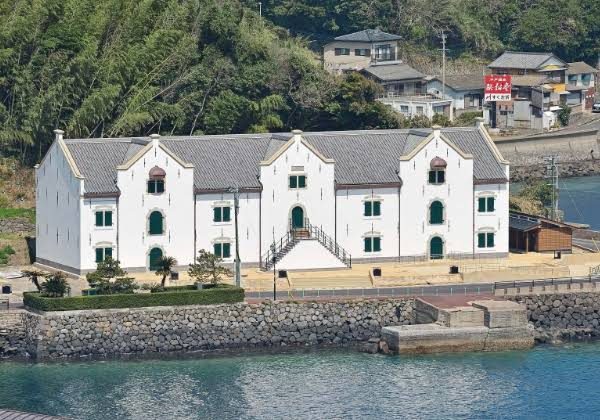
Hirado (Dutch Trading Post and Zheng Chenggong Memorial Hall)
About two hours by car from Nagasaki City. The "world's port" before Dejima.
Look for this: The Chigoishi, the stone where Koxinga is said to have been born (the Hirado room).
Planning your route
With half a day, take in the "wakaran" town via Dejima → Shinchi Chinatown → Chinese Quarter site → Meganebashi. Spend another half day on the hill at Oura Church → Glover Garden. On another day, walk slowly through Peace Park and Urakami, and if the weather is good, join a Gunkanjima tour. A one-day tram pass comes in handy.