Home / Explore
10 — Places to WalkMorioka gets more interesting
once you know the stories.
Central Morioka is compact, and most sights are within walking distance. Here we guide you to the settings of the stories on this site, with “insider's eye” tips. Even famous spots look completely different once you know their background.
The castle ruins and the Nakatsu River
About 10 minutes by bus or 20 minutes on foot from Morioka Station.
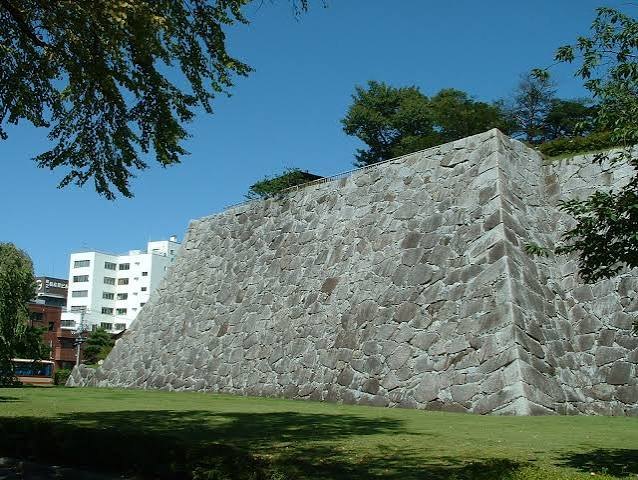
Morioka Castle Ruins Park (Iwate Park)Uchimaru
The site of Morioka Castle at the confluence of the Kitakami and Nakatsu rivers. Its all-stone walls are rare in Tōhoku; famous for spring cherry blossoms and autumn leaves, with a Takuboku poem monument.
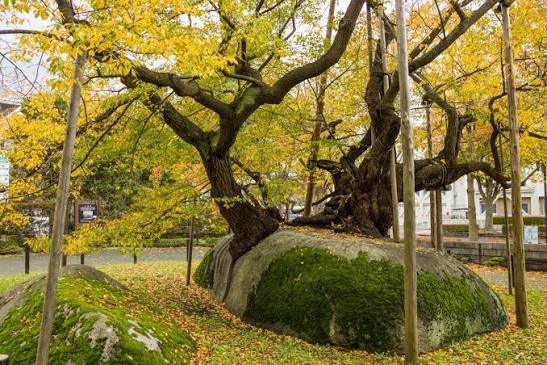
Ishiwari-zakuraUchimaru, Morioka District Court
A nationally designated Edo higan cherry growing from a crack in a granite boulder. Usually at its best in mid-to-late April.
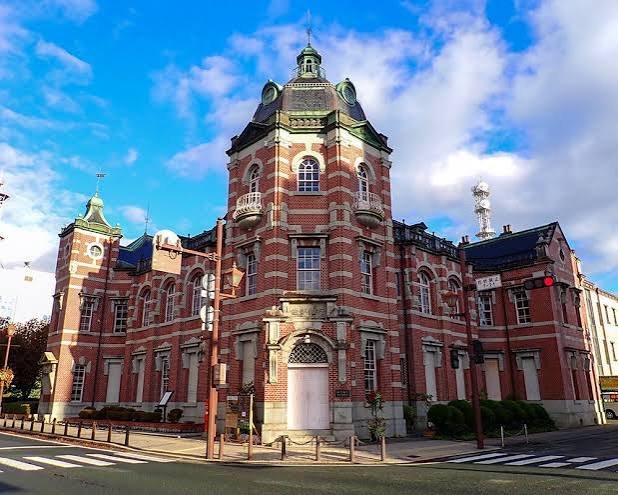
Iwate Bank Red Brick BuildingNakanohashi-dōri
An Important Cultural Property designed by Tatsuno Kingo and Kasai Manji, completed in 1911, and a working bank until 2012.
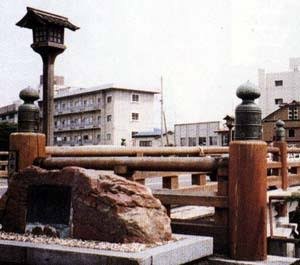
Kami-, Naka- and Shimo-no-hashiNakatsu River
Three bridges built in the early 1600s. Bronze finials with Keichō-era inscriptions still line Kami-no-hashi and Shimo-no-hashi.
Nataya-chō and the northern temple quarter
South and north of the castle, on foot or by bus.
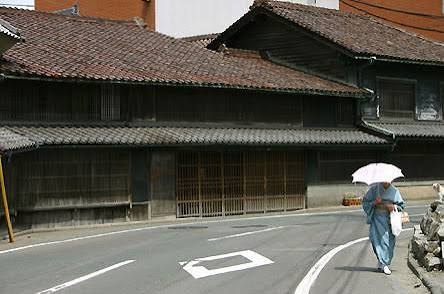
Nataya-chō and Morioka machiyaNataya-chō
An area of narrow, deep Morioka townhouses, where the communal springs Daiji Shimizu and Seiryūsui are still in use.
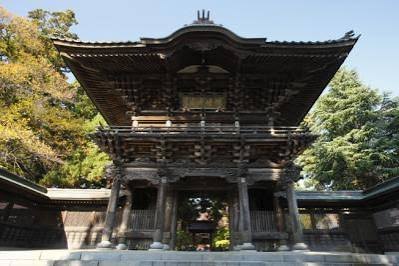
Hōonji and the Five Hundred ArhatsNasukawa-chō (Kitayama)
499 arhats carved by Kyoto sculptors in the 1730s. Also where Narayama Sado committed seppuku.
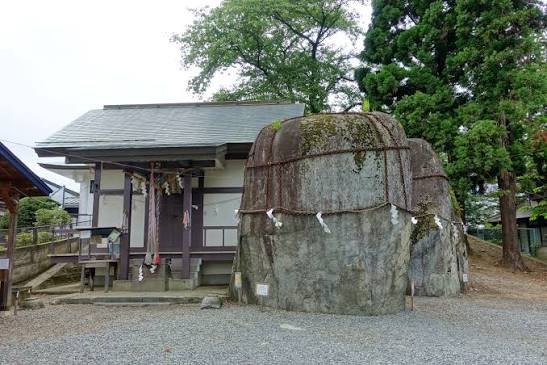
Mitsuishi ShrineNasukawa-chō
A shrine to the three giant rocks said to have given Iwate its name, and reputedly the birthplace of Sansa Odori.
Shōjuji, Tōzenji and the northern templesKitayama
Temples gathered here as the castle's northern defense. Shōjuji holds the Nanbu family graves.
To the Minamoto and ancient sites
By car or bus from the center.
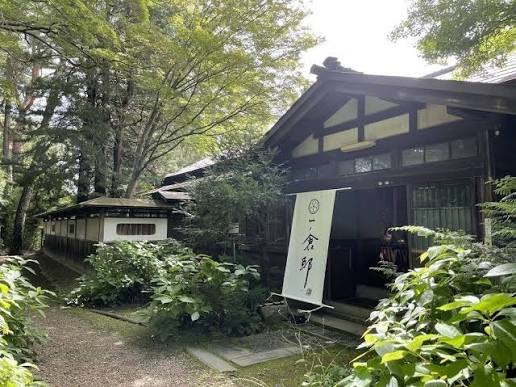
Abetate-chō and the Ichinokura residenceAbetate-chō
The presumed area of the Kuriyagawa stockade. The Ichinokura garden holds a division of the Chūsonji lotus, grown from seeds found in Yasuhira's head casket.
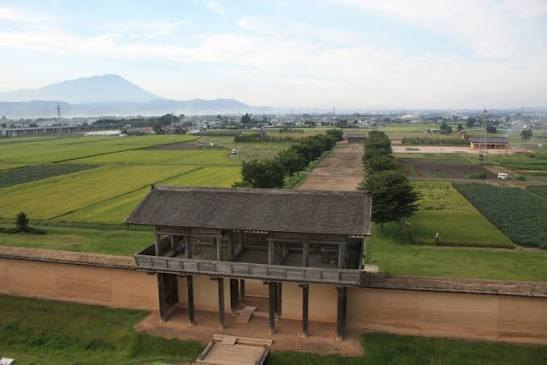
Shiwa Castle Ancient ParkŌta
The site of the northernmost fort built by Sakanoue no Tamuramaro, with the south gate and earthen walls reconstructed at full scale.
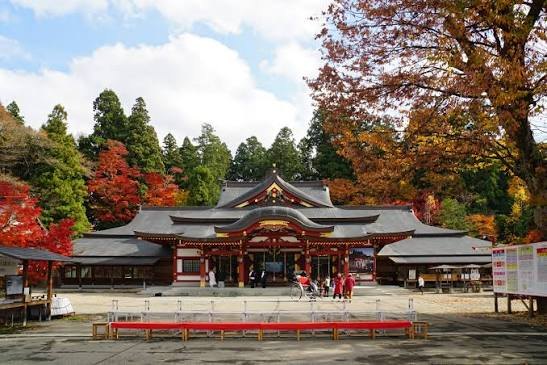
Morioka HachimangūHachiman-chō
Founded by Nanbu Shigenobu in 1680, enshrining Hachiman, the Minamoto's guardian deity. Also the finish of Chagu Chagu Umakko.
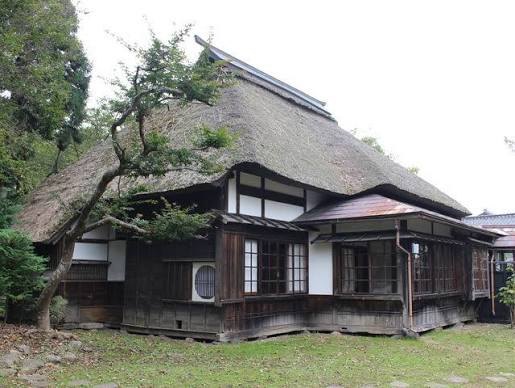
Takuboku Newlyweds' House and Hara Takashi Memorial MuseumChūō-dōri / Motomiya
The thatched house where Takuboku lived for about three weeks, and a museum preserving part of Hara's birthplace.
Opening hours, closing days and fees may change. Please check official information before visiting. Temples and shrines are places of worship; please follow their etiquette.
Half a day in Morioka, the borderland town.
Morioka Station to Kaiun Bridge
View Mt. Iwate from the “crying twice” bridge — the first highlight on a clear day.
Morioka Castle Ruins Park
Stone walls, the Eboshi Rock and Takuboku's monument. Recall what “Kozukata” means.
Ishiwari-zakura → Red Brick Building
From the courthouse garden to Naka-no-hashi, and a look inside Tokyo Station's big brother.
Kami-no-hashi finials and Kon'ya-chō Banya
Touch 400-year-old bronze and walk along the Nakatsu. In autumn, look for salmon.
Lunch: jajamen
Don't forget the chītantan finish.
Hōonji and Mitsuishi Shrine
Search the arhats' faces and find the demon's handprint. Bus or taxi to Kitayama.