Home / People
04 — PeopleThe people this northern
castle town sent out.
For its size, Morioka has produced a remarkable number of the faces of modern Japan: two prime ministers, an internationalist on the 5,000-yen note, a national poet, and a linguist whose name became synonymous with dictionaries. Many were seniors and juniors at the same school — Morioka Middle School, today's Morioka Daiichi High School.
Those who steered Japan
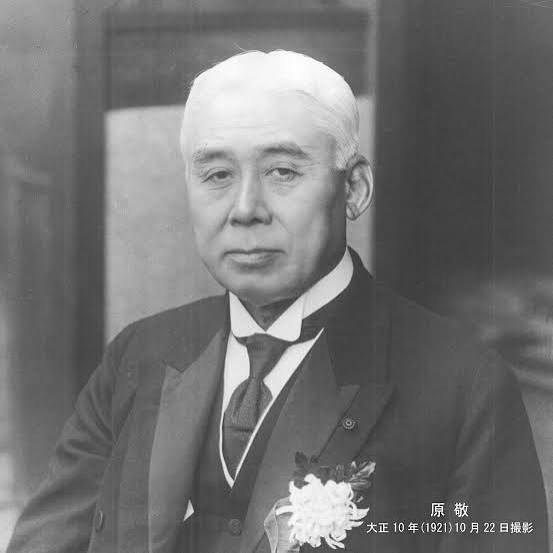
Hara Takashi原敬
From a domain branded rebel, he formed Japan's first full-fledged party cabinet as the “commoner prime minister”. His pen name Issan came from the insult “north of Shirakawa, a mountain for a hundred mon”. Assassinated at Tokyo Station.
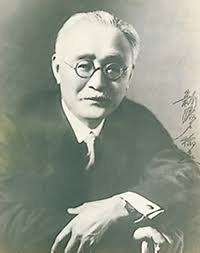
Nitobe Inazō新渡戸稲造
Author of Bushido: The Soul of Japan, written in English to introduce Japanese thought to the world. Under-Secretary General of the League of Nations, later pictured on the 5,000-yen note. His grandfather Tsutō developed the Sanbongihara plain in Towada.
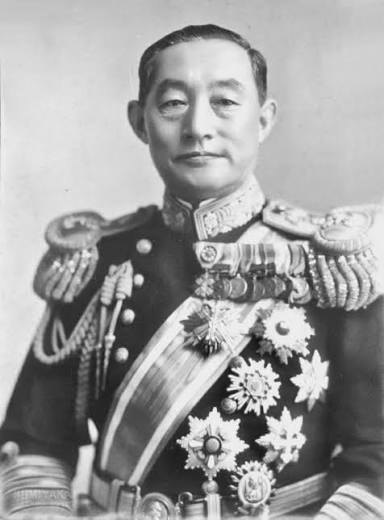
Yonai Mitsumasa米内光政
A voice of reason in the navy who consistently opposed the Tripartite Pact. As prime minister he was cautious about expanding the war, and as Navy Minister at the end of the war worked to bring about peace.
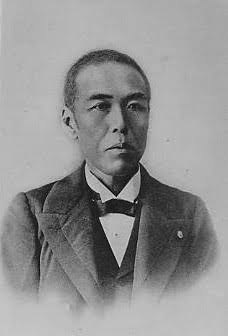
Naka Michiyo那珂通世
One of the scholars credited with establishing “Oriental history” as a discipline in Japan. His annotated translation of the Secret History of the Mongols laid foundations for Mongol studies; he is also known for work on Japan's traditional chronology.
Iwate is known for producing many prime ministers. Besides Morioka's Hara and Yonai there are Saitō Makoto from Mizusawa (now Ōshū) and Suzuki Zenkō from Yamada; Tōjō Hideki's father came from a Morioka samurai family, and his registered domicile was Iwate.
Those who opened the world with words
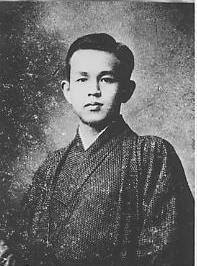
Ishikawa Takuboku石川啄木
A genius who brought everyday life into tanka with A Handful of Sand and Sad Toys. He left Morioka Middle School without graduating and died in poverty in Tokyo at 26. The house of his newlywed days survives in Morioka.
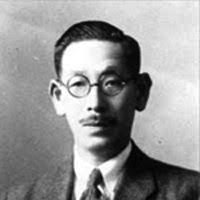
Kindaichi Kyōsuke金田一京助
The foremost scholar of the Ainu language. Takuboku's senior at Morioka Middle School, he supported the poet materially and emotionally all his life — famously selling his own books to pay Takuboku's rent.
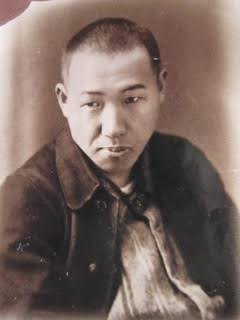
Miyazawa Kenji宮沢賢治
Though from Hanamaki, he spent his formative student years in Morioka, climbing Mt. Iwate many times and practicing Zen at Hōonji. His first book of stories was published by Kōgensha in Morioka.
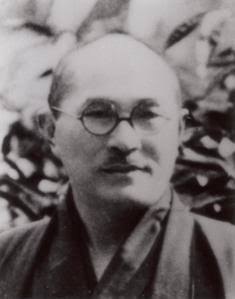
Nomura Kodō野村胡堂
Creator of the detective series Zenigata Heiji. At Morioka Middle School he studied alongside Kindaichi Kyōsuke and was Takuboku's senior. Under the name “Araebisu” he was also a leading record critic.
Those who left their mark on the town
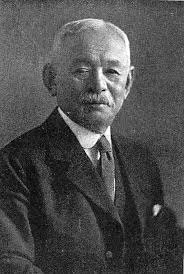
Kasai Manji葛西萬司
With Tatsuno Kingo he led the Tatsuno–Kasai office, designing Tokyo Station and the former Morioka Bank headquarters (today's Red Brick Building). He left Morioka a “big brother” completed before Tokyo Station.
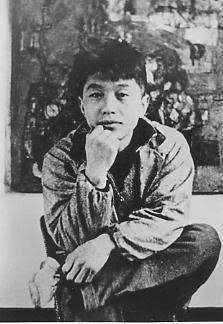
Matsumoto Shunsuke松本竣介
Lost his hearing to illness while at Morioka Middle School and turned to painting. He continued to paint quiet cityscapes and self-portraits through the war years, becoming one of the leading Western-style painters of early Shōwa.
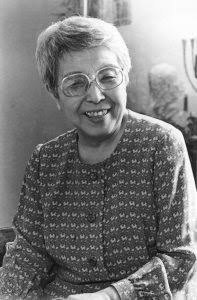
Fukazawa Kōko深沢紅子
A woman painter known for her gentle images of wildflowers and girls. A museum in Morioka houses her work.
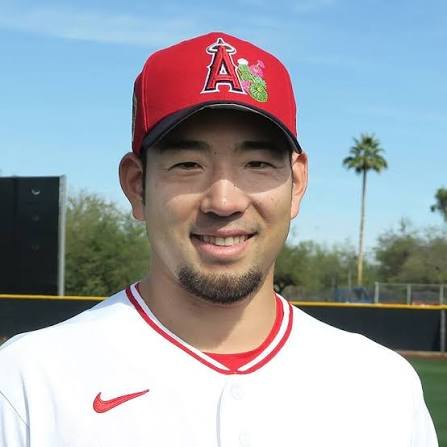
Kikuchi Yusei菊池雄星
From Hanamaki Higashi High School to the Seibu Lions and later Major League Baseball — a pioneer for athletes from Iwate taking on the world.
A reading tip: this page mixes people born in Morioka with people who studied or grew up there. Takuboku was born in Hinoto village (now part of Morioka) and raised in Shibutami; Kenji was from Hanamaki; Nomura Kodō from Shiwa. All spent decisive years of their lives in Morioka.
A future prime minister, a poet and a linguist under one roof.
The roll of Meiji-era Morioka Middle School (today's Iwate Prefectural Morioka Daiichi High School) reads almost like a joke: future prime minister Yonai Mitsumasa, army general Itagaki Seishirō, linguist Kindaichi Kyōsuke, novelist Nomura Kodō — and Ishikawa Takuboku. Different years, but the same school in the same era.
Influenced by his seniors, Takuboku awoke to literature and threw himself into poetry at the expense of his studies. After a cheating incident in exams, he left without graduating — and for the rest of his short life was helped along by seniors like Kindaichi.
Morioka Daiichi High School is famous for singing its school song to the melody of the “Warship March”. Ask anyone in Morioka and you'll likely get an “ah, that one” smile.